Understanding Disc Flaps: A Comprehensive Guide
Disc flaps are versatile abrasive tools used for a wide range of finishing and deburring applications. They bridge the gap between grinding wheels and sanding discs, offering a more controlled and consistent finish. This article will delve into the world of disc flaps, covering their construction, types, applications, and how to choose the right one for your needs. Whether you're a metal fabricator, woodworker, or DIY enthusiast, understanding disc flaps will significantly improve your project outcomes.
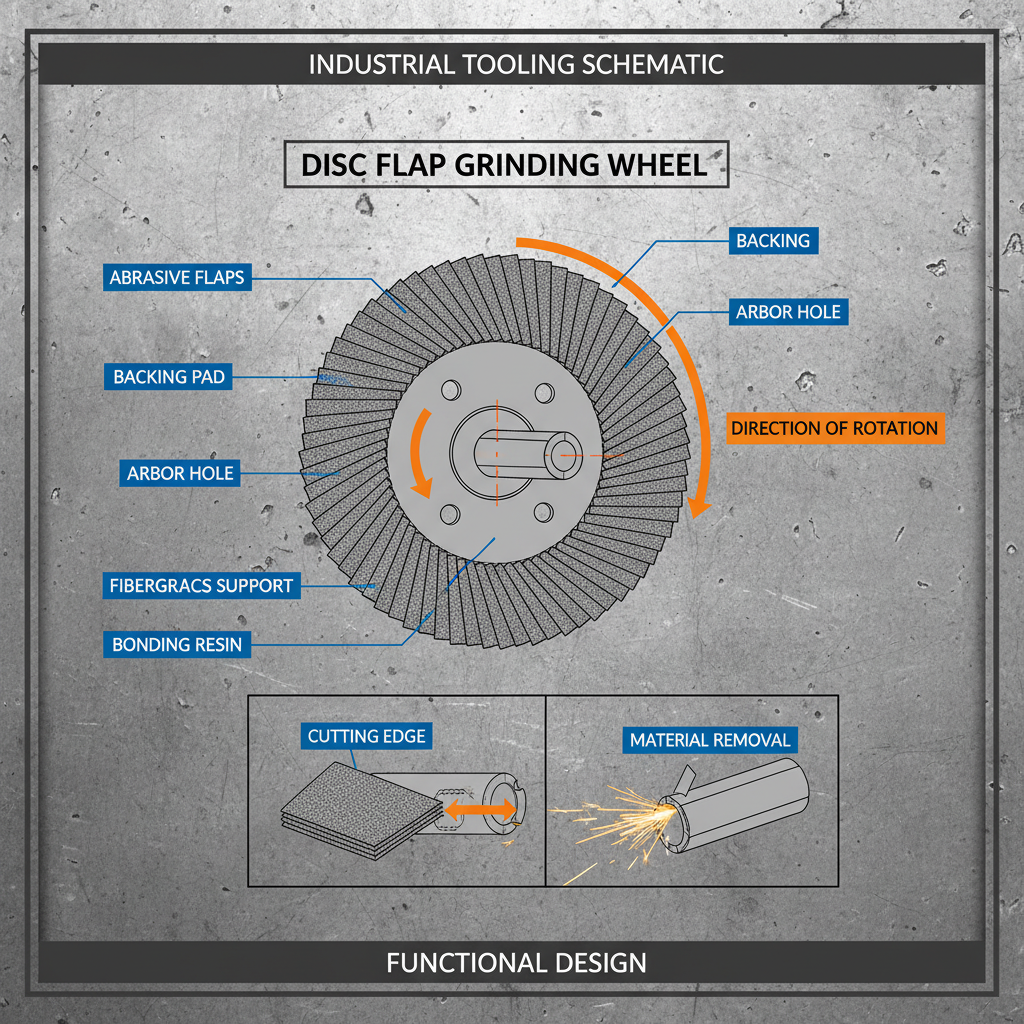
What are Disc Flaps Made Of?
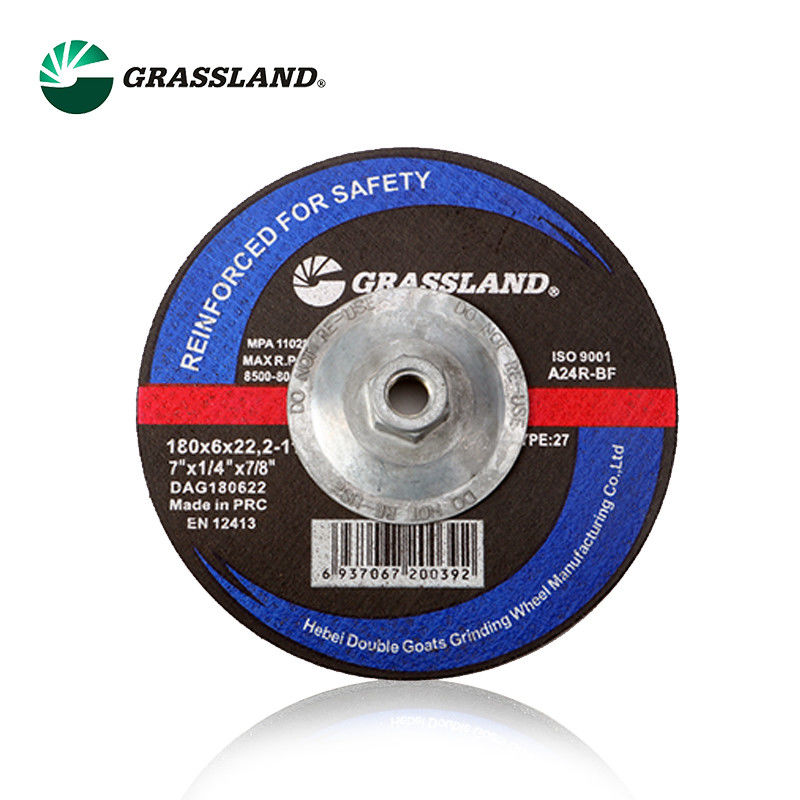
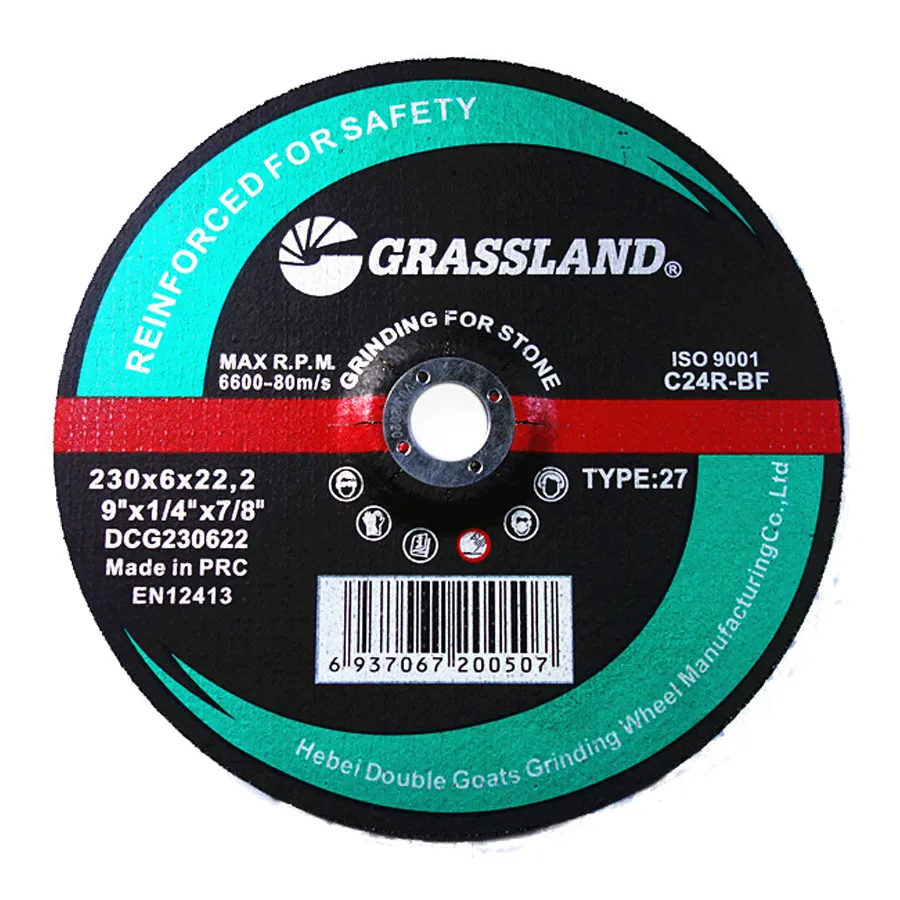
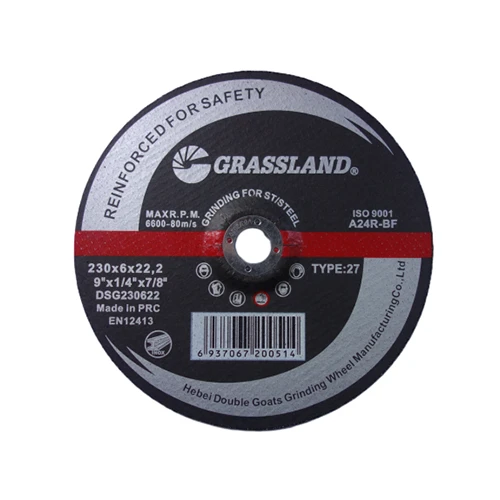
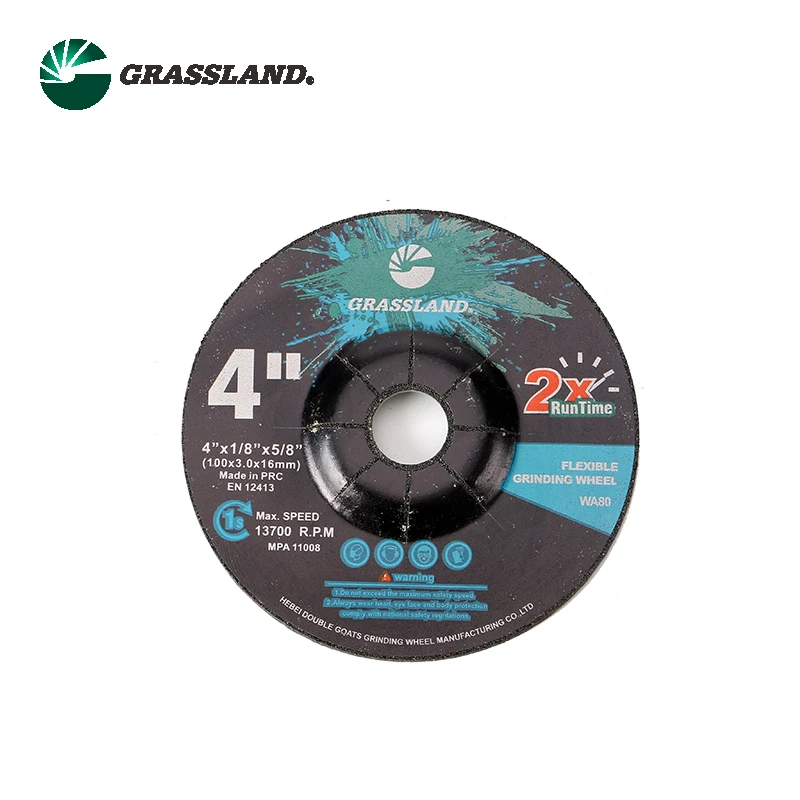
A disc flap is comprised of abrasive flaps bonded to a backing plate, usually made of fiberglass or metal. These flaps are typically made from abrasive grains like aluminum oxide, silicon carbide, or ceramic. The grit size of these grains determines the aggressiveness of the disc flap – lower grit numbers indicate coarser abrasives for more aggressive material removal, while higher grit numbers are for finer finishing. The density of the flaps, meaning how closely they are packed together, also influences performance; denser flaps provide a smoother, more consistent finish. Cutoffdiscs.com offers a diverse range of disc flaps constructed with premium materials for optimal durability and performance.
Key Components: Abrasive flaps, Backing plate (fiberglass or metal), Bonding agent.
Types of Disc Flaps and Their Applications
Disc flaps come in several varieties, each suited for specific applications. Type 1 disc flaps are flat and used for surface grinding and blending. Type 2, often called conical flaps, are ideal for contour grinding and edge work. Flap discs with a center hole are designed for use on stationary grinders, while those with a threaded hub fit onto angle grinders. Selecting the right type is crucial for achieving the desired results efficiently and safely. Applications range from removing weld spatter and rust to preparing surfaces for painting and polishing.
Common Disc Flap Types:
• Type 1: Flat disc for surface grinding.
• Type 2: Conical flap for contour grinding.
• Center Hole: For stationary grinders.
• Threaded Hub: For angle grinders.
Disc Flap Grit Selection: Choosing the Right Abrasive
Selecting the appropriate grit is paramount for successful disc flap use. Coarse grits (40-80) are used for rapid material removal, such as removing heavy rust or weld scale. Medium grits (100-150) are ideal for blending and deburring. Fine grits (180-320+) are used for finishing and polishing to achieve a smooth surface. Starting with a coarser grit and gradually moving to finer grits is a common practice for optimal results. The material you are working with also dictates the best grit choice – harder materials often require coarser grits initially. Cutoffdiscs.com provides detailed information on grit selection to help you make the right choice.
Safety Considerations When Using Disc Flaps
Safety is paramount when using disc flaps. Always wear appropriate personal protective equipment (PPE), including safety glasses, a dust mask, and gloves. Ensure the workpiece is securely clamped before starting. Never exceed the maximum RPM rating of the disc flap or the grinder. Inspect the disc flap for damage before each use and discard any damaged discs. Following these precautions will minimize the risk of injury and ensure a safe working environment.
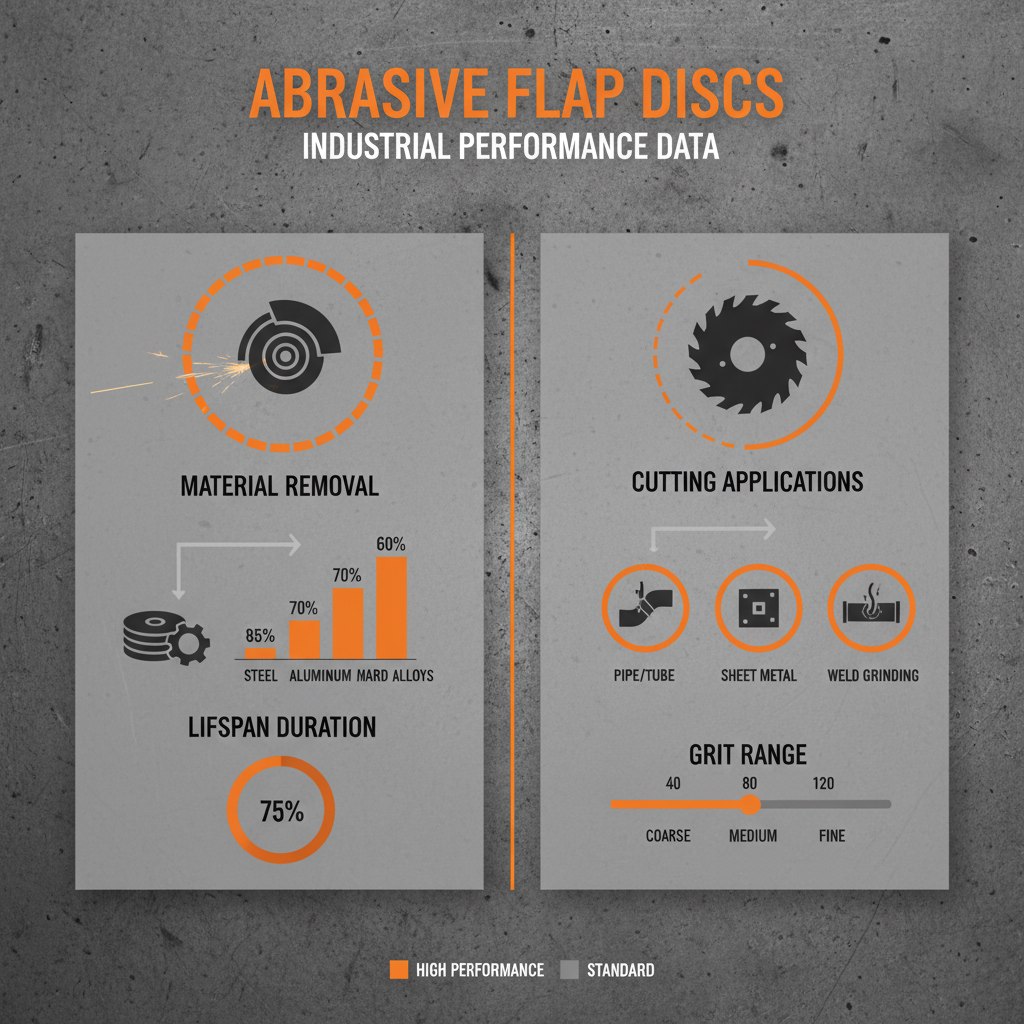
Maximizing Disc Flap Lifespan and Performance
To maximize the lifespan and performance of your disc flaps, avoid applying excessive pressure. Let the abrasive do the work. Use a consistent, sweeping motion and avoid dwelling in one spot for too long. Store disc flaps in a dry environment to prevent moisture damage. Regularly cleaning the workpiece can also help prevent premature clogging of the disc flap. Proper maintenance extends the life of the disc flap and ensures consistent results. Explore the wide range of high-quality disc flaps at Cutoffdiscs.com to find the perfect solution for your needs.
Conclusion: Choosing the Right Disc Flap for Success
Selecting the right disc flap involves considering the application, material, and desired finish. Understanding the different types, grit sizes, and safety considerations ensures optimal performance and a safe working experience. Cutoffdiscs.com provides a comprehensive selection of disc flaps and expert guidance to help you achieve professional results.
Frequently Asked Questions (FAQs)
What's the difference between a flap disc and a grinding wheel?
While both are used for material removal, flap discs offer a cooler, more controlled cut than grinding wheels. Grinding wheels remove material quickly but generate significant heat, potentially warping or damaging the workpiece. Flap discs, with their multiple flaps, distribute heat more evenly and provide a smoother finish. They're ideal for blending and finishing operations where precision is crucial. The gentle abrasion of the disc flap prevents excessive material removal and produces better results for finer work.
Are disc flaps suitable for use on stainless steel?
Yes, disc flaps are frequently used on stainless steel. However, it's important to select a disc flap specifically designed for stainless steel. These typically utilize abrasive grains like ceramic aluminum oxide or silicon carbide, which are less prone to loading and discoloration when working with stainless steel. Using the correct grit size is also essential to prevent heat buildup and maintain the corrosion resistance of the stainless steel.
How do I know when to replace a disc flap?
Several indicators signal that a disc flap needs replacing. Visible wear, such as torn or missing flaps, is a clear sign. A decrease in cutting performance, even with consistent pressure, suggests the abrasive grains have become dull. Also, if the disc flap becomes excessively clogged with debris, it's time for a replacement. Regularly inspect the disc flap before each use for any signs of damage or wear.
What is the best way to store disc flaps?
Store disc flaps in a cool, dry environment. Avoid storing them in areas with high humidity, as moisture can cause the abrasive grains to degrade. Keep them away from direct sunlight and extreme temperatures. It’s best to store disc flaps in their original packaging or a designated container to protect them from damage and contamination.
Post time:Mar - 14 - 2026