Understanding Die Grinder Flap Wheels: A Comprehensive Guide
Die grinder flap wheels are versatile abrasive tools used for deburring, grinding, blending, and finishing various materials. Their flexibility and ability to conform to irregular shapes make them ideal for a wide range of applications. This article will delve into the types, benefits, applications, and selection criteria for die grinder flap wheels, helping you choose the right wheel for your needs. Choosing the correct flap wheel can significantly improve the quality and efficiency of your work.
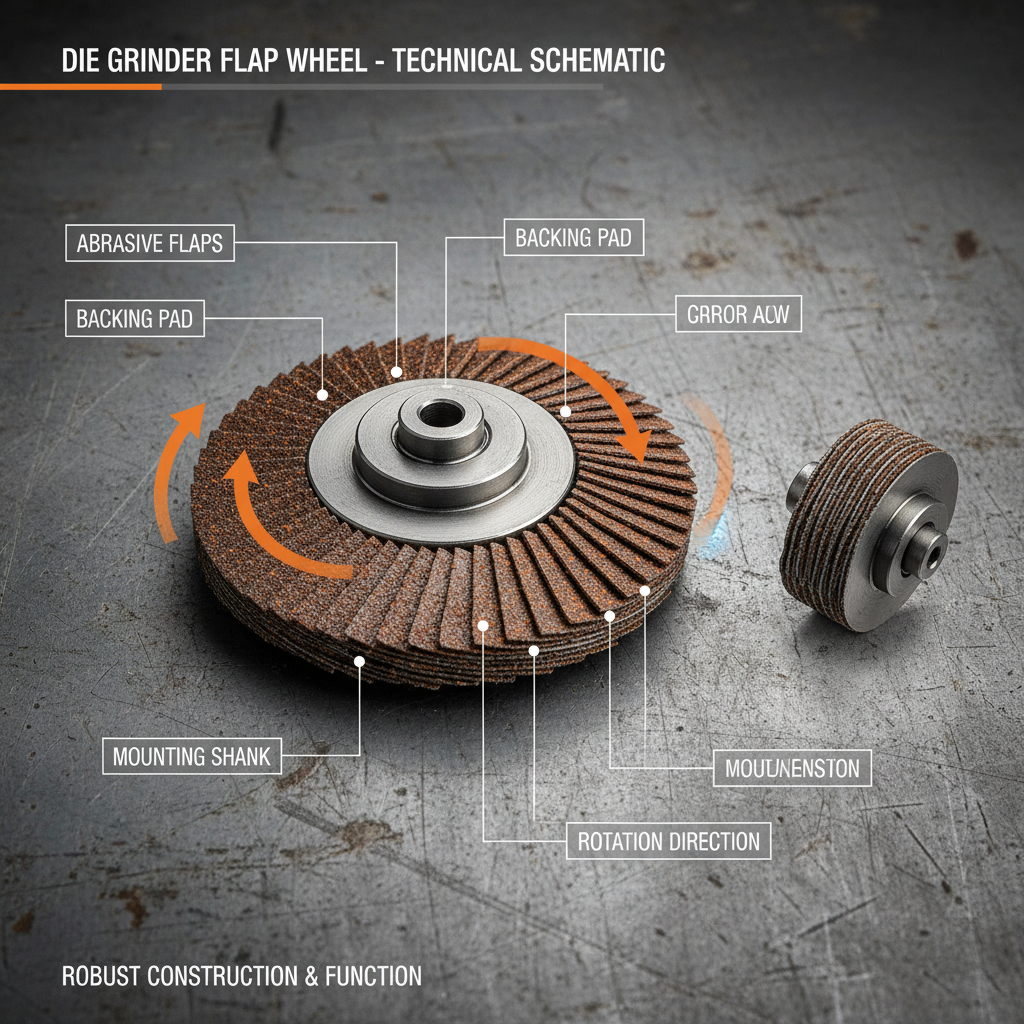
Types of Die Grinder Flap Wheels
Die grinder flap wheels come in a variety of types, each suited for specific tasks and materials. Common types include abrasive cloth (aluminum oxide, silicon carbide, ceramic), flap wheel geometries (conical, radial, disc), and bonding agents. Aluminum oxide flap wheels are general-purpose and work well on steel, while silicon carbide is better for non-ferrous metals and glass. Ceramic flap wheels offer exceptional durability and are ideal for aggressive material removal. Understanding these differences is key to selecting the right wheel. We supply a wide variety of flap wheels for various applications.
Key Takeaway: Selecting the correct abrasive material (aluminum oxide, silicon carbide, or ceramic) directly impacts the wheel's performance on different materials.
Applications of Die Grinder Flap Wheels
The versatility of die grinder flap wheels extends to numerous industries and applications. They are commonly used in metalworking for deburring sharp edges, removing weld splatter, and preparing surfaces for painting or coating. In the automotive industry, they’re employed for bodywork, rust removal, and finishing. Additionally, flap wheels are used in aerospace, shipbuilding, and general manufacturing. From precision grinding to heavy-duty material removal, these wheels provide a flexible and efficient solution.
Common Applications:
• Deburring metal castings and stamped parts
• Removing weld scale and spatter
• Surface preparation for painting and coating
• Polishing and blending stainless steel
Choosing the Right Die Grinder Flap Wheel
Selecting the optimal die grinder flap wheel involves considering several factors. The material being worked, the desired finish, and the level of material removal required all play a crucial role. Grit size is also critical – coarser grits (e.g., 36, 60) are for aggressive material removal, while finer grits (e.g., 120, 180) are for finishing and polishing. The flap wheel’s shape influences accessibility to tight spaces. Finally, ensure the wheel's RPM rating matches your die grinder’s capabilities for safe and efficient operation. You can explore our range of high-quality flap wheels to find the perfect fit.
Die Grinder Flap Wheel Safety Considerations
Safety is paramount when working with die grinder flap wheels. Always wear appropriate personal protective equipment (PPE), including safety glasses, gloves, and a dust mask. Ensure the workpiece is securely clamped or held in place. Never exceed the maximum RPM rating of the flap wheel. Inspect the wheel for damage before each use and discard any damaged wheels. Proper training and adherence to safety guidelines are crucial for preventing accidents and ensuring a safe working environment.
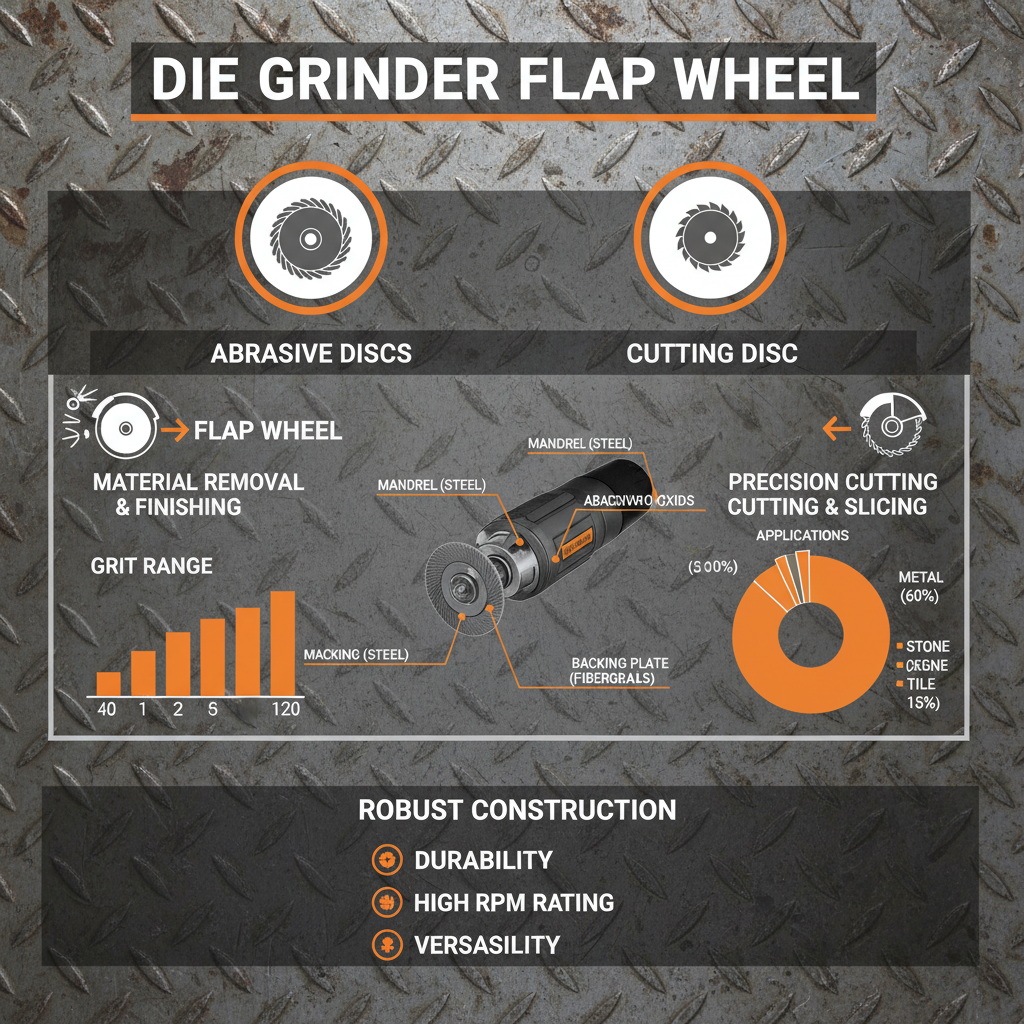
Maximizing Flap Wheel Lifespan
To prolong the life of your die grinder flap wheel, avoid excessive pressure during use. Maintain a consistent grinding angle and avoid dwelling in one spot for too long. Store wheels in a dry, clean environment to prevent moisture absorption. Regularly clean the wheel with compressed air to remove debris and maintain its cutting efficiency. With proper care and usage, your flap wheel will provide optimal performance and value. Check our website Cutoffdiscs.com for more tips and tricks!
Conclusion: Choosing the Right Flap Wheel for Success
Selecting the right die grinder flap wheel is crucial for achieving optimal results in your projects. By understanding the different types, applications, and safety considerations, you can make an informed decision and ensure a safe and efficient workflow. Invest in quality flap wheels from a trusted supplier like Cutoffdiscs.com for lasting performance and reliability.
Frequently Asked Questions (FAQs)
What is the difference between aluminum oxide and silicon carbide flap wheels?
Aluminum oxide wheels are generally more aggressive and are ideal for ferrous metals like steel and stainless steel. They offer a faster cut rate and are suitable for general-purpose grinding and deburring. Silicon carbide wheels, on the other hand, are harder and more brittle, making them better suited for non-ferrous metals like aluminum, brass, and glass. They also excel at surface finishing and creating a smooth, consistent finish. The choice depends largely on the material you're working with.
How do I determine the correct grit size for my application?
Lower grit numbers (e.g., 36, 60) indicate a coarser grit, which is best for aggressive material removal, heavy deburring, and quickly shaping a workpiece. Higher grit numbers (e.g., 120, 180, 240) represent finer grits, ideal for finishing, polishing, and creating a smooth surface. Start with a coarser grit to remove material quickly, then progress to finer grits for a refined finish. The desired level of finish will guide your grit selection.
Are flap wheels suitable for removing rust?
Yes, flap wheels are highly effective for removing rust from metal surfaces. Using a coarser grit flap wheel initially will quickly remove the bulk of the rust, while a finer grit can then be used to smooth the surface and prepare it for painting or coating. When removing rust, ensure you are wearing appropriate PPE, including a dust mask, as rust particles can be harmful. We recommend using a flap wheel specifically designed for rust removal for optimal results.
What RPM should I use with a die grinder flap wheel?
The maximum RPM rating for a flap wheel is clearly marked on the wheel itself. It's crucial never to exceed this rating, as doing so can cause the wheel to disintegrate and cause serious injury. Generally, die grinders operate between 20,000 and 30,000 RPM. Always check the wheel’s specifications and match it to your die grinder’s capabilities. Start with a lower speed and gradually increase it as needed.
Post time:Mar - 03 - 2026