Cut Off Wheel for Stone: Essential Tool in Modern Industry
If you’ve ever worked in construction, masonry, or even DIY stone projects, you’re probably familiar with the daunting challenge of slicing through tough, dense materials like natural stone or concrete. Enter the cut off wheel for stone — a deceptively simple yet incredibly valuable tool designed to make cutting stone not only possible but efficient and precise. Understanding this tool isn’t just for specialists; globally, it ties into infrastructure development, resource extraction, and even humanitarian efforts. So why all the fuss? Because stone cutting impacts everything from the buildings we rely on daily to critical disaster relief operations. Let’s explore why a quality stone cutting wheel matters so much worldwide.
Global Context and Industry Relevance
Stone and concrete remain foundational materials in global construction, representing billions in economic value every year. According to the World Bank, infrastructure development has surged in emerging markets — and that means lots of stone cutting activity. Yet, when you think about the challenge, cutting stone is far from trivial. It requires highly specialized abrasive tools that balance strength, precision, and safety. Without the right cut off wheel for stone, countless projects would face delays — sometimes dangerous delays — or compromised quality.
Oddly enough, while technology advances in many construction tools, the cut off wheel’s evolution has been more incremental. Still, its role remains vital. In disaster sites, where quick stone cutting might be needed for clearing debris or making temporary shelters, tool efficiency can literally save lives.
What Exactly Is a Cut Off Wheel for Stone?
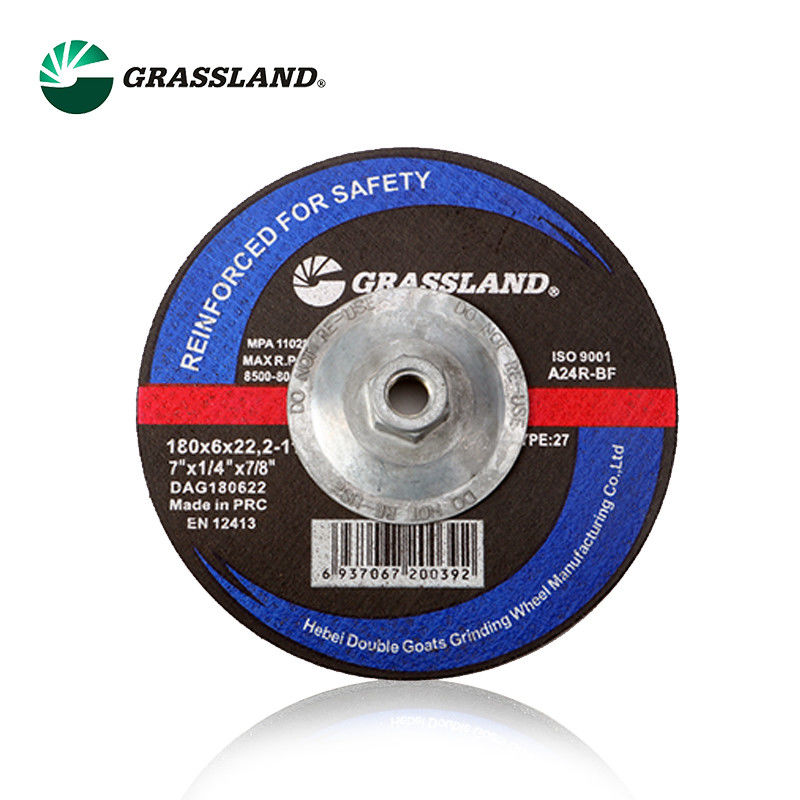
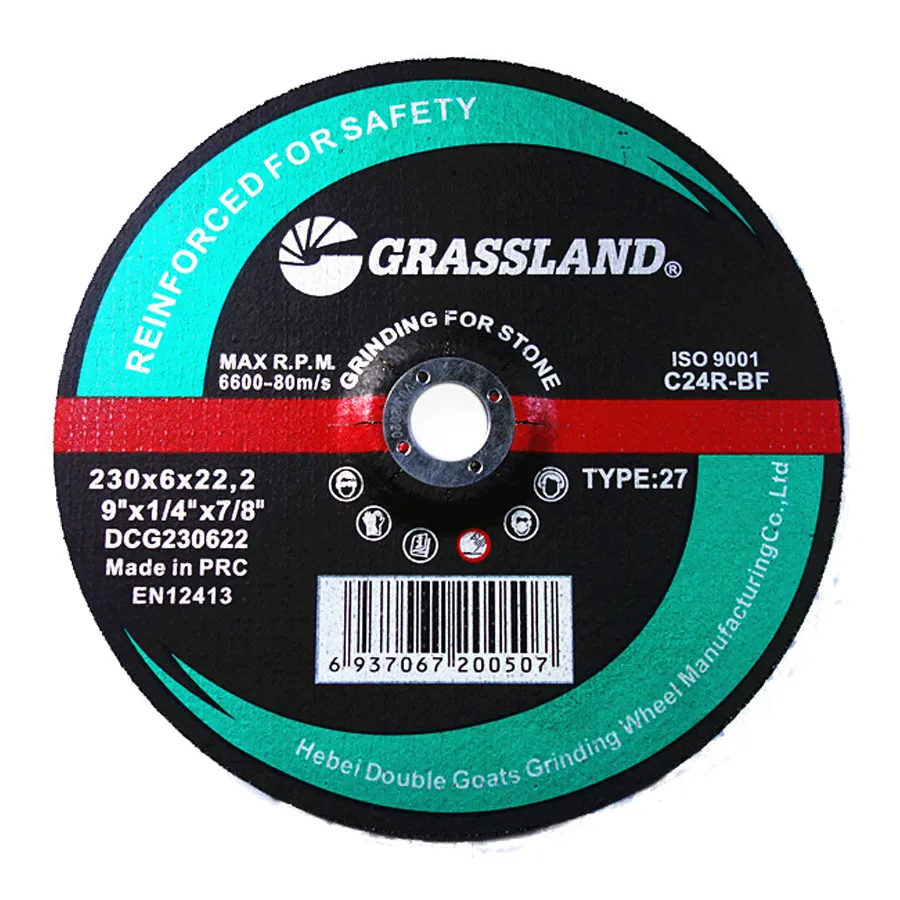
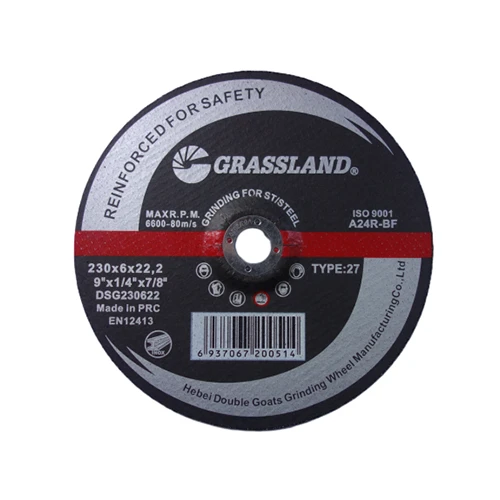
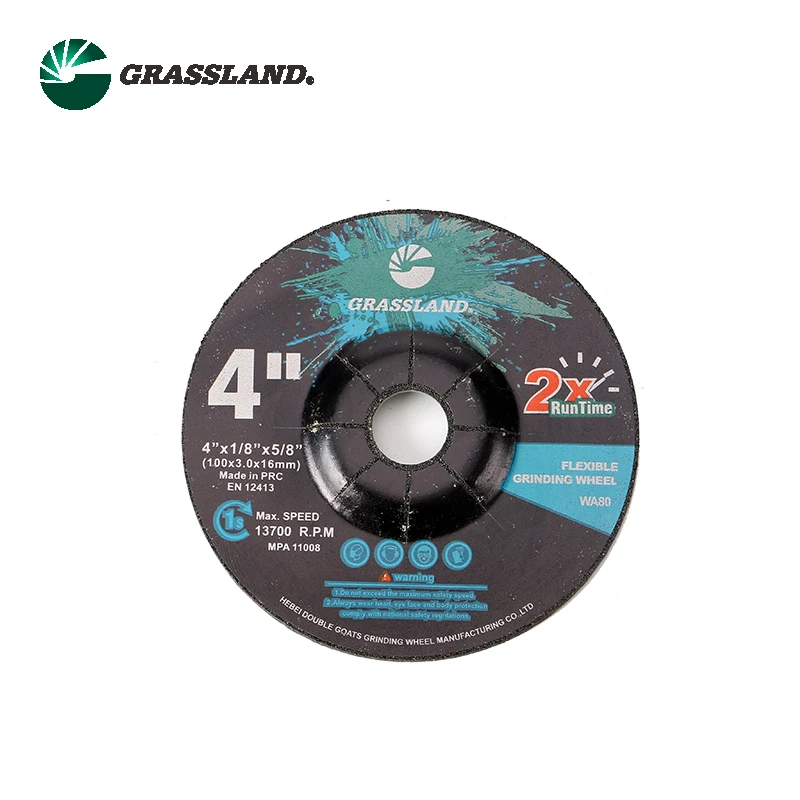
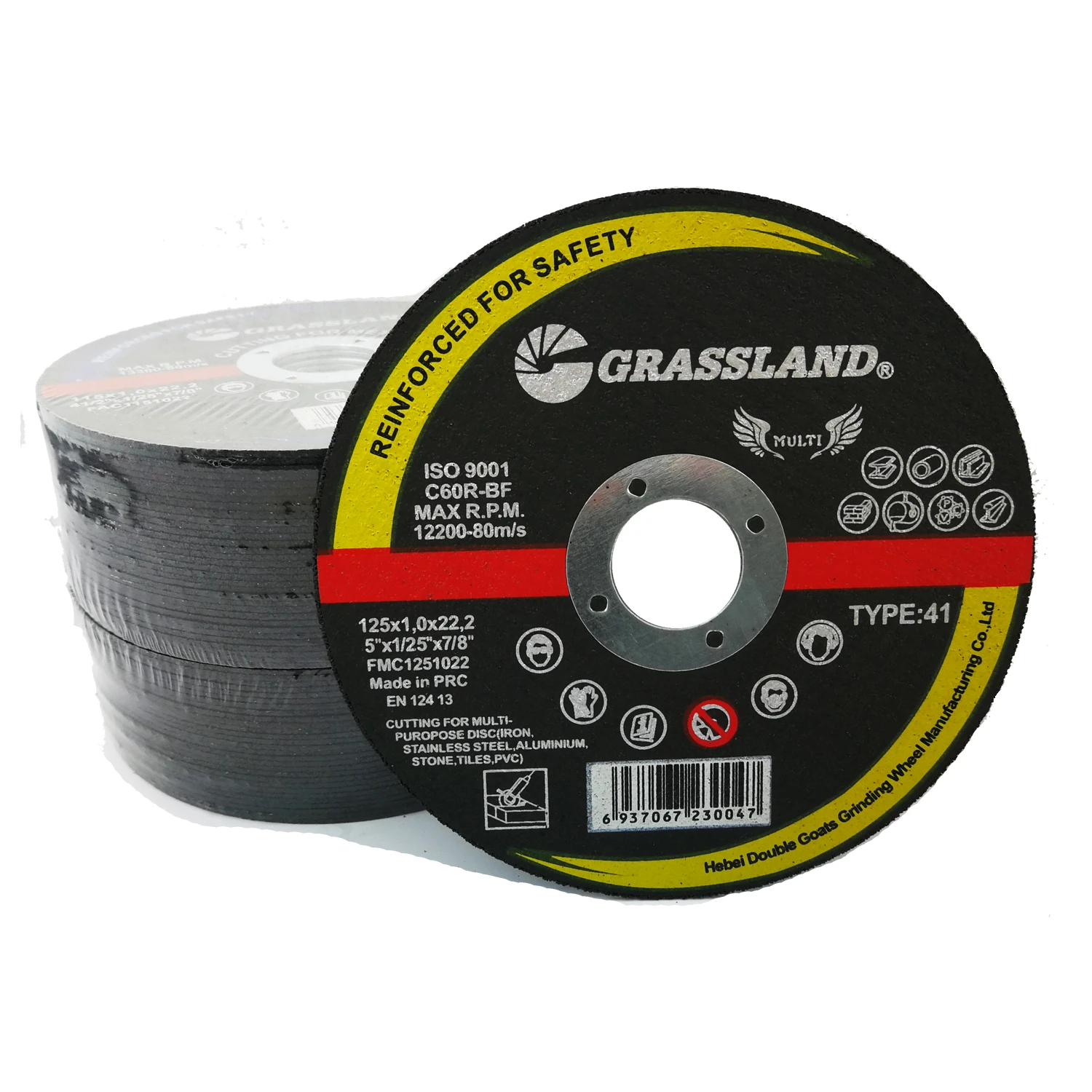
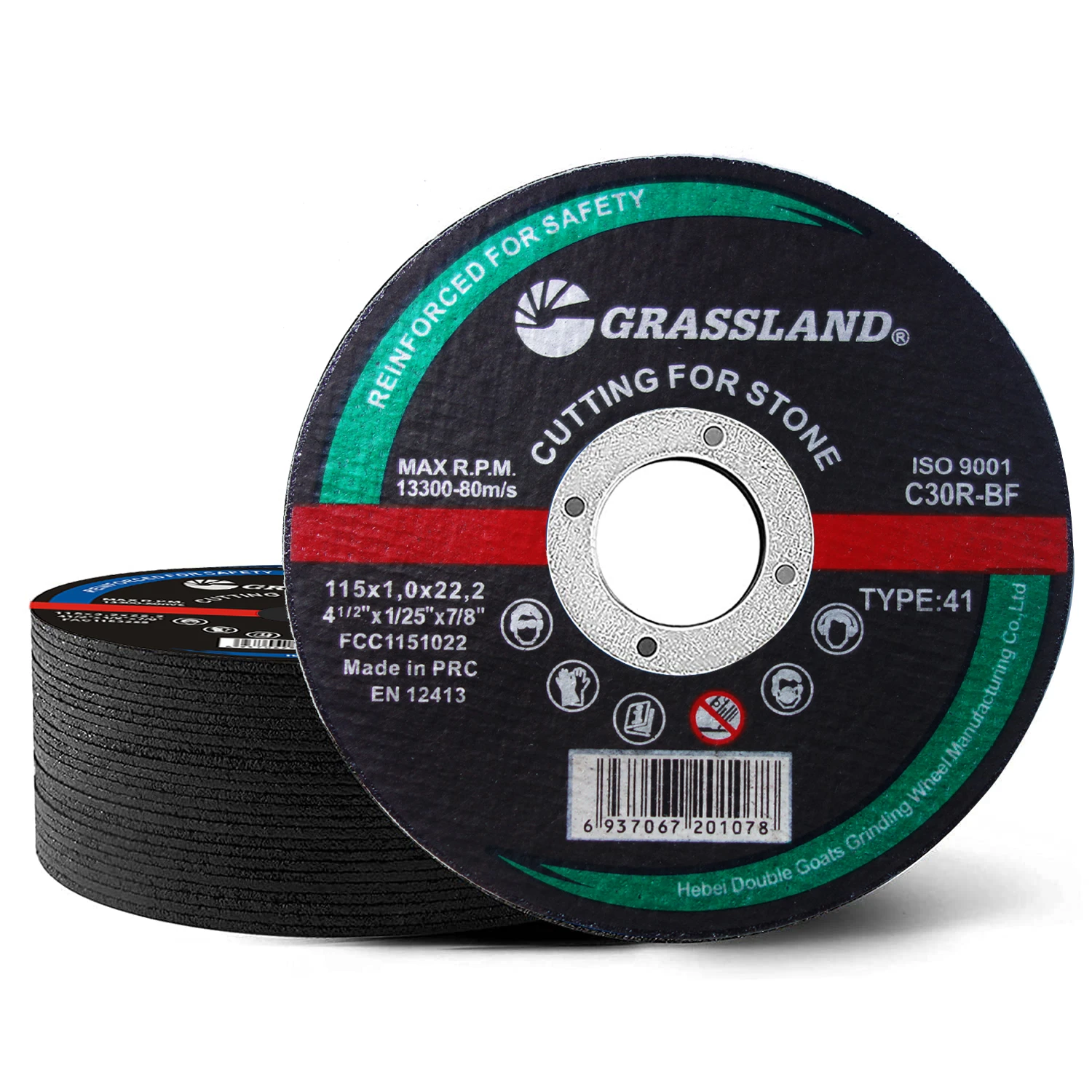
Simply put, a cut off wheel for stone is a circular abrasive disc designed to be mounted on angle grinders or cutting machines. It slices through hard materials like granite, marble, concrete, and other types of stone. What distinguishes these wheels from other abrasive discs is their formulation — typically super-hard materials like diamond particles embedded in a metallic or resin matrix, arranged specifically to optimize cutting speed and longevity.
This isn’t just about brute force. The design must account for heat dissipation, dust control, and minimal material wastage. The result is a tool that supports the precise shaping of stone, whether for elegant countertop edges or robust structural cuts in building sites.
Key Factors That Define a Superior Cut Off Wheel for Stone
1. Durability and Material Composition
Durability hinges on the abrasive material: diamond-coated wheels outperform conventional aluminum oxide discs, especially on dense stones. The matrix material bonding the abrasive affects how fast the wheel cuts versus how long it lasts.
2. Cutting Precision
Precision depends on the wheel's thickness and balance. Thinner wheels offer finer cuts but may wear faster or risk breaking, whereas thicker wheels are more enduring but less nimble.
3. Speed Compatibility
Cut off wheels are rated for specific maximum RPMs. Using a wheel beyond its rated speed invites catastrophic failure — a safety hazard for operators.
4. Cost Efficiency
Balancing upfront price against lifespan and cutting speed is critical. Sometimes a pricier wheel leads to a lower cost per cut overall.
5. Environmental and Safety Considerations
Low-dust and low-vibration designs are increasingly valued, especially in indoor or sensitive environments.
Global Applications & Use Cases
The use cases for cut off wheels for stone span continents and industries. In Asia’s booming urban centers, these wheels power the fabrication of tiles, façades, and monuments. In Europe and North America, restoration projects rely on cutting wheels to delicately carve stone pieces for heritage buildings. Meanwhile, NGOs operating in disaster-prone regions in Africa use these tools to quickly adapt stone debris into functional structures, thanks to their portability and effectiveness.
In remote mining zones, cut off wheels help separate valuable minerals embedded in rock. The versatility means you’ll find them in workshop toolkits as often as on large construction sites.
Advantages and Long-Term Value
- Cost-Effective Maintenance: A high-quality wheel lasts longer, reducing downtime and replacements.
- Safety & Reliability: Properly engineered cut off wheels minimize accidents from shattering or overheating.
- Environmental Impact: Some newer models incorporate eco-friendly manufacturing and reduce dust emissions.
- Innovation Boost: Advances in materials lead to faster, cleaner cuts — pushing industry productivity forward.
There’s also an emotional aspect — workers trust tools that enhance their safety and efficiency, translating into greater job satisfaction and pride. Trust me, when the wheel cuts flawlessly on a tough stone, it’s satisfying in a way that’s hard to put into words.
Cut Off Wheel for Stone: Product Specification Table
| Specification | Typical Value |
|---|---|
| Diameter | 4", 4.5", 7" |
| Thickness | 1.0 mm to 2.5 mm |
| Max RPM | 13,000 to 15,300 |
| Abrasive Material | Diamond, Aluminum Oxide |
| Bonding Matrix | Resin, Metal |
| Usage | Wet & Dry Cutting |
Leading Vendors Comparison
| Vendor | Material Quality | Price Range | Application Focus | Innovation Level |
|---|---|---|---|---|
| DiamondPro | High-grade synthetic diamonds | $$$ | Industrial & Heavy-duty | Advanced bonding technology |
| StoneTech | Natural diamonds & resin | $$ | Masonry & Tile cutting | Moderate |
| CutMaster | Aluminum oxide composites | $ | DIY and Light Industrial | Basic |
Future Trends & Innovations in Cut Off Wheels for Stone
Innovation here is often subtle but meaningful. We’re seeing more wheels incorporate eco-friendly production methods with less toxic binders or recycled content. Digitally optimized manufacturing promises wheels balanced to near-perfect standards, reducing vibration and uneven wear. Automating stone cutting lines, combined with smart tool life monitoring using sensors, could soon let operators know exactly when to swap wheels — preventing downtime.
Green cutting practices are gaining traction, too. Wet cutting solutions minimize dust, an important health factor noted by OSHA and other agencies. Oddly enough, despite seeming like an old-school tool, the cut off wheel keeps evolving.
Challenges and Expert Solutions
One nagging problem is tool breakage due to improper speeds or mounting. Experts recommend rigorous training and always matching wheels to the right grinder RPM. Another challenge is wear in ultra-hard stones, where traditional wheels burn out too fast. Research into hybrid matrices may solve this soon.
Lastly, dusty working environments demand improved dust suppression tech — which some vendors now incorporate into the wheel or housing designs.
Frequently Asked Questions About Cut Off Wheel for Stone
- What types of stones can cut off wheels handle?
- Most cut off wheels designed for stone can cut granite, marble, limestone, concrete, and even some types of tile. Always check your wheel's specifications to ensure compatibility.
- How do I choose the right cut off wheel size?
- Wheel size depends on your grinder and the depth of cut needed. For handheld grinders, 4” or 4.5” wheels are common. Larger industrial machines might use 7” or bigger wheels for thicker cuts.
- Can I use a cut off wheel for stone on metal?
- Technically you can, but it’s not recommended as the abrasive properties and bond types differ. Specialized wheels exist for metal cutting to ensure safety and best performance.
- How can I extend the life of my cut off wheel?
- Using the correct speed, applying moderate pressure, and avoiding overheating (for instance, using wet cutting) can greatly prolong wheel life.
- Where can I purchase reliable cut off wheels for stone?
- Many specialized suppliers exist—ranging from industrial tool vendors to online marketplaces. For top quality and advice, check manufacturers like DiamondPro or StoneTech. Also explore cut off wheel for stone resources online.
Conclusion & Call to Action
To wrap it up, the humble cut off wheel for stone packs a punch far beyond its size. Its importance in construction, mining, and even emergency response underscores why understanding its nuances matters. Investing in the right wheel improves safety, efficiency, and supports sustainability efforts. For anyone working with stone, this tool isn’t optional — it’s essential.
Ready to upgrade your toolkit? Visit our website at https://www.cutoffdiscs.com for expert advice and the best selection of cut off wheels designed exclusively for stone cutting needs.
It feels like a small tool, but the right cut off wheel really shapes bigger outcomes — literally and figuratively.
References
Post time:Dec - 04 - 2025