Choosing the Right Flap Disc for Angle Grinder: A Comprehensive Guide
Angle grinders are versatile power tools used across numerous industries, from metalworking and construction to automotive repair. A key component to achieving optimal results with an angle grinder is the correct flap disc. This guide will explore the different types, applications, and considerations for selecting the ideal flap disc for your needs. Understanding the nuances of flap disc grit, materials, and construction will empower you to tackle projects efficiently and safely. Proper disc selection not only improves work quality but also enhances operator safety and extends tool life.
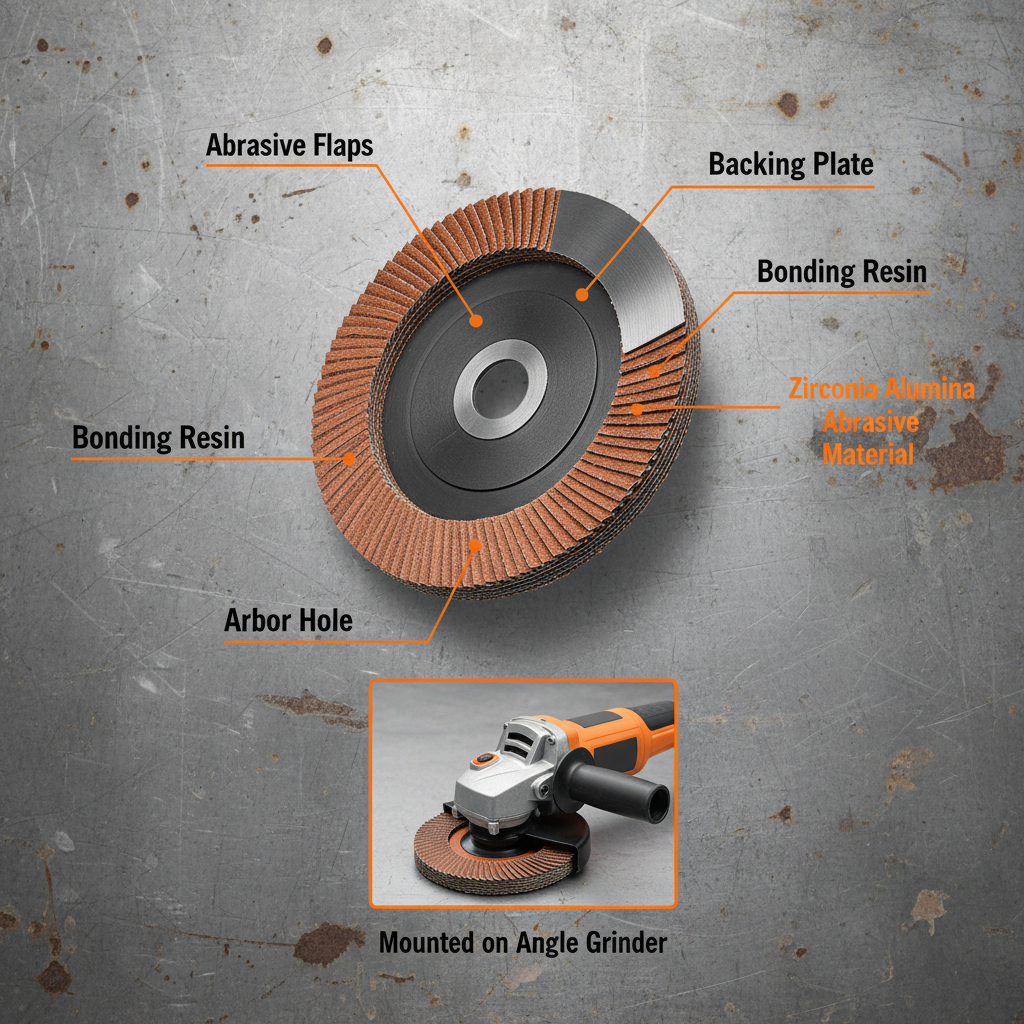
Understanding Flap Disc Construction and Materials
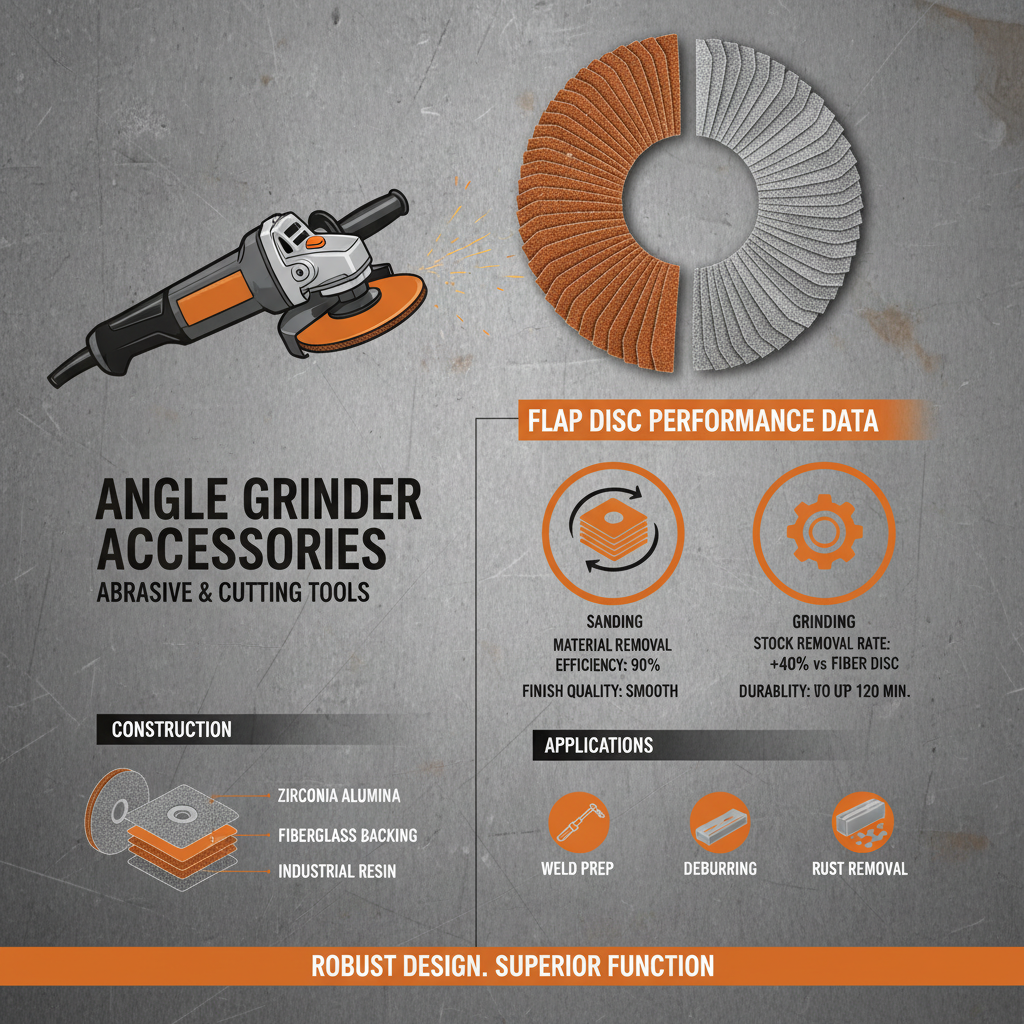
A flap disc consists of abrasive flaps bonded to a backing plate. The abrasive material is typically aluminum oxide, silicon carbide, or ceramic. Aluminum oxide is the most common, offering a good balance of cost and performance for general-purpose grinding. Silicon carbide is harder and more durable, ideal for working with harder materials like stone and glass. Ceramic abrasives are the most aggressive and longest-lasting, best suited for heavy-duty applications involving stainless steel or high-alloy metals. The backing plate material can be fiberglass or plastic, with fiberglass offering greater strength and durability. The density of the flaps (coarse, medium, fine) also affects the aggressiveness of the grind and the finish achieved.
Key Takeaway: The combination of abrasive material, backing plate, and flap density determines the disc’s performance characteristics. Choosing the right combination is vital for optimal results.
Selecting the Right Grit for Your Application
The grit number on a flap disc for angle grinder indicates the size of the abrasive particles. Lower grit numbers (e.g., 36, 60) are coarser and remove material quickly, suitable for heavy grinding, deburring, and weld removal. Medium grits (e.g., 80, 120) are versatile for general-purpose grinding and blending. Higher grit numbers (e.g., 180, 240) are finer and produce a smoother finish, ideal for polishing and surface preparation. Selecting the appropriate grit depends on the material being worked and the desired outcome. Starting with a coarser grit and gradually moving to finer grits can achieve a superior finish.
Grit Selection Guide:
• Coarse (36-60): Heavy grinding, weld removal, rust removal.
• Medium (80-120): General-purpose grinding, blending, surface preparation.
• Fine (180-240): Polishing, finishing, removing light imperfections.
A Comparison of Flap Disc Materials
Choosing between aluminum oxide, silicon carbide, and ceramic flap discs requires considering the material being worked. Aluminum oxide is the most cost-effective and suitable for mild steel, carbon steel, and wood. Silicon carbide excels on harder materials like glass, stone, and non-ferrous metals. Ceramic abrasives provide the longest lifespan and highest performance on stainless steel, titanium, and other high-alloy metals. The initial cost of ceramic discs is higher, but their durability often makes them more economical in the long run for demanding applications.
Safety Considerations When Using Flap Discs
Safety is paramount when working with angle grinders and flap discs. Always wear appropriate personal protective equipment (PPE), including safety glasses, a face shield, gloves, and hearing protection. Ensure the workpiece is securely clamped or held in a vise. Never exceed the maximum RPM rating of the disc or the angle grinder. Inspect the disc for damage before each use and discard any discs that are cracked or worn. Proper training and adherence to safety procedures are essential for preventing accidents.
Where to Buy High-Quality Flap Discs
For a wide selection of high-quality flap discs, look no further than CutoffDiscs.com. We offer a diverse range of grits, materials, and sizes to meet your specific needs. Our commitment to quality and customer satisfaction ensures you'll find the perfect flap disc for your next project. We also provide expert advice to help you choose the right disc for your application.
Conclusion: Optimizing Your Grinding Performance
Selecting the appropriate flap disc for angle grinder is crucial for achieving efficient, safe, and high-quality results. By understanding the different types of abrasives, grit selections, and safety precautions, you can optimize your grinding performance and tackle a wide range of projects with confidence. Explore the comprehensive range of flap discs available at CutoffDiscs.com to find the perfect solution for your needs.
Frequently Asked Questions (FAQs)
What is the difference between a flap disc and a grinding wheel?
While both flap discs and grinding wheels are used for material removal, they differ significantly in their construction and application. Grinding wheels are typically made from abrasive grains bonded together with a matrix material, offering a more aggressive but less controlled cut. Flap discs, with their overlapping abrasive flaps, provide a smoother, more blended finish and are better suited for contouring, deburring, and weld removal. Flap discs also tend to produce less heat and are less prone to gouging compared to grinding wheels.
Can I use a flap disc on any angle grinder?
Not necessarily. It's crucial to ensure the flap disc's maximum RPM rating matches or exceeds the angle grinder's RPM. Using a disc with a lower RPM rating can cause it to shatter, posing a serious safety risk. Always check the disc and grinder specifications before use. Also, confirm the disc's arbor size is compatible with your grinder.
How long should a flap disc last?
The lifespan of a flap disc depends on several factors, including the material being worked, the grit, the pressure applied, and the frequency of use. Ceramic abrasives generally last the longest, followed by silicon carbide and then aluminum oxide. As the disc wears, the flaps will become shorter and less effective. Discard the disc when the flaps are significantly worn or damaged, or when it no longer delivers the desired grinding performance.
What is the best way to store flap discs?
Store flap discs in a dry, climate-controlled environment, away from direct sunlight and moisture. Moisture can cause the abrasive material to degrade and the backing plate to warp. Keep them in their original packaging or in a dedicated storage container to protect them from damage. Avoid dropping or stacking heavy objects on top of the discs.
Post time:Mar - 17 - 2026