The 4 1/2 Masonry Cut Off Wheel: A Trusted Companion on the Job
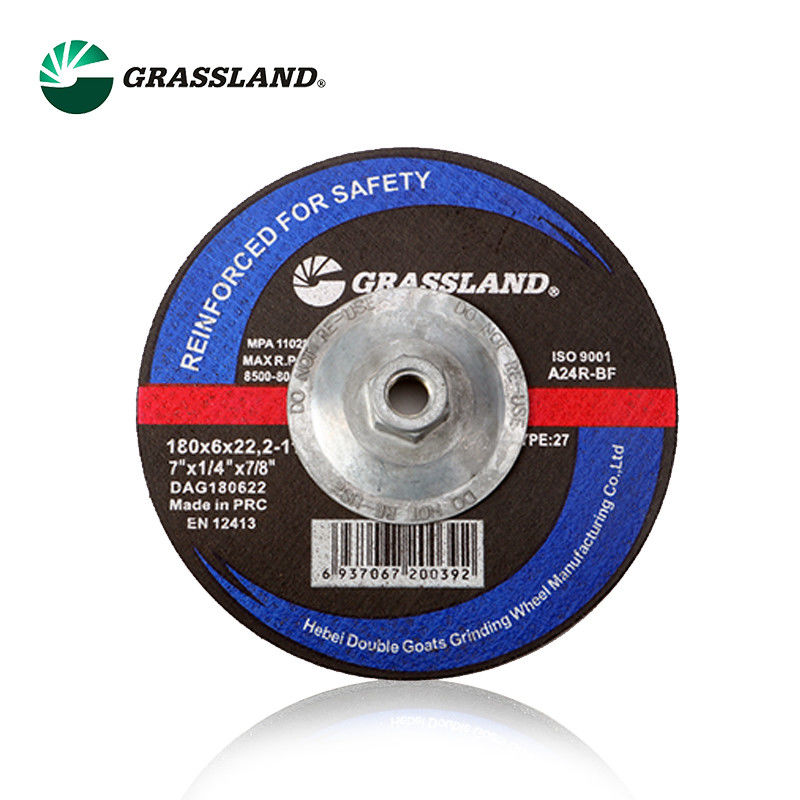
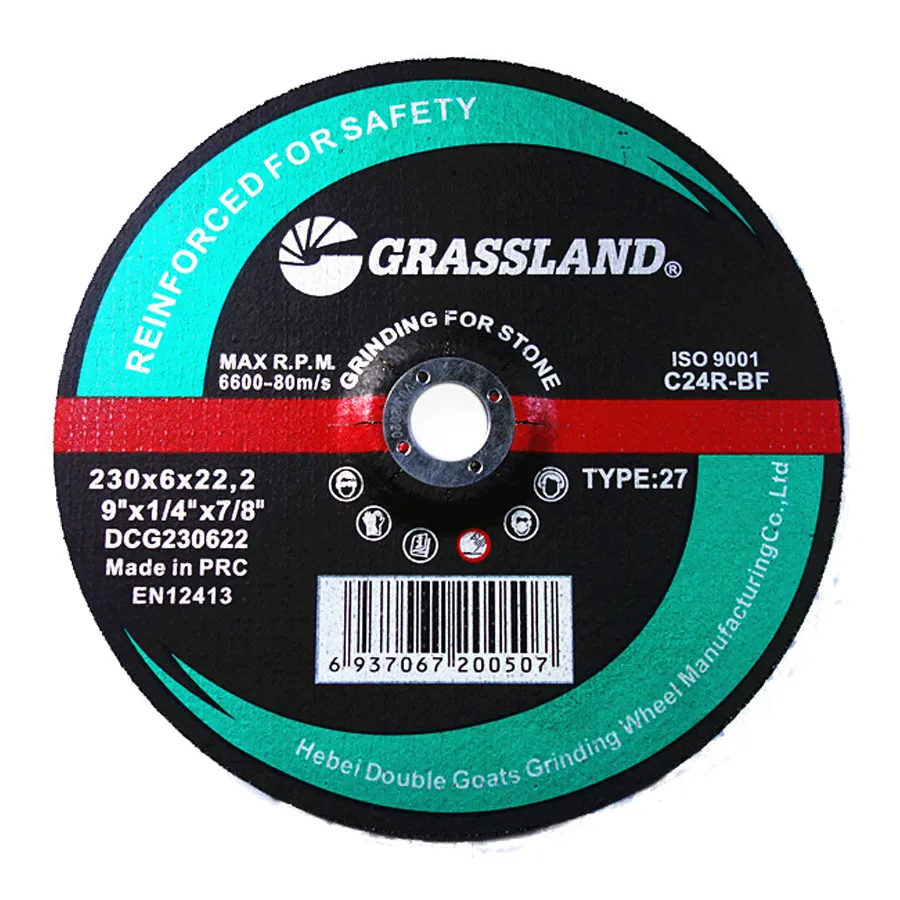
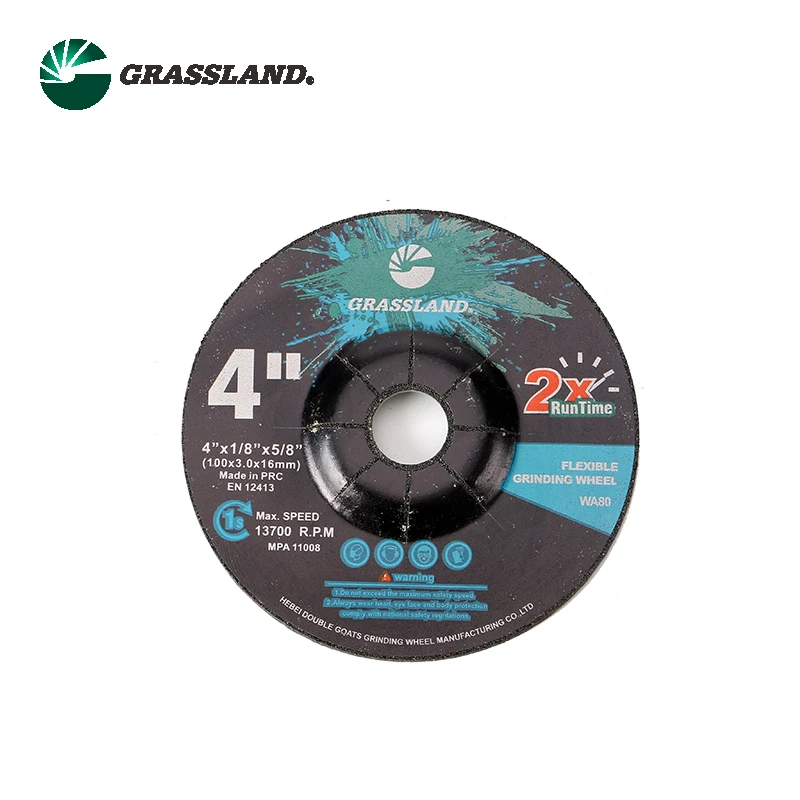
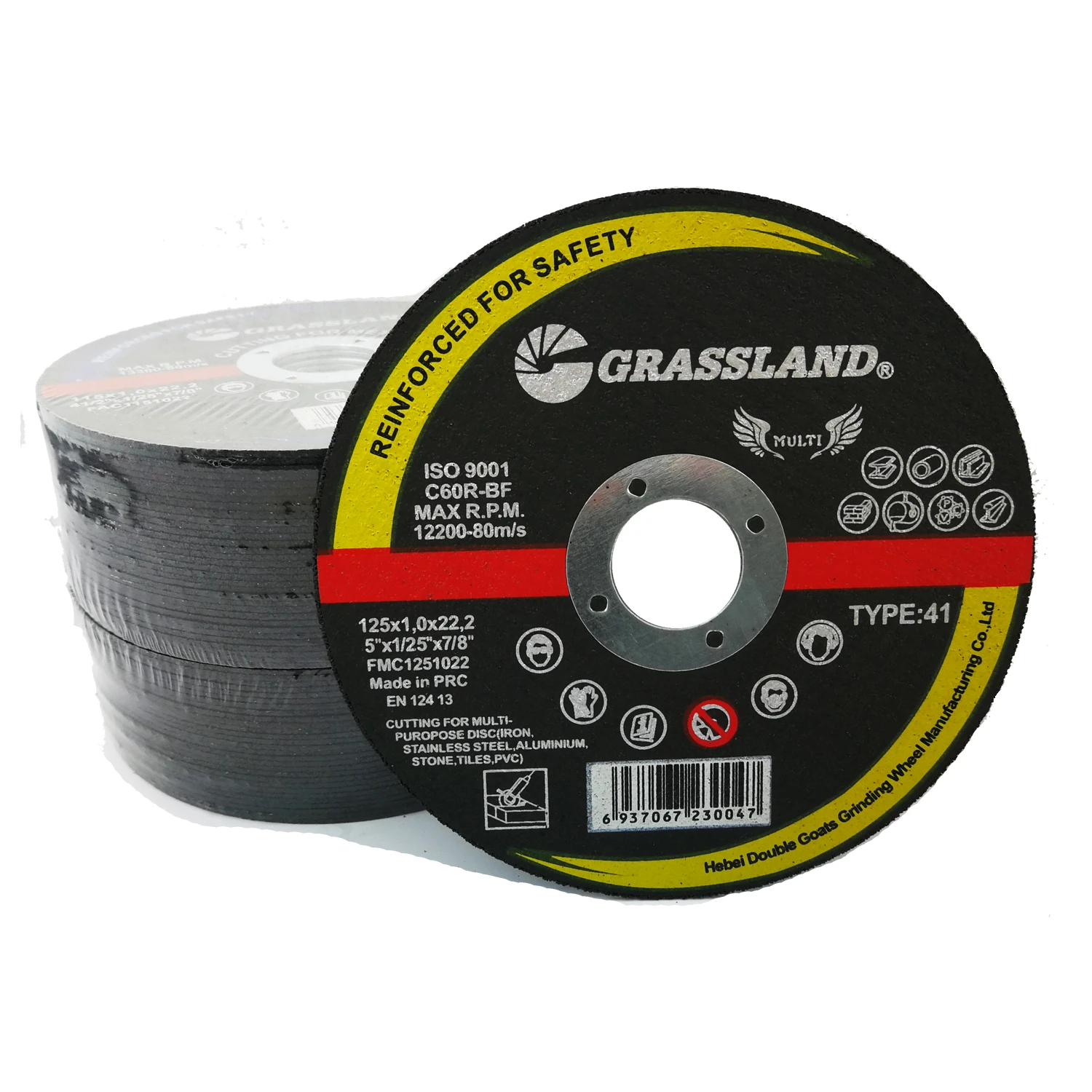
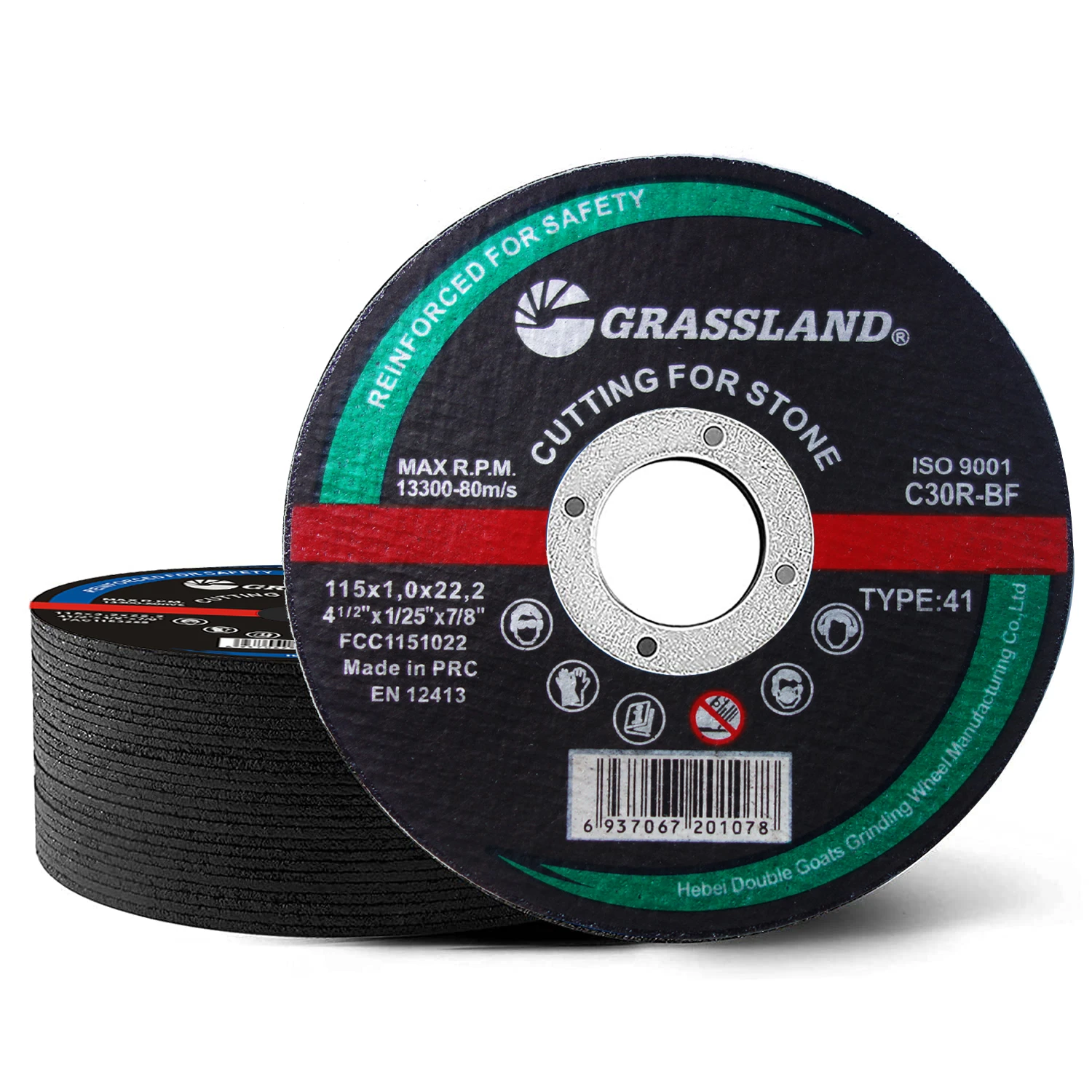
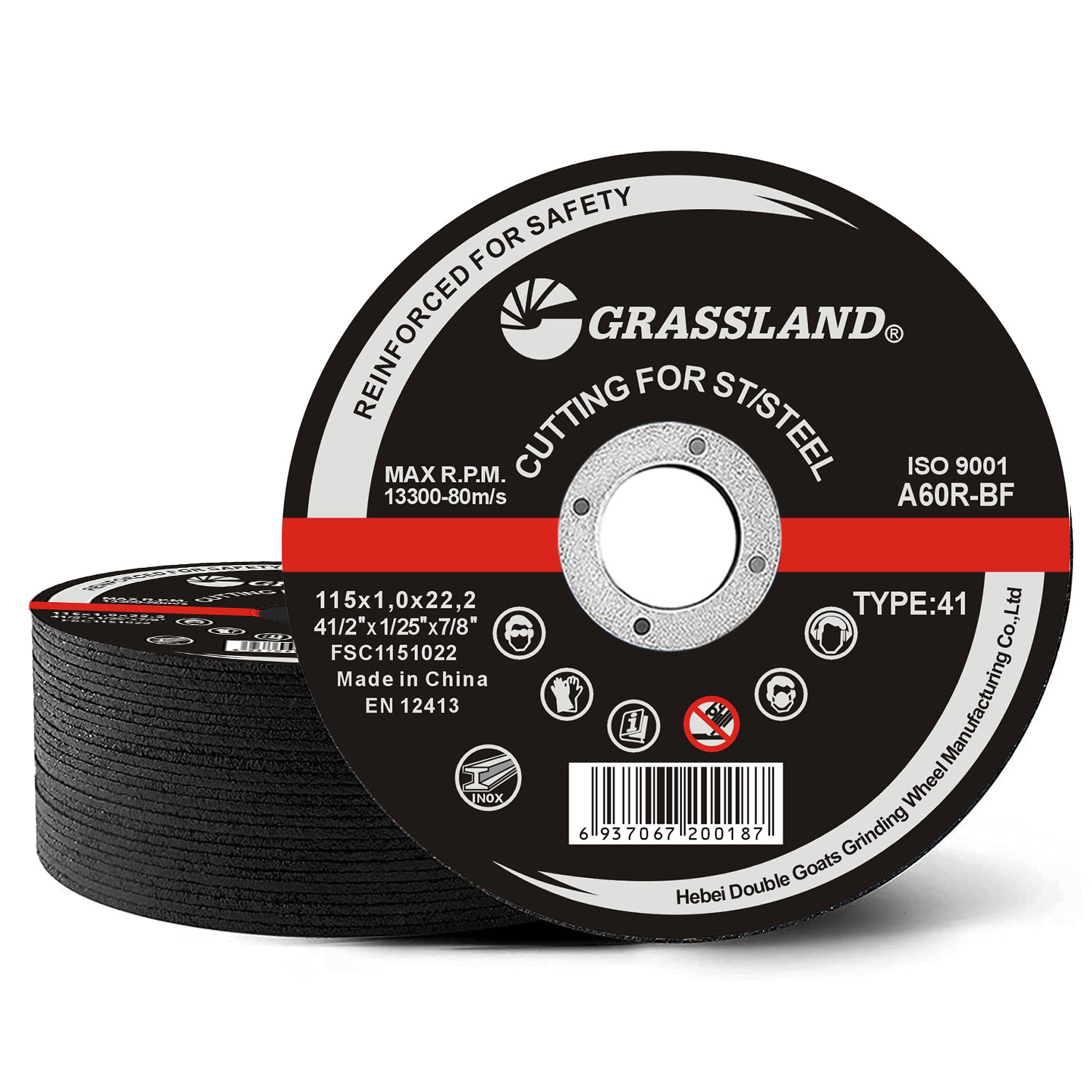
Having been in the industrial equipment sector for over a decade, I’ve handled more cut off wheels than I can count. One that often comes up—and frankly, one I find myself recommending time and again—is the 4 1/2 masonry cut off wheel. Whether you’re slicing through brick, concrete, or stone, this trusty abrasive disc is surprisingly versatile and well-suited to demanding jobs.
Now, in real terms, what makes this wheel stand out? Well, for starters, its 4 1/2 inch diameter is a sweet spot: small enough for maneuverability yet large enough to handle thick cuts efficiently without burning out too fast. The abrasive grit on these wheels is typically aluminum oxide or a silicon carbide mix, designed specifically for masonry materials. I’ve noticed that when you choose the right grit and thickness, the cuts remain clean and dust generation somewhat manageable—important on indoor or renovation projects.
Over the years, I’ve also come to appreciate the way manufacturers engineer the resin bond holding the abrasive grains. It’s a delicate balance: too soft and the wheel wears down too quickly; too hard and it won’t “self-sharpen,” which means slower cuts and overheating. One supplier I trust uses a phenolic resin formula that really seems to offer durability combined with toughness, which translates to fewer wheel changes, less downtime.
Speaking of which, here’s a quick spec overview, based on industry-standard 4 1/2” masonry cut off wheels:
| Spec | Details |
|---|---|
| Diameter | 4 1/2 inches (115 mm) |
| Thickness | 1.0 mm – 1.6 mm typical |
| Max RPM | 13,300 – 14,300 |
| Bond Type | Phenolic resin |
| Abrasive Type | Aluminum Oxide / Silicon Carbide |
| Application | Masonry, Concrete, Brick, Stone cutting |
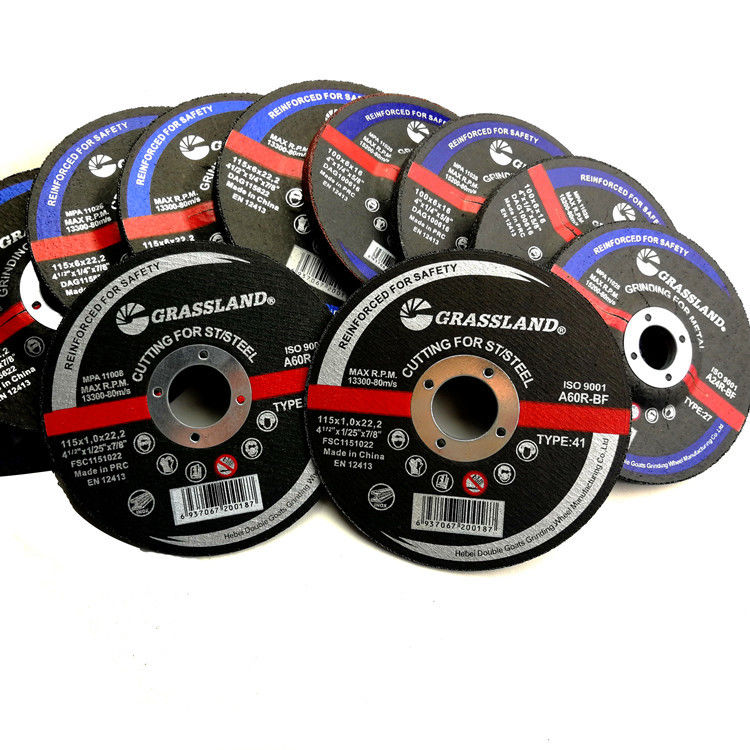
Of course, product specs only tell part of the story. Choosing a vendor can be tricky—price, quality, availability, and support all matter deeply. Oddly enough, I’ve seen that sometimes the cheapest discs aren’t the best value once you factor in breakage and shorter lifespan. Conversely, premium brands might cost more upfront but last several cuts longer, saving headaches and money.
Here’s a rough comparison of typical vendors I’ve encountered:
| Vendor | Price Range | Quality | Typical Lifespan | Availability |
|---|---|---|---|---|
| Brand A | $$ | Good | Moderate (30-40 cuts) | Wide |
| Brand B | $ | Fair | Lower (20-30 cuts) | Moderate |
| Brand C (Premium) | $$$ | Excellent | High (50+ cuts) | Select |
Custom wheels are also a thing. I once worked with a contractor who needed something a little thicker for heavy stone cutting—standard widths just didn’t hold up well on their jobsite. Getting customized resin bonds and abrasive grades made a noticeable difference. Not every vendor offers this, so it’s worth asking if you have unique needs.
It’s also important to consider safety: speed ratings must never be ignored, and wearing proper eye, ear, and respiratory protection is mandatory. Dust masks are a must especially when cutting masonry—silica dust is no joke. You’d be surprised how often I’ve seen operators skimp on this when deadlines loom, but honestly, it’s a risk not worth taking.
On a lighter note, I once noticed a longtime user who called his trusty 4 1/2 masonry cut off wheel his "workhorse"—not just because it performed well, but because it rarely let him down in tight spots or cold mornings. There’s something about tools that just fit into the rhythm of daily work that feels quite satisfying.
In short, the 4 1/2 masonry cut off wheel is among those small but mighty work essentials. It’s not glamorous, but for those of us who’ve spent hours on construction sites cutting through unforgiving materials, it’s kind of a quiet hero.
If you’re in the market, consider the balance of cost, quality, and application. And don’t forget to maintain—or better yet, upgrade—your safety gear along with your cutting discs.
Takeaway: A solid cut off wheel makes all the difference—it’s about consistency, durability, and trust on the worksite.
- "Material Abrasive Technologies, 2023: Abrasive Disc Bonding and Performance," Industrial Journal.
- "Safety Recommendations for Masonry Cutting," OSHA Guidelines, 2022.
- "Field Report: Masonry Tools Longevity," Construction Equipment Weekly, 2021.
Post time:Jan - 03 - 2026