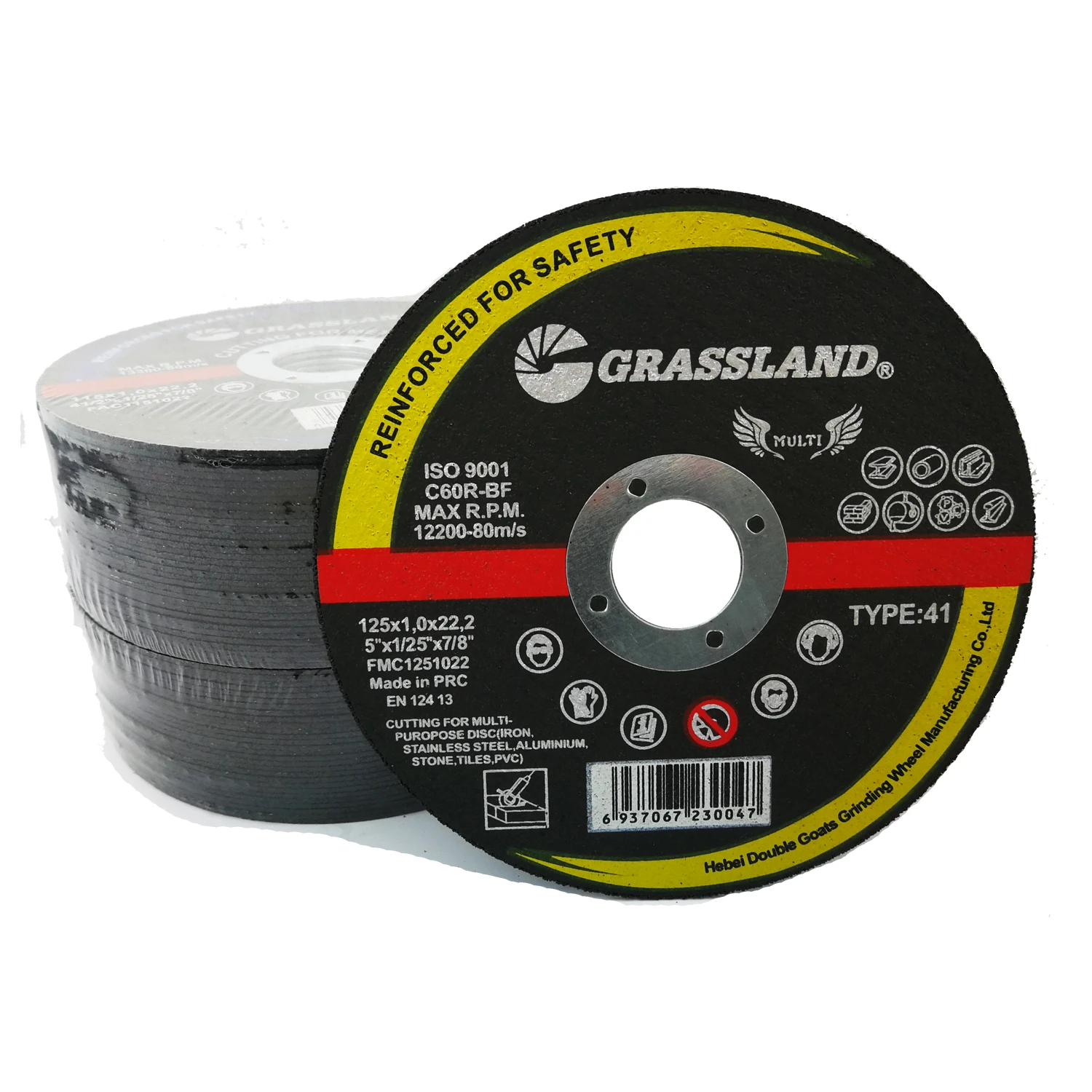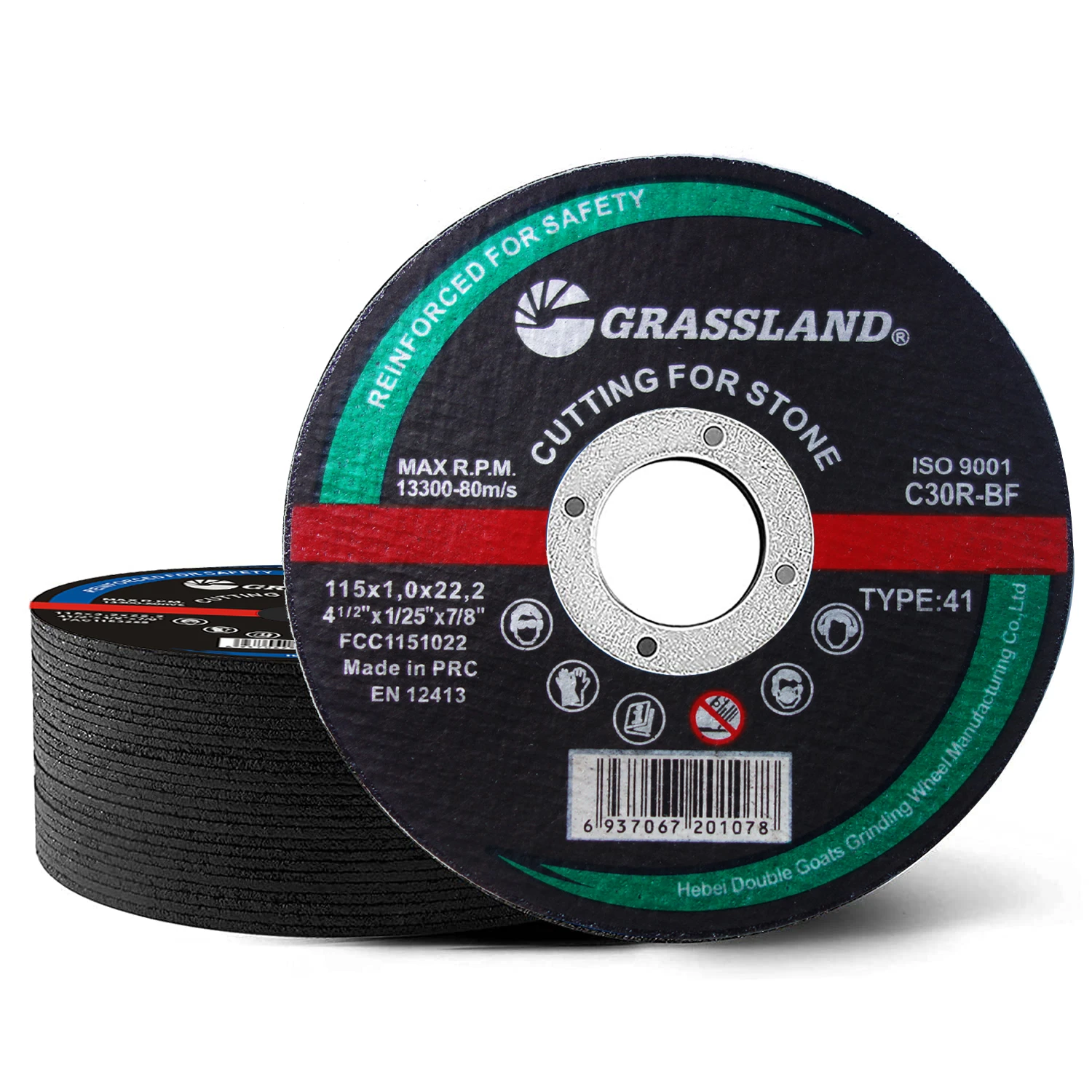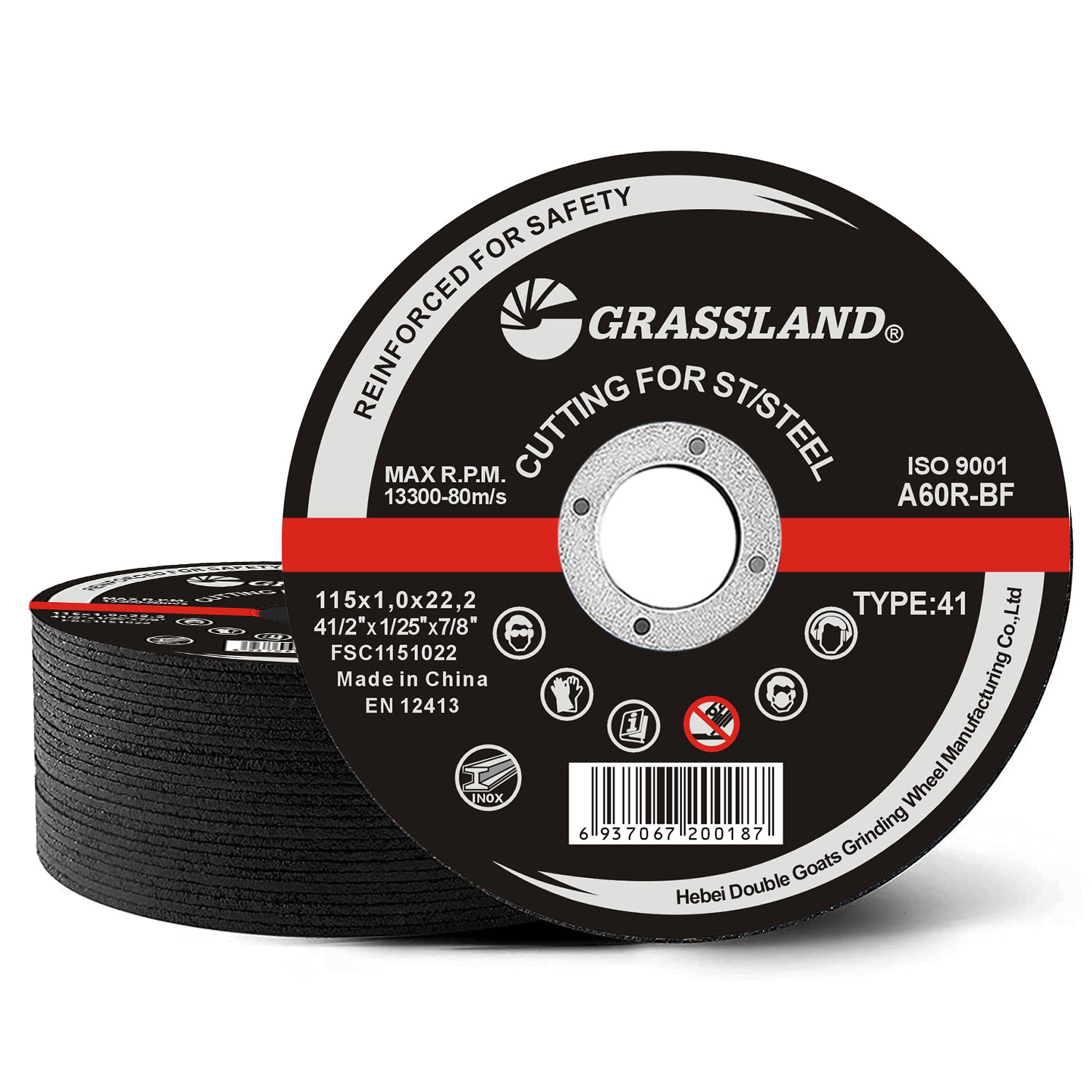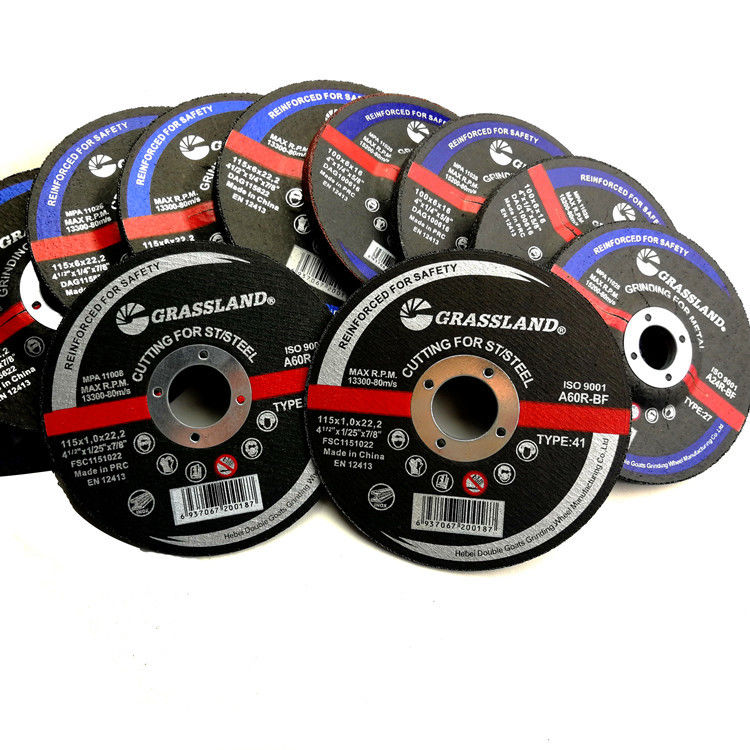
125mm Stone Grinding Disc: A Veteran’s Take on Precision and Performance
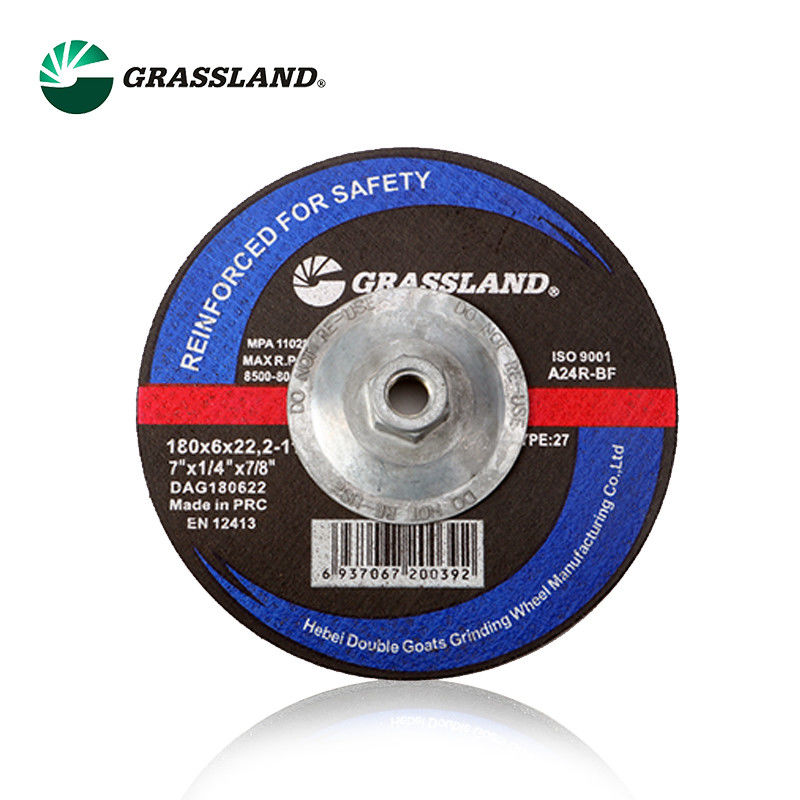
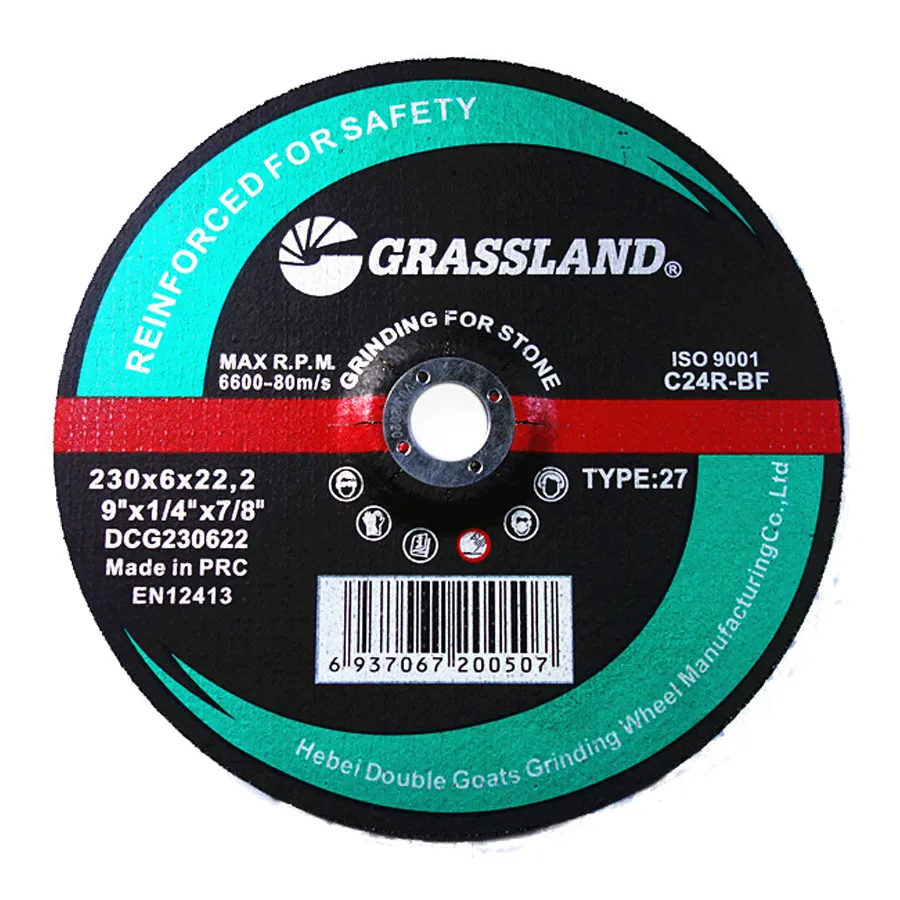
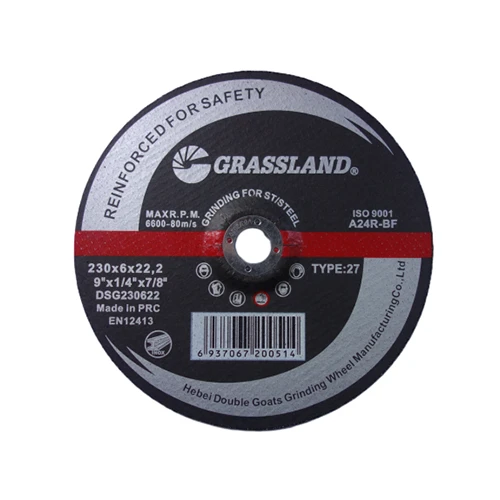
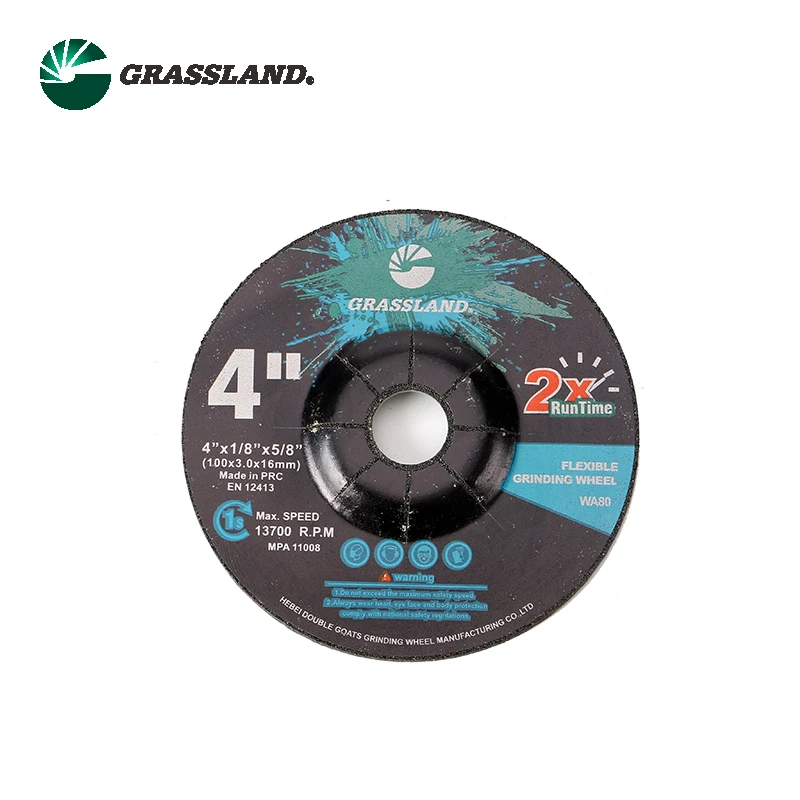
Having spent well over a decade in industrial equipment, I’ve seen my fair share of abrasives. Yet the 125mm stone grinding disc always manages to stand out for both versatility and practicality. Oddly enough, it’s one of those tools that feels simple on the surface but really demands good design and quality materials to perform reliably—especially in tough conditions.
When we talk about stone grinding discs at this size, most operators I’ve worked alongside look for four key things: durability, cutting speed, debris control, and compatibility with their grinders. Now, in real terms, the 125mm diameter is a sweet spot — big enough to handle serious job-site stone, but small enough for great maneuverability. And, frankly, that balance can often be the difference between a clean cut and endless sparks flying everywhere.
Materials used in these discs are typically a mix of aluminum oxide or silicon carbide grains bound by resin. I noticed a strong shift over the last few years toward resin-bonded discs with ceramic-enhanced abrasives. They don't just grind stone; they practically sculpt it with more precision and less heat buildup. For instance, in several projects involving granite slabs, the higher-grade ceramic resin discs cut noticeably smoother and lasted longer than the older versions. It’s not just marketing fluff—wear tests back this up pretty solidly.
| Specification | Details |
|---|---|
| Diameter | 125mm (5 inches) |
| Arbor Size | 22.23mm (7/8 inch) |
| Grit Type | Aluminum Oxide / Silicon Carbide / Ceramic |
| Bonding Material | Resin bond (with variations) |
| Max RPM | 12,250 RPM |
| Applications | Stone, concrete, masonry grinding and smoothing |
One practical thing I often emphasize to newcomers is the importance of matching the disc’s RPM rating with the grinder’s speed. You don’t want to push a disc beyond its limits. Last year, a rookie at a site nearly ruined a batch of premium discs by ignoring that. It’s a classic “learn the hard way” moment, but, you know, these things stick with you.
Comparing brands, I’ve tracked several making solid 125mm stone grinding discs. Here’s a straightforward comparison that might clear some fog when you’re choosing:
| Vendor | Material Quality | Longevity | Cost Efficiency | Availability |
|---|---|---|---|---|
| Brand A | High-grade ceramic resin | Excellent (100+ cuts per disc) | Moderate | Broad; widely stocked |
| Brand B | Standard aluminum oxide | Good (70-90 cuts per disc) | Lower cost | Moderate |
| Brand C | Silicon carbide mix | Variable (depends on stone type) | Higher price | Limited |
Speaking with engineers and contractors, many emphasize the need for consistency in manufacturing. They want discs that won’t vary wildly from batch to batch — especially on large projects where downtime or mistakes cost real money. Personally, I’ve seen some vendors do much better in this area because they invest in automated quality checks and source superior raw materials. This matters. It really does.
One anecdote that sticks with me is from a custom kitchen countertop install. The stone masons were impressed at how a batch of 125mm stone grinding discs handled tough quartz surfaces. Instead of chipping edges or uneven finishes, the discs allowed a polished, clean edge with fewer passes. The contractor said it saved them hours of rework. Simple things like this make a big difference on-site.
If you’re considering your next purchase, keep in mind: flat out, the best discs also come with consistent availability and the right size arbor hole — otherwise incompatible fitment can lead to costly downtime. And oh, speaking of which, make sure your suppliers provide clear speed and safety ratings, because frankly, the last thing you want on a job is chatter or vibration that messes up precision cuts.
So in a nutshell, a 125mm stone grinding disc is one of those small workhorse tools that your whole operation can depend on—once you pick the right one. I suppose you could say it’s the unsung hero in many stone fabrication and construction scenarios.
If you want to explore options or check current specs, don’t hesitate to browse reliable sources like CutOffDiscs.com for detailed product lines and updated models.
Reflecting on all this, it’s not just about disc size or grit. It’s about quality, compatibility, and the kind of supplier relationship that keeps your projects moving forward. In the end, that’s what counts.
References:
1. Industry abrasive performance tests, Abrasive Tech Journal, 2023
2. Manufacturer technical sheets, Brand A, Brand B, Brand C
3. Field notes from stone fabrication contractors, 2022–2024
Post time:Dec - 12 - 2025