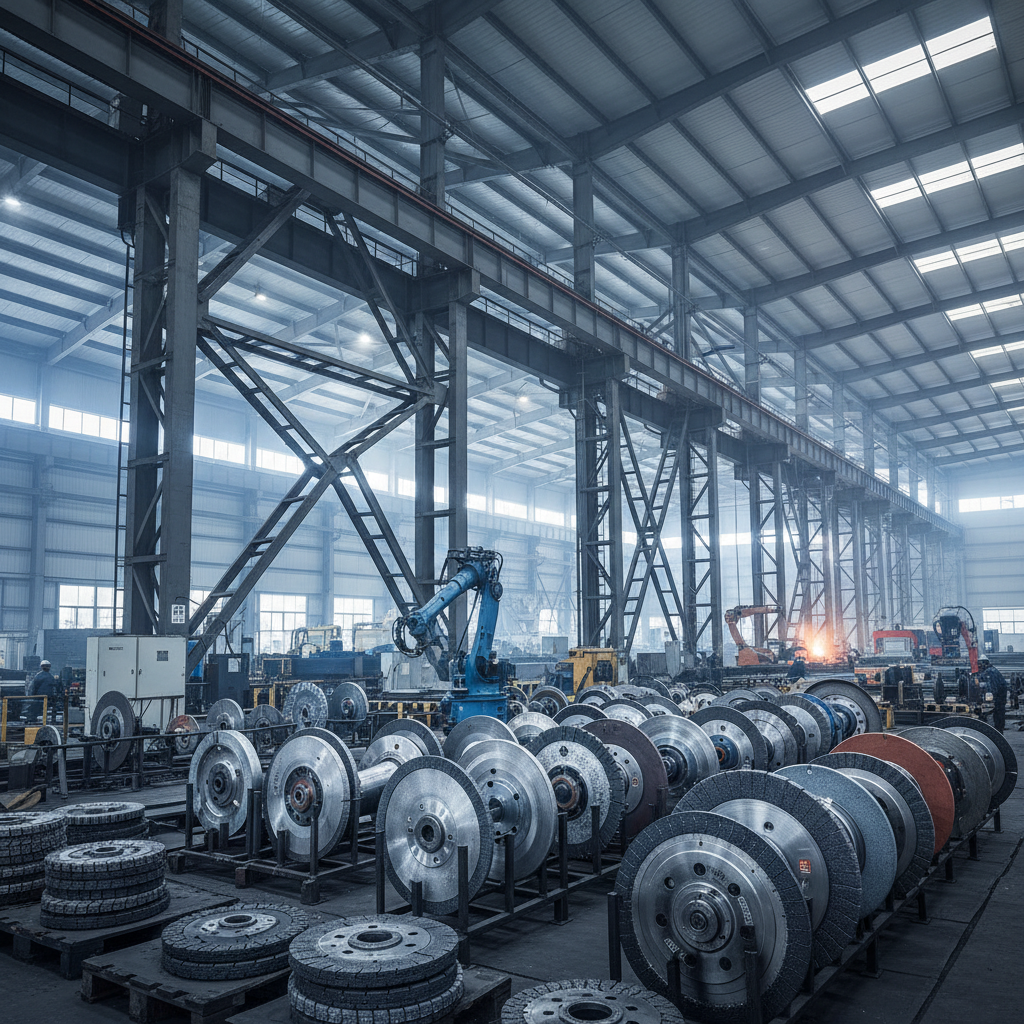
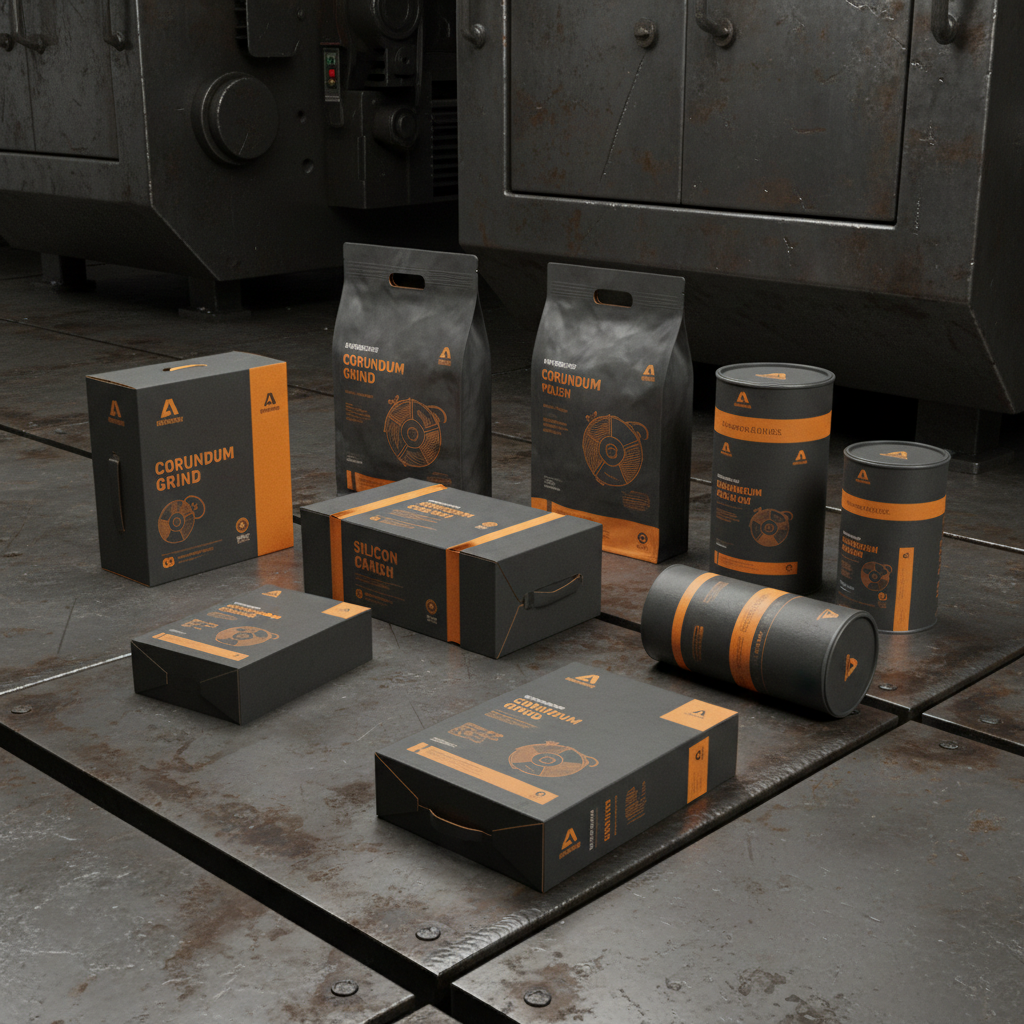
The world of material science and manufacturing relies heavily on the effective removal of material – a process fundamentally driven by abrasives. Understanding the types of abrasives used in grinding is therefore critical, impacting industries from aerospace and automotive to construction and even delicate precision engineering. These materials, in their diverse forms, dictate the efficiency, precision, and cost-effectiveness of countless operations. A deeper knowledge of these abrasives allows for optimized processes, improved product quality, and reduced waste.
Globally, the abrasive market is a multi-billion dollar industry, with continuous demand fueled by infrastructural development, technological advancements, and a growing emphasis on surface finishing and precision manufacturing. According to recent market reports, the industry is projected to grow steadily in the coming years, particularly in emerging economies. This growth necessitates a clear understanding of the various types of abrasives used in grinding and their specific applications to meet evolving industrial needs.
However, selecting the wrong abrasive can lead to inefficiencies, damage to workpieces, increased costs, and even safety hazards. This underscores the importance of understanding the nuances of abrasive characteristics and choosing the optimal material for each specific grinding application.
Introduction to Types of Abrasives Used in Grinding
The selection of the right abrasive is fundamental to successful grinding operations. Different types of abrasives used in grinding possess unique properties that make them suitable for specific materials and applications. From the hardness and grit size to the bond type and wheel shape, each factor contributes to the final outcome.
Understanding these intricacies allows engineers and machinists to optimize grinding processes for maximum efficiency, precision, and surface finish quality. This knowledge translates directly into reduced production costs, minimized material waste, and enhanced product performance.
Defining Abrasives and Their Role
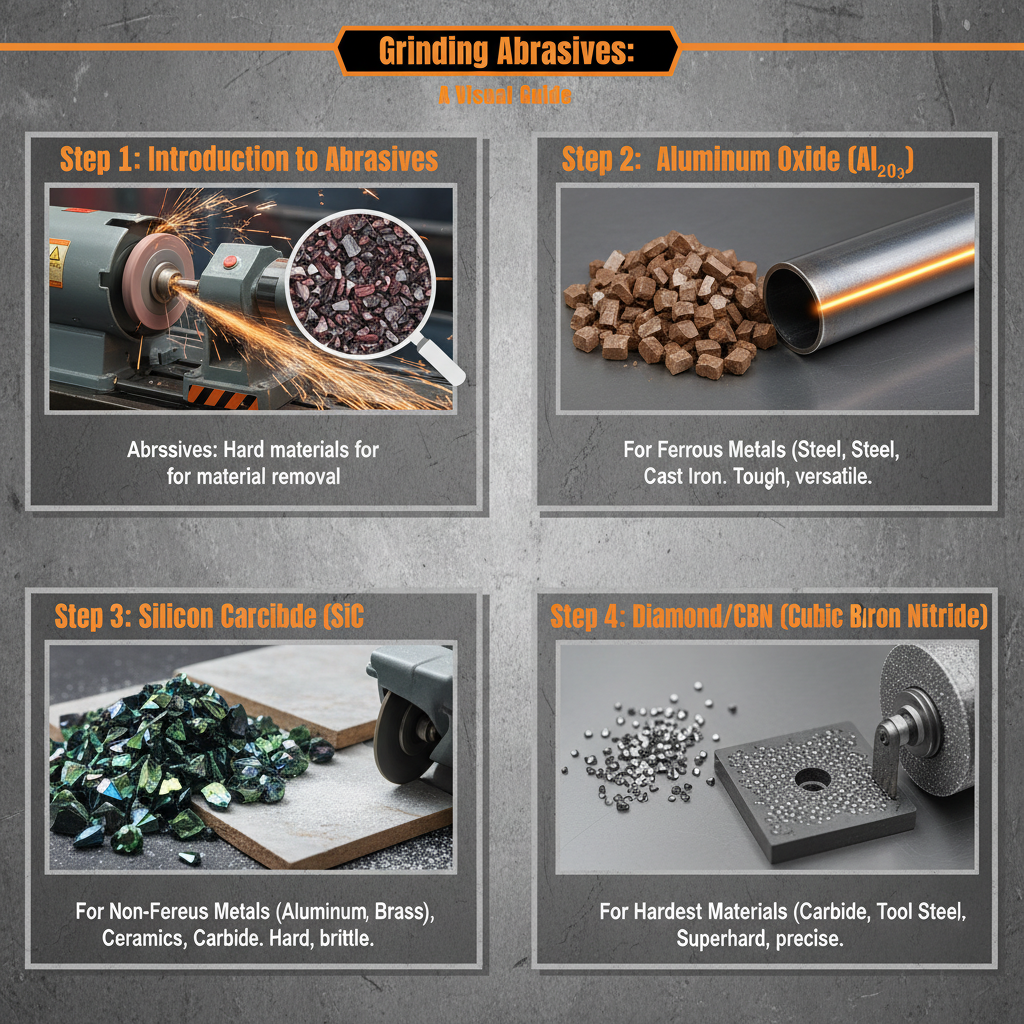
Abrasives are hard materials used to shape or finish a workpiece through rubbing or grinding. The types of abrasives used in grinding can be categorized broadly into natural and synthetic abrasives. Natural abrasives, like diamond, corundum, and garnet, have been utilized for centuries, while synthetic abrasives, such as silicon carbide and aluminum oxide, are engineered for specific properties and consistent performance.
The role of abrasives extends beyond simple material removal. They are essential for achieving precise dimensions, smooth surface finishes, and desired edge profiles. Grinding is often the final step in manufacturing processes, ensuring that components meet stringent quality standards. This is particularly crucial in industries like aerospace, automotive, and medical device manufacturing.
Essentially, abrasives bridge the gap between raw material and finished product, enabling the creation of complex and high-precision components that are integral to modern technology and infrastructure.
Core Characteristics of Grinding Abrasives
Several key characteristics define the performance of types of abrasives used in grinding. Hardness is paramount, determining the abrasive's ability to cut through the workpiece material. Grit size dictates the fineness of the cut, with coarser grits for rapid material removal and finer grits for producing smooth surface finishes.
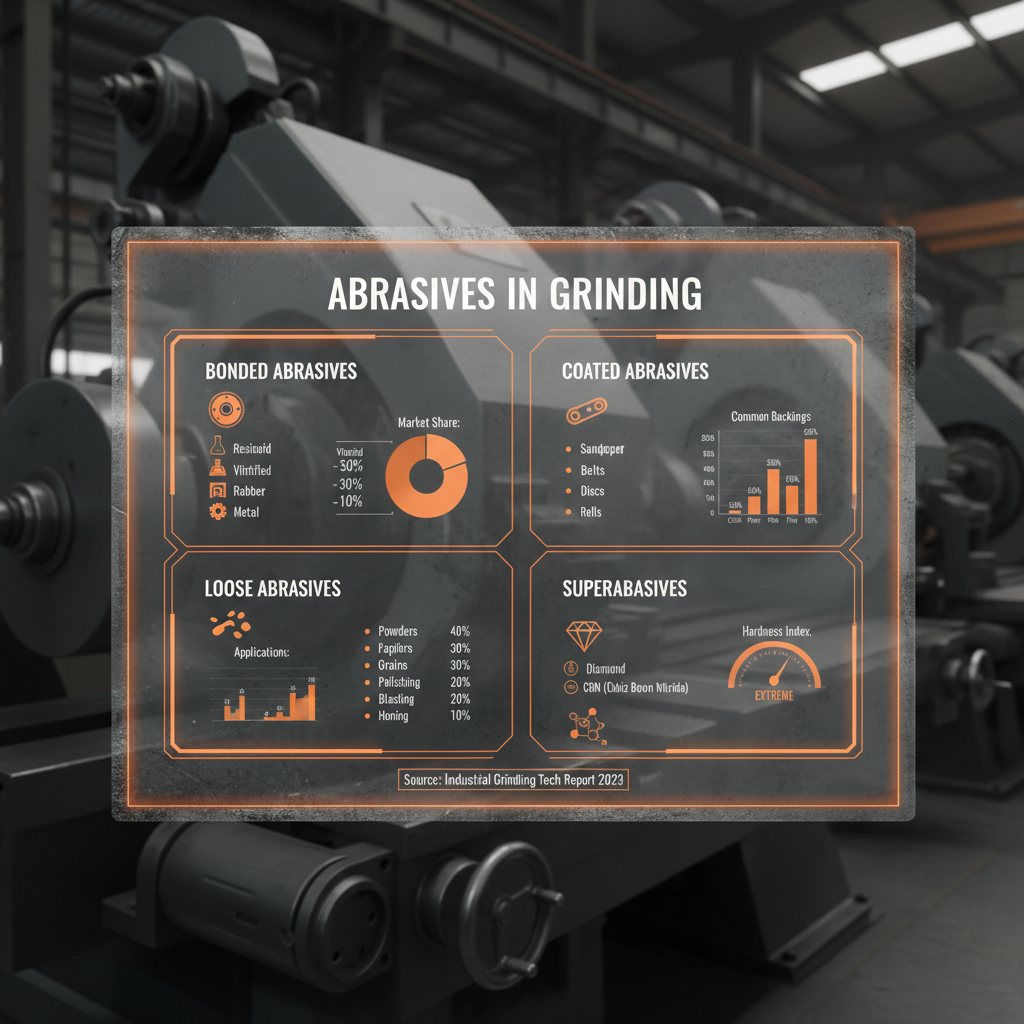
Another critical factor is the abrasive's toughness, which refers to its resistance to fracture. A tougher abrasive can withstand higher stresses and last longer. The bond type, which holds the abrasive grains together in a wheel or disc, also significantly impacts performance, influencing factors like wheel life, cutting speed, and surface finish.
Finally, the shape and distribution of the abrasive grains play a crucial role. Sharp, angular grains are more aggressive cutters, while rounded grains are better suited for polishing and refining surfaces. Understanding these properties allows for optimal abrasive selection based on the specific grinding requirements.
Practical Applications Across Industries
The types of abrasives used in grinding find diverse applications across numerous industries. In the aerospace sector, precision grinding is crucial for manufacturing turbine blades, landing gear components, and other critical parts. Automotive manufacturing relies on abrasives for finishing engine blocks, brake rotors, and body panels.
The construction industry utilizes abrasive tools for cutting concrete, stone, and asphalt. Metal fabrication employs abrasives for deburring, weld preparation, and surface finishing. Even in the medical device industry, abrasives are used to create precision instruments and implants.
Grinding Abrasive Performance Comparison
Advantages and Long-Term Value Proposition
Utilizing the correct types of abrasives used in grinding yields numerous tangible benefits. Optimized grinding processes reduce cycle times, lower energy consumption, and minimize material waste, leading to significant cost savings. Improved surface finishes enhance product quality, durability, and aesthetic appeal.
Moreover, selecting abrasives with longer lifespans minimizes downtime for wheel changes and reduces the overall cost of tooling. A focus on safety, achieved through appropriate abrasive selection and proper handling procedures, protects workers and minimizes the risk of accidents.
Future Trends in Abrasive Technology
The field of abrasive technology is constantly evolving. Current research focuses on developing new abrasive materials with enhanced hardness, toughness, and self-sharpening properties. Nanotechnology is playing an increasingly significant role, with nano-sized abrasive particles offering improved cutting performance and surface finishes.
Another trend is the development of more environmentally friendly abrasives, reducing the use of harmful chemicals and minimizing waste. Automation and robotics are also being integrated into grinding processes, leading to increased efficiency, precision, and consistency.
Furthermore, the integration of digital technologies, such as sensors and data analytics, is enabling real-time monitoring and optimization of grinding processes, allowing for proactive adjustments and improved performance.
Challenges and Innovative Solutions
Despite advancements, challenges remain in the field of abrasive grinding. A common issue is abrasive wear, which leads to reduced cutting efficiency and increased costs. Another challenge is managing heat generation during grinding, which can damage both the workpiece and the abrasive wheel.
Innovative solutions include developing advanced bonding systems that enhance abrasive retention and heat dissipation. Utilizing cooling fluids and optimizing grinding parameters can also help mitigate heat-related issues. The development of self-dressing abrasives, which automatically maintain their cutting edge, is another promising area of research.
Finally, implementing predictive maintenance strategies, based on sensor data and machine learning algorithms, can help optimize abrasive wheel life and prevent unexpected downtime.
Summary of Abrasive Selection Criteria
| Material Being Ground |
Abrasive Hardness (Mohs Scale) |
Optimal Grit Size |
Recommended Bond Type |
| Steel |
9-10 (Aluminum Oxide, Silicon Carbide) |
80-120 |
Vitrified |
| Cast Iron |
7-9 (Aluminum Oxide) |
60-80 |
Resinoid |
| Glass |
7-8 (Silicon Carbide) |
120-220 |
Metal |
| Ceramics |
9-10 (Diamond) |
200-400 |
Vitrified |
| Aluminum |
7-8 (Silicon Carbide) |
100-180 |
Resinoid |
| Wood |
6-7 (Aluminum Oxide) |
40-60 |
Rubber |
FAQS
Aluminum oxide is generally tougher and more cost-effective, making it suitable for grinding softer materials like steel and wood. Silicon carbide, on the other hand, is harder and sharper, excelling at grinding harder materials like glass, ceramics, and non-ferrous metals. The choice depends on the workpiece material and the desired finish.
Grit size is a crucial factor. Coarser grits (lower numbers) remove material quickly but leave a rougher finish. Finer grits (higher numbers) provide a smoother finish but remove material at a slower rate. Typically, grinding operations start with a coarser grit to remove bulk material and progress to finer grits for polishing and finishing.
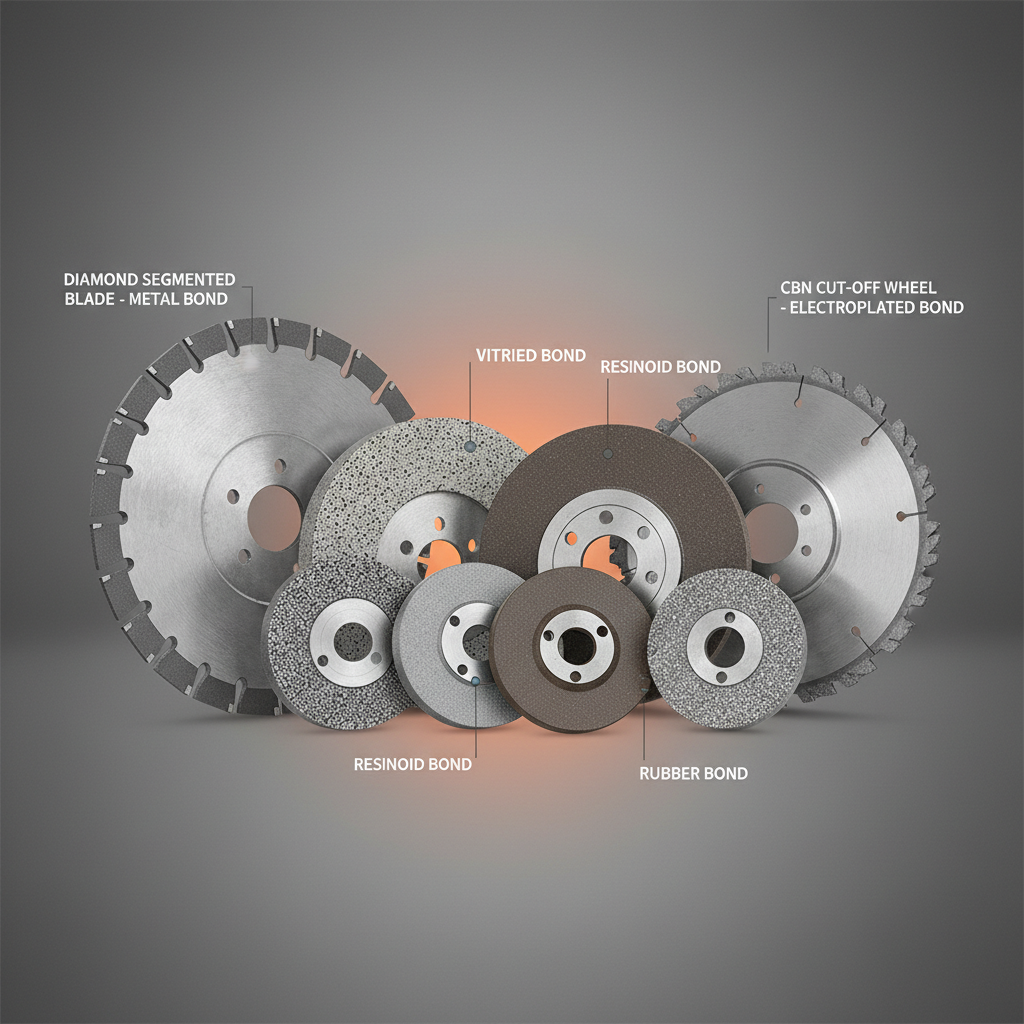
The bond holds the abrasive grains together, providing strength and shape to the wheel. The bond type (vitrified, resinoid, rubber, metal) influences the wheel’s cutting action, heat resistance, and lifespan. Vitrified bonds are common for precision grinding, while resinoid bonds are often used for aggressive stock removal.
Proper storage, dressing, and balancing are key. Store wheels in a dry environment to prevent deterioration. Regularly dress the wheel to remove dull grains and maintain a sharp cutting edge. Balance the wheel to minimize vibration and prevent premature failure.
Always wear appropriate personal protective equipment (PPE), including safety glasses, a face shield, gloves, and hearing protection. Ensure the workpiece is securely clamped. Inspect the abrasive wheel for cracks or damage before use. Use the correct grinding wheel speed.
Yes, manufacturers are increasingly developing environmentally friendly abrasives using sustainable materials and reducing the use of harmful chemicals. Bio-based abrasives and recycled abrasive materials are also emerging as viable alternatives. Look for abrasives certified for environmental compliance.
Conclusion
In conclusion, a thorough understanding of the types of abrasives used in grinding is paramount for optimizing manufacturing processes, ensuring product quality, and maximizing efficiency. From the fundamental characteristics of hardness and grit size to the latest advancements in abrasive technology, careful selection and application are crucial for achieving desired results.
Looking ahead, the continued development of innovative abrasive materials, coupled with the integration of automation and data analytics, will further enhance grinding capabilities and drive productivity. By embracing these advancements and prioritizing safety and sustainability, industries can unlock the full potential of abrasive technology for years to come. Visit our website at www.cutoffdiscs.com to learn more about our range of abrasive products and solutions.