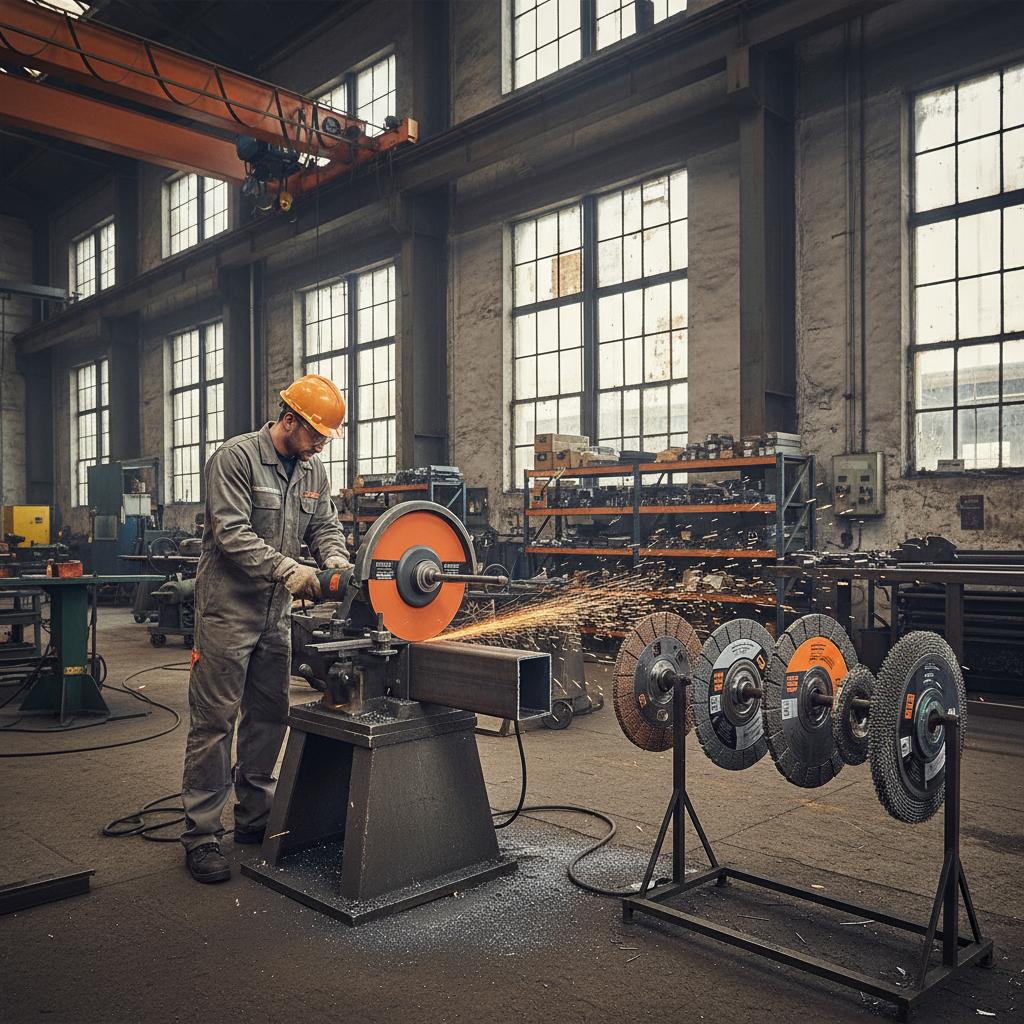
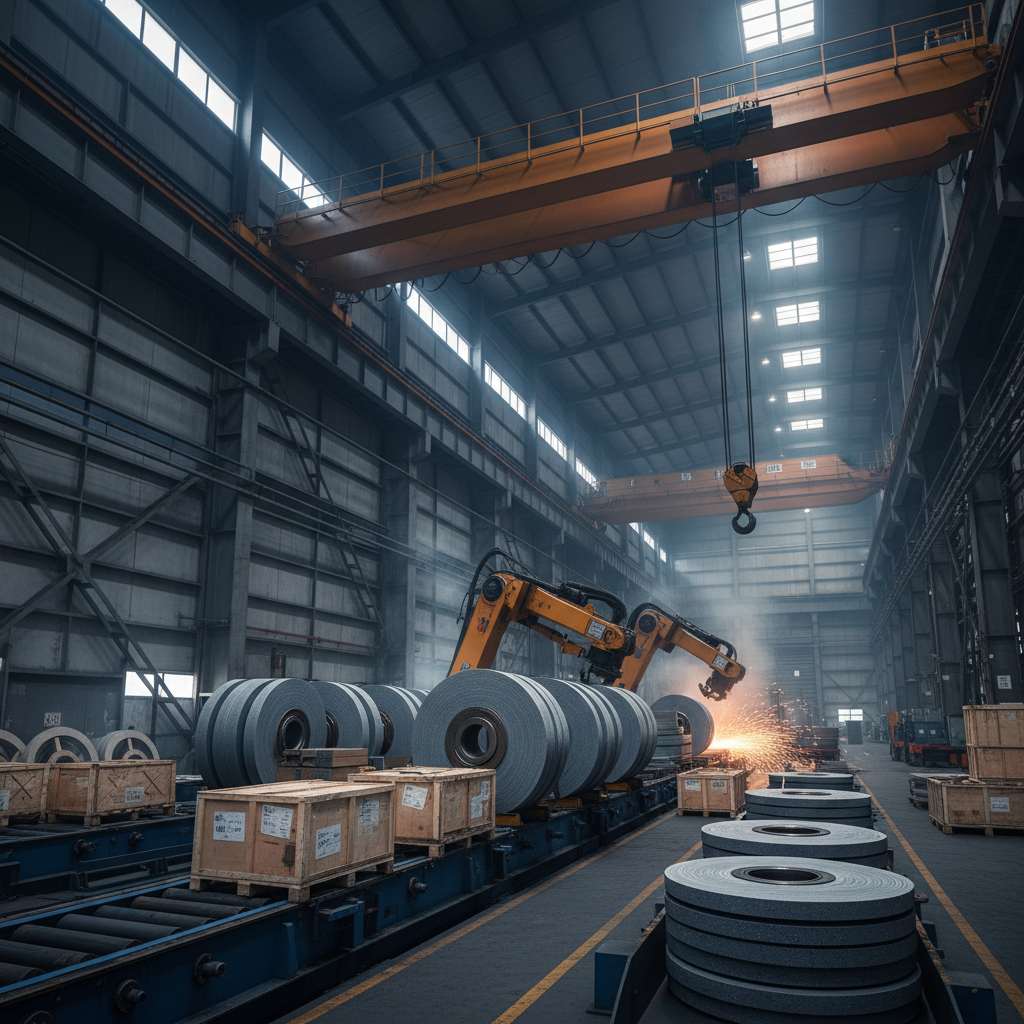
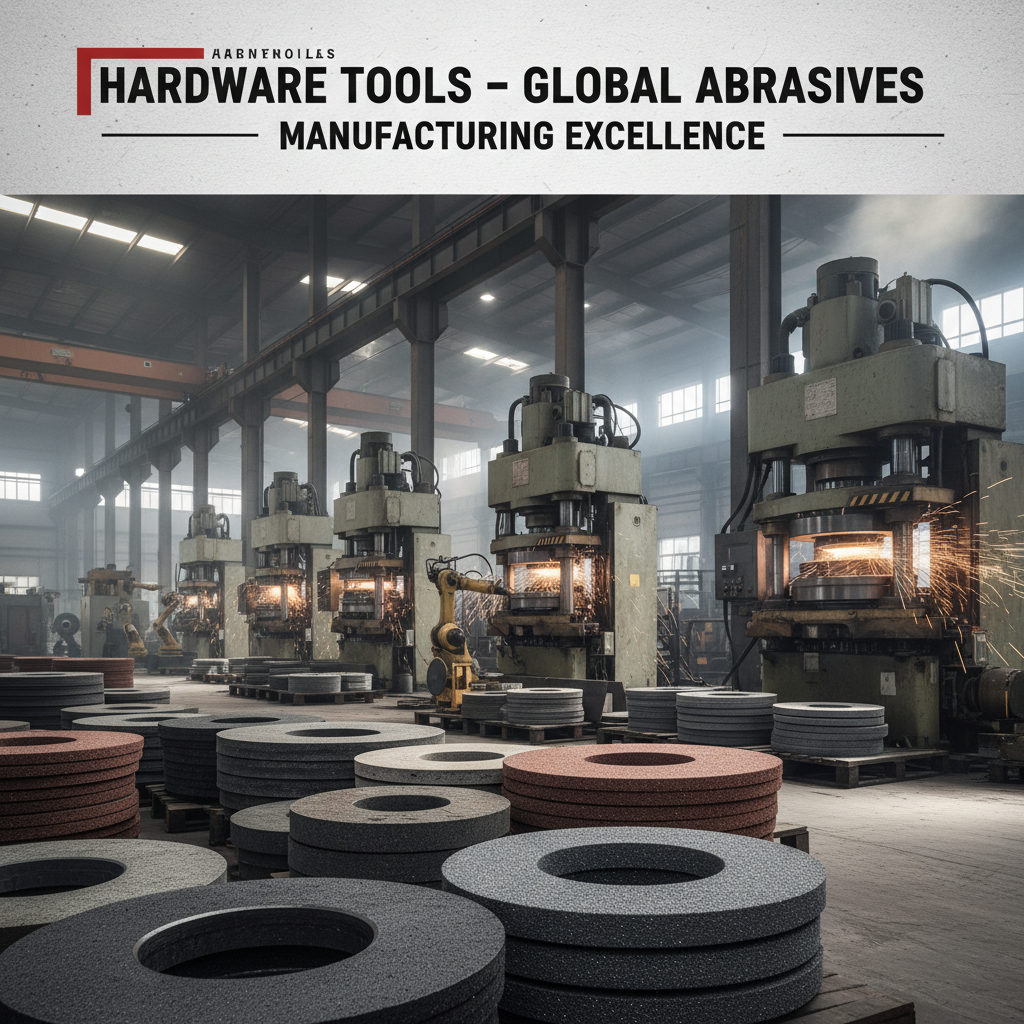
Grinder wheel types are fundamental to countless industrial processes, impacting everything from metalworking and construction to aerospace and automotive manufacturing. Understanding the nuances of these tools – their composition, abrasive materials, bonding agents, and intended applications – is critical for optimizing performance, ensuring safety, and minimizing costs. The global demand for efficient and precise grinding solutions continues to drive innovation in grinder wheel types, with advancements focusing on enhanced durability, increased cutting speeds, and reduced environmental impact. This knowledge isn’t limited to engineers and technicians; informed procurement and proper usage are essential for anyone involved in industries relying on grinding operations.
The significance of grinder wheel types extends beyond mere operational efficiency. Incorrect wheel selection or improper use can lead to catastrophic failures, resulting in workplace injuries and significant economic losses. Global safety standards, such as those established by ISO and ANSI, underscore the importance of adhering to best practices in grinder wheel selection, mounting, and inspection. Moreover, the increasing emphasis on sustainable manufacturing practices necessitates the development of grinder wheel types that minimize waste and maximize resource utilization. These factors contribute to the ongoing evolution and importance of understanding the diverse landscape of grinding technology.
Ultimately, mastering the knowledge surrounding grinder wheel types empowers businesses and individuals to achieve superior results, maintain a safe working environment, and contribute to a more sustainable future. From the smallest workshops to large-scale production facilities, the correct application of these tools is paramount for success in a competitive global market.
Introduction to grinder wheel types
The world of grinder wheel types encompasses a broad spectrum of abrasive tools designed for shaping, cutting, grinding, and polishing materials. These wheels aren’t simply one-size-fits-all solutions; they're engineered with specific characteristics to cater to diverse materials and applications. A key aspect of understanding grinder wheel types lies in recognizing the interplay between abrasive grain size, wheel hardness, and bond type.
The selection of the appropriate grinder wheel type directly influences the quality of the finished product, the speed of the operation, and the overall cost-effectiveness of the process. From rough grinding to precision finishing, each grinder wheel type serves a unique purpose, making it crucial to match the wheel to the specific task at hand.
Defining grinder wheel types
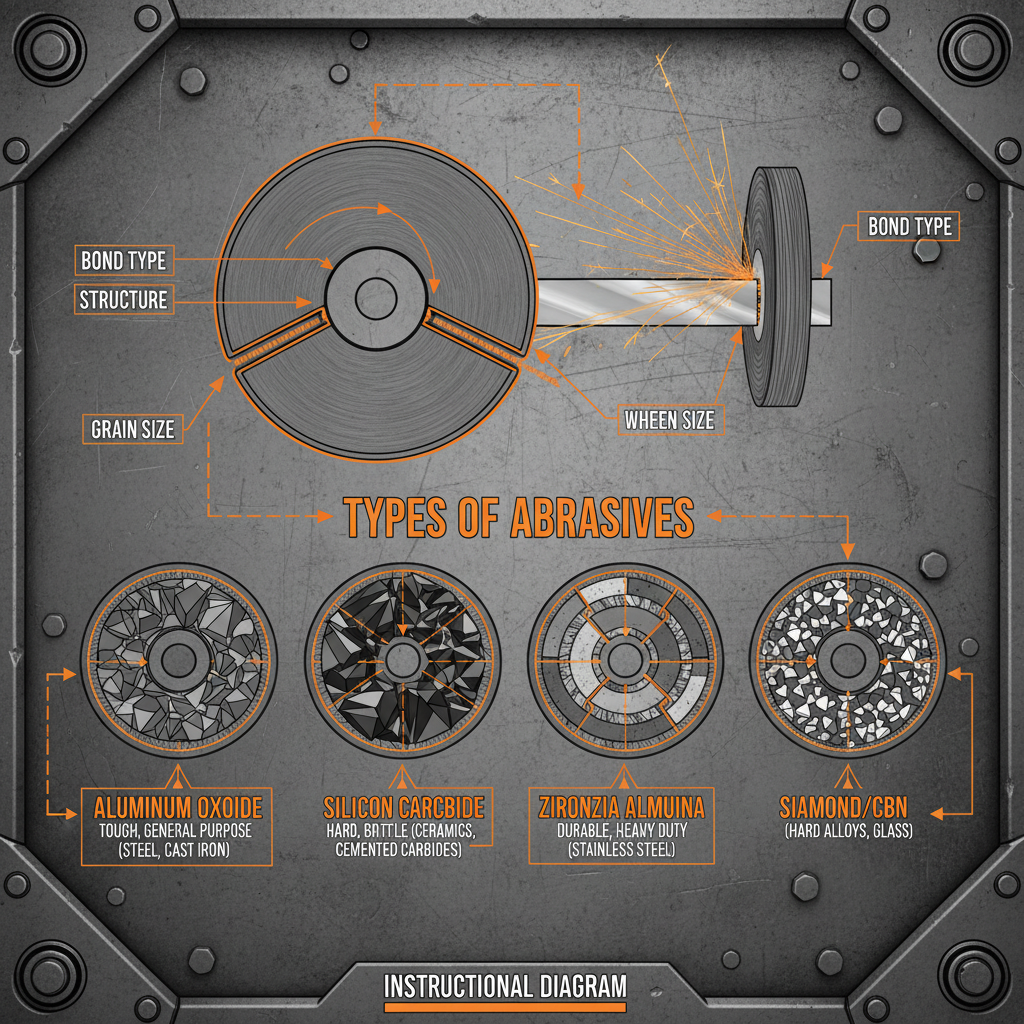
Grinder wheel types can be broadly defined as abrasive tools used in grinding machines to remove material through a cutting action. They consist of abrasive particles held together by a bonding agent. These wheels are categorized based on several key factors, including the type of abrasive grain (such as aluminum oxide, silicon carbide, and ceramic), the grit size (determining the coarseness or fineness of the abrasive), the wheel hardness (influencing its ability to maintain its shape during use), and the bond type (holding the abrasive grains together).
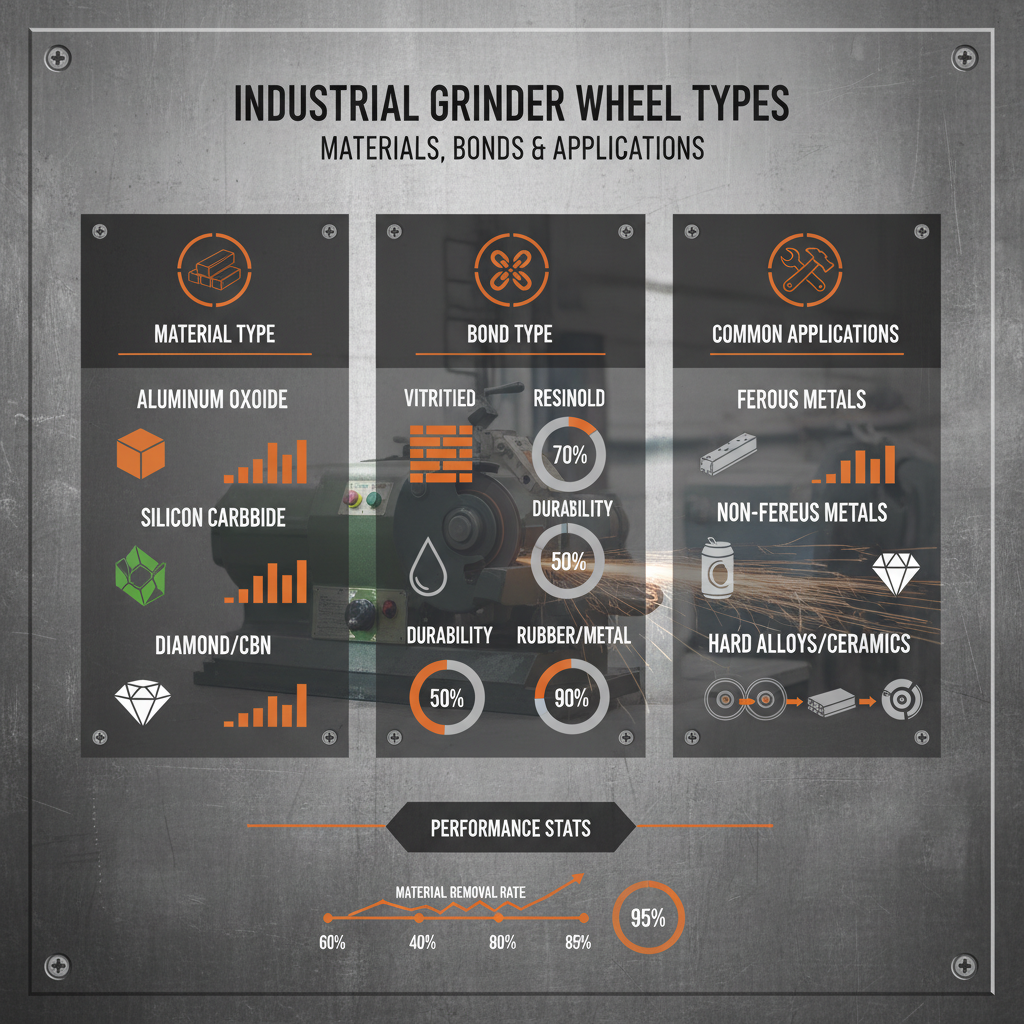
Understanding these components is vital for choosing the correct wheel for a given application. For instance, aluminum oxide wheels are commonly used for grinding ferrous metals, while silicon carbide wheels are better suited for non-ferrous materials like aluminum and glass. The grit size affects the material removal rate and surface finish, with coarser grits for rapid material removal and finer grits for precision finishing.
In modern industry, grinder wheel types are integral to processes spanning metal fabrication, automotive manufacturing, aerospace engineering, and even woodworking. They enable precision machining, surface preparation, and the creation of complex geometries that would be impossible to achieve with other methods.
Key Characteristics of Grinder Wheel Types
Several key characteristics define the performance and suitability of different grinder wheel types. Durability is paramount, impacting the wheel’s lifespan and the frequency of replacements. A durable wheel minimizes downtime and reduces overall operating costs. Another critical factor is grinding performance, which encompasses material removal rate, surface finish quality, and the ability to maintain dimensional accuracy.
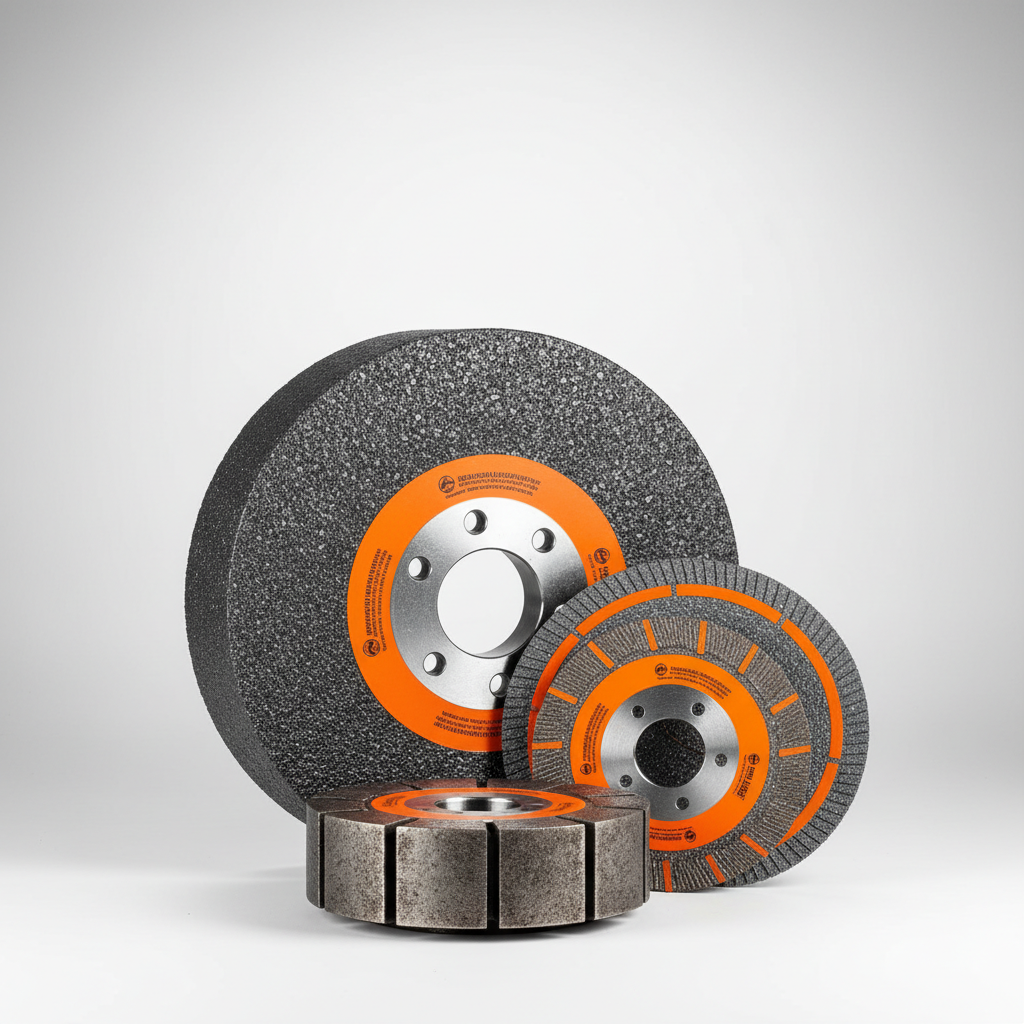
Wheel hardness, determined by the bonding agent's strength, plays a vital role. Softer wheels conform to the workpiece, providing better surface finish but wearing more quickly. Harder wheels maintain their shape longer but may be prone to chatter or glazing. Bond types (vitrified, resinoid, rubber, and metal) significantly affect wheel performance and are selected based on the material being ground and the desired outcome.
Finally, safety is a crucial consideration. Grinder wheels must be selected and used according to manufacturer's recommendations and industry safety standards to prevent fracturing or explosion. The maximum operating speed of the wheel must never be exceeded, and proper guarding should always be in place.
Global Applications of Grinder Wheel Types
Grinder wheel types find application across a remarkably diverse range of industries worldwide. In the automotive sector, they are essential for engine block machining, brake rotor finishing, and weld grinding. The aerospace industry relies heavily on precision grinding wheels for turbine blade manufacturing and structural component preparation. The construction industry utilizes grinder wheel types for cutting concrete, asphalt, and stone.
In regions with extensive metalworking operations, such as Germany, Japan, and the United States, the demand for high-quality grinder wheel types is consistently high. Developing nations undergoing rapid industrialization, like China and India, also represent significant growth markets for grinding technology. Even in remote industrial zones, effective grinding solutions are vital for infrastructure development and manufacturing processes.
Grinder Wheel Type Performance Comparison
Advantages and Long-Term Value
Utilizing the correct grinder wheel types delivers tangible benefits in terms of cost savings, improved productivity, and enhanced product quality. By selecting a wheel optimized for the specific material and application, businesses can reduce cycle times, minimize material waste, and achieve a superior surface finish, thus lowering manufacturing costs.
Beyond economic advantages, proper grinder wheel selection contributes to a safer working environment. Choosing a wheel with the appropriate specifications and adhering to safety protocols minimizes the risk of wheel failure and associated injuries. This fosters a culture of safety and builds trust with employees.
Future Trends in Grinder Wheel Types
The future of grinder wheel types is being shaped by several key trends. One significant development is the increased use of advanced abrasive materials, such as micro-abrasives and superabrasives (diamond and CBN), which offer superior cutting performance and longer wheel life. Another trend is the development of smart grinding wheels equipped with sensors that monitor wear, temperature, and vibration, providing real-time feedback to optimize grinding parameters.
Automation and robotics are also playing a growing role, with automated grinding systems utilizing advanced grinder wheel types to achieve higher levels of precision and efficiency. Furthermore, there’s increasing emphasis on sustainable grinding practices, including the development of eco-friendly bonding agents and the recycling of used abrasive materials.
Digital transformation is enhancing the capabilities of grinder wheel types as well. Predictive maintenance, enabled by data analytics and machine learning, will allow manufacturers to anticipate wheel failure and schedule replacements proactively, minimizing downtime and maximizing productivity.
Challenges and Innovative Solutions
Despite advancements, several challenges persist in the field of grinder wheel types. One common issue is wheel wear, which necessitates frequent replacements and increases operating costs. Another challenge is the potential for wheel imbalance, which can lead to vibration, chatter, and reduced grinding accuracy. Maintaining optimal wheel shape and preventing glazing are also ongoing concerns.
Innovative solutions are emerging to address these challenges. Self-dressing wheels, which automatically sharpen themselves during operation, can extend wheel life and maintain grinding performance. Dynamic balancing systems can counteract wheel imbalance in real-time, improving stability and accuracy. Advanced cooling techniques, such as through-spindle coolant delivery, can prevent overheating and reduce the risk of glazing.
The development of new bonding agents and abrasive materials continues to drive innovation, offering improved wear resistance, higher cutting speeds, and enhanced surface finish quality. Furthermore, improved training programs and standardized safety procedures are crucial for ensuring the proper selection, mounting, and operation of grinder wheel types.
Summary of Key Challenges and Solutions for Grinder Wheel Types
| Challenge |
Impact on Operations |
Proposed Solution |
Implementation Difficulty (1-10) |
| Wheel Wear |
Reduced wheel lifespan, increased replacement costs |
Self-dressing wheels, advanced abrasive materials |
7 |
| Wheel Imbalance |
Vibration, chatter, reduced accuracy |
Dynamic balancing systems |
6 |
| Wheel Glazing |
Reduced cutting efficiency, poor surface finish |
Improved cooling techniques, optimized grinding parameters |
5 |
| Incorrect Wheel Selection |
Suboptimal performance, increased costs |
Comprehensive wheel selection guides, expert consultation |
4 |
| Safety Hazards |
Risk of wheel fracture, operator injury |
Strict adherence to safety standards, regular wheel inspection |
2 |
| Material Waste |
Increased operational costs, environmental impact |
Optimized grinding parameters, precise wheel selection |
6 |
FAQS
Aluminum oxide wheels are best suited for grinding ferrous metals like steel due to their toughness and self-sharpening properties. Silicon carbide wheels excel at grinding non-ferrous materials like aluminum, brass, and glass because of their hardness and friability. Choosing the wrong abrasive can lead to inefficient grinding, poor surface finish, and premature wheel wear. The grit size also impacts performance – coarser grits remove material faster but leave a rougher surface, while finer grits provide a smoother finish.
The correct grit size depends on the material being ground and the desired surface finish. Coarser grits (e.g., 24-46) are used for rapid material removal, such as removing welds or shaping rough castings. Medium grits (e.g., 60-80) are suitable for general-purpose grinding and surface preparation. Finer grits (e.g., 100-400) are used for precision finishing and polishing. Always start with a coarser grit and progressively move to finer grits to achieve the desired surface quality.
The wheel’s hardness grade, indicated by a letter designation (A, B, C, D, E, etc.), determines its resistance to wear and its ability to retain its shape during grinding. Softer wheels (A, B) are more suitable for applications requiring a good surface finish, as they conform to the workpiece. Harder wheels (D, E) maintain their shape longer and are ideal for heavy-duty grinding and high production rates. The proper hardness grade depends on the material being ground and the grinding pressure applied.
Grinder wheels should be inspected before each use for cracks, chips, or other signs of damage. Tap the wheel gently with a non-metallic object; a clear, ringing sound indicates the wheel is sound. A dull thud suggests a crack. Also, visually inspect the wheel for any visible damage. Never use a damaged wheel. Regular inspection is vital for ensuring operator safety and preventing catastrophic wheel failure.
Always ensure the grinding machine is de-energized before mounting a wheel. Use the correct arbor size and flanges. Apply the proper mounting pressure, avoiding excessive force. Always use a blotter (flange protector) between the wheel and the flange. After mounting, run the wheel at its maximum operating speed for a short period behind a safety guard to check for defects. Never exceed the wheel's maximum RPM.
Yes, manufacturers are increasingly developing eco-friendly grinder wheel types. These include wheels with non-toxic bonding agents and abrasive grains, as well as initiatives for recycling used abrasive materials. Some companies also offer wheels designed for dry grinding, eliminating the need for coolant and reducing wastewater. Choosing eco-friendly options can contribute to sustainable manufacturing practices.
Conclusion
In conclusion, understanding grinder wheel types is fundamental for optimizing industrial processes, ensuring worker safety, and promoting sustainable manufacturing practices. The diverse range of abrasive materials, grit sizes, wheel hardnesses, and bonding agents allows for precise tailoring of grinding operations to specific applications. From automotive and aerospace to construction and metalworking, the correct selection and utilization of grinder wheel types contribute significantly to product quality, efficiency, and cost-effectiveness.
Looking ahead, the future of grinding technology will be shaped by advancements in materials science, automation, and data analytics. Embracing these innovations and prioritizing continuous learning will be crucial for staying ahead in a competitive global landscape. For a comprehensive selection of grinder wheel types and expert advice, visit our website at www.cutoffdiscs.com.