Angle grinder wheel types are fundamental to a vast array of industries, from metalworking and construction to automotive repair and DIY projects. Understanding the nuances of these wheel types – their materials, grit sizes, and intended applications – is crucial for achieving optimal performance, ensuring worker safety, and maximizing tool longevity. The global demand for efficient and reliable cutting, grinding, and polishing solutions continues to drive innovation in this field, making a comprehensive grasp of angle grinder wheel types increasingly important.
The significance of selecting the correct angle grinder wheel type extends beyond simply getting the job done. Incorrect wheel choices can lead to reduced cutting speeds, poor surface finishes, increased risk of wheel breakage, and potential injury. This is particularly critical in professional settings where precision, efficiency, and safety are paramount. The economic impact of downtime and material waste due to improper wheel selection can be substantial.
Ultimately, a clear understanding of angle grinder wheel types empowers users to tackle projects with confidence, efficiency, and safety, contributing to increased productivity and reduced operational costs across numerous industries globally. Proper wheel selection isn't just about the tool, it's about the quality of the finished product and the well-being of the operator.
Understanding the Core of Angle Grinder Wheel Types
At their core, angle grinder wheel types represent a diverse range of abrasive tools designed for specific material removal and surface finishing tasks. These wheels are categorized based on their bonding material, abrasive grain type, and grit size. Understanding these fundamental characteristics is vital for selecting the appropriate wheel for any given application. Different materials, from steel and concrete to stone and ceramic, require vastly different approaches for efficient and safe cutting or grinding.
The construction of an angle grinder wheel directly influences its performance and safety. Wheels are typically composed of abrasive particles bonded together by a matrix material. Common bonding materials include resinoid, rubber, and vitrified (ceramic) bonds, each offering distinct advantages in terms of heat resistance, durability, and cutting aggressiveness. The grain material – such as aluminum oxide, silicon carbide, or diamond – further defines the wheel’s suitability for specific materials.
The Global Relevance of Angle Grinder Wheel Types
Angle grinder wheel types are integral to global infrastructure development and maintenance. From the construction of skyscrapers and bridges to the fabrication of automobiles and pipelines, these tools are indispensable. According to the UN, the global construction industry is projected to reach $15.4 trillion by 2030, driving substantial demand for cutting and grinding solutions. This growth is particularly pronounced in emerging economies in Asia and Africa, where rapid urbanization is fueling infrastructure projects.
The manufacturing sector, a significant contributor to the world economy (accounting for roughly 16% of global GDP according to the World Bank), relies heavily on angle grinders for metal fabrication, welding preparation, and surface finishing. Moreover, the automotive, aerospace, and shipbuilding industries all depend on these tools for precise material removal and finishing operations.
A key challenge remains ensuring the safe and efficient use of angle grinder wheel types, particularly in regions with less stringent safety regulations. The ISO standards for abrasive products (ISO 9001 and related standards) play a crucial role in maintaining quality control and promoting worker safety worldwide. Adherence to these standards is essential for mitigating risks associated with wheel breakage and operator injury.
Defining Angle Grinder Wheel Types
Angle grinder wheel types are abrasive discs attached to an angle grinder, a handheld power tool used for cutting, grinding, and polishing various materials. They are distinguished by their composition and intended use. The 'type' designation isn't a single category, but rather encompasses a range of characteristics that dictate how the wheel interacts with the workpiece. Essentially, an angle grinder wheel is a rotating abrasive tool designed to remove material through friction.
These wheels connect to the angle grinder via a spindle lock and a flange nut, providing a secure and stable attachment. The connection must be robust, given the high rotational speeds (typically 8,000 – 11,000 RPM) at which angle grinders operate. Different wheel arbors (the central hole) are required to fit different angle grinder models. It's paramount to only use wheels specifically rated for the RPM of the angle grinder.
Understanding angle grinder wheel types is increasingly relevant in modern industry, as manufacturers strive for greater efficiency and precision. They're also critical in humanitarian contexts – for example, in emergency response situations where they might be used for cutting through debris or reinforcing structures. The ability to quickly and effectively modify materials with an angle grinder is a valuable asset in a wide variety of applications.
Key Factors Influencing Angle Grinder Wheel Selection
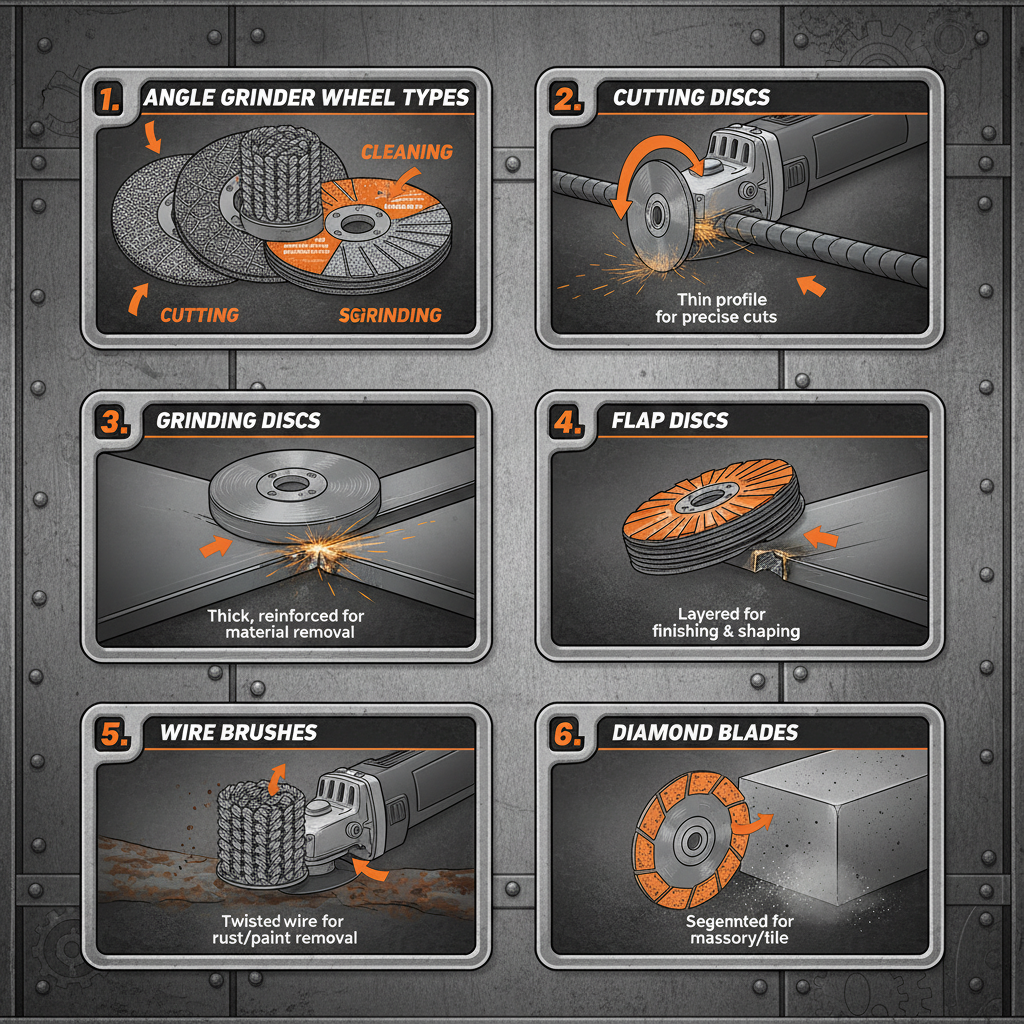
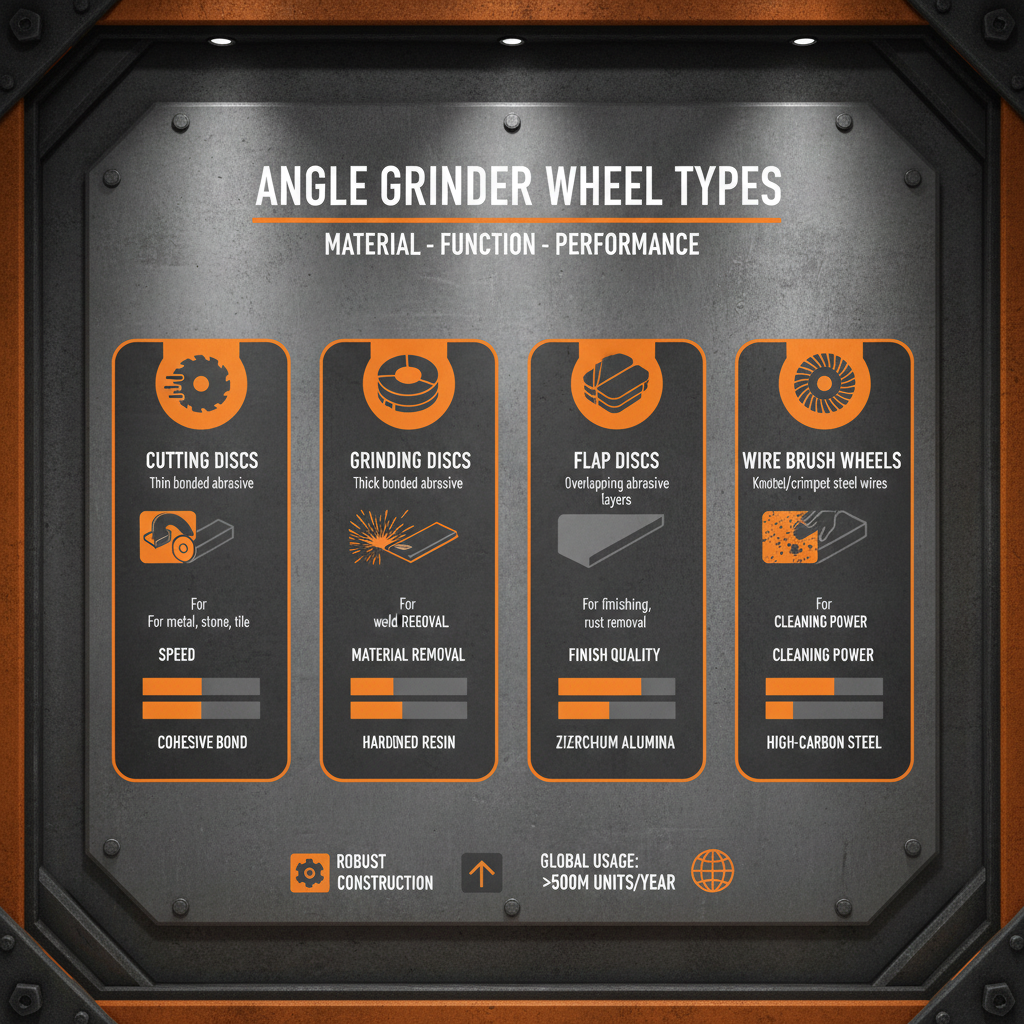
Choosing the right angle grinder wheel type hinges on several key factors. Material Compatibility is paramount; steel requires different wheels than concrete or aluminum. Abrasive Grain Type dictates how aggressively the wheel cuts – aluminum oxide is versatile, while silicon carbide excels on harder materials. Bonding Material impacts durability and heat resistance, with resinoid bonds being common for metal and vitrified bonds suited for stone.
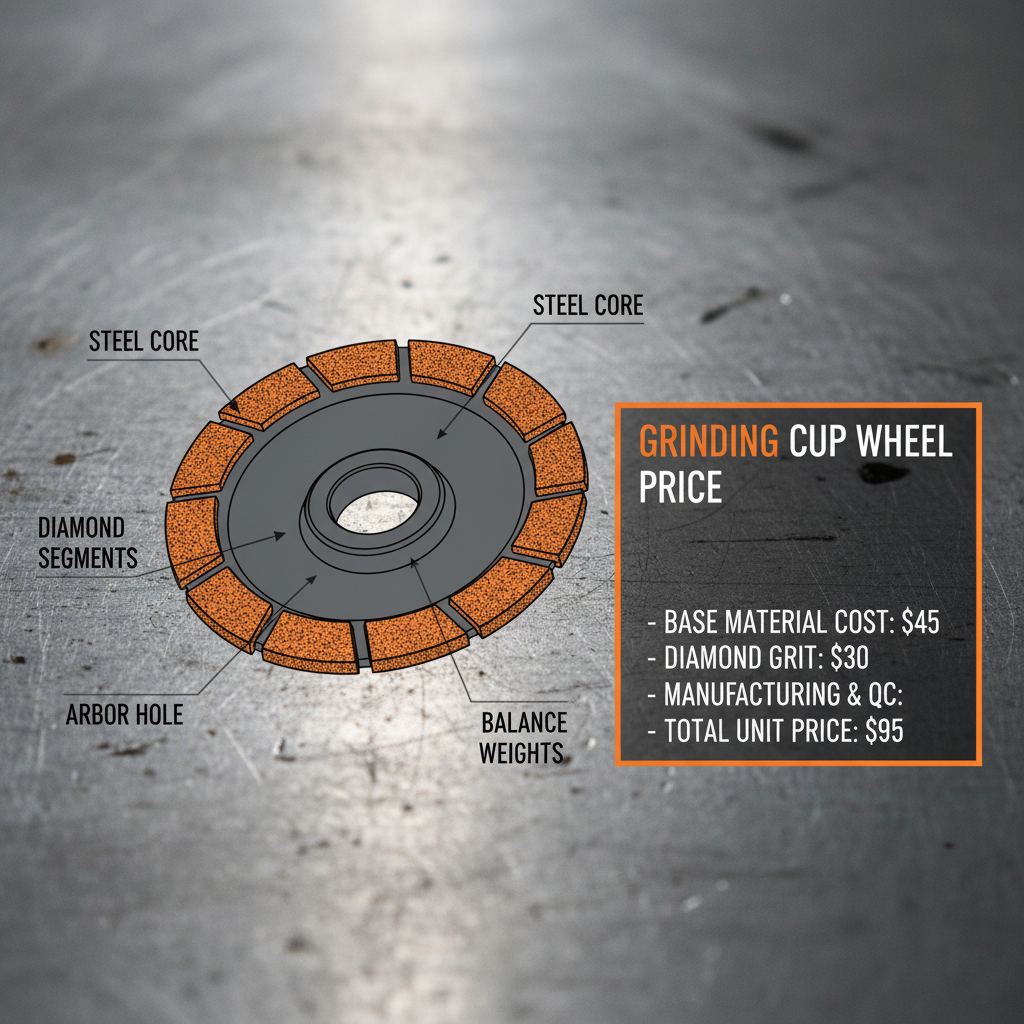
Grit Size determines the finish quality; coarser grits remove material quickly but leave a rougher surface, while finer grits produce a smoother finish. Wheel Shape impacts accessibility – flat wheels are general-purpose, while cup wheels are ideal for surface grinding. Finally, Maximum Operating Speed (RPM), clearly marked on the wheel, must match or exceed the angle grinder’s RPM rating for safe operation.
Angle Grinder Wheel Type Performance Comparison
Real-World Applications of Angle Grinder Wheel Types
Angle grinder wheel types find extensive application across a wide range of industries. In construction, diamond blades are indispensable for cutting concrete, asphalt, and masonry. Metalworkers rely on abrasive wheels for grinding welds, removing rust, and shaping metal components. Automotive technicians utilize them for cutting exhaust systems, removing body filler, and preparing surfaces for painting.
In remote industrial zones, angle grinders offer a portable and versatile solution for on-site fabrication and repair. Emergency response teams employ cutting wheels to extricate victims from wreckage following accidents or natural disasters. Even in artistic fields, stone carvers and sculptors utilize diamond and abrasive wheels to create intricate designs and refine surfaces.
Advantages and Long-Term Value
The benefits of selecting the correct angle grinder wheel types are multifaceted. Cost Savings are realized through reduced material waste, increased tool lifespan, and improved efficiency. Enhanced Safety is achieved by utilizing wheels designed for the specific application, minimizing the risk of breakage and injury. Improved Quality results from achieving precise cuts and finishes.
Beyond the tangible benefits, selecting the right wheel fosters a sense of confidence and control for the operator, boosting productivity and satisfaction. Investing in high-quality wheels demonstrates a commitment to worker safety and professional standards, building trust with clients and stakeholders. Long-term value is derived not just from the immediate task but from the sustained performance and reliability of the entire operation.
Future Trends and Innovations in Wheel Technology
The future of angle grinder wheel types is leaning towards smarter, safer, and more sustainable solutions. Developments in abrasive grain technology, such as micro-grain ceramics, are yielding wheels with longer lifespans and improved cutting performance. Research into new bonding materials, including advanced resins and hybrid composites, is enhancing heat resistance and durability.
The integration of sensors and data analytics is also on the horizon, enabling real-time monitoring of wheel wear and performance. This 'smart wheel' technology could provide valuable insights for predictive maintenance and optimization of cutting processes. Furthermore, the industry is actively exploring eco-friendly abrasive materials and manufacturing processes to reduce environmental impact.
Automation and robotics are also playing an increasing role, with angle grinders being integrated into automated cutting and grinding systems. This trend is particularly prevalent in manufacturing and automotive industries, where precision and repeatability are paramount.
FAQS
For cutting stainless steel, a thin, abrasive cutting disc specifically designed for stainless steel is recommended. These discs typically utilize aluminum oxide or silicon carbide grains and have a specialized bond to prevent loading and ensure a clean, efficient cut. Avoid using wheels intended for other materials, as they may cause excessive heat buildup and wheel degradation. Using a cutting fluid can also help extend the wheel’s life and improve the cut quality.
No, absolutely not. Grinding wheels are designed for removing material through abrasion, while cutting wheels are designed for making precise cuts. Using a grinding wheel for cutting is extremely dangerous and can lead to wheel breakage, potentially causing severe injury. Cutting wheels are typically thinner and have a different bond structure to allow for clean, controlled cuts.
The correct RPM for your angle grinder wheel is clearly marked on the wheel itself. This is a critical safety specification. Never exceed the maximum RPM rating of the wheel. Ensure that your angle grinder’s RPM setting does not exceed the wheel’s maximum rating. Using a wheel at a speed above its rated RPM can cause it to disintegrate, posing a serious hazard.
Type 1 wheels are flat, designed for general-purpose grinding and cutting on surfaces. Type 27 wheels are depressed center wheels, meaning they have a recessed center. They are primarily used for grinding and smoothing larger surface areas, providing better control and material removal. The shape influences the angle of attack and the area of contact with the workpiece.
Angle grinder wheels should be stored in a dry, clean environment, protected from moisture and physical damage. Avoid stacking heavy objects on top of them, as this can cause cracking or chipping. Ideally, store them in their original packaging or a dedicated storage container. Regularly inspect wheels for any signs of damage before use.
Diamond angle grinder wheels are significantly more expensive than abrasive wheels, but often worth the investment for specific applications. They offer exceptional durability and cutting performance, particularly when working with hard materials like concrete, tile, and stone. While the initial cost is higher, their extended lifespan and superior results can lead to long-term cost savings and improved efficiency.
Conclusion
In conclusion, understanding angle grinder wheel types is paramount for safety, efficiency, and achieving optimal results across a vast spectrum of applications. From selecting the appropriate abrasive grain and bonding material to adhering to RPM ratings and storage guidelines, a comprehensive grasp of these factors is crucial. Investing time in learning about wheel types directly translates to reduced operational costs, improved product quality, and a safer working environment.
Looking ahead, the ongoing innovation in abrasive technology promises even more advanced and sustainable solutions. By embracing these developments and prioritizing safety, users can unlock the full potential of angle grinders and continue to tackle challenging projects with confidence and precision. For a comprehensive selection of angle grinder wheels and expert advice, visit our website at cutoffdiscs.com.