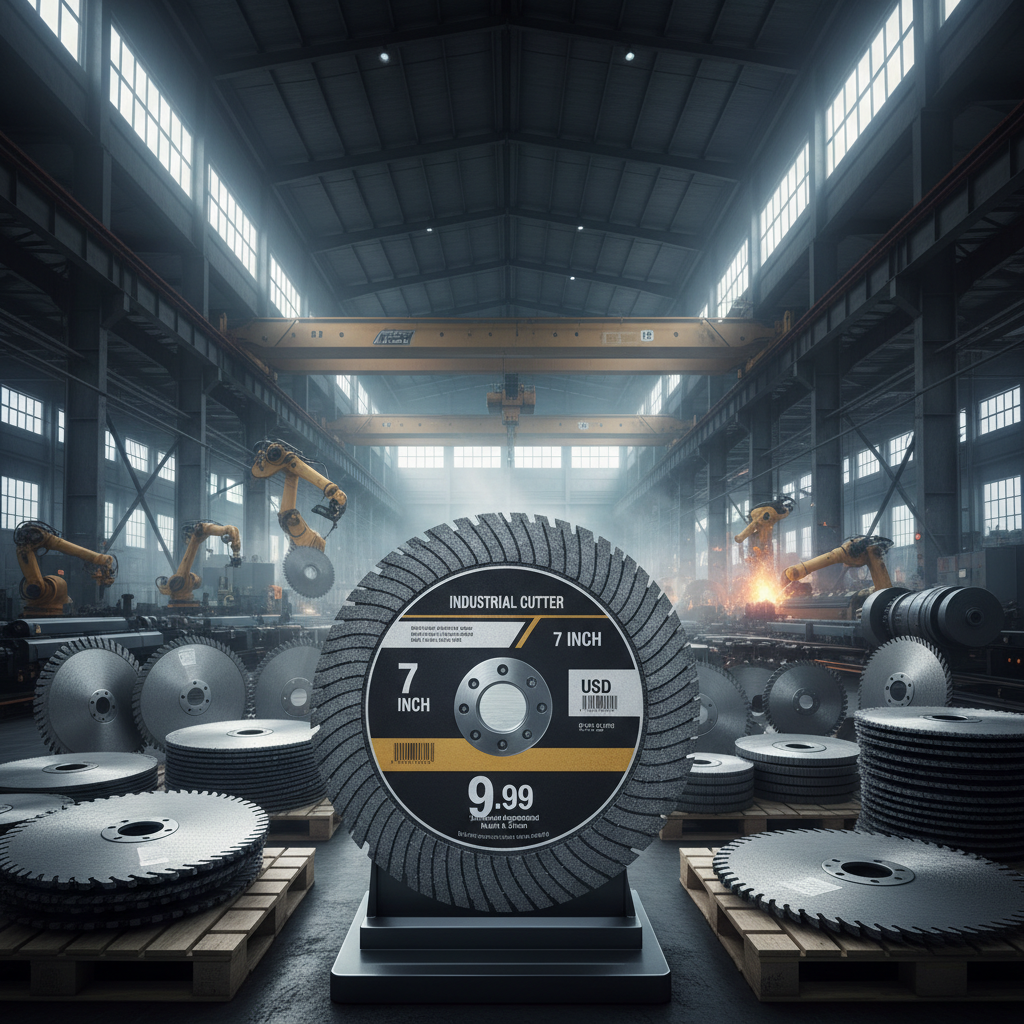
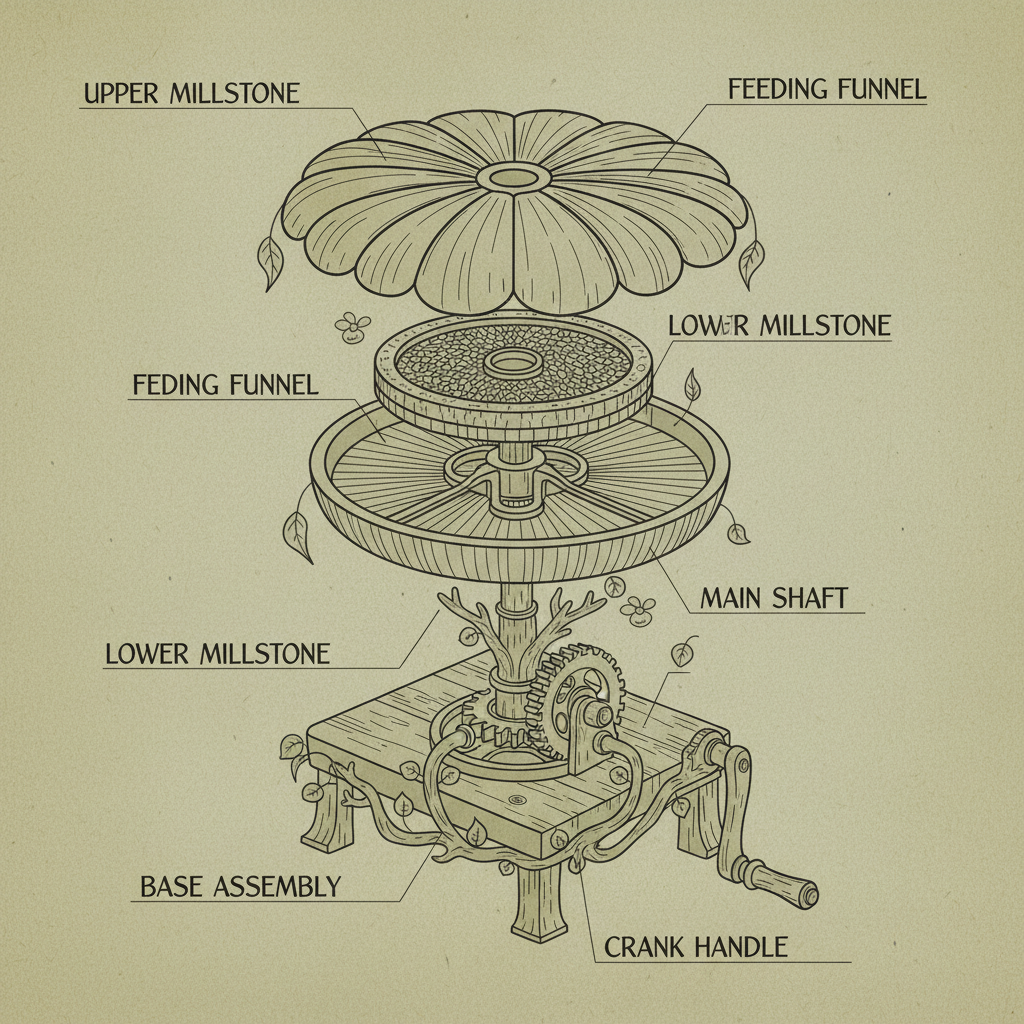
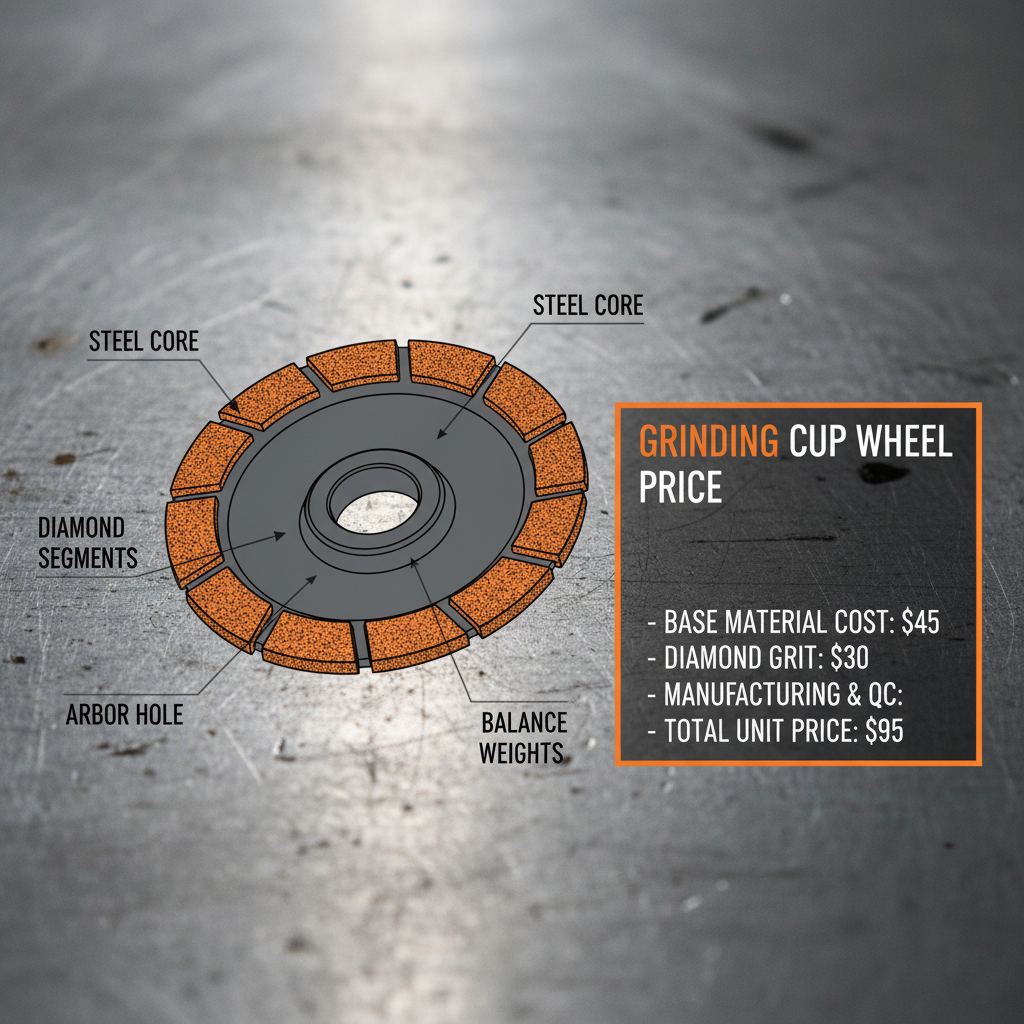
Grinding discs are essential tools across a vast range of industries, from metalworking and construction to automotive repair and even artistic endeavors. These seemingly simple tools play a critical role in shaping, finishing, and preparing materials for various applications. Understanding the different types of grinding discs available is crucial for achieving optimal results, ensuring safety, and maximizing efficiency. The global market for abrasive products, including grinding discs, is substantial and continues to grow, driven by increasing industrialization and infrastructure development worldwide.
The demand for high-performance grinding discs is fueled by a need for precision, durability, and cost-effectiveness. Statistics from the UN Comtrade database reveal a consistent multi-billion dollar annual trade in abrasive products globally, demonstrating their ubiquitous presence in modern manufacturing and construction. However, selecting the correct disc for a specific task can be challenging, as the market offers a diverse array of materials, grit sizes, and bonding agents. Addressing this challenge requires a thorough understanding of the different types of grinding discs and their appropriate applications.
In a world increasingly focused on sustainability, even the choice of grinding discs is beginning to reflect a demand for environmentally responsible materials and manufacturing processes. The advancements in abrasive technology have led to more efficient discs, reducing waste and energy consumption, which directly contributes to greener industrial practices.
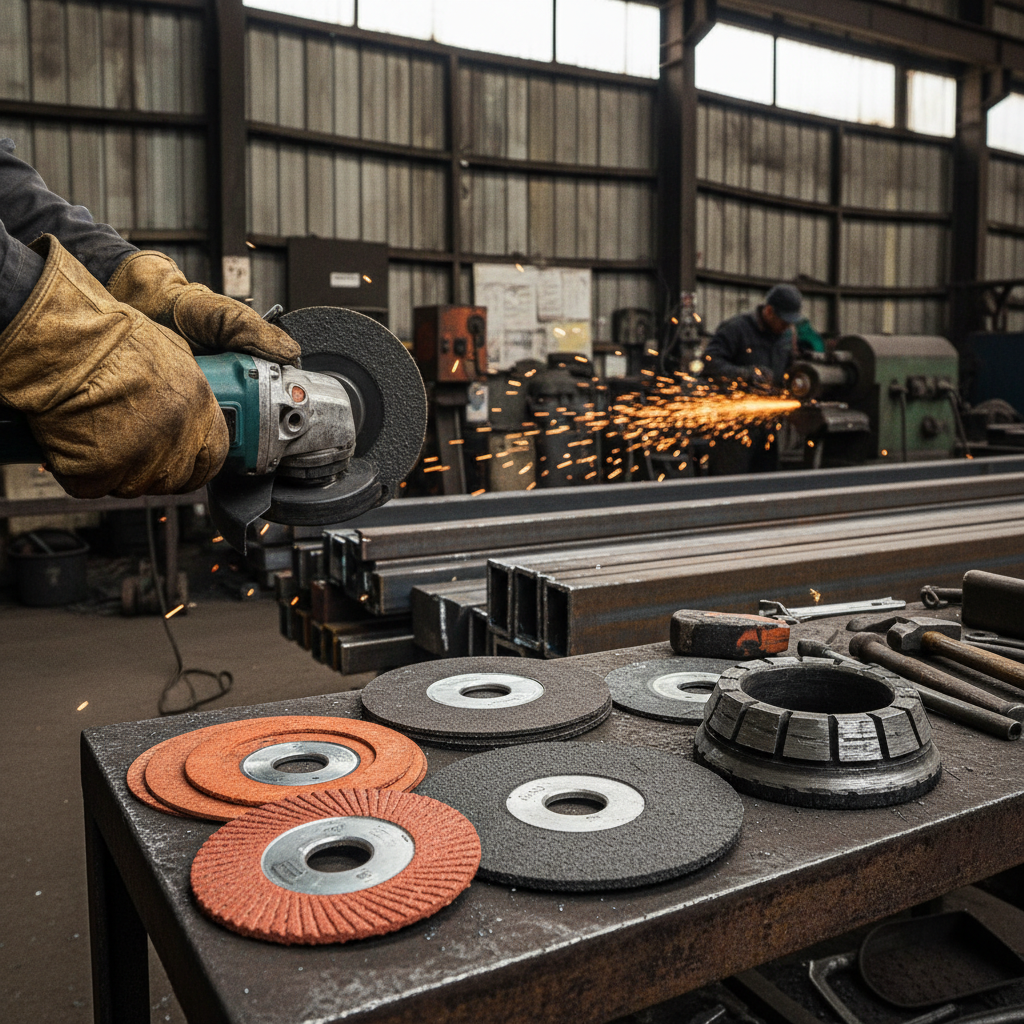
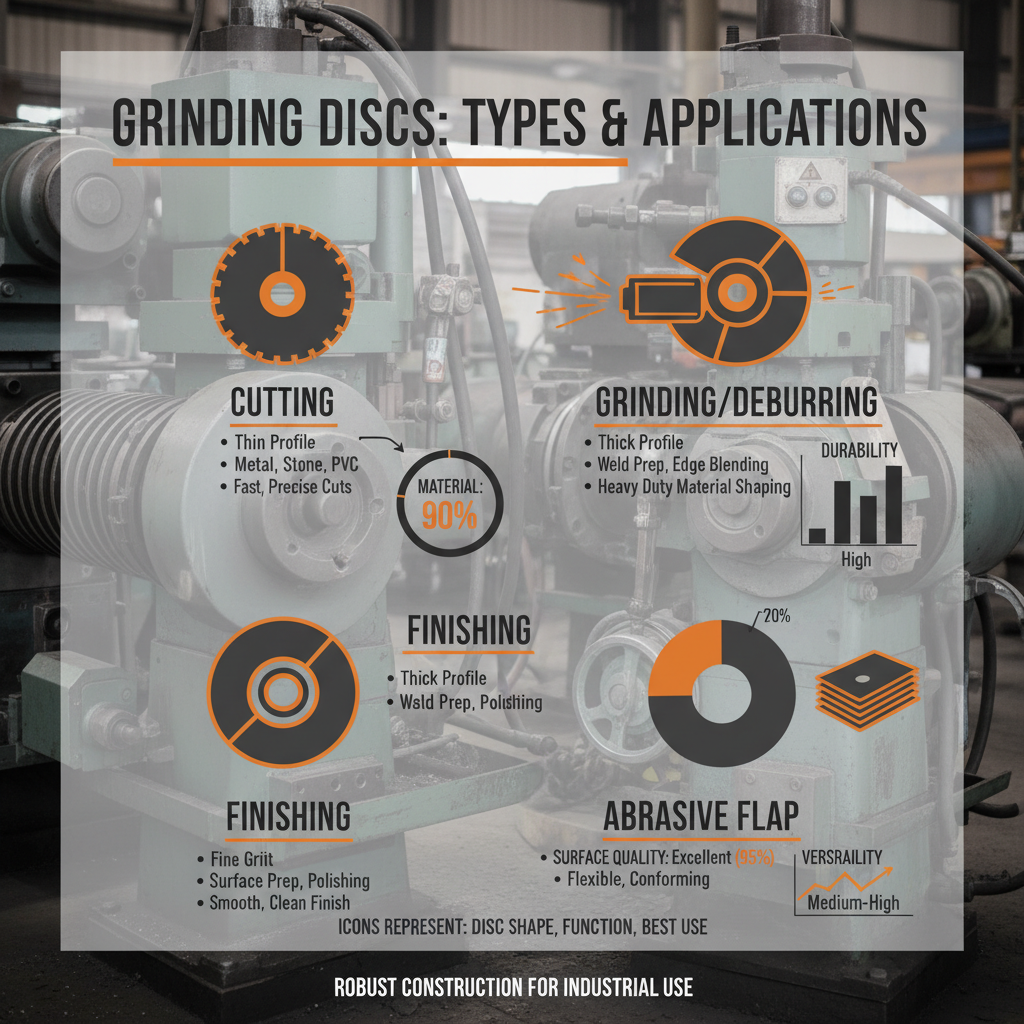
The world of grinding discs encompasses a surprisingly diverse range of options, each engineered for specific materials and tasks. From cutting metal and smoothing welds to removing paint and polishing stone, the correct choice significantly impacts project quality and efficiency. There are numerous types of grinding discs designed to meet these varied demands, making a comprehensive understanding essential for professionals and DIY enthusiasts alike.
Choosing the right grinding disc isn’t simply about selecting the cheapest option; it's about understanding the properties of the material you're working with, the desired finish, and the safety requirements of the application. Using an inappropriate disc can lead to inefficient work, damage to the workpiece, and even personal injury.
For removing paint from metal, a grit size between 60 and 80 is generally recommended. This range provides an aggressive cut to quickly remove the paint layer without causing excessive damage to the underlying metal. However, the specific grit size might depend on the type of paint and the condition of the metal surface. Always start with a coarser grit and refine with finer grits as needed. Utilizing the right types of grinding discs is key for an effective and damage-free result.
Resin-bonded discs are more flexible and cost-effective, making them suitable for general-purpose grinding and deburring. They are good for applications where speed and convenience are important. Vitrified-bonded discs, on the other hand, are much harder and more rigid, providing greater precision and stability, making them ideal for applications where accuracy and a consistent finish are crucial. Therefore, consider the application requirements when selecting amongst the different types of grinding discs.
Safety is paramount when using grinding discs. Always wear appropriate personal protective equipment (PPE), including safety glasses, a face shield, gloves, and a dust mask. Ensure the workpiece is securely clamped and the grinding disc is properly mounted and inspected for damage. Never exceed the disc’s maximum RPM rating, and always use a guard. Proper selection of types of grinding discs is also important for safety as they may be designed for specific materials.
While some grinding discs can be used for light cutting, it's generally not recommended. Cutting discs are specifically designed with a thinner profile and reinforced structure to withstand the stresses of cutting. Using a grinding disc for cutting can be dangerous, as it may shatter or bind. Always use the correct type of disc for the intended application, specifically a designated cut-off wheel instead of a general purpose grinding wheel. Different types of grinding discs are designed for different tasks.
Grinding discs should be stored in a dry, clean environment away from direct sunlight and extreme temperatures. Avoid dropping or impacting the discs, as this can create cracks or weaken the bonding agent. Store them in their original packaging or in a dedicated storage container to protect them from dust and debris. Proper storage ensures the longevity and performance of your types of grinding discs.
A grinding wheel typically has a continuous abrasive surface and is used for aggressive material removal. A flap disc, however, consists of overlapping abrasive flaps attached to a backing plate, providing a more controlled and blended finish. Flap discs are excellent for deburring, smoothing welds, and removing imperfections, whereas grinding wheels are better suited for rough shaping and stock removal. These are distinct among the various types of grinding discs available.
In conclusion, understanding the diverse range of types of grinding discs is vital for professionals and enthusiasts alike. Selecting the appropriate disc based on material compatibility, abrasive grain type, bonding agent, and application specificity leads to increased efficiency, improved quality, and enhanced safety. The advancements in abrasive technology continually drive innovation, offering more durable, efficient, and sustainable solutions for material removal and surface preparation.
As we look to the future, embracing new materials, automation, and sustainable practices will be crucial for maximizing the benefits of grinding discs. Investing in proper training, utilizing appropriate safety measures, and staying informed about the latest advancements will ensure optimal performance and minimize risks. For a wide selection of high-quality grinding discs, and to learn more, visit our website: www.cutoffdiscs.com.