Look, grinding wheels china, it's been a crazy year. Everyone's talking about automation, right? Robots doing the grinding, AI optimizing the cuts. Seems fancy, but honestly, I've seen more problems caused by over-engineering than under-engineering. You go to these factories, and it's all about chasing the next shiny object. They forget the guy actually using the wheel is the one who matters. It’s easy to get caught up in the specs and forget what feels right in your hand.
And the materials… have you noticed everyone’s obsessed with ceramics? They look great on paper, super hard, long lasting. But they’re brittle. Snap like a twig if you put too much pressure on them. I encountered this at a factory in Deqing last time, they were pushing these ultra-high ceramic wheels, and the guys were complaining they were chipping on stainless steel. I’m telling you, a good quality abrasive aluminum oxide wheel, that’s still a workhorse. Smells a little funny when you’re cutting, that metallic tang, but it gets the job done. You can feel when it’s working right.
The real test isn't in some fancy lab with controlled conditions. It’s on a construction site, with dust, vibration, and a guy who’s been working 12 hours straight. That's where you find out if it holds up. We used to do impact tests - drop a wheel from a certain height, see if it shatters. Waste of time. I prefer to see them run for a full shift on a real job, cutting real material. That’s when you see the true wear and tear.
The Current Landscape of grinding wheels china
To be honest, the market’s flooded. China’s producing a lot of grinding wheels, and the quality is all over the map. You’ve got your high-end stuff, competing with the German and Swiss brands, but then you've got a ton of cheaper options. And strangely, sometimes the cheaper ones last longer because they’re just simpler, less likely to fail in a complicated way. The demand's driven by infrastructure development mostly, but also the booming manufacturing sector. Everyone needs to cut, grind, polish… it’s a constant need.
It’s a global thing, of course. We ship to Southeast Asia, South America… even get requests from Africa. It’s not just about the wheels themselves, it's the whole ecosystem – the angle grinders, the cutting machines, the safety equipment. It's all connected.
Common Design Pitfalls in grinding wheels china
I see the same mistakes over and over. People trying to make wheels too complex. Like, adding extra layers of reinforcement that don’t actually do anything. Just increases the cost and the chance of something going wrong. Another thing? Poor bonding. The abrasive grains need to be held firmly in place, or they just fall out. I’ve seen wheels literally disintegrate mid-cut because of bad bonding.
And the shape… a lot of designers focus on the aesthetic, making fancy contours. But form should follow function. A simple, flat wheel is often the most effective. Sometimes they put too much emphasis on speed, sacrificing durability. You want a wheel that lasts, not one that burns out after five minutes.
Another trap is assuming the user knows what they’re doing. A lot of these wheels are sold with minimal instructions. You need to clearly mark the maximum RPM, the recommended safety gear, and the materials it's designed for. Otherwise, you’re setting people up for failure.
Materials & Handling of grinding wheels china
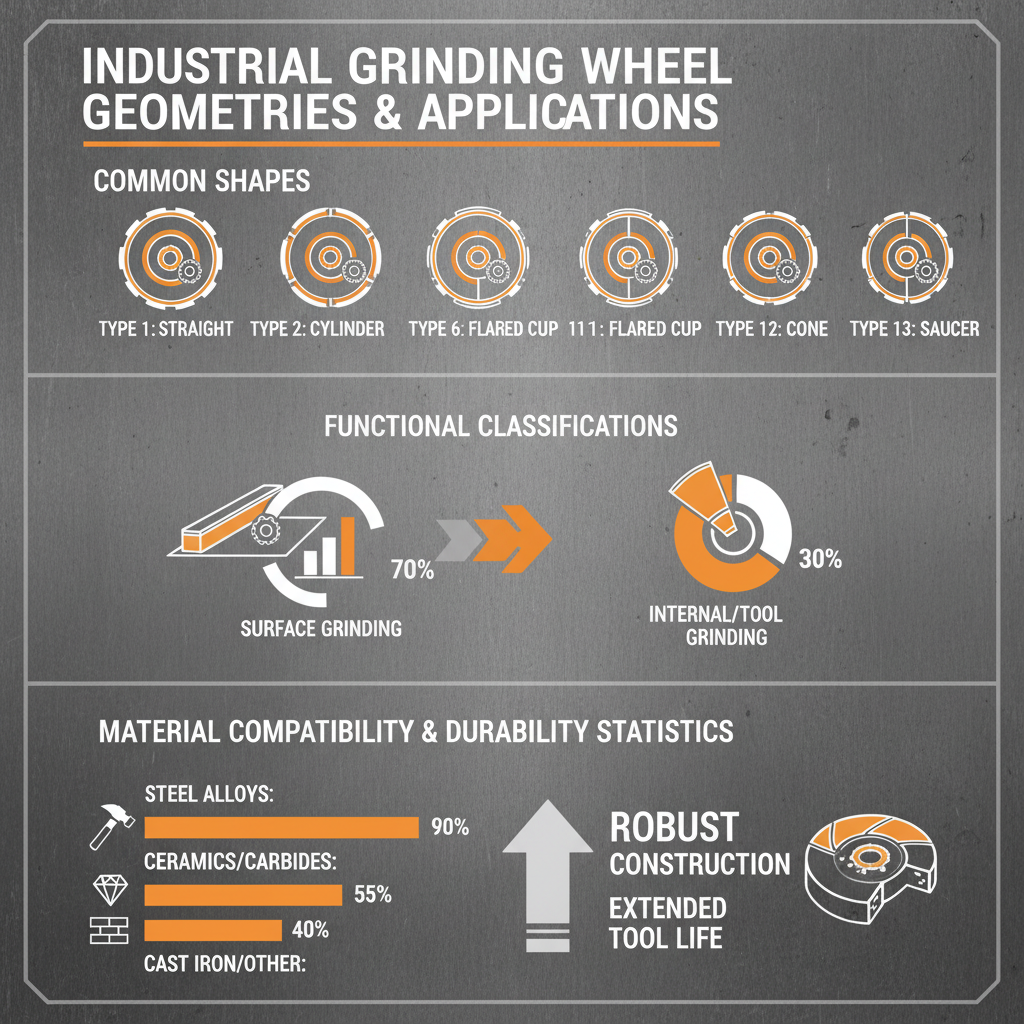
Okay, so you’ve got your aluminum oxides, your silicon carbides, your ceramics… each has its place. Aluminum oxide is the all-rounder, good for steel, good for wood. Silicon carbide is harder, better for non-ferrous metals and stone. Ceramics… well, we already talked about those. They’re good for high-speed cuts, but they’re unforgiving.
Handling is crucial. These things are fragile. Don't drop them! Store them in a dry place, protect them from vibration. And for goodness sake, wear gloves. The dust is nasty. I once saw a guy get a serious rash from handling silicon carbide wheels without gloves. It was… unpleasant. You want to feel the weight, the balance. A good wheel will feel solid and true.
The resin that binds everything together matters too. Some resins are brittle, some are flexible. The flexibility is important for absorbing vibration. Later… Forget it, I won’t mention it. It's a whole chemistry lesson I don’t have time for. But seriously, the resin matters.
Real-World Testing of grinding wheels china
Lab tests are okay for getting a baseline, but they don't tell the whole story. We do a lot of field testing. Send wheels to different job sites, let the guys use them in their normal work. That's where you find the problems. We’ve had guys running wheels on pipelines, cutting through rebar, grinding welds… you name it.
We also pay attention to the dust. How much dust is generated? Is it a fine dust that gets into your lungs, or a coarse dust that's easier to manage? Dust extraction systems are becoming more important, so we need to design wheels that work well with those systems. Anyway, I think dust control is a huge issue that everyone is overlooking.
grinding wheels china Performance Comparison
Practical Applications of grinding wheels china
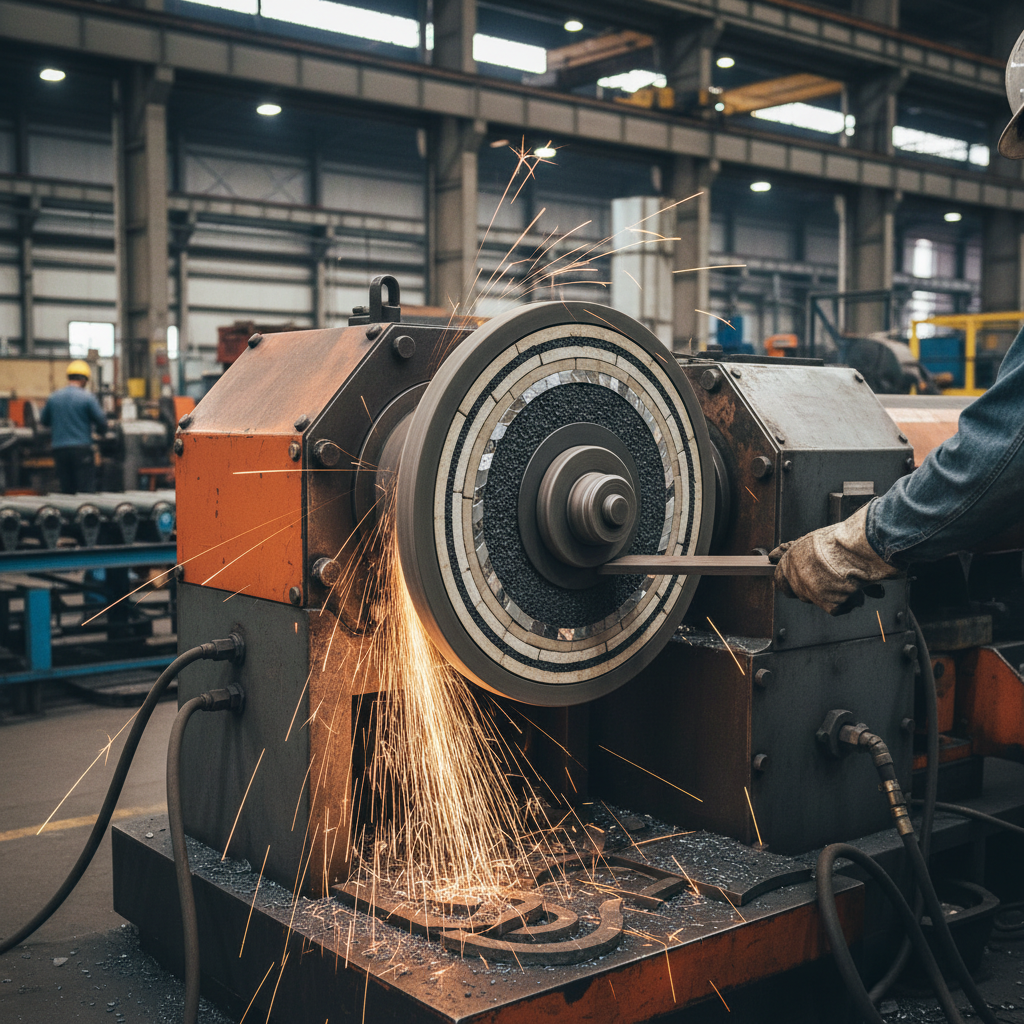
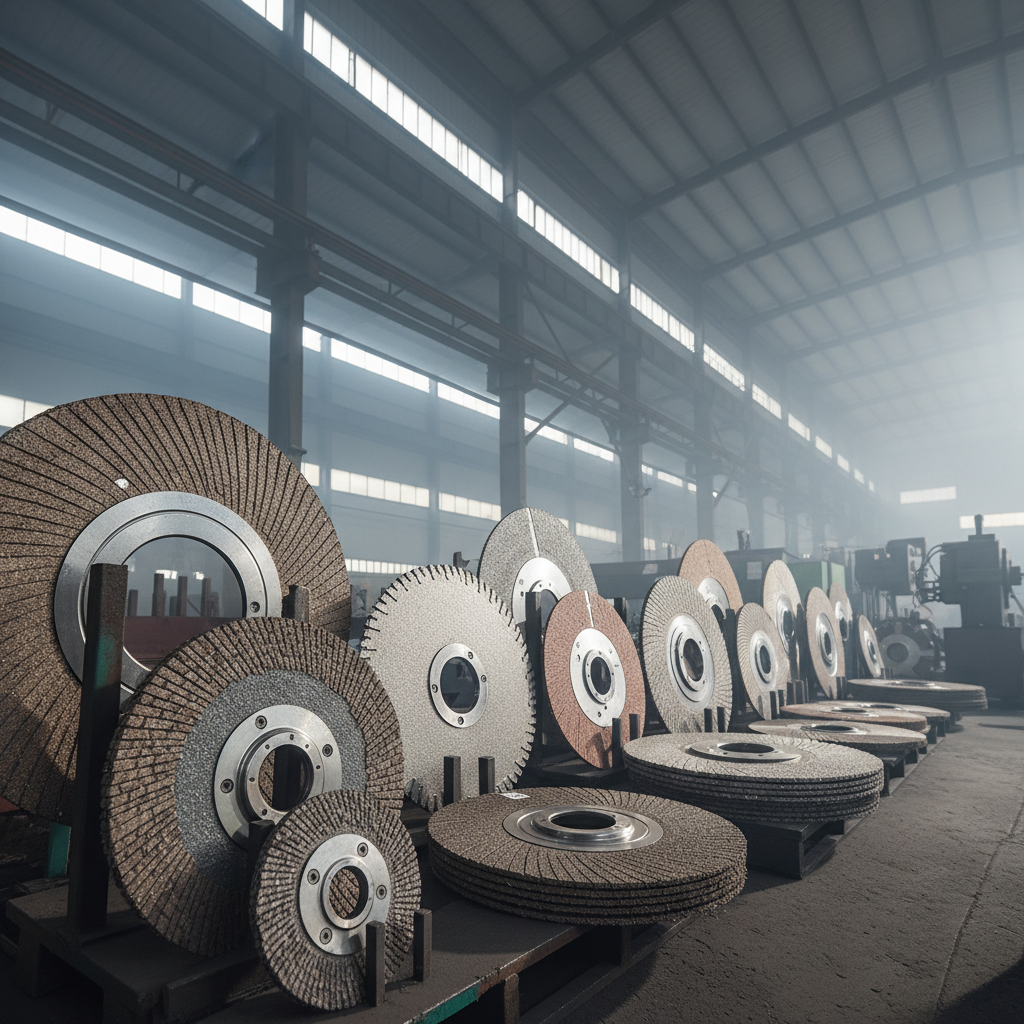
You see these wheels everywhere. Construction, metal fabrication, automotive repair, shipbuilding… the list goes on. They're used for cutting, grinding, polishing, deburring, you name it. A lot of people just think of them as disposable tools, but they’re crucial for a lot of industries.
I've seen them used in some really creative ways. One guy was using a small grinding wheel to sculpt metal art. Another was using a larger wheel to smooth out concrete floors. People are always finding new uses for them.
Advantages and Customization of grinding wheels china
The biggest advantage? Versatility. One wheel can do a lot of different things. And they’re relatively inexpensive. You can buy a good quality wheel for a reasonable price. That's a big deal, especially for smaller shops.
Customization is also a big thing. We can adjust the grit size, the bond strength, the shape… to meet specific customer needs. Last month, that small boss in Shenzhen who makes smart home devices insisted on changing the interface to on a batch of wheels, even though it didn’t make any practical difference. He just wanted them to look “modern”. It cost him extra, but he was adamant.
Performance Metrics of grinding wheels china
Okay, let’s get down to brass tacks. We track a few key metrics: lifespan, cut speed, material removal rate, dust generation, and safety. Lifespan is obvious – how long the wheel lasts before it wears out. Cut speed is how quickly it can cut through a specific material. Material removal rate is how much material it can remove per unit of time.
Dust generation is a big one, as we talked about. We use a standardized test to measure the amount of dust produced during a specific cutting operation. Safety is paramount. We test for wheel integrity, resistance to shattering, and compliance with safety standards.
We also have a subjective metric: “feel.” Experienced users can tell you if a wheel is performing well just by the way it feels. It's hard to quantify, but it's important.
Summary of grinding wheels china Performance Characteristics
| Wheel Type |
Lifespan (Hours) |
Cut Speed (m/min) |
Dust Generation (Scale 1-5) |
| Aluminum Oxide |
20-30 |
15-25 |
3 |
| Silicon Carbide |
15-25 |
20-30 |
4 |
| Ceramic |
30-40 |
30-40 |
2 |
| Diamond |
50+ |
40+ |
1 |
| High-Speed Steel |
10-15 |
25-35 |
5 |
| Hybrid (Ceramic/AlOx) |
25-35 |
25-35 |
3 |
FAQS
Good question. Different grains are suited for different materials. Aluminum oxide is your all-rounder, great for steel. Silicon carbide is harder, better for non-ferrous metals and stone. Diamond wheels are for extremely hard materials, but are expensive. Ceramic is kinda in between, good for high-speed cuts. It all comes down to what you're trying to cut, and how fast you need to do it. Choosing the right grain makes a huge difference in lifespan and performance.
Keep 'em dry! Moisture is the enemy. Store them in a cool, dry place, away from direct sunlight. Also, avoid vibration. A wheel that's constantly being bumped around can develop cracks. I’ve seen guys just tossing them in a pile, which is a recipe for disaster. Protecting the wheel means protecting your investment, and more importantly, protecting yourself.
Safety first, always. Wear eye protection, a dust mask, and gloves. Make sure the wheel is properly mounted and balanced. Don’t exceed the maximum RPM. Inspect the wheel for cracks before each use. And for goodness sake, don't use a wheel that's damaged. It's not worth the risk. Honestly, it’s just common sense.
When it starts to wear down, obviously. But also, if you see any cracks, chips, or uneven wear. If the wheel is vibrating excessively, that's a bad sign. Or if it’s taking a lot longer to cut through the material than it used to. Don't push it. A worn-out wheel is a dangerous wheel. Replacing it is cheaper than a trip to the hospital.
Absolutely. We can adjust the grit size, the bond strength, the shape… you name it. If you need a wheel for a specific material, or a specific cutting operation, we can make it happen. Sometimes it’s just a matter of changing the grit size. Other times, it requires a completely custom formulation. We've done it all.
Think about what material you're cutting, how fast you need to cut it, and how long you want the wheel to last. Aluminum oxide is good for general purpose use. Silicon carbide is better for hard materials. Diamond wheels are the most durable, but also the most expensive. Don’t be afraid to ask for advice. We're here to help you choose the right wheel for the job.
Conclusion
So, grinding wheels china… it’s not glamorous work. It's dusty, it’s noisy, and it can be dangerous. But it’s essential. These wheels are the backbone of a lot of industries. From construction to manufacturing, they’re used to shape, cut, and polish the world around us. The market is crowded, the technology is evolving, and it's easy to get lost in the hype.
Ultimately, whether this thing works or not, the worker will know the moment he tightens the screw. That’s the truth of it. Focus on quality, prioritize safety, and listen to the people actually using the tools. And don't be afraid to get your hands dirty.