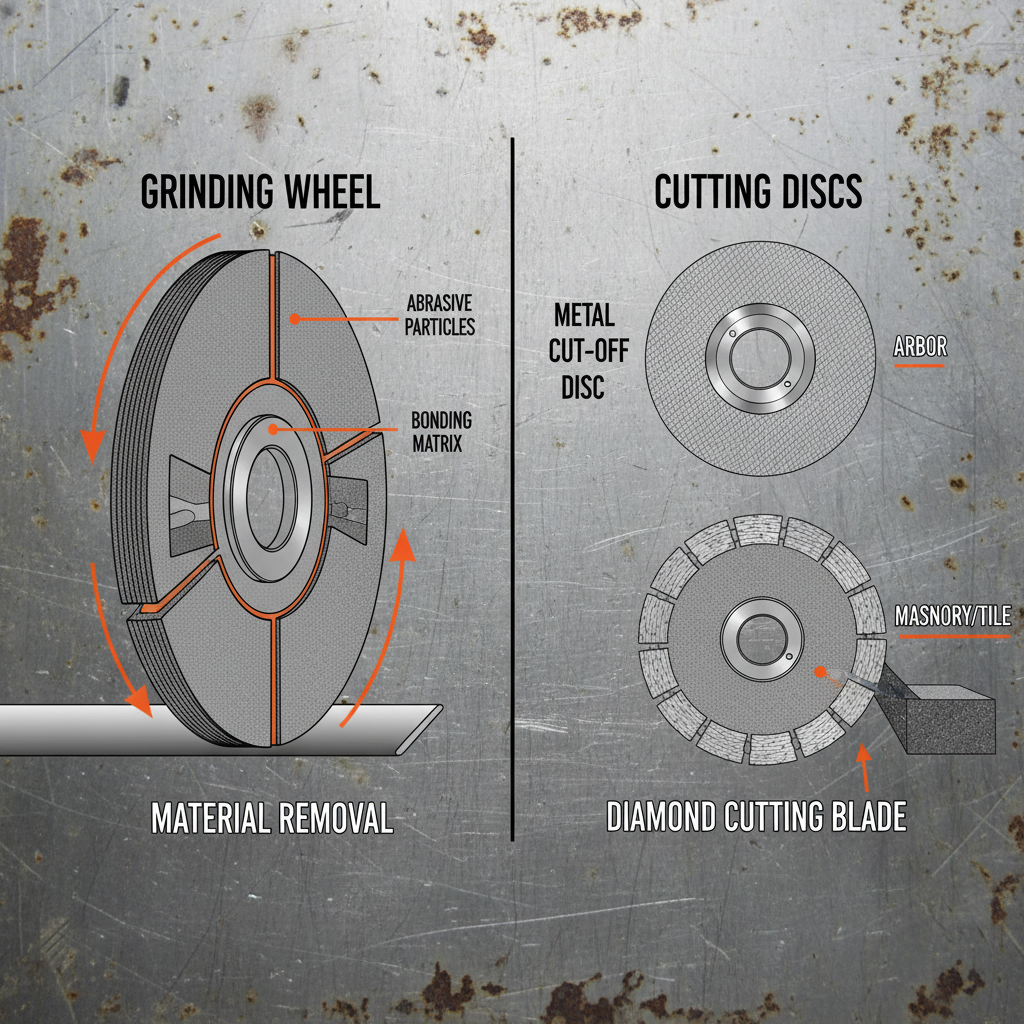
Angle grinder discs types are critical components across a vast range of industries, from construction and metalworking to automotive repair and DIY projects. Understanding the different types available is paramount for safety, efficiency, and achieving optimal results. The global market for abrasive products, including these discs, is substantial and continues to grow, driven by infrastructure development, manufacturing expansion, and increasing demand for precision cutting and grinding. Selecting the right disc is not merely about compatibility with the angle grinder; it’s about matching the material being worked with the disc's abrasive properties, speed rating, and intended application.
The relevance of understanding angle grinder discs types extends beyond professional tradespeople. Homeowners undertaking renovation projects, hobbyists engaged in metal art, and emergency responders needing to quickly cut through debris all rely on these tools. However, improper disc selection or usage can lead to serious injury or damage to the workpiece. The increasing focus on worker safety and quality control necessitates a deeper understanding of available options and adherence to safety guidelines. The growth of online marketplaces has also made it easier to access a wider variety of discs, further highlighting the need for informed decision-making.
Ultimately, choosing the correct angle grinder discs types optimizes productivity, minimizes costs associated with disc replacement and material waste, and most importantly, enhances user safety. This knowledge empowers individuals and businesses to tackle projects with confidence and achieve professional-grade results.
Introduction to Angle Grinder Discs Types
Angle grinder discs types represent a diverse range of cutting, grinding, and polishing tools designed for use with angle grinders. These discs come in various materials, grits, and sizes, each suited for specific applications. Understanding these variations is critical for safe and effective operation. The wide selection available—from abrasive wheels to diamond blades—can be overwhelming, but categorizing them based on material and intended use simplifies the selection process.
The significance of choosing the correct type of disc cannot be overstated. Using the wrong disc can lead to reduced efficiency, poor finish quality, increased risk of damage to the workpiece, and, most importantly, potential for serious injury. Proper disc selection also extends the lifespan of both the disc itself and the angle grinder, resulting in long-term cost savings.
Defining Angle Grinder Discs Types
Angle grinder discs types are circular abrasive tools attached to an angle grinder, a handheld power tool used for cutting, grinding, and polishing various materials. The “type” refers to the material composition and intended function of the disc. These aren't one-size-fits-all tools; each type is engineered for a specific purpose and material. For example, a cutting disc is designed for clean, straight cuts, while a grinding disc is for material removal and surface preparation.
This distinction is crucial because each disc material—whether it’s aluminum oxide, silicon carbide, or diamond—has different abrasive properties. The grit size also plays a role, with coarser grits for aggressive material removal and finer grits for smoothing and polishing. Understanding these elements is key to performing tasks effectively and safely.
The connection to modern industry is undeniable. Manufacturing, construction, metal fabrication, and even automotive repair rely heavily on angle grinders and their corresponding discs. Without the ability to quickly and efficiently cut, grind, and polish materials, these industries would face significant productivity challenges.
Core Characteristics of Angle Grinder Discs Types
Several core characteristics define the different angle grinder discs types. Firstly, Material is a significant differentiator. Discs are commonly made from aluminum oxide, silicon carbide, diamond, or high-speed steel. Aluminum oxide is versatile for general-purpose grinding, while silicon carbide excels at cutting hard, brittle materials like stone and glass. Diamond discs are used for cutting extremely hard materials like tile, concrete, and asphalt.
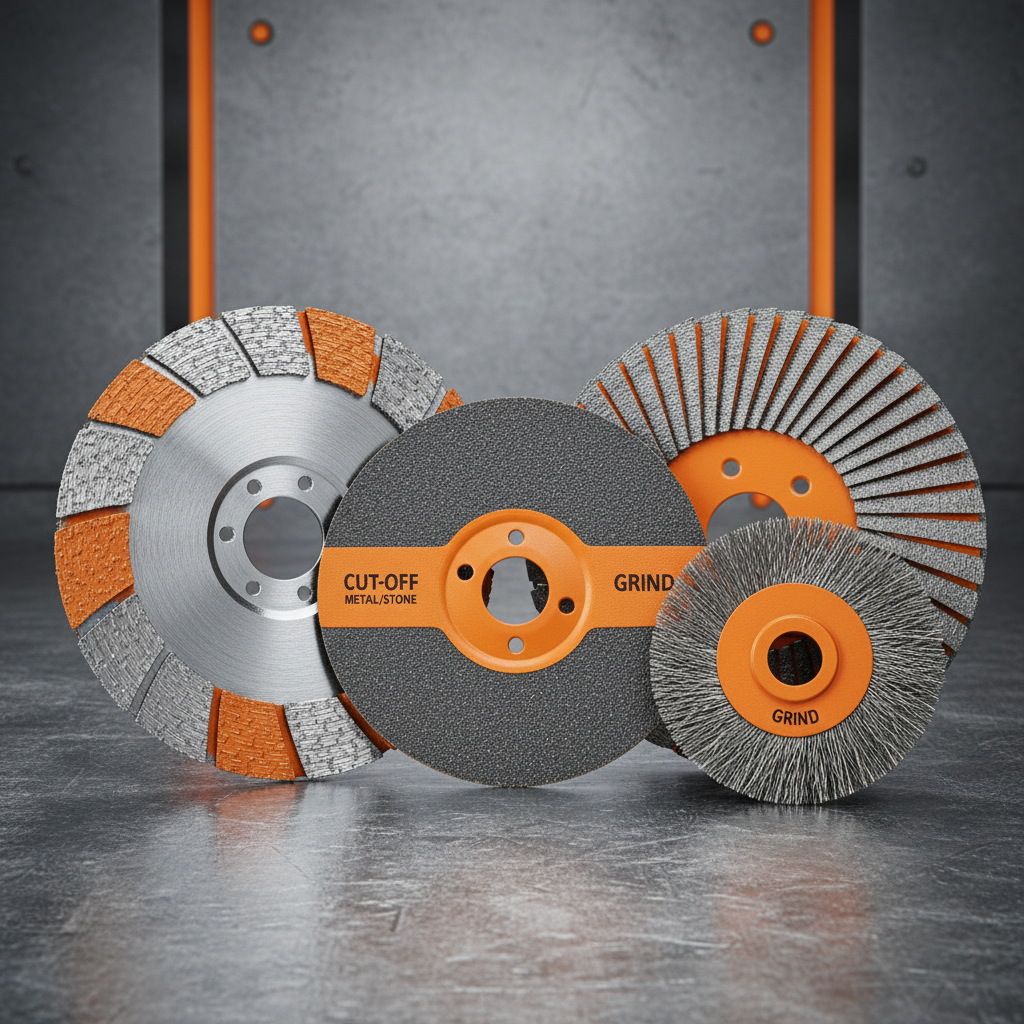
Secondly, Grit Size determines the aggressiveness of the disc. Coarse grits (lower numbers) remove material quickly but leave a rougher finish. Fine grits (higher numbers) produce a smoother finish but take longer to remove material. The choice depends on the desired outcome and the material being worked with. Thirdly, Disc Shape affects its application. Flap discs are ideal for blending and finishing, while cut-off wheels are designed for straight cuts.
Finally, Maximum RPM (Revolutions Per Minute) is a critical safety parameter. Each disc has a maximum speed rating that must never be exceeded, as this can lead to disc failure and potential injury. Ensuring the angle grinder's speed setting matches the disc's rating is essential.
Practical Applications of Angle Grinder Discs Types
The practical applications of angle grinder discs types are incredibly diverse. Cutting discs are routinely used in construction for cutting rebar, pipes, and sheet metal. Grinding discs are essential for weld preparation, rust removal, and smoothing rough edges. Flap discs are utilized for blending welds, deburring metal, and finishing surfaces. Polishing discs are used for achieving a high-gloss finish on metal, stone, and other materials.
In the automotive industry, angle grinders with various discs are used for bodywork, exhaust system repairs, and rust removal. In the DIY sector, they are valuable for home renovation projects like tile cutting, concrete grinding, and metal fabrication. Specific examples include using a diamond blade for cutting porcelain tiles, a grinding disc for removing paint from metal surfaces, and a flap disc for smoothing welds on a car chassis.
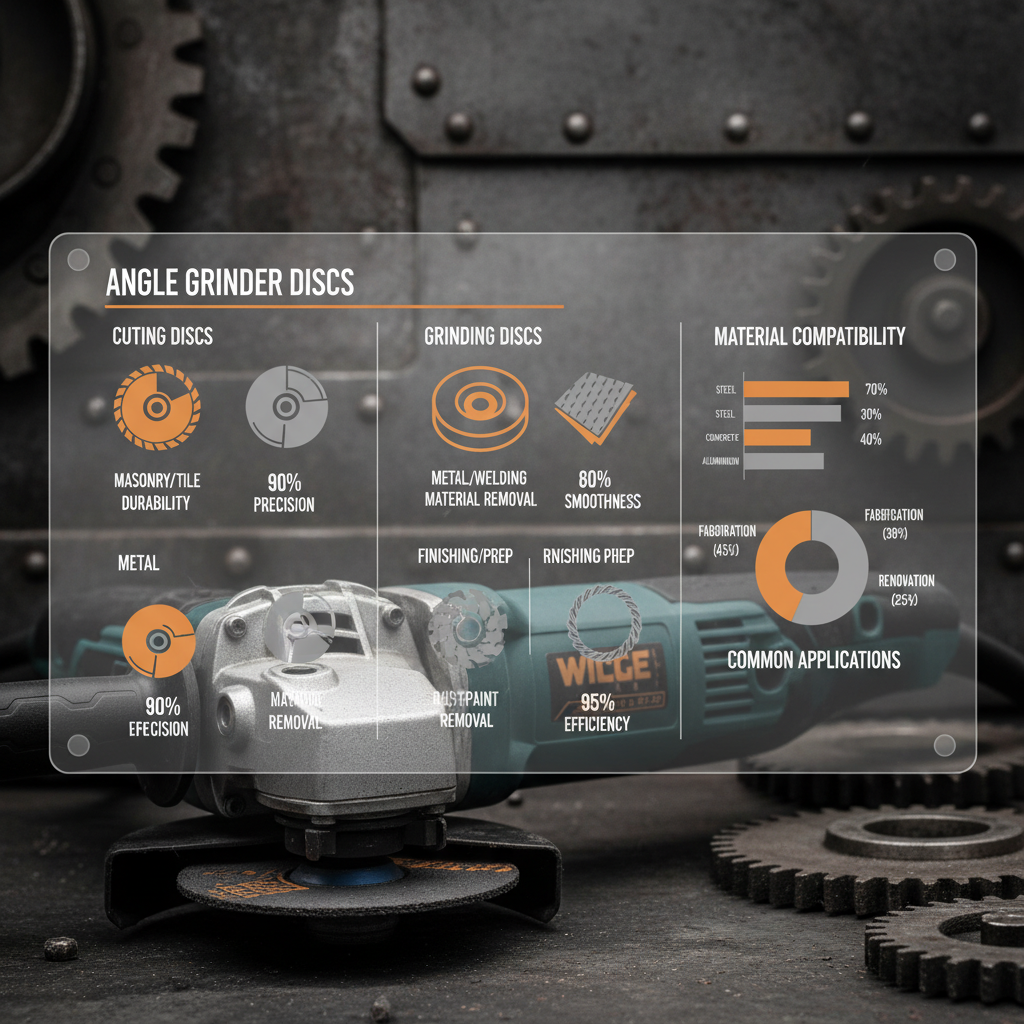
Comparison of Angle Grinder Discs Types Performance
Global Impact and Industries Utilizing Angle Grinder Discs Types
The impact of angle grinder discs types is global, supporting a wide range of industries across continents. In Europe and North America, they are crucial for infrastructure maintenance, construction, and manufacturing. Asia-Pacific represents a rapidly growing market driven by urbanization and industrial expansion. Developing nations increasingly rely on these tools for infrastructure development and resource extraction.
Key industries benefiting include: Construction (cutting concrete, steel, and other materials); Metal Fabrication (grinding, polishing, and weld preparation); Automotive (bodywork, repair, and rust removal); Shipbuilding (cutting and welding); and Mining and Quarrying (material extraction and processing). In post-disaster relief operations, angle grinders with appropriate cutting discs are used to quickly clear debris and create access routes.
Benefits and Long-Term Value of Angle Grinder Discs Types
The benefits of using the correct angle grinder discs types extend beyond immediate task completion. Cost savings are significant, as appropriate disc selection minimizes wear and tear, reducing the need for frequent replacements. Improved efficiency translates to faster project completion times and reduced labor costs. The quality of work is enhanced, resulting in smoother finishes and fewer defects.
Long-term value is derived from increased worker safety, reduced downtime due to tool failures, and enhanced productivity. Choosing durable, high-quality discs contributes to a more sustainable operation by reducing waste and environmental impact. The peace of mind that comes with knowing the job is done safely and effectively is also a valuable intangible benefit.
Future Trends in Angle Grinder Discs Types
Several trends are shaping the future of angle grinder discs types. There’s a growing emphasis on developing more durable and longer-lasting discs, reducing the frequency of replacements and minimizing waste. The integration of new materials, such as ceramic abrasives and advanced diamond formulations, is enhancing cutting and grinding performance. The development of "smart" discs with sensors that monitor wear and provide alerts is also on the horizon.
Sustainability is another key driver, with manufacturers exploring eco-friendly materials and manufacturing processes. The rise of cordless angle grinders is also influencing disc design, requiring lighter-weight and more efficient discs to maximize battery life. Automation and robotics are creating demand for discs optimized for use in automated cutting and grinding systems.
Furthermore, data analytics are being utilized to optimize disc performance based on material type and application, ultimately leading to more precise and efficient results.
Summary of Factors Influencing Angle Grinder Disc Selection
| Material Type |
Disc Material |
Grit Level |
Application |
| Steel |
Aluminum Oxide |
60-80 |
Grinding Welds |
| Concrete |
Diamond |
N/A (Segmented) |
Cutting Rebar |
| Tile |
Diamond |
Continuous Rim |
Precise Cutting |
| Cast Iron |
Silicon Carbide |
80-120 |
Smoothing Rough Surfaces |
| Wood |
Aluminum Oxide |
40-60 |
Shaping and Carving |
| Stainless Steel |
Zirconia Alumina |
60-120 |
Removing Rust and Corrosion |
FAQS
Cutting discs are designed for making clean, straight cuts through materials, featuring a thinner profile and typically made of aluminum oxide or diamond. Grinding discs, on the other hand, are thicker and intended for material removal, smoothing, and weld preparation. They often have a coarser grit and can be made of aluminum oxide, silicon carbide, or zirconia alumina. Using the wrong disc for the application can result in inefficient work, damage to the material, or even safety hazards.
Grit size is indicated by a number – lower numbers represent coarser grits for aggressive material removal, while higher numbers represent finer grits for smoothing and polishing. For example, a 60-grit disc is ideal for quickly removing rust, while a 220-grit disc is better for finishing and polishing surfaces. Consider the material being worked with and the desired finish when selecting a grit size.
Always wear appropriate personal protective equipment (PPE), including safety glasses, a face shield, gloves, and a dust mask. Ensure the disc is correctly mounted and in good condition. Never exceed the disc’s maximum RPM rating. Inspect the disc for cracks or damage before each use. Work in a well-ventilated area and keep bystanders at a safe distance. Always use the correct guard.
While diamond blades are excellent for cutting extremely hard materials like concrete, tile, and asphalt, they can also be used for cutting other materials, depending on the specific blade design. Some diamond blades are formulated for cutting softer materials like brick or stone. However, using a diamond blade on materials it’s not designed for can reduce its lifespan and performance.
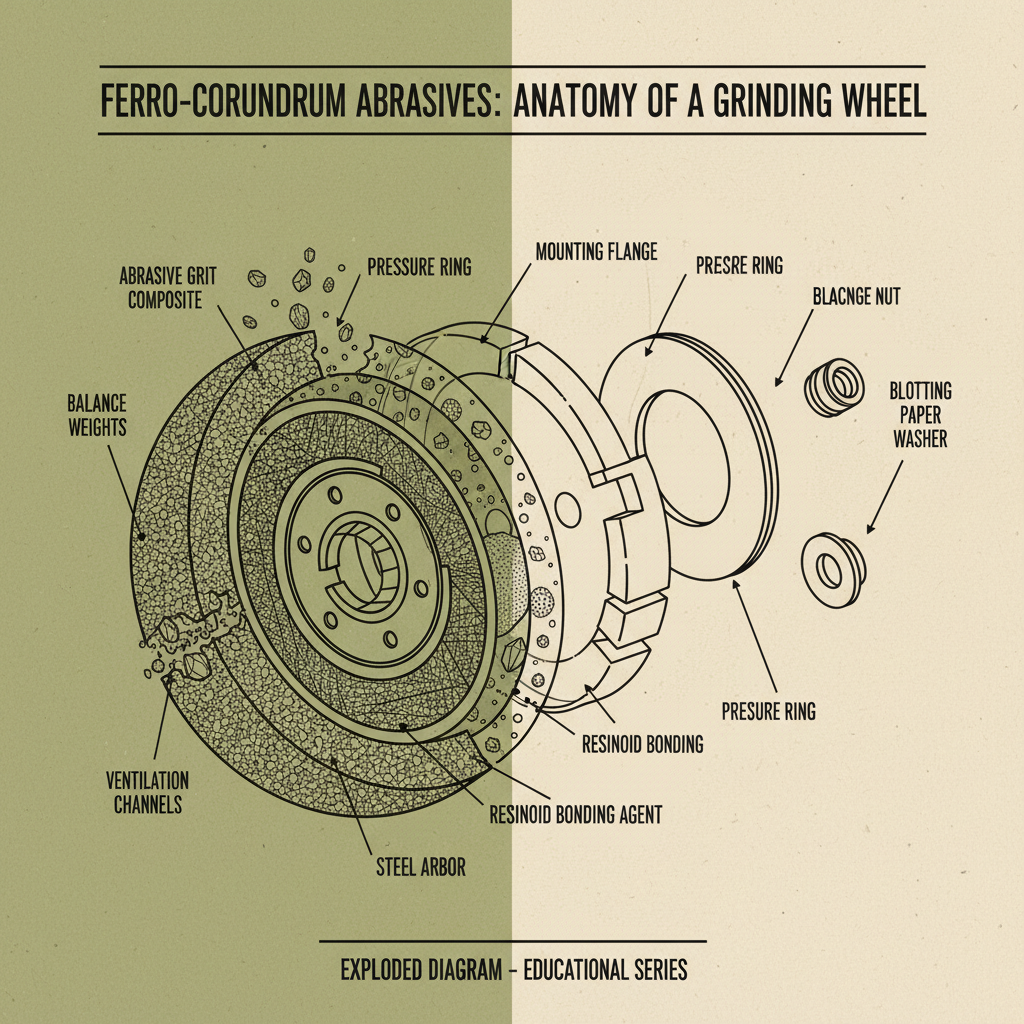
Bonded abrasive discs, like grinding wheels, have abrasive particles held together by a bonding agent. These are typically used for aggressive material removal. Coated abrasive discs, like flap discs, have abrasive particles adhered to a backing material with adhesive. They are used for finishing, blending, and smoothing. The choice depends on the application's aggressiveness and the desired finish.
Avoid excessive pressure when using the disc, as this can cause it to wear down faster. Use the correct disc for the material being worked with. Store discs in a dry environment to prevent corrosion. Regularly inspect discs for damage and replace them when necessary. Using a disc dresser can help to maintain the disc’s cutting edge and extend its lifespan.
Conclusion
In conclusion, understanding angle grinder discs types is crucial for safety, efficiency, and achieving professional results in a wide range of applications. From selecting the correct material and grit size to adhering to safety precautions, the proper use of these tools can significantly impact project outcomes and minimize risks. Recognizing the distinct characteristics of each disc type allows users to maximize performance and optimize their workflow.
Looking ahead, the continued development of innovative materials and technologies promises to further enhance the capabilities and sustainability of angle grinder discs types. By staying informed about these advancements and prioritizing best practices, professionals and DIY enthusiasts alike can unlock the full potential of these versatile tools. For a wide selection of high-quality angle grinder discs types, visit our website: cutoffdiscs.com.