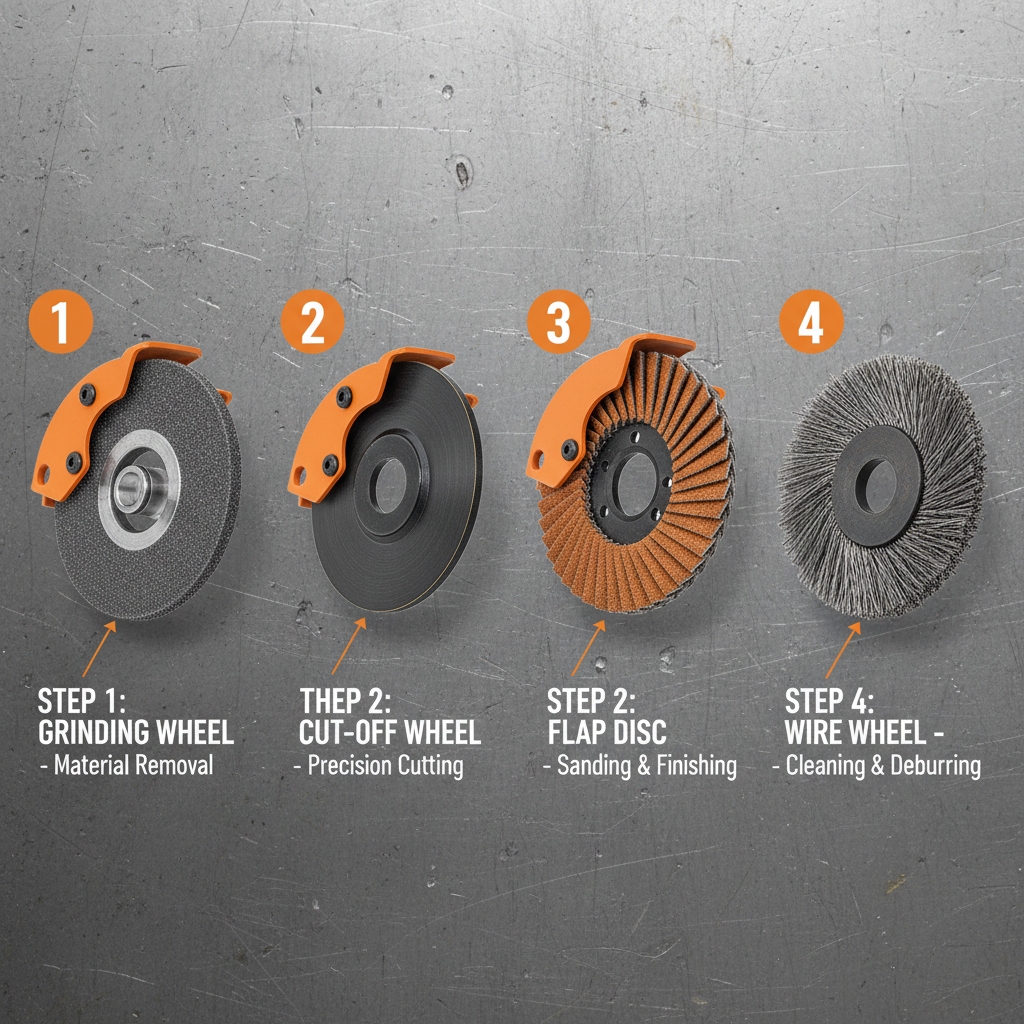
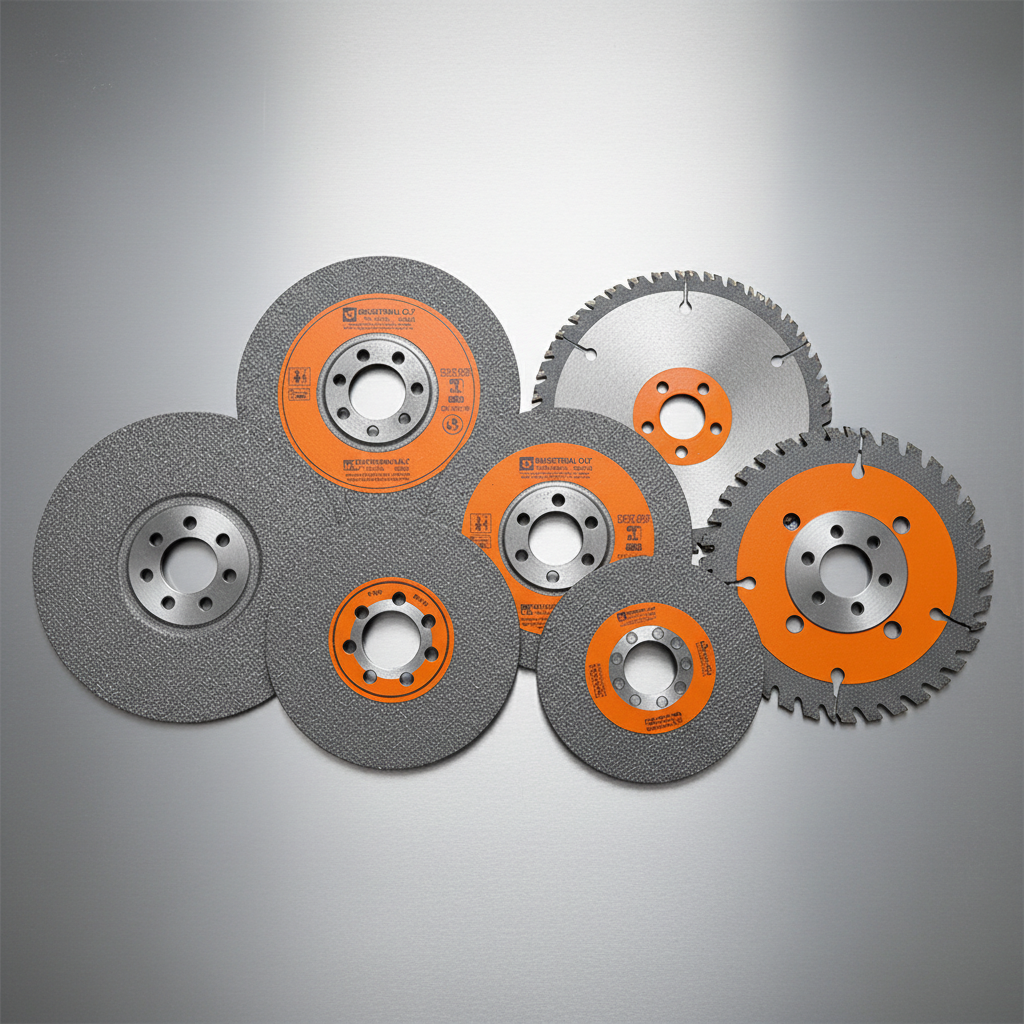
Understanding the intricacies of types of grinding wheels pdf is paramount in modern manufacturing and materials processing. These wheels, critical for shaping and finishing materials, aren't a one-size-fits-all solution. The selection of the appropriate wheel directly impacts efficiency, precision, and ultimately, the quality of the finished product. From aerospace components to everyday tools, the correct grinding wheel is essential.
The global market for abrasive products, including grinding wheels, is a multi-billion dollar industry, demonstrating its widespread importance. According to recent reports, the demand for high-performance grinding wheels is increasing, driven by industries requiring tighter tolerances and improved surface finishes. This growth is particularly evident in emerging economies with rapidly expanding manufacturing sectors.
Addressing challenges in materials processing, such as optimizing material removal rates and minimizing heat generation, necessitates a thorough understanding of types of grinding wheels pdf. Properly specifying a grinding wheel not only enhances productivity but also contributes to worker safety and reduces overall production costs. A comprehensive grasp of the available options is thus invaluable for engineers, technicians, and anyone involved in precision machining.
The Foundation of types of grinding wheels pdf
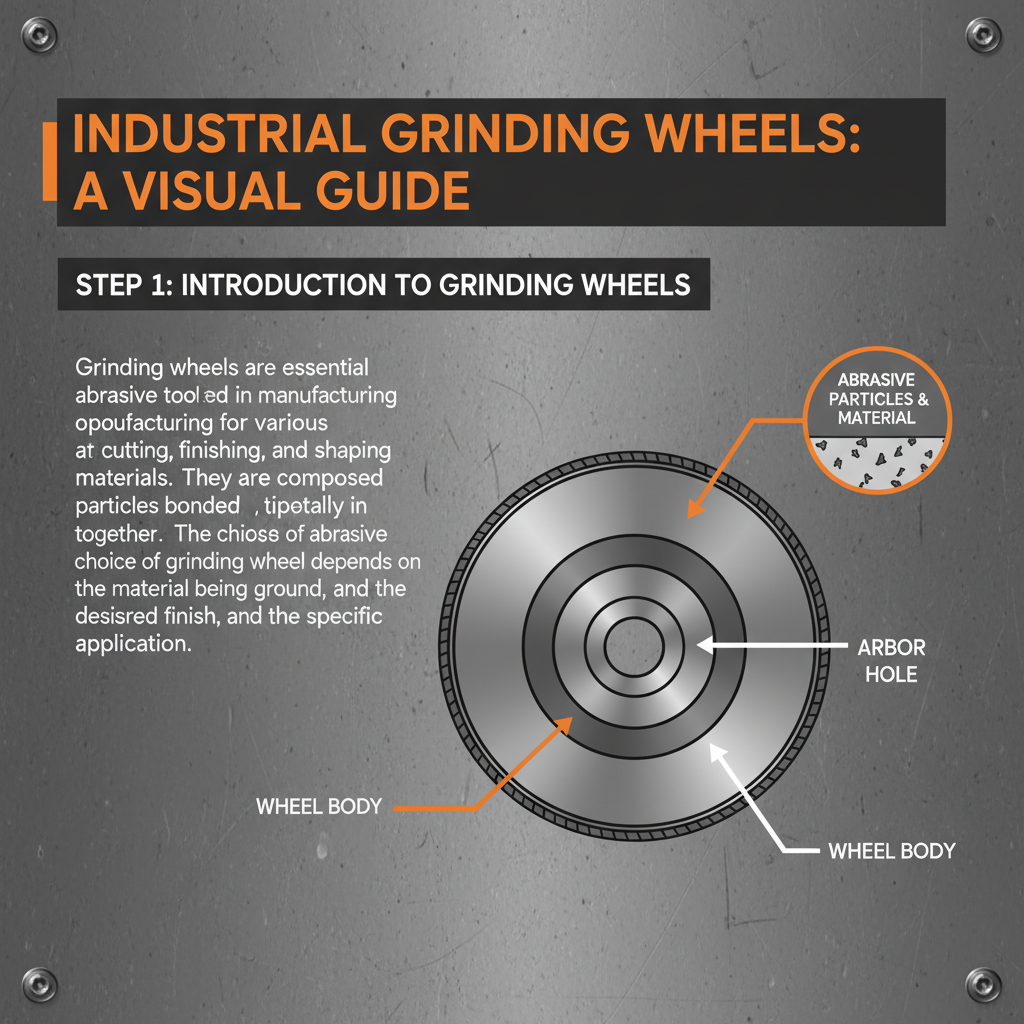
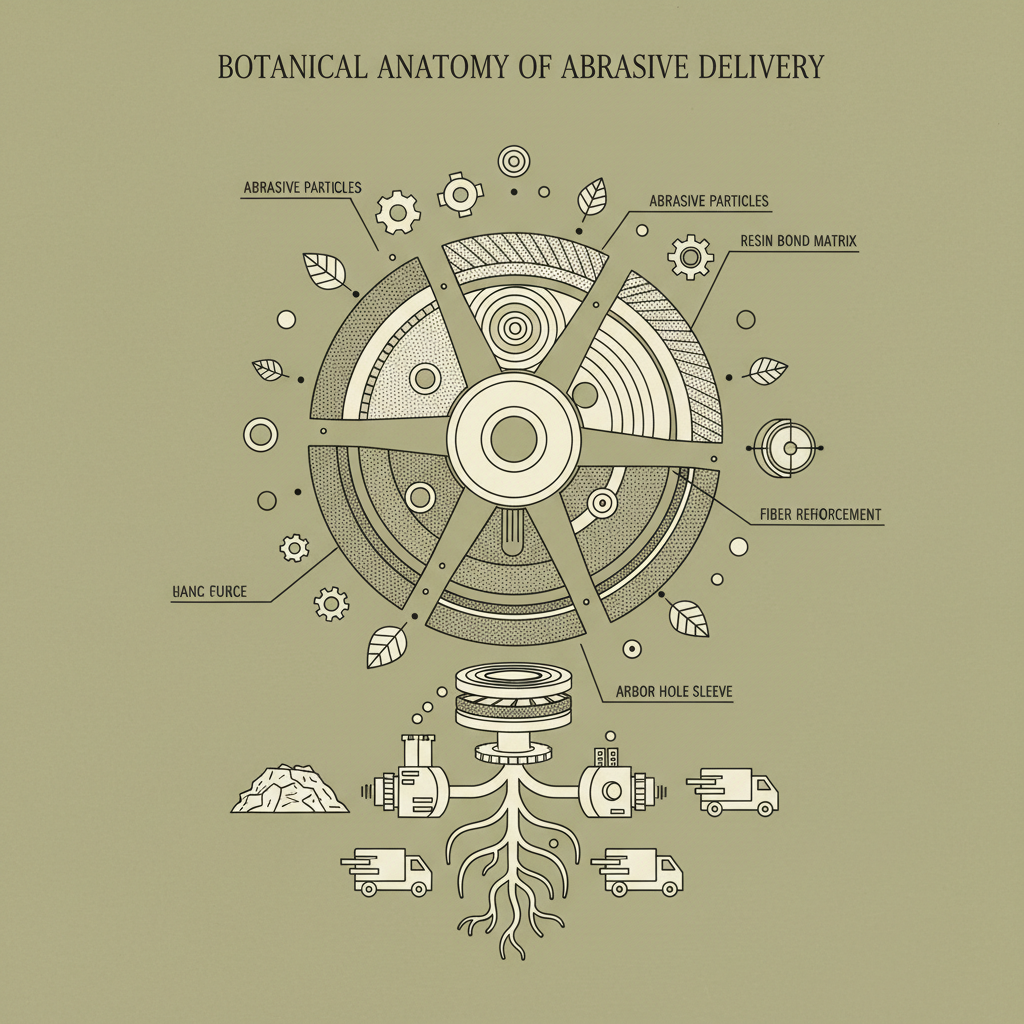
The foundational understanding of types of grinding wheels pdf begins with recognizing they are composite materials designed for abrasive machining. They are created by bonding abrasive particles – materials like aluminum oxide, silicon carbide, or diamond – together with a bonding agent. This bonding agent can be vitreous, resinoid, rubber, or metallic, each imparting different characteristics to the wheel.
The purpose of studying the different types of grinding wheels pdf is not merely academic; it's fundamentally tied to practical application. Selecting the wrong wheel for a job can lead to inefficient material removal, poor surface finish, increased heat generation, and even wheel failure, resulting in downtime and potential safety hazards. Mastering this selection process is critical for optimizing machining processes.
The Industrial Significance of types of grinding wheels pdf
Types of grinding wheels pdf play a pivotal role across a vast spectrum of industries. From automotive manufacturing, where they are used for finishing engine components, to aerospace, where precision grinding is paramount for critical parts, their application is ubiquitous. The tooling industry itself is heavily reliant on high-quality grinding wheels for creating and maintaining cutting tools.
The economic impact is substantial. Effective grinding processes reduce material waste, improve product quality, and lower overall manufacturing costs. Moreover, advancements in grinding wheel technology directly contribute to innovation in materials science and machining techniques. For example, the development of ceramic-bonded wheels has enabled the machining of extremely hard materials previously considered unworkable.
The increasing demand for high-precision components, particularly in sectors like medical device manufacturing and electronics, further amplifies the significance of understanding and correctly utilizing types of grinding wheels pdf. Meeting these stringent requirements necessitates a continuous focus on improving grinding wheel performance and adapting to new materials.
Defining types of grinding wheels pdf: A Core Concept
At its core, types of grinding wheels pdf encompass a range of abrasive tools used in machining processes to remove material through abrasive action. This differs from traditional cutting tools that rely on sharp edges. A grinding wheel utilizes numerous small abrasive particles to shear away material, creating a smooth, accurate surface. The composition and structure of the wheel dictate its cutting action and suitability for different materials.
The connection to modern industry is inseparable. Nearly all manufactured goods undergo some form of grinding or finishing, even if it's a subtle polishing step. The ability to efficiently and accurately grind materials is crucial for maintaining product quality, meeting design specifications, and ensuring the long-term reliability of finished products.
Understanding these principles is not limited to manufacturing; it extends to areas like metallurgy, materials science, and engineering design. Optimizing grinding processes necessitates a holistic approach, considering not only the wheel itself but also the workpiece material, machine parameters, and desired surface finish. types of grinding wheels pdf provides essential information.
Key Characteristics of types of grinding wheels pdf
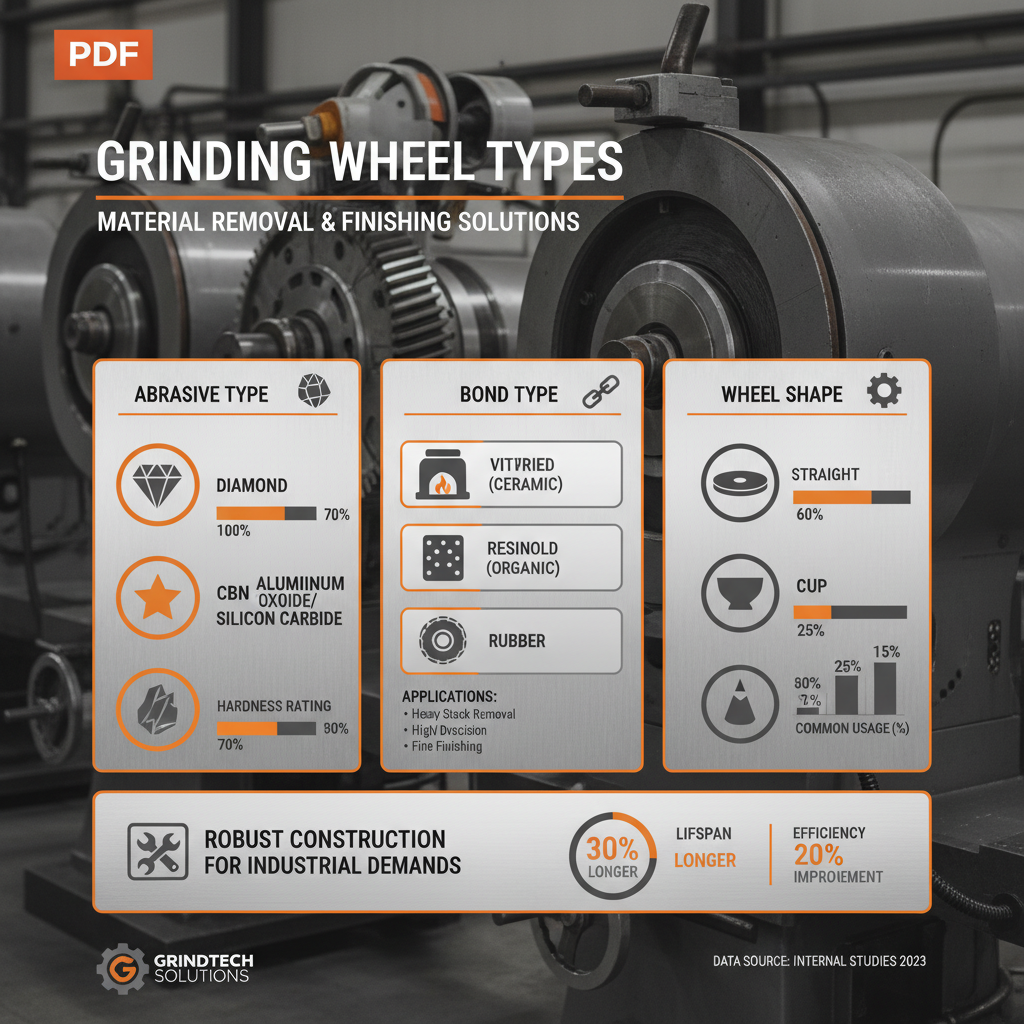
Several key characteristics define the performance of types of grinding wheels pdf. Firstly, abrasive type – aluminum oxide, silicon carbide, diamond, and cubic boron nitride – dictates the wheel's hardness and cutting ability. Secondly, grain size influences the surface finish; finer grains produce smoother finishes, while coarser grains remove material more rapidly.
Thirdly, bonding agent affects the wheel's strength, heat resistance, and ability to hold abrasive grains. Vitreous bonds are common for precision grinding, while resinoid bonds are often used for heavy-duty applications. Fourthly, wheel grade – the hardness of the bond – impacts the wheel's ability to fracture and expose new abrasive grains, affecting cutting efficiency.
Grinding Wheel Performance Comparison
Global Applications of types of grinding wheels pdf
The applications of types of grinding wheels pdf are truly global, spanning across continents and industries. In North America and Europe, they are extensively used in the automotive and aerospace sectors for precision machining of engine components and structural parts. In Asia, particularly in countries like China and India, rapidly growing manufacturing bases rely heavily on grinding wheels for diverse applications, from tool and die making to metal fabrication.
In remote industrial zones, where access to skilled labor and specialized equipment may be limited, the proper selection and use of grinding wheels are even more crucial. They enable efficient material removal and finishing, minimizing the need for complex machining operations. Furthermore, in post-disaster relief operations, portable grinding tools are often essential for repairing damaged equipment and infrastructure.
The Benefits and Value Proposition of types of grinding wheels pdf
The advantages of utilizing the correct types of grinding wheels pdf are multifaceted. From a cost perspective, optimized grinding processes reduce material waste and minimize downtime, leading to significant savings. Furthermore, high-quality grinding wheels contribute to improved product quality, enhancing the value and marketability of finished goods.
The long-term value extends beyond economic benefits. Utilizing appropriate grinding wheels promotes worker safety by minimizing the risk of wheel failure and reducing exposure to hazardous dust. They also support sustainable manufacturing practices by enabling the efficient use of materials and reducing energy consumption. This is increasingly important as businesses strive to minimize their environmental footprint and meet growing sustainability standards.
Future Trends in types of grinding wheels pdf
Several emerging trends are shaping the future of types of grinding wheels pdf. The development of advanced abrasive materials, such as nano-crystalline diamond and ceramic composites, is pushing the boundaries of machining performance. Simultaneously, innovations in bonding technologies are leading to wheels with improved strength, heat resistance, and cutting efficiency.
Digital transformation is also playing a significant role. Smart grinding wheels equipped with sensors and data analytics capabilities are enabling real-time monitoring of wheel wear and performance, allowing for predictive maintenance and optimized machining parameters. Furthermore, the increasing adoption of automation and robotics in manufacturing is driving demand for grinding wheels that are compatible with automated systems.
Analysis of Key Factors Impacting Grinding Wheel Selection
| Material Type |
Wheel Abrasive |
Bonding Agent |
Optimal Application |
| Steel Alloys |
Aluminum Oxide |
Vitreous |
Tool Sharpening, Surface Grinding |
| Cast Iron |
Silicon Carbide |
Resinoid |
Roughing Operations, High Material Removal |
| Hardened Tool Steels |
Diamond |
Metal Bonded |
Precision Grinding, Form Grinding |
| Ceramics |
Diamond |
Vitreous |
Finishing, Lapping |
| Non-Ferrous Metals |
Aluminum Oxide |
Resinoid |
Deburring, Finishing |
| High-Speed Steel |
Cubic Boron Nitride |
Metal Bonded |
High-Production Grinding, Difficult-to-Machine Materials |
FAQS
Vitreous-bonded wheels are known for their rigidity and precision, making them ideal for applications requiring tight tolerances and smooth surface finishes. They are commonly used in tool grinding and precision surface grinding. Resinoid-bonded wheels, on the other hand, are more flexible and offer higher material removal rates, making them well-suited for roughing operations and cutting harder materials. They are less prone to cracking under heavy loads. Ultimately the type of material and desired operation will drive the wheel selection.
Grain size is inversely proportional to surface finish. Finer abrasive grains create a smoother surface finish because they leave smaller scratches on the workpiece. However, finer grains remove material at a slower rate. Conversely, coarser grains remove material more quickly but produce a rougher surface. Choosing the right grain size involves balancing the desired surface finish with the required material removal rate.
Safety is paramount when working with grinding wheels. Always wear appropriate personal protective equipment (PPE), including eye protection, a face shield, and respiratory protection. Ensure the wheel is properly mounted and balanced. Never exceed the maximum operating speed indicated on the wheel. Regularly inspect the wheel for cracks or damage. A proper guard should always be used.
The correct wheel speed is crucial for both safety and performance. It’s determined by the wheel's diameter and the maximum operating speed (RPM) specified by the manufacturer, clearly marked on the wheel itself. Exceeding the maximum speed can cause the wheel to shatter. Refer to the grinding machine's manual and the wheel specifications to ensure proper speed setting.
Diamond grinding wheels are known for their exceptional hardness and wear resistance. They can effectively grind extremely hard materials, such as ceramics, glass, and hardened steels, that are difficult to machine with other abrasive types. They offer longer wheel life and can achieve very precise finishes, although they typically come at a higher cost.
Dressing a grinding wheel involves removing dull abrasive particles from the wheel surface to restore its cutting ability. This is typically done with a diamond or other hard material. It's vital for maintaining consistent grinding performance, preventing wheel loading (clogging with workpiece material), and achieving accurate dimensions. Regular dressing extends wheel life and ensures a superior surface finish.
Conclusion
In summary, a comprehensive understanding of types of grinding wheels pdf is not merely a technical detail but a fundamental requirement for successful manufacturing and materials processing. From selecting the right abrasive and bond to optimizing wheel speed and employing proper safety procedures, each aspect plays a crucial role in achieving efficient, precise, and safe grinding operations. The key takeaways are the importance of matching the wheel properties to the workpiece material, understanding the impact of grain size and bonding agents, and prioritizing safety at all times.
Looking ahead, advancements in materials science, digital technologies, and automation will continue to drive innovation in grinding wheel technology. Embracing these advancements will be essential for maintaining a competitive edge in the global manufacturing landscape. For a deeper dive into grinding wheel solutions and related products, visit our website: www.cutoffdiscs.com.