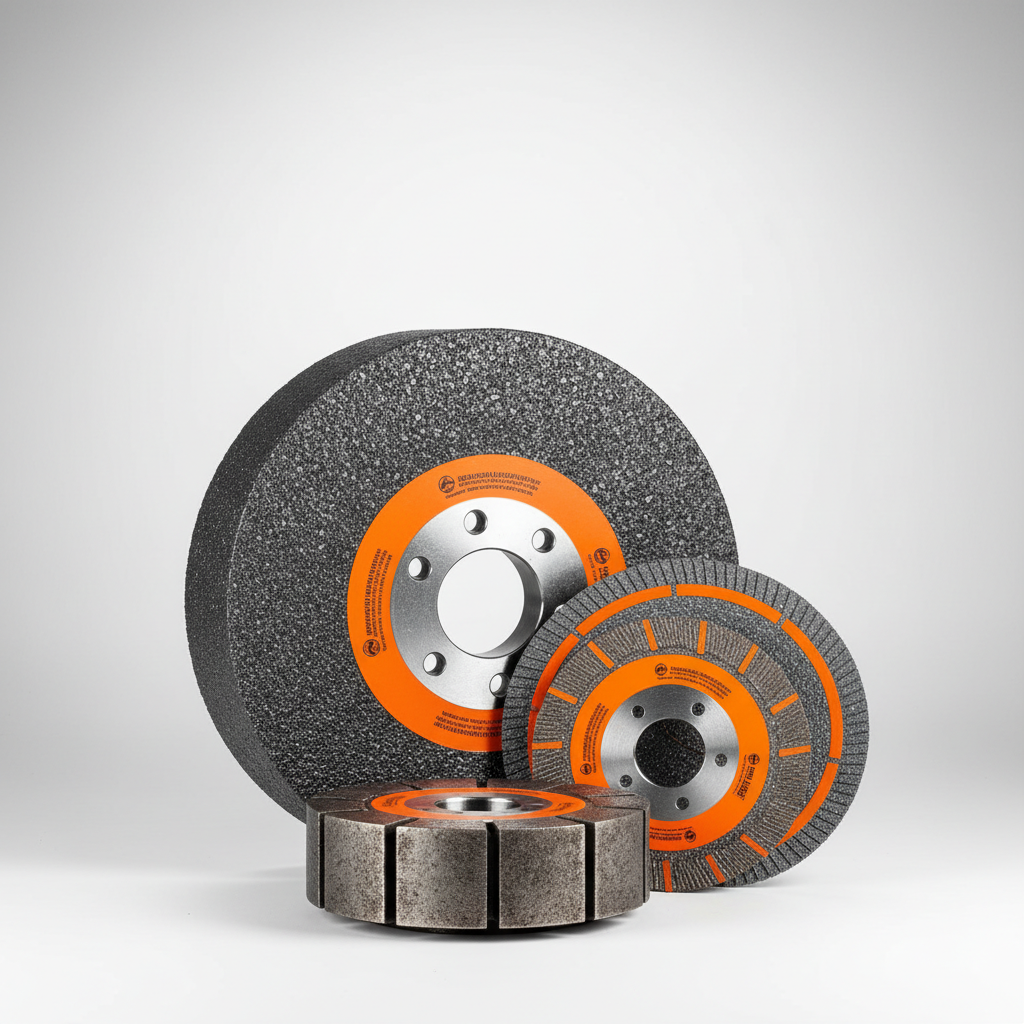
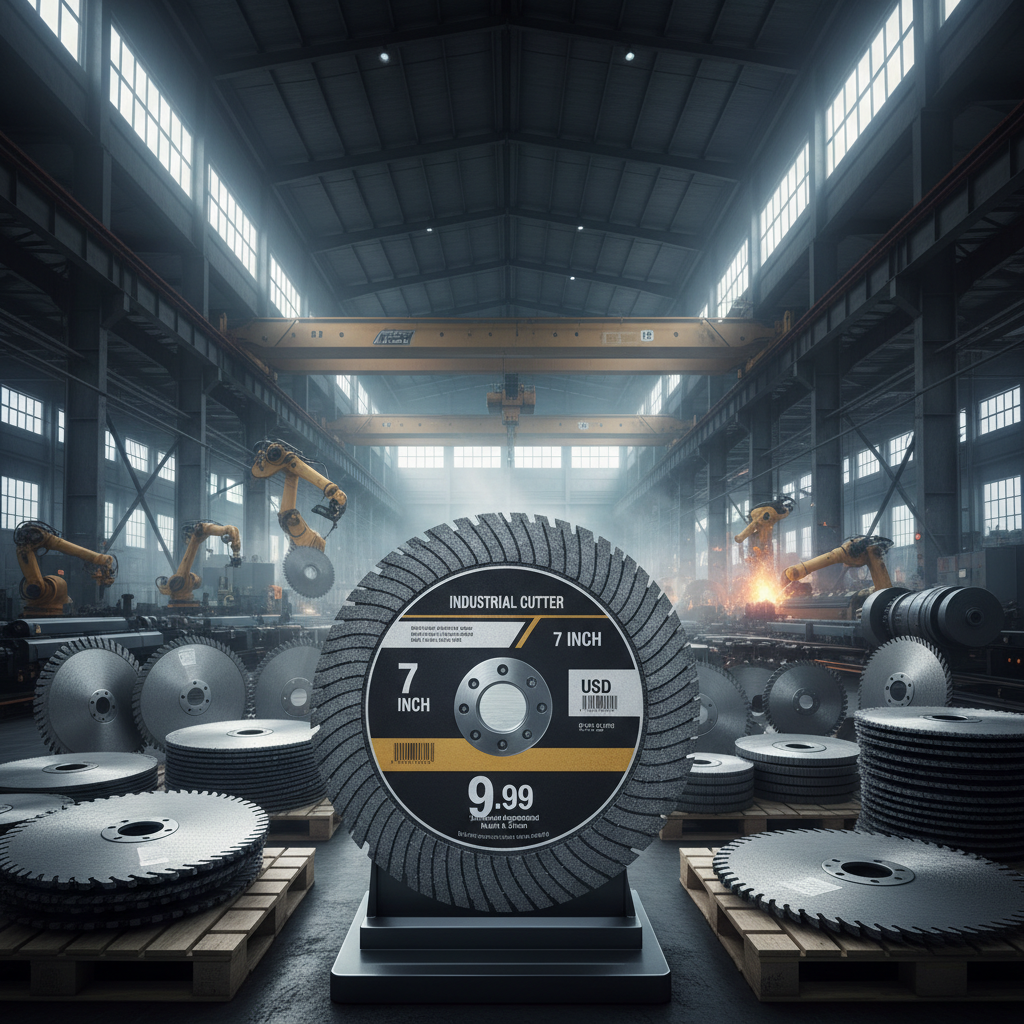
Grinding wheels types are fundamental to a vast array of manufacturing and metalworking processes, enabling precise shaping, deburring, and finishing of materials. From aerospace components to everyday tools, the selection of the correct grinding wheel is critical for achieving desired surface finishes, tolerances, and overall product quality. Understanding the nuances of different grinding wheels types – their abrasive grains, bonding materials, and structural characteristics – is therefore essential for optimizing efficiency and reducing costs in modern industrial settings.
The global market for abrasive products, including grinding wheels types, is substantial and growing. According to recent reports, the abrasive market was valued at USD 46.63 billion in 2023 and is projected to reach USD 61.77 billion by 2032, registering a CAGR of 3.98% from 2024 to 2032. This growth is driven by increasing demand from end-use industries such as automotive, aerospace, construction, and metal fabrication. The challenge lies in navigating the increasing complexity of materials and the demand for more sustainable and efficient grinding solutions.
Proper utilization of grinding wheels types contributes directly to improved manufacturing productivity, reduced material waste, and enhanced worker safety. Investing in knowledge about these tools empowers engineers and operators to make informed decisions that impact not only the bottom line but also the environmental footprint of their operations. The principles governing grinding wheel selection and application are consistently evolving with materials science and technological advancements.
Introduction to grinding wheels types
Understanding the different grinding wheels types is paramount for effective material removal and surface finishing. The correct selection significantly impacts production efficiency, workpiece quality, and overall cost. This selection hinges on factors like the material being ground, the desired surface finish, and the grinding process itself.
The evolution of grinding wheels types has mirrored advances in materials science and manufacturing technology. From traditional abrasive grains like aluminum oxide and silicon carbide to more specialized materials like diamond and cubic boron nitride, the available options cater to an increasingly diverse range of applications.
Defining Grinding Wheels Types
Grinding wheels types are abrasive tools used for a variety of material removal and surface finishing operations. They consist of abrasive particles held together by a bonding agent, forming a wheel shape designed to be rotated at high speeds. The process of grinding utilizes these abrasive particles to shear away material from the workpiece, creating a desired shape, dimension, or surface finish.
These tools aren’t simply homogenous blocks of abrasive material; they’re carefully engineered composites. The specific characteristics of a grinding wheel – the type of abrasive grain, the bonding material, the wheel’s grit size and grade, and its structure – all contribute to its performance and suitability for particular applications.
The relevance of grinding wheels types extends beyond typical manufacturing. They are crucial in maintaining infrastructure, repairing machinery, and even in specialized fields like medical device manufacturing and precision optics, ensuring critical components meet stringent quality standards.
Key Components of grinding wheels types
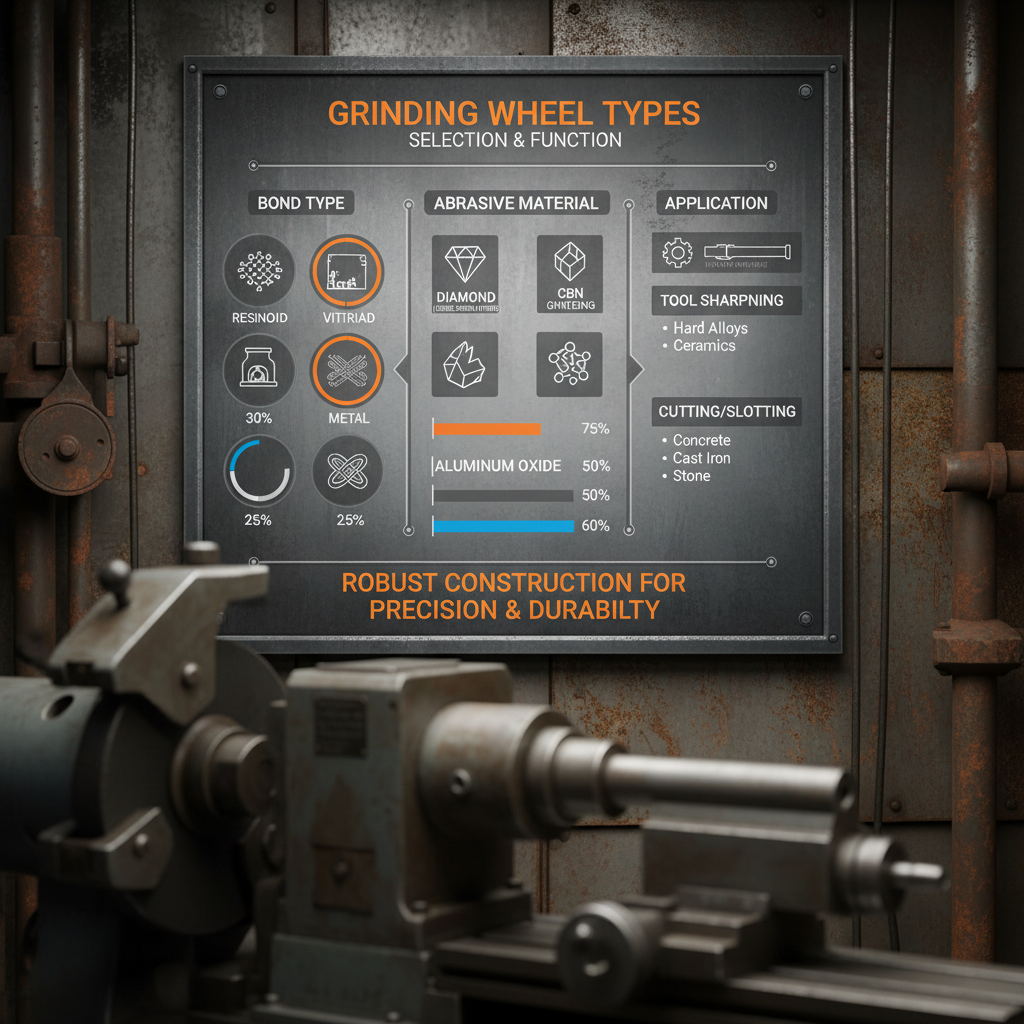
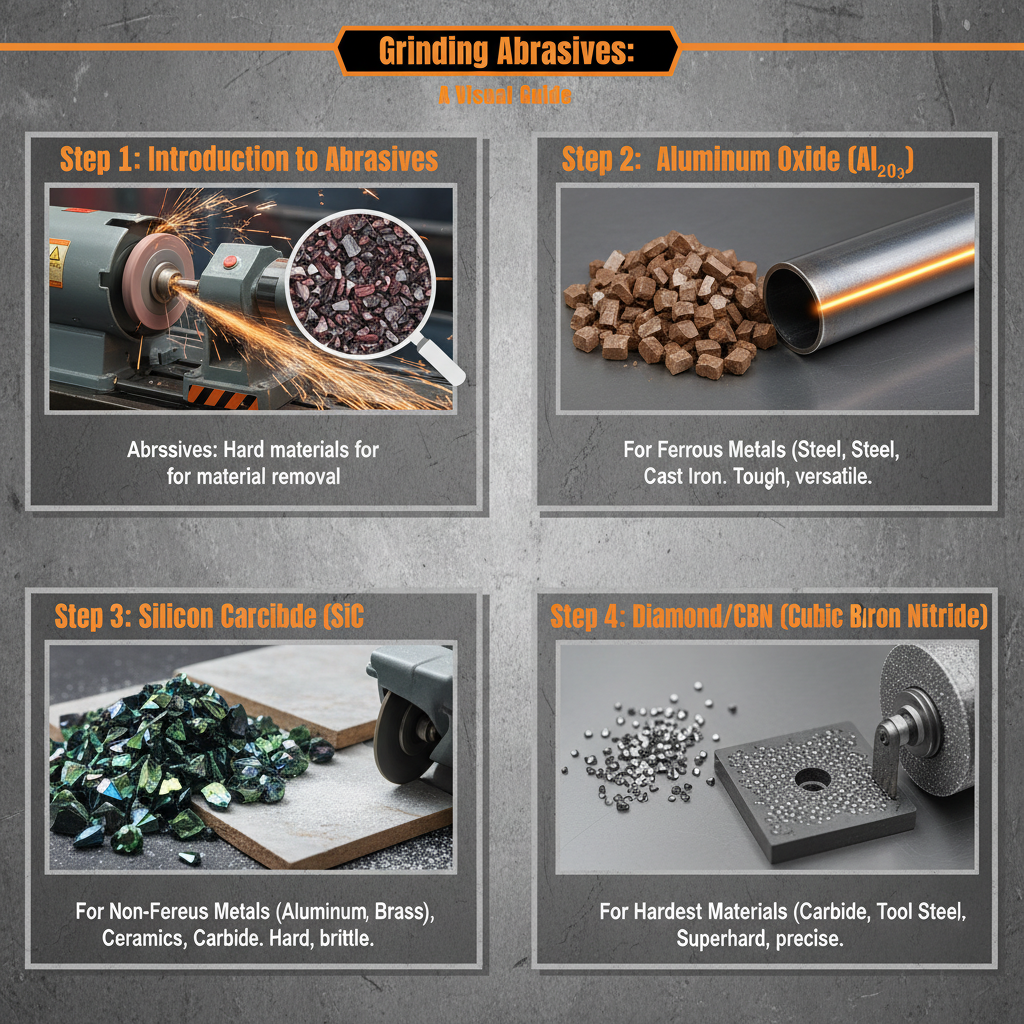
The abrasive grain is the cutting component of the grinding wheel. Common types include aluminum oxide (for general-purpose grinding), silicon carbide (for harder materials), diamond (for extremely hard materials), and cubic boron nitride (for ferrous metals). The grain size – indicated by a grit number – determines the coarseness of the wheel, with lower numbers representing coarser grains and higher numbers representing finer grains.
The bonding agent holds the abrasive grains together and influences the wheel’s strength, rigidity, and ability to withstand heat. Common bonding agents include vitrified (ceramic), resinoid (organic), rubber, and metal. Vitrified bonds are most common for precision grinding, while resinoid bonds are often used for high-speed applications.
Wheel structure, often expressed as a percentage, refers to the amount of air space within the wheel. A more open structure allows for better chip clearance and cooling, while a denser structure provides greater strength and rigidity. Selecting the appropriate structure depends on the material being ground and the desired grinding conditions.
Applications of grinding wheels types
The applications of grinding wheels types are incredibly diverse. In the automotive industry, they are used for grinding engine components, finishing brake rotors, and sharpening cutting tools. The aerospace industry utilizes specialized grinding wheels types for shaping turbine blades and machining critical aircraft parts.
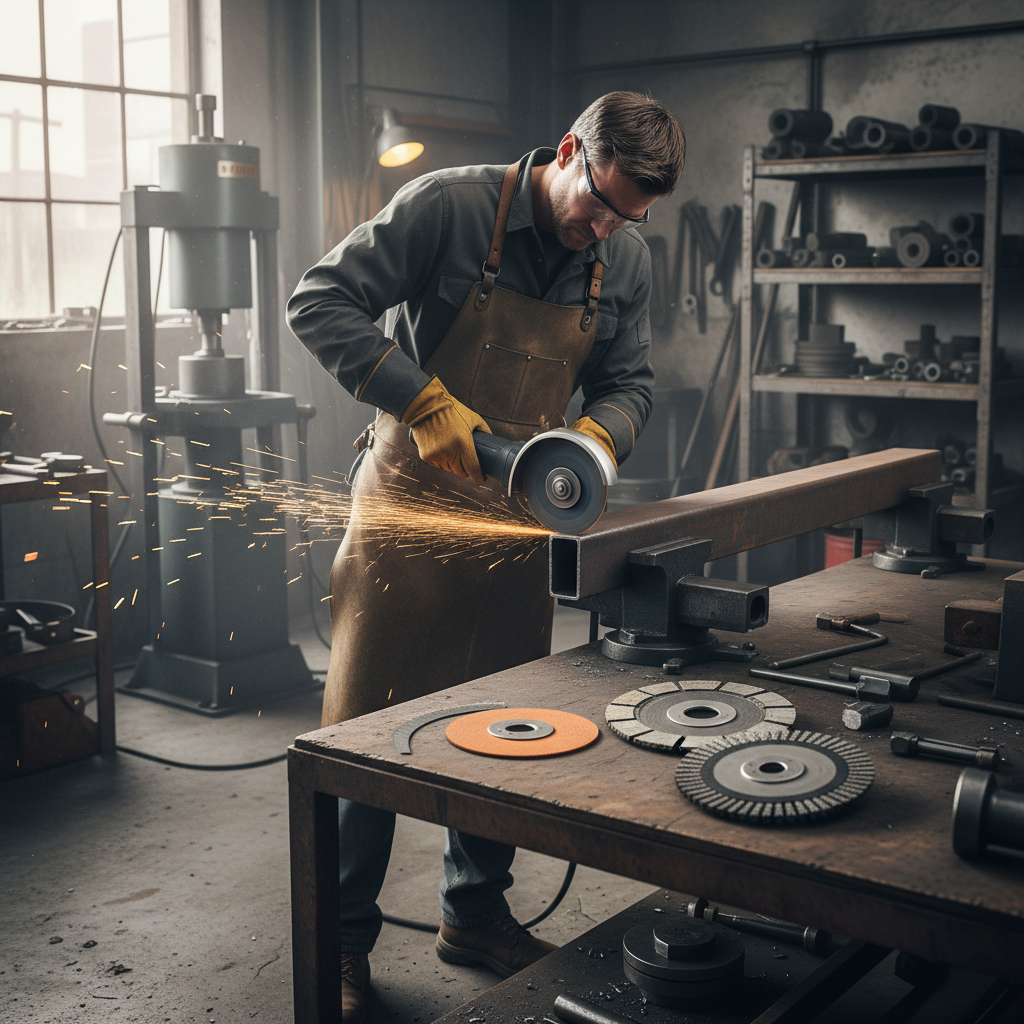
Metal fabrication shops rely heavily on grinding wheels types for deburring, weld removal, and surface finishing. Construction utilizes them for cutting and shaping concrete, stone, and asphalt. Even the medical device industry employs precision grinding wheels types to manufacture implants and surgical instruments.
Grinding Wheel Selection Based on Material Hardness
Advantages and Long-Term Value
Using the correct grinding wheels types offers significant cost savings through reduced scrap rates, extended tool life, and increased production efficiency. The precision achievable with properly selected and used wheels also minimizes rework and ensures higher product quality, enhancing customer satisfaction.
Beyond the economic benefits, using high-quality grinding wheels types improves worker safety by reducing the risk of wheel breakage and providing more consistent performance. This contributes to a more reliable and predictable manufacturing process, fostering trust and confidence in the final product.
Future Trends in grinding wheels types
The future of grinding wheels types is focused on sustainability and automation. Research is ongoing into developing more environmentally friendly bonding agents and abrasive grains, as well as extending wheel life to reduce waste. Automation is playing a key role through robotic grinding systems.
The integration of digital technologies, like sensor-equipped grinding wheels and data analytics, is also emerging. These systems can monitor wheel wear, optimize grinding parameters in real-time, and predict potential failures, leading to proactive maintenance and reduced downtime.
Further developments in superabrasive materials, such as advanced diamond composites and cubic boron nitride formulations, promise to deliver even higher performance and efficiency for challenging applications.
Challenges and Solutions
One significant challenge is the increasing complexity of materials being ground, particularly composites and high-strength alloys. These materials require specialized grinding wheels types and techniques to avoid damage and achieve desired surface finishes.
Another challenge is maintaining consistent wheel quality and performance. Variations in abrasive grain distribution, bonding agent composition, and wheel structure can lead to inconsistent results. Implementing robust quality control measures and working with reputable suppliers are critical solutions.
Finally, optimizing grinding processes to minimize heat generation and material waste remains a priority. This involves carefully selecting grinding parameters, using effective coolants, and employing advanced grinding techniques like creep-feed grinding and electrochemical grinding.
Summary of Key Considerations for Grinding Wheel Selection
| Material Being Ground |
Desired Surface Finish |
Grinding Process |
Wheel Lifespan Expectancy |
| Steel |
Rough |
Surface Grinding |
Medium (50-75 hours) |
| Aluminum |
Fine |
Deburring |
High (100+ hours) |
| Cast Iron |
Medium |
Cylindrical Grinding |
Low (25-50 hours) |
| Ceramics |
High |
Precision Grinding |
Variable (30-100 hours) |
| Titanium |
Very Fine |
Creep Feed Grinding |
High (80+ hours) |
| Composite Materials |
Medium-Fine |
Tool Grinding |
Medium (40-60 hours) |
FAQS
When choosing grinding wheels types, consider the workpiece material, desired surface finish, grinding process, and wheel speed. Harder materials generally require more abrasive grains like diamond or CBN. The grit size influences the surface finish – finer grits create smoother surfaces. The bonding agent and wheel structure affect heat dissipation and chip clearance. Always prioritize safety and follow manufacturer recommendations.
Grinding wheel replacement frequency depends on usage, material, and wheel type. Visually inspect for cracks, chips, or excessive wear. If the wheel becomes unbalanced or exhibits reduced grinding efficiency, it’s time to replace it. Following the manufacturer's guidelines for maximum operating speed and lifespan is crucial for safety and performance.
Vitrified bonded wheels are ceramic-bonded, offering excellent shape retention and suited for precision grinding at lower speeds. Resinoid bonded wheels are held together by organic resins, providing higher strength and allowing for faster grinding speeds. Resinoid wheels are typically used for cutting and snagging operations.
Always inspect wheels for damage before mounting. Ensure the wheel is properly mounted and balanced. Use appropriate guards and personal protective equipment (PPE) – including eye and face protection, gloves, and respirators. Never exceed the maximum operating speed specified on the wheel. Follow all safety guidelines provided by the manufacturer.
Grit size dictates the aggressiveness of material removal. Coarser grits (lower numbers) remove material quickly but leave a rougher surface. Finer grits (higher numbers) provide a smoother finish but remove material more slowly. Selecting the appropriate grit size is crucial for achieving the desired surface quality and material removal rate.
Wheel wear can be minimized by using proper grinding techniques, maintaining appropriate coolant levels, and selecting the right wheel for the application. Avoiding excessive pressure and feed rates also extends wheel life. Regular wheel dressing or truing helps maintain the wheel’s cutting efficiency and prevents premature wear.
Conclusion
In conclusion, understanding grinding wheels types is critical for optimizing manufacturing processes, ensuring product quality, and maximizing efficiency. From selecting the appropriate abrasive grain and bonding agent to considering the application-specific requirements, a thoughtful approach to grinding wheel selection delivers substantial benefits.
Looking ahead, the evolution of grinding technology will continue to be driven by the demands for increased precision, sustainability, and automation. Staying informed about the latest advancements in materials, techniques, and digital solutions is essential for professionals seeking to remain competitive in today's dynamic manufacturing landscape. For a comprehensive selection of high-quality grinding wheels types and expert advice, visit our website: www.cutoffdiscs.com