0%

Table of Contents

Different shapes of grinding wheel are fundamental components in modern manufacturing, metalworking, and a multitude of other industrial processes. Their ability to precisely remove material, refine surfaces, and achieve specific geometries makes them indispensable across diverse sectors. Understanding the nuances of these shapes – from the common straight wheel to specialized designs – is crucial for optimizing performance, ensuring safety, and achieving desired outcomes in a wide range of applications.

The global market for grinding wheels is substantial, driven by the continuous demand for precision engineering and material processing. According to a report by Market Research Future, the grinding wheel market is projected to reach USD 2.86 billion by 2030, growing at a CAGR of 4.2% from 2022. This growth is fueled by the expansion of automotive, aerospace, and construction industries, particularly in emerging economies.

A significant challenge within the industry is selecting the correct wheel shape for a specific application. Incorrect selection can lead to reduced efficiency, poor surface finish, increased wear, and even safety hazards. Therefore, a thorough understanding of the capabilities and limitations of different shapes of grinding wheel is paramount for professionals in these fields.
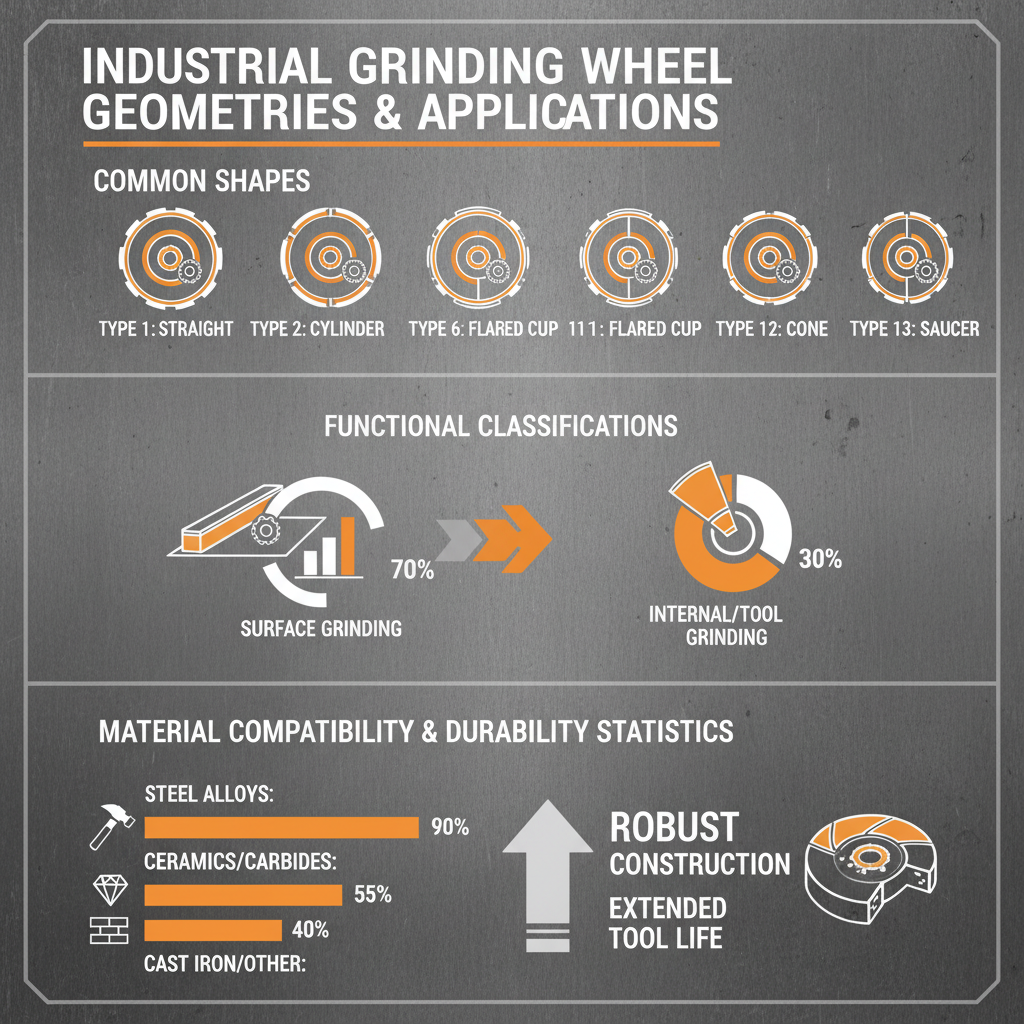
Exploring Different Shapes of Grinding Wheel for Optimal Performance and Safety

The Importance of Understanding Different Shapes of Grinding Wheel

Exploring Different Shapes of Grinding Wheel for Optimal Performance and Safety

Selecting the appropriate shape of grinding wheel is not merely a matter of convenience; it directly impacts the quality, efficiency, and cost-effectiveness of a grinding operation. Different shapes are designed to excel in specific tasks, whether it's surface grinding, cylindrical grinding, centerless grinding, or tool sharpening. A deeper understanding allows for optimal material removal rates, precise dimensional control, and extended wheel life.

Beyond the technical aspects, choosing the right wheel shape also contributes to workplace safety. An improperly selected wheel can lead to wheel breakage, creating a hazardous environment for operators. By prioritizing knowledge of different shapes of grinding wheel, manufacturers and technicians can minimize risks and ensure a safe and productive work environment.

Defining Different Shapes of Grinding Wheel

Different shapes of grinding wheel refer to the physical form and configuration of abrasive material bonded together to create a cutting tool. These wheels are characterized by their profile, diameter, thickness, and abrasive grain size. The shape dictates how the wheel contacts the workpiece and influences the grinding process. Common shapes include straight wheels, flared wheels, dish wheels, and various specialized forms designed for specific applications.

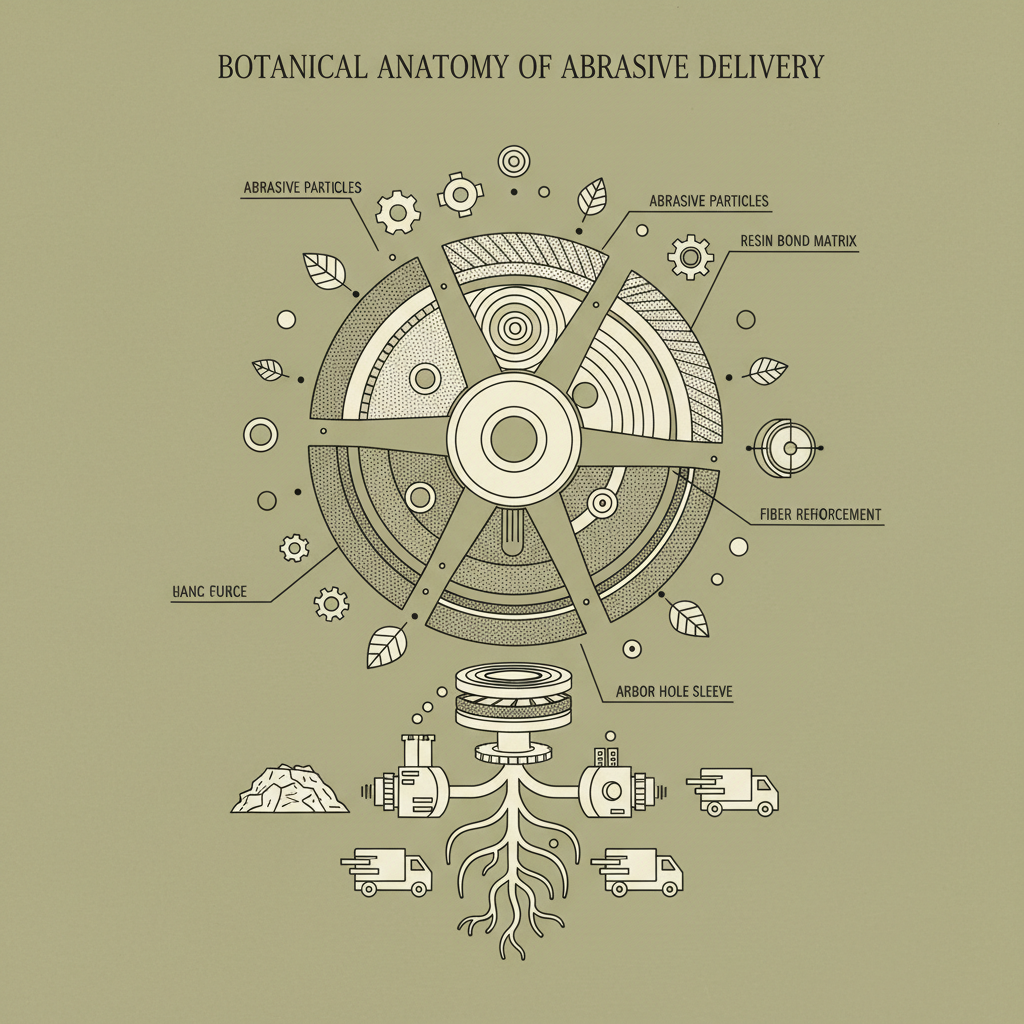
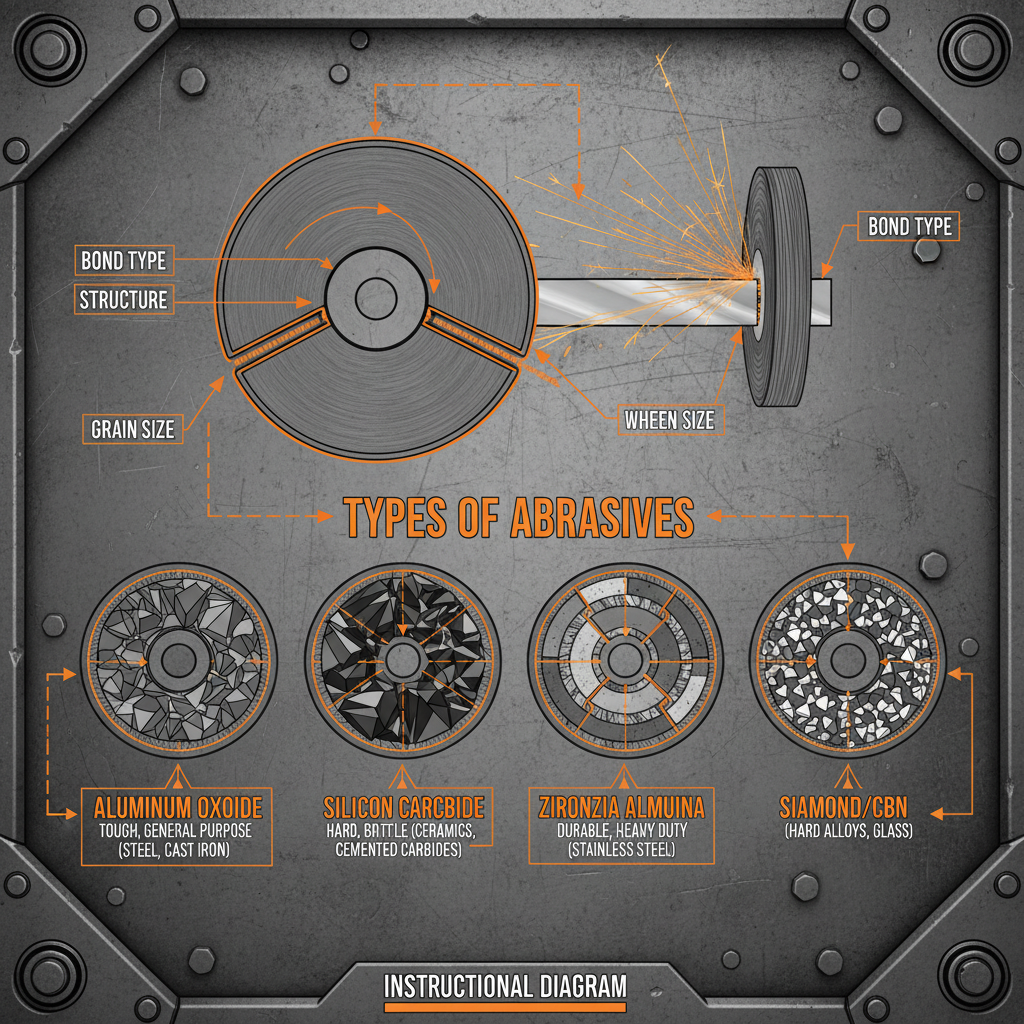
These wheels aren’t simply solid blocks of abrasive. They’re constructed from a matrix of abrasive grains (like aluminum oxide, silicon carbide, or diamond) held together by a bonding agent (such as vitrified, resinoid, or rubber). The choice of abrasive and bond type further influences the wheel's performance and suitability for different materials and grinding operations.

The precise geometry of a wheel – its shape – is critical for achieving the desired surface finish, dimensional accuracy, and material removal rate. The correct choice is a fundamental element of achieving efficient and high-quality grinding results, impacting industries ranging from aerospace to automotive and beyond.

Core Characteristics of Different Shapes of Grinding Wheel

Durability is a key characteristic. The shape influences how stress is distributed during grinding, impacting wheel life. For instance, a straight wheel, while versatile, may wear more quickly in certain applications compared to a flared wheel designed for larger contact areas. Selecting a wheel shape appropriate for the material and cutting parameters extends its usable life, reducing operational costs.

Precision is directly tied to shape. Certain shapes, like dish wheels, are designed for precision surface grinding, offering excellent form holding capabilities. Others, such as cup wheels, excel in tool sharpening where accuracy is critical. The ability to maintain consistent dimensions throughout the wheel’s life is a measure of its precision characteristics.

Versatility is also vital. Straight wheels are renowned for their versatility, capable of handling a wide range of grinding operations. However, specialized shapes often provide superior performance in specific tasks. Understanding the trade-offs between versatility and specialization is critical for optimal selection.

Practical Applications of Different Shapes of Grinding Wheel

Straight wheels are the most common type, employed in universal grinding machines for a broad range of tasks, including surface grinding, cylindrical grinding, and centerless grinding. Their adaptability makes them a staple in many workshops.

Flared wheels are utilized for applications requiring large contact areas and high material removal rates, such as roughing operations on cast iron or steel. They efficiently address surface imperfections and shape larger components.

Comparison of Material Removal Rates for Different Shapes of Grinding Wheel


Global Impact and Industry Applications

The automotive industry relies heavily on different shapes of grinding wheel for precision machining of engine components, gears, and braking systems. Achieving tight tolerances and smooth surface finishes is critical for performance and safety.

Aerospace manufacturing demands extremely high-precision grinding, utilizing specialized wheel shapes like diamond wheels for processing turbine blades and other critical components. The reliability of these components directly impacts flight safety, making accurate grinding paramount.

Advantages and Long-Term Value

Selecting the optimal shape of grinding wheel reduces cycle times and material waste, translating to significant cost savings for manufacturers. Higher efficiency means lower production costs and improved profitability.

Investing in the right wheel shape enhances the quality and longevity of finished products. Precision grinding minimizes defects and improves performance, leading to increased customer satisfaction and brand reputation.

Future Trends in Different Shapes of Grinding Wheel Technology

The development of advanced abrasive materials, such as cubic boron nitride (CBN), is enabling the creation of more efficient and durable grinding wheels. These materials offer superior performance when machining hardened steels and other difficult-to-cut materials.

Automation and robotics are playing an increasingly important role in grinding operations. The integration of automated wheel changing systems and robotic grinding cells enhances productivity and reduces labor costs.

Digitalization and data analytics are allowing manufacturers to optimize grinding processes in real-time. Sensors embedded in grinding machines collect data on wheel wear, vibration, and temperature, providing insights for predictive maintenance and process control.

Summary of Factors Influencing Grinding Wheel Shape Selection

Material Being Ground Required Surface Finish Grinding Operation Type Production Volume
Hardened Steel Ra 0.8 μm Surface Grinding Low-Volume, High-Precision
Cast Iron Ra 3.2 μm Rough Cylindrical Grinding High-Volume, Rapid Material Removal
Aluminum Alloy Ra 1.6 μm Precision Centerless Grinding Medium-Volume, Tight Tolerances
Tool Steel Ra 0.4 μm Tool Sharpening Low-Volume, High Accuracy
Ceramic Material Ra 0.2 μm Creep-Feed Grinding Specialized Applications, High Precision
Titanium Alloy Ra 1.0 μm High-Speed Surface Grinding Medium-Volume, Demanding Material

FAQS

What is the primary difference between a straight wheel and a dish wheel?

A straight wheel is the most versatile and commonly used type, suitable for a broad range of grinding applications. It excels in general-purpose grinding. A dish wheel, however, is designed for precision surface grinding, offering a larger grinding surface for improved form-holding and more efficient material removal, particularly on flat surfaces. Its design provides better rigidity and less vibration during operation.

How does the abrasive grain size affect the wheel shape choice?

Abrasive grain size significantly impacts the wheel shape selection. Coarser grains are used for rapid material removal and are often paired with flared wheels for roughing operations. Finer grains are chosen for precision grinding and achieving smooth surface finishes, commonly used with straight or dish wheels. The grain size dictates the cutting action and the required wheel shape should complement this action for optimal results.

What is the best wheel shape for sharpening cutting tools?

Cup wheels are generally the best choice for sharpening cutting tools. Their shape allows for precise contact with the tool’s cutting edge, ensuring accurate angle maintenance and a sharp, consistent finish. They offer good control and minimize the risk of damaging the tool. Specialized variations may also be used depending on the tool’s geometry.

How does the material being ground influence the selection of the wheel shape?

The material’s hardness and composition heavily influence the wheel shape choice. Harder materials like hardened steel require wheels with more aggressive abrasives (like CBN) and shapes designed for efficient material removal, often a flared or straight wheel. Softer materials like aluminum might use finer abrasives and dish wheels for smoother finishes. The goal is to balance material removal rate with wheel life and surface quality.

What are the safety considerations when selecting a grinding wheel shape?

Selecting the appropriate wheel shape is crucial for safety. Using a shape not designed for the specific application can lead to wheel breakage and projectile hazards. Always ensure the wheel's maximum operating speed matches the machine’s specifications. Properly mount and inspect the wheel for defects before each use. A correctly selected and maintained wheel significantly reduces the risk of accidents.

How do bonding agents affect the suitability of a wheel shape for different applications?

The bonding agent binds the abrasive grains together and influences the wheel’s hardness and wear characteristics. Vitrified bonds are common for precision grinding, offering rigidity and good heat dissipation. Resinoid bonds are more flexible and suited for higher production rates. Rubber bonds are used for specialized applications requiring a softer grinding action. The bond type must be compatible with the wheel shape and material being ground to optimize performance and safety.

Conclusion

Understanding the diverse range of different shapes of grinding wheel is paramount for achieving optimal results in any grinding operation. From the versatile straight wheel to the precision-focused dish wheel, each shape offers unique capabilities tailored to specific materials, applications, and desired surface finishes. Selecting the correct shape, in conjunction with the appropriate abrasive grain and bonding agent, directly impacts efficiency, cost-effectiveness, and safety.

As technology advances, the development of new materials and automated grinding systems will further enhance the capabilities of different shapes of grinding wheel. Embracing these innovations and continually refining our understanding of grinding wheel characteristics will be crucial for maintaining a competitive edge in modern manufacturing. To learn more about selecting the right grinding wheel for your needs, visit our website: different shapes of grinding wheel.


Kevin Wilson

Kevin Wilson

Kevin Wilson is a Process Improvement Specialist at Hebei Double Goats. His primary focus is optimizing the manufacturing process and implementing lean principles to enhance efficiency and reduce waste. Kevin worked closely with engineering to bring the world’s longest computer-controlled electric heating tunnel hardening furnace production lines online. He is
Previous Exploring Different Types Grinding Wheels for Optimal Material Removal
Next Exploring Diverse Angle Grinder Cutting Wheel Types and Their Applications
tel
email
phone
top