Understanding the total grinding wheel cost is essential for any industrial operation looking to balance precision with profitability. While the initial purchase price is often the primary focus, the true cost of ownership includes wear rates, labor efficiency, and the impact of tool lifespan on production downtime. For manufacturers in the non-metallic mineral sector, selecting the right abrasive tool is not just a purchasing decision but a strategic operational move.
Globally, the demand for high-performance abrasives is surging, driven by the aerospace and automotive industries' need for tighter tolerances. However, fluctuating raw material prices for ceramics and resins have made predicting the grinding wheel cost more complex. Companies that fail to account for the relationship between abrasive quality and wheel longevity often find themselves spending more on frequent replacements than they would have on a premium, long-lasting product.
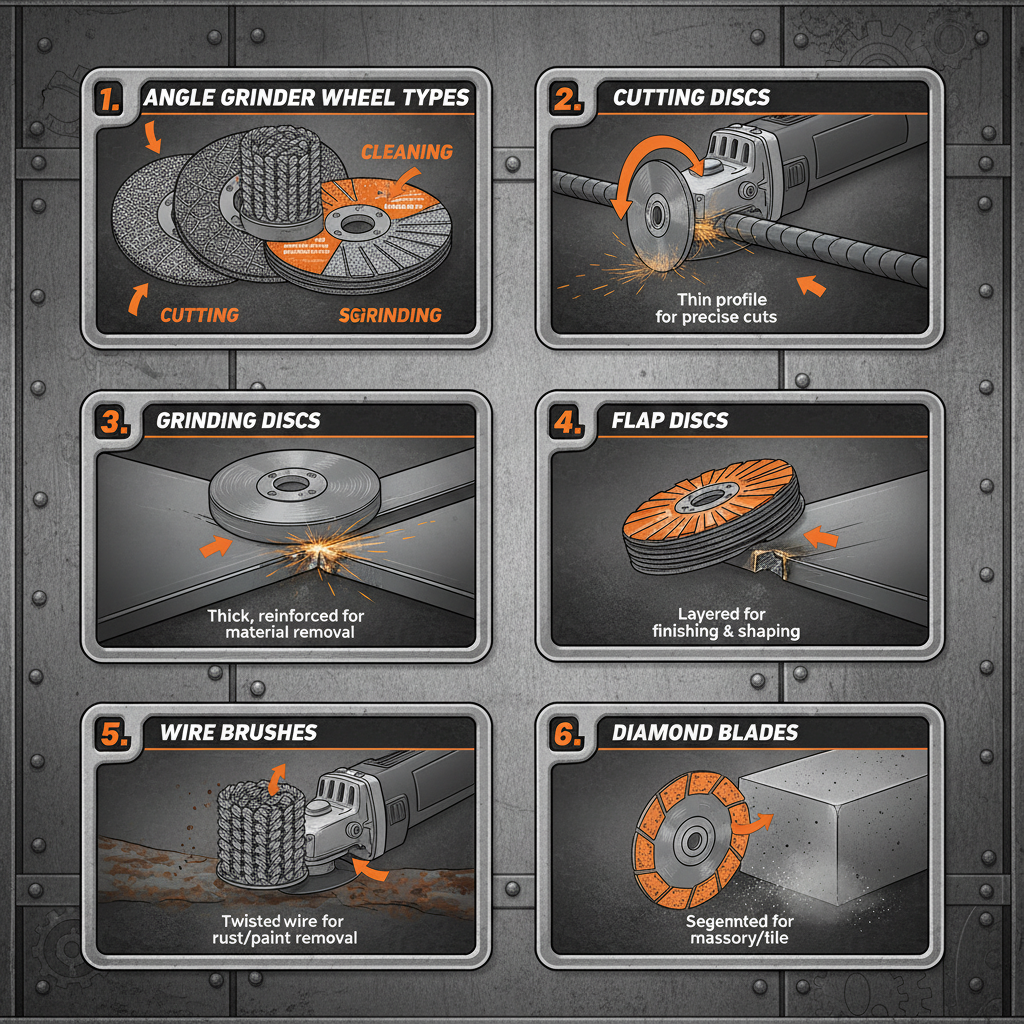
By analyzing the variables that influence pricing—such as bond types, grain quality, and specialized coatings—businesses can optimize their procurement cycles. Whether you are utilizing Flap Discs for finishing or specialized Grinding Discs for Inox, understanding the nuances of grinding wheel cost allows for a more sustainable approach to material removal and surface refinement across diverse industrial applications.
The Fundamentals of Grinding Wheel Cost Structures
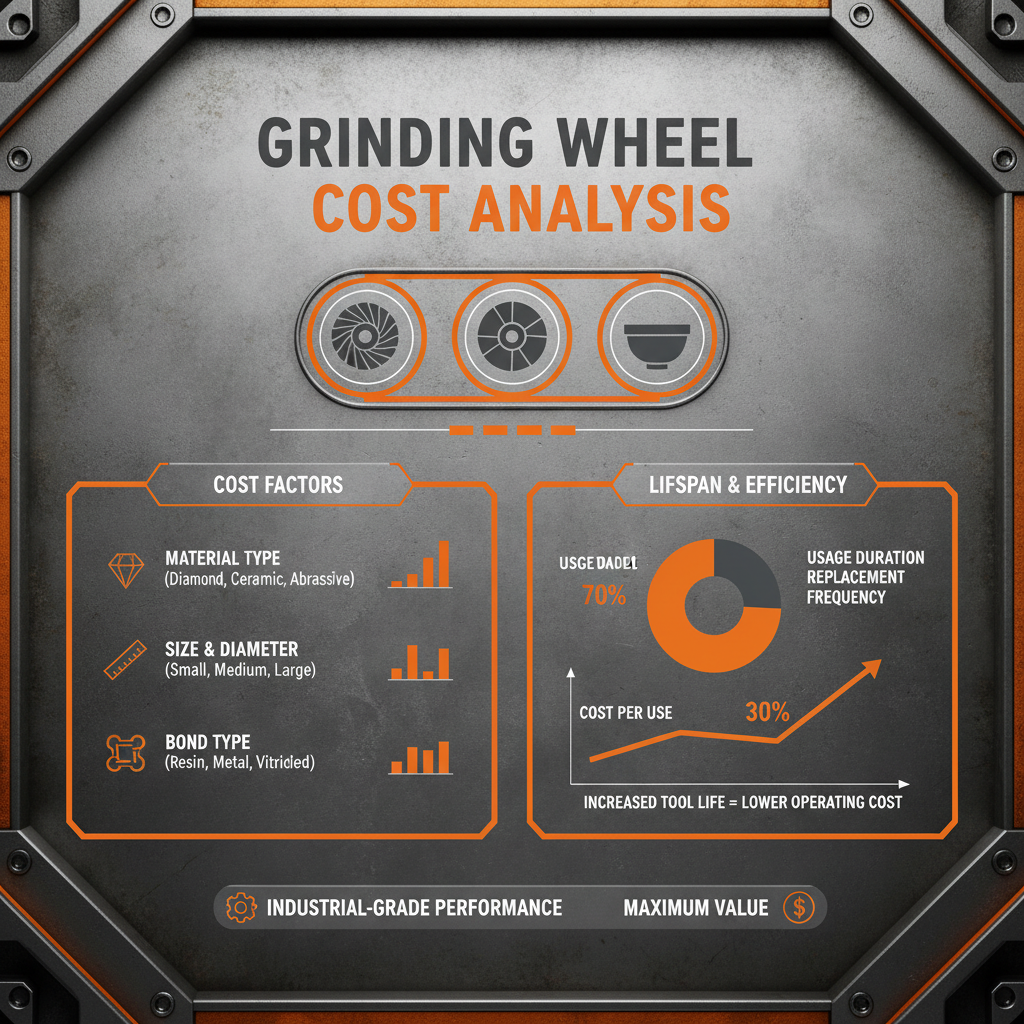
The initial grinding wheel cost is composed of several critical layers: raw material procurement, the manufacturing process, and quality assurance testing. For instance, a standard metal cutting disc relies on basic aluminum oxide, whereas a precision grinding disc for Inox may require specialized zirconia or ceramic grains. These premium materials increase the upfront price but are designed to withstand higher temperatures and pressures, reducing the frequency of wheel changes.
Beyond materials, the manufacturing precision—such as the balance of the wheel and the consistency of the bond—plays a significant role. A poorly balanced wheel increases vibration, which not only compromises the finish of the workpiece but also accelerates the wear of the machine spindle, adding hidden costs to the operational budget. Therefore, the purchase price is only a fraction of the economic equation.
Material Composition and Its Impact on Pricing
The primary driver of grinding wheel cost is the abrasive grain used. Aluminum oxide is the industry workhorse for general-purpose metal grinding, offering a cost-effective balance for standard steel. However, when transitioning to harder materials or stainless steel, silicon carbide or cubic boron nitride (CBN) are employed. These materials are significantly more expensive to produce but offer unmatched hardness and thermal conductivity.
The "bond" is another critical variable. Vitrified bonds, resin bonds, and metallic bonds each carry different production costs and performance characteristics. A resin-bonded flap disc provides flexibility and a smoother finish, making it ideal for blending, while a vitrified bond is rigid and durable for high-precision cylindrical grinding. The complexity of the bonding process directly influences the market price of the tool.
Lastly, the additives used to prevent loading (clogging) on the wheel face can alter the price. For specialized applications like stone grinding, additives that allow for better coolant flow or dust extraction are integrated. These technical enhancements ensure that the tool remains efficient for longer, effectively lowering the cost-per-part even if the initial grinding wheel cost is higher.
Balancing Performance and Long-Term Cost Efficiency
Many procurement managers make the mistake of focusing solely on the lowest grinding wheel cost per unit. However, a cheaper disc that wears out twice as fast as a premium one actually doubles the cost of consumables and increases labor costs due to frequent tool changes.
The secret to efficiency lies in the "G-ratio," which is the volume of material removed divided by the volume of wheel wear. A high G-ratio indicates a more efficient tool. By investing in a slightly higher grinding wheel cost for a high-G-ratio product, factories can achieve a lower cost-per-piece and higher overall throughput.
Furthermore, the impact on the workpiece cannot be ignored. High-quality wheels produce fewer burrs and better surface finishes, which eliminates the need for secondary polishing stages. This integration of processes reduces the total manufacturing cycle time, proving that a higher upfront grinding wheel cost often leads to systemic savings.
Comparative Analysis of Abrasive Tool Costs
When comparing different products, such as Multi Purpose Cutting Discs versus specialized Stainless Steel Cutting Discs, the price variance usually reflects the specialized chemistry required for different metals. A multi-purpose disc is designed for versatility, while the Inox-specific disc is engineered to avoid contaminating the stainless steel, preventing future corrosion—a value that far outweighs the marginal increase in grinding wheel cost.
Efficiency ratings vary across tool types. For example, ceramic-grain flap discs often show a much higher longevity rating compared to standard aluminum oxide discs, justifying their premium pricing in heavy-duty weld grinding applications.
Efficiency vs. Initial Grinding Wheel Cost Rating
Global Market Trends Influencing Tool Expenditure
The global landscape of grinding wheel cost is currently being reshaped by the transition toward "Green Manufacturing." Regulations in the EU and North America are pushing for the removal of certain hazardous resins and the adoption of more sustainable abrasive grains. While these eco-friendly alternatives may initially increase production costs, they reduce the long-term expense of waste management and environmental compliance.
Additionally, the digitalization of the factory floor (Industry 4.0) is allowing companies to monitor tool wear in real-time. Sensors can now detect exactly when a wheel has reached its end-of-life, preventing premature replacement. This data-driven approach optimizes the grinding wheel cost by ensuring every disc is utilized to its maximum theoretical potential.
Strategic Sourcing for Reduced Operating Expenses
To effectively manage the grinding wheel cost, companies are shifting from transactional buying to strategic partnerships. By working directly with manufacturers who can customize grain size and bond hardness for a specific application, businesses can reduce "over-specing"—buying a tool that is too expensive for the task—or "under-specing," which leads to excessive tool failure.
Bulk procurement and Just-in-Time (JIT) delivery systems also play a role. By reducing the inventory overhead and avoiding the degradation of resin-bonded wheels in humid warehouses, companies can shave percentages off their annual abrasive spend. The goal is to synchronize the delivery of tools with the actual production volume.
Training operators is another overlooked factor in cost reduction. An operator who uses the correct angle and pressure on a grinding disc can extend its life by 30% or more. Thus, the investment in human capital directly lowers the operational grinding wheel cost by reducing accidental breakage and inefficient wear patterns.
Evaluating Total Cost of Ownership (TCO) Models
A Total Cost of Ownership (TCO) model moves the conversation beyond the invoice price. It incorporates the grinding wheel cost, the cost of machine downtime, the operator's hourly rate, and the cost of scrap parts resulting from tool failure. When these factors are aggregated, it often becomes clear that the "expensive" wheel is actually the most economical choice.
For example, in high-volume automotive parts production, a machine stop for a 2-minute wheel change every hour can cost thousands of dollars in lost production. A premium wheel that lasts four hours instead of one significantly reduces these "invisible" costs, effectively neutralizing the higher purchase price.
Ultimately, TCO analysis allows for a scientific approach to procurement. By documenting the exact lifespan of different brands and types of discs, a company can create a cost-benefit matrix that guides future purchasing decisions based on empirical data rather than guesswork.
Comparative TCO Analysis for Different Abrasive Types
| Tool Category |
Unit Price Level |
Wear Resistance (1-10) |
Overall TCO Impact |
| Standard Metal Disc |
Low |
4 |
High due to frequent changes |
| Zirconia Flap Disc |
Medium |
7 |
Balanced/Optimal |
| Ceramic Grinding Disc |
High |
9 |
Low cost-per-part |
| Inox Cutting Disc |
Medium-High |
6 |
Lowers scrap/rework cost |
| Stone Grinding Disc |
Medium |
5 |
Moderate maintenance |
| Diamond Tooling |
Very High |
10 |
Lowest long-term expense |
FAQS
The price variance usually stems from the quality of the abrasive grain (e.g., synthetic vs. natural), the purity of the bonding agent, and the precision of the manufacturing process. Premium brands invest more in balancing and testing to ensure safety and longer life, which is reflected in a higher initial cost but lower total expenditure over time.
The most effective way is to switch from "lowest price" to "lowest cost-per-part." By analyzing the wear rate of your tools, you can identify if a slightly more expensive ceramic or zirconia disc actually lasts 3x longer than a cheap one, thereby reducing the total number of discs purchased and the labor cost of changing them.
Not necessarily. Finish depends on the grit size and bond type, not just the price. However, more expensive wheels typically maintain their shape and "sharpness" longer, meaning the finish remains consistent from the first piece to the last, whereas cheap wheels degrade quickly and produce inconsistent results.
For low-volume shops, multi-purpose discs reduce the cost of maintaining a large inventory. However, for high-volume production, specialized discs (like those for Inox or Stone) are far more cost-effective because they are optimized for the material, resulting in faster cutting speeds and significantly less wheel wear.
Bonding agents determine how the abrasive grains are held. Vitrified bonds are often more expensive due to the high-temperature firing process but are essential for precision. Resin bonds are more common for cutting and grinding discs; the quality of the resin affects the wheel's burst strength and safety, which is a critical "hidden" value in the cost.
Bulk ordering typically reduces the unit price through economies of scale. However, it is important to ensure proper storage. Resin-bonded wheels can degrade in extreme humidity or heat; if they spoil in storage, the "savings" from bulk buying are lost to waste, increasing the real cost.
Conclusion
Managing grinding wheel cost requires a shift in perspective from simple procurement to a holistic analysis of operational efficiency. By evaluating the interplay between material composition, wear rates, and labor costs, manufacturers can identify the "sweet spot" where tool performance maximizes profit. Whether choosing between Flap Discs or specialized Metal Cutting Discs, the key is to prioritize the cost-per-part over the cost-per-unit.
Looking forward, the integration of smarter materials and Industry 4.0 monitoring will continue to drive down the total cost of ownership. We recommend that industrial operators conduct regular TCO audits to ensure their abrasive strategy aligns with their production goals. To find the most efficient and cost-effective solutions for your specific industrial needs, visit our website: www.cutoffdiscs.com.