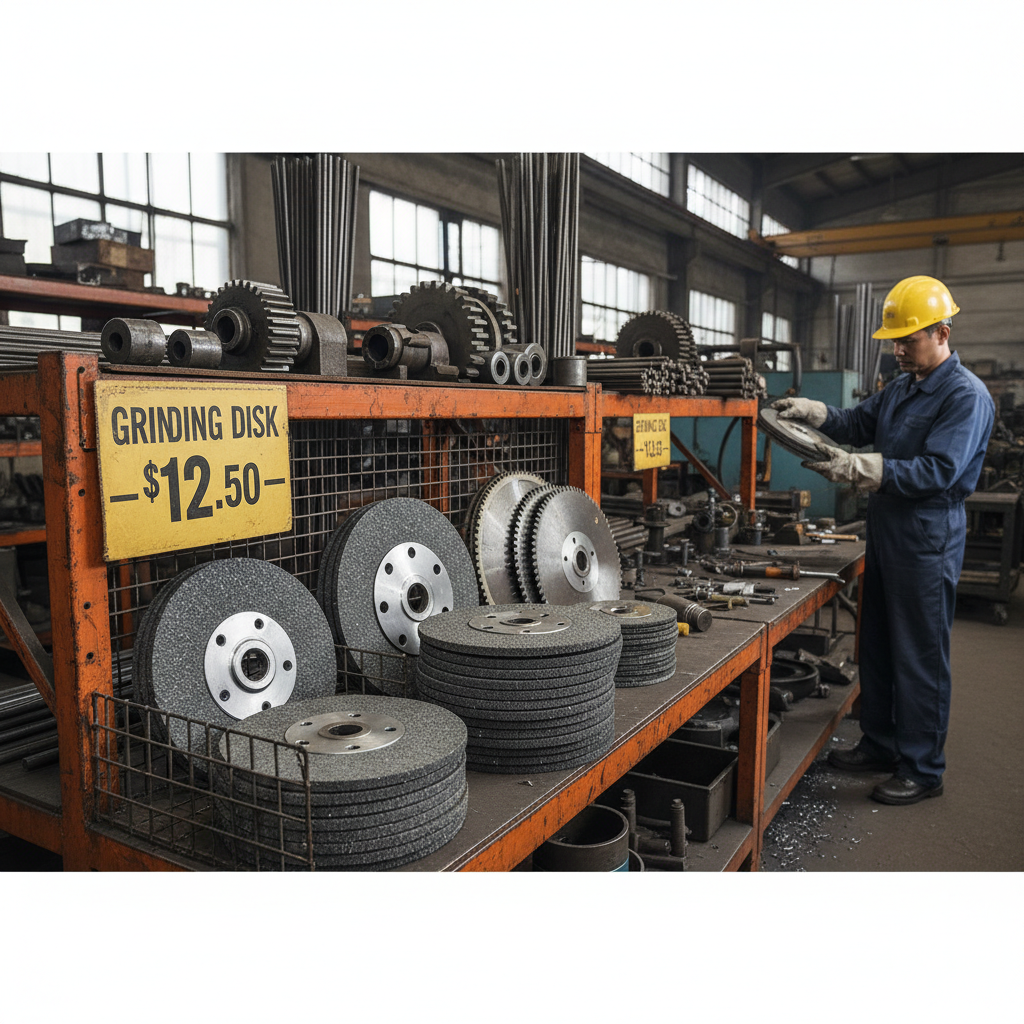
Understanding the fluctuations in grinding disk price is essential for any industrial operation looking to balance operational efficiency with budget constraints. In the competitive landscape of metal fabrication and stone processing, the cost of consumables directly impacts the bottom line, making it vital to distinguish between cheap alternatives and value-driven investments.
Across the globe, the procurement of high-quality abrasives is no longer just about finding the lowest unit cost, but about calculating the cost-per-cut or cost-per-part. As raw material costs for aluminum oxide and silicon carbide fluctuate, the grinding disk price reflects broader economic trends in the non-metallic mineral products industry.
Whether you are sourcing Flap Discs for finishing or specialized Grinding Discs for Inox, understanding the variables that drive pricing allows procurement managers to optimize their supply chains. By focusing on durability and material compatibility, companies can reduce downtime and overall expenditure, regardless of the initial market price.
Global Market Drivers of Grinding Disk Price
The global grinding disk price is heavily influenced by the volatility of raw material markets, specifically the mining of bauxite for alumina and the synthesis of silicon carbide. According to industrial trade data, supply chain disruptions in key mining regions can lead to immediate spikes in the cost of abrasive grains, which then trickle down to the end-user.
Furthermore, energy costs associated with the high-temperature firing process of vitrified bonds play a significant role. As global energy policies shift toward sustainability, manufacturers are investing in more efficient kilns, which may cause a short-term increase in the market price but lead to more stable, eco-friendly production in the long run.
Material Composition and Its Impact on Cost
The primary determinant of a grinding disk's cost is the quality and type of abrasive grain used. For instance, Zirconia Alumina discs, often used in Flap Discs, command a higher grinding disk price than standard Aluminum Oxide due to their superior toughness and self-sharpening capabilities, which reduce the frequency of disc replacement.
Bonding agents also play a critical role; resinoid bonds provide flexibility and strength for cutting discs, while vitrified bonds offer rigidity for precision grinding. The precision required in the mixing and curing of these bonds adds to the manufacturing complexity, directly influencing the final wholesale and retail pricing structures.
Specialized applications, such as Grinding Discs for Inox, require "Iron-Free" materials to prevent contamination of stainless steel. These stricter purity standards necessitate more refined raw materials and rigorous quality control, which naturally elevates the grinding disk price compared to general-purpose metal discs.
Understanding Value vs. Initial Grinding Disk Price
Many procurement officers make the mistake of focusing solely on the upfront grinding disk price without considering the tool's longevity. A cheaper disc that wears down twice as fast actually doubles the operational cost and increases labor time due to frequent tool changes.
Calculating the "Cost per Piece" is the most accurate way to evaluate grinding disk price. By dividing the price of the disc by the number of successful cuts or the square footage of material removed, businesses can identify which product tier offers the best return on investment.
Investing in premium-tier discs, such as high-performance Metal Cutting Discs, often results in lower heat generation and faster cutting speeds. This efficiency not only preserves the integrity of the workpiece but also reduces energy consumption, effectively offsetting a higher initial grinding disk price.
Cost Efficiency Across Different Disk Types
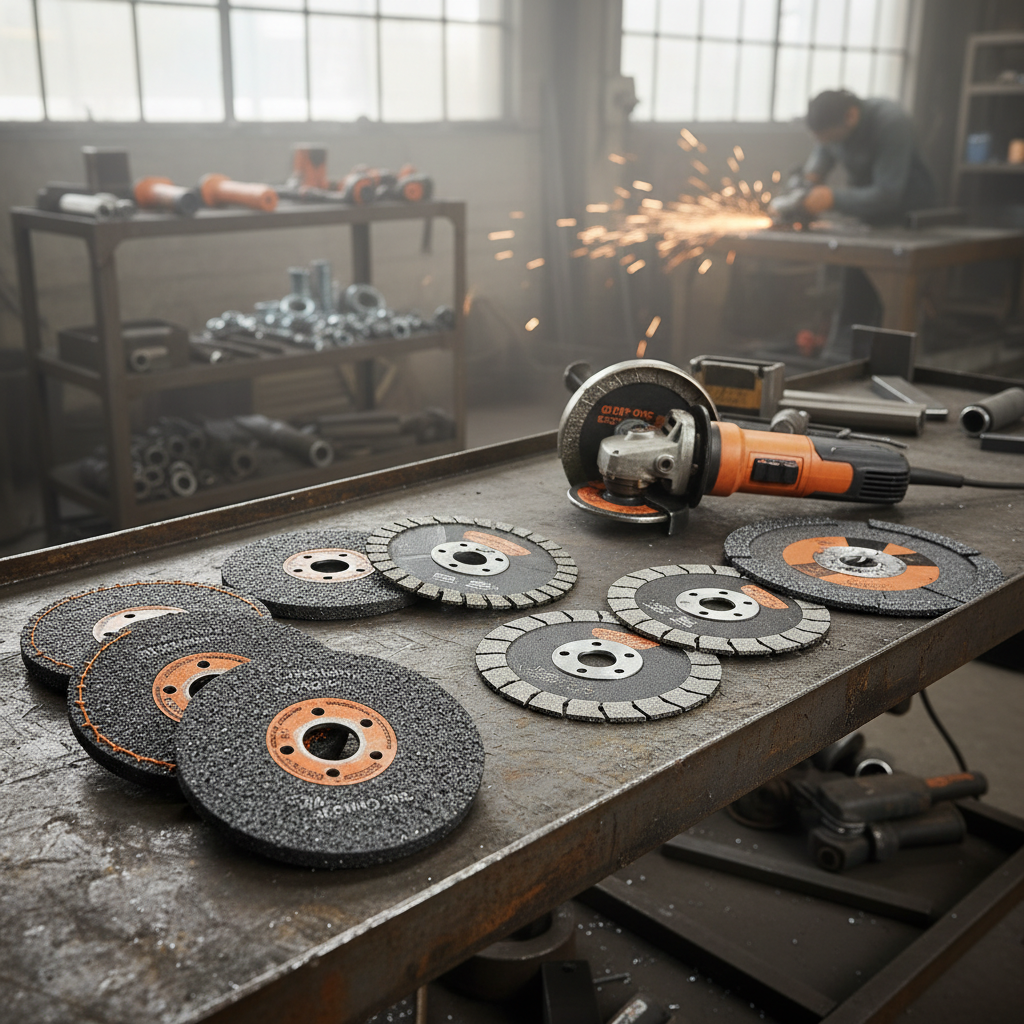
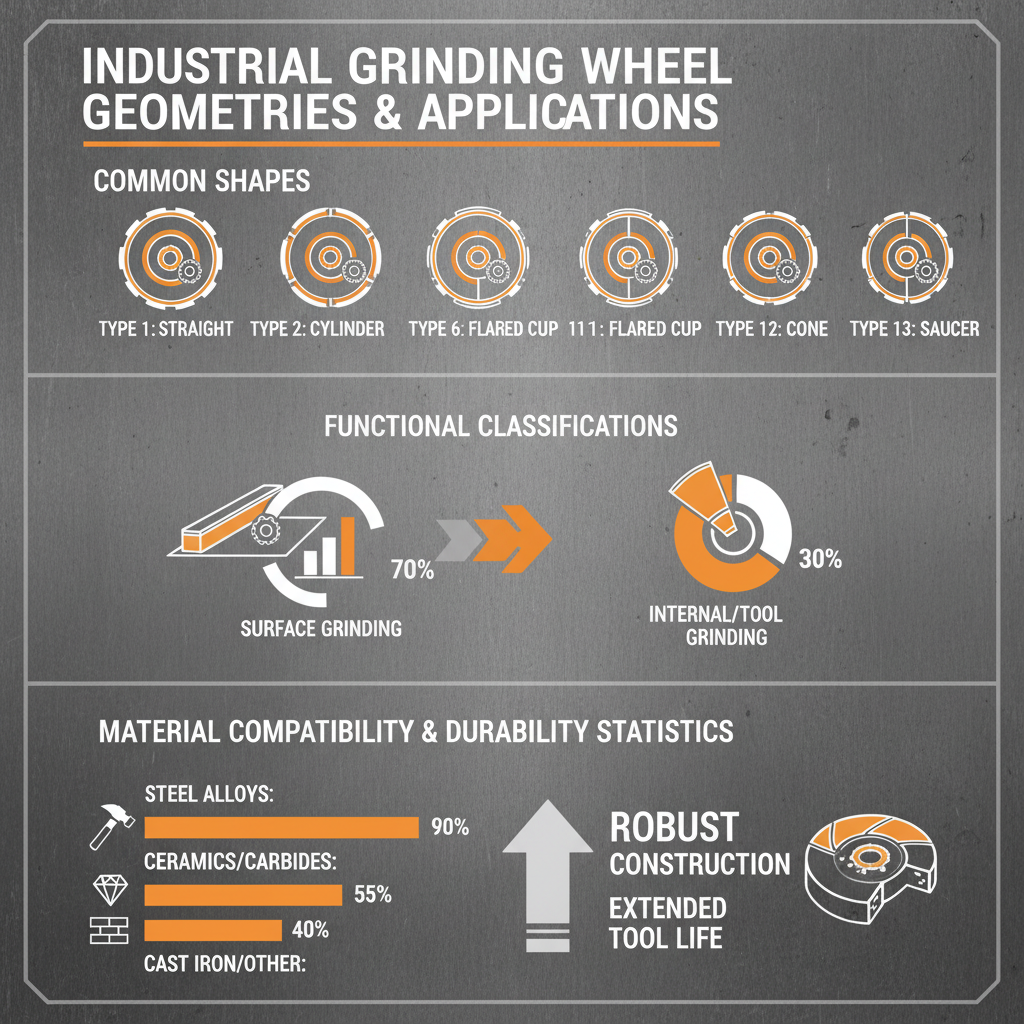
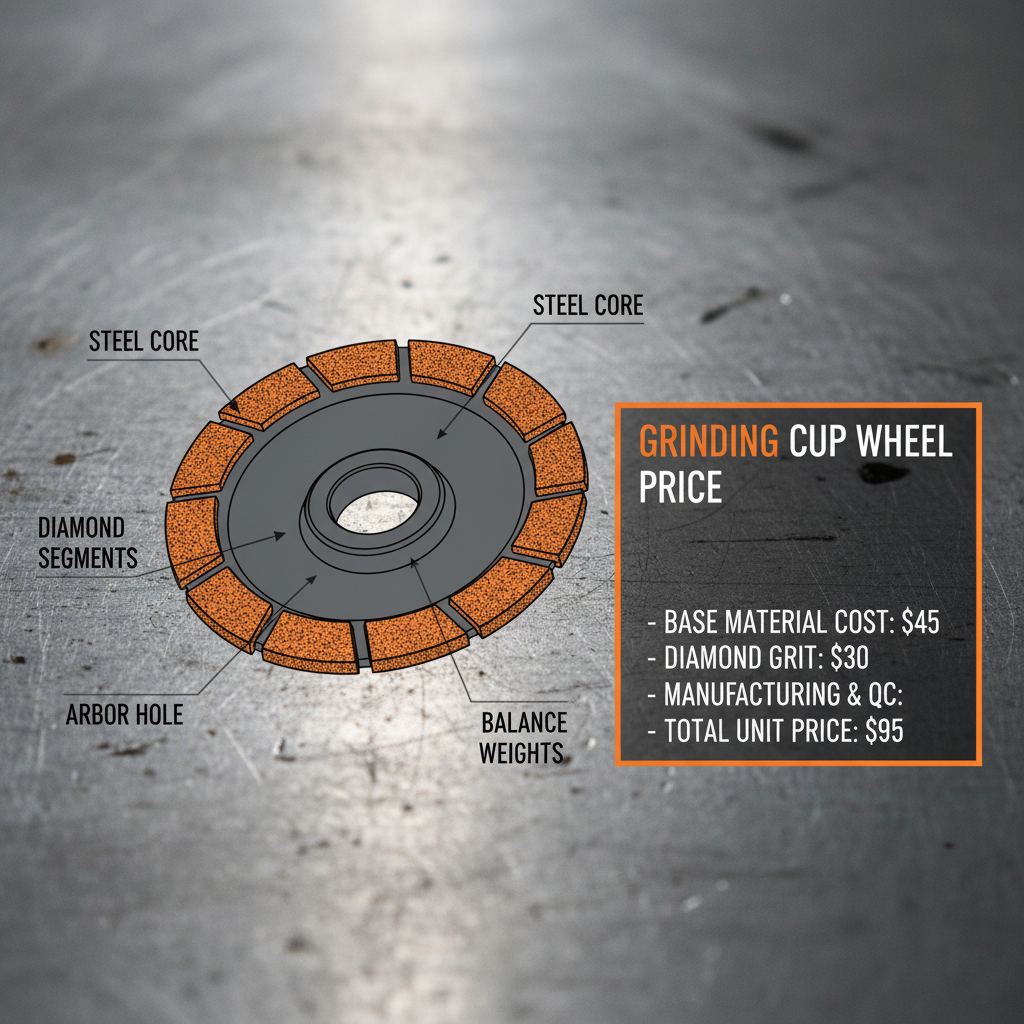
Different applications require different abrasive structures, and thus, the grinding disk price varies significantly across product categories. For example, Stone Grinding Discs utilize diamond or silicon carbide to handle high hardness, whereas Metal Cutting Discs focus on shear strength and heat dissipation.
When analyzing costs, it is important to note that multi-purpose discs may have a higher price point but offer the versatility to replace multiple specialized tools, potentially lowering the overall inventory cost for smaller workshops.
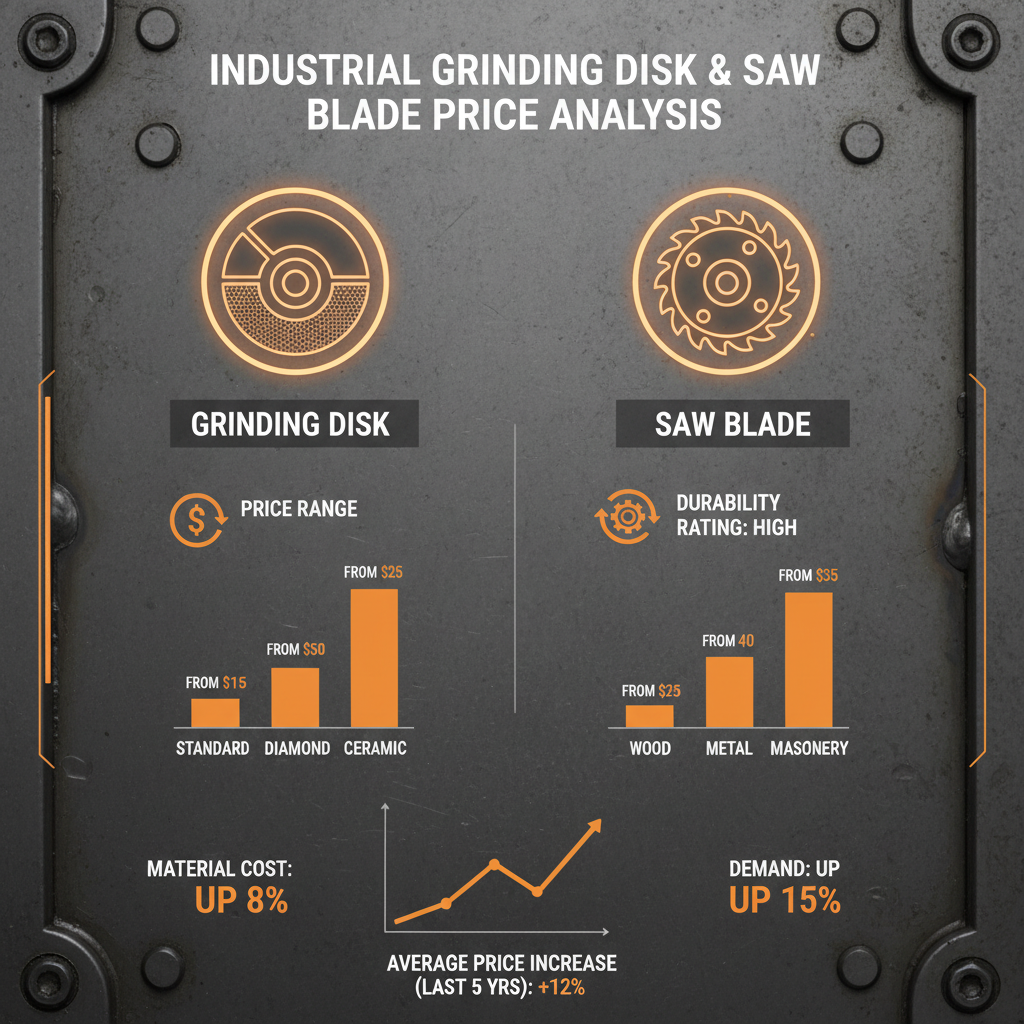
Comparative Value Analysis of Grinding Disk Price Tiers
Industrial Applications and Procurement Strategies
In large-scale automotive manufacturing, the grinding disk price is managed through bulk contracts and Just-In-Time (JIT) delivery systems. By partnering directly with manufacturers of Flexible Grinding Wheels, these companies can lock in prices and ensure a consistent grade of abrasive, which is critical for maintaining tight tolerances in parts production.
Conversely, in the construction sector, where Stone Cutting Discs are used in varying environments, procurement often focuses on versatility and immediate availability. Here, the price is often influenced by the distribution network and the ability of the supplier to provide on-site delivery to remote industrial zones.
Safety Standards and Their Influence on Pricing
Safety is a non-negotiable factor in the abrasive industry. Discs that meet ISO and EN 12413 standards generally have a higher grinding disk price because they undergo rigorous burst-strength testing and quality audits. This ensures that the disc will not shatter under high RPMs, protecting the operator from catastrophic injury.
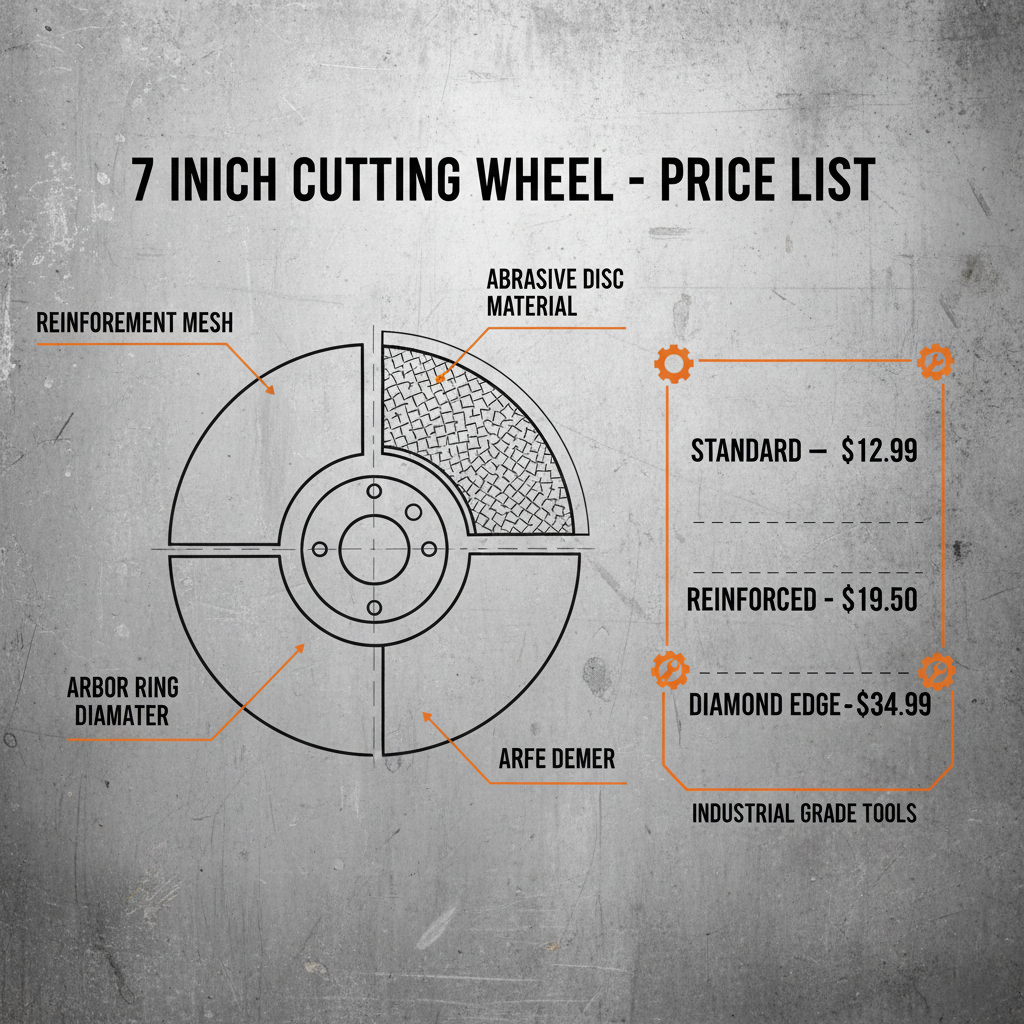
The inclusion of reinforced fiberglass mesh in cutting discs is another cost factor. While unreinforced discs might be cheaper, the reinforced versions offer the structural integrity needed for deep cuts, justifying the price premium through increased safety and reduced breakage rates.
Furthermore, the certification process for "Safety-First" products involves third-party laboratory verification, the costs of which are integrated into the grinding disk price. For professional enterprises, this cost is an insurance policy against workplace accidents and legal liabilities.
Future Trends in Abrasive Technology Pricing
The shift toward "Green Abrasives" is redefining the grinding disk price. New synthetic materials that produce less dust and utilize recycled aluminum are entering the market. While these innovative materials may initially be more expensive, they help companies meet ESG (Environmental, Social, and Governance) goals and reduce hazardous waste disposal costs.
Automation and AI-driven manufacturing are also streamlining the production of abrasive wheels. By optimizing the grain distribution within the disk, manufacturers can create a product that lasts longer while using fewer raw materials, potentially stabilizing the grinding disk price despite inflation.
Digital transformation is also affecting how prices are managed. Real-time pricing platforms and e-commerce integration allow buyers to track market trends for various disk types, ensuring they purchase when costs are lowest.
Comparison of Material Costs and Performance Metrics for Grinding Disks
| Disk Material |
Price Segment |
Wear Rate (1-10) |
Industrial ROI |
| Aluminum Oxide |
Low - Mid |
7 |
Moderate |
| Zirconia Alumina |
Mid - High |
3 |
High |
| Ceramic Alumina |
High |
2 |
Very High |
| Silicon Carbide |
Mid |
5 |
Moderate |
| Industrial Diamond |
Premium |
1 |
Extreme |
| Resin-Bonded Mix |
Low |
8 |
Low |
FAQS
Price variance is primarily driven by the purity of the abrasive grains, the quality of the bonding agent, and the level of safety certification. Premium brands invest more in R&D to create discs that cut faster and last longer, which reduces the total cost of ownership even if the initial purchase price is higher. Additionally, brand reputation and warranty support often add a premium to the cost.
To lower costs, move away from focusing on the unit grinding disk price and instead track the "cost per cut." Switching to high-performance materials like Zirconia or Ceramic can reduce the number of discs used per project. Additionally, ensuring that operators use the correct disc for the specific material (e.g., using an Inox disc for stainless steel) prevents premature wear and saves money.
Not always. Very low-cost discs may bypass rigorous safety testing or use inferior bonding agents, increasing the risk of the disc bursting at high speeds. Always check for ISO or EN certifications. In an industrial environment, the small saving on the grinding disk price is not worth the risk of a workplace accident or equipment damage.
Yes, bulk procurement is one of the most effective ways to lower the unit cost. Manufacturers often provide tiered pricing for large orders. However, be mindful of storage conditions; resin-bonded discs can degrade if stored in extreme heat or humidity, so ensure your warehouse is climate-controlled to avoid wasting your investment.
Flap discs generally have a different pricing structure because they consist of multiple overlapping abrasive cloths. While a solid grinding disc is designed for heavy stock removal, a flap disc is for finishing. Because of the labor-intensive assembly of flap discs, their unit price may be higher, but they offer a multi-step process (grinding and sanding) in one tool, saving labor costs.
The grinding disk price is directly linked to the cost of aluminum oxide and silicon carbide. When mining costs rise or trade tariffs are implemented on these minerals, manufacturers pass these costs to the consumer. Diversifying your supplier base across different regions can help mitigate the impact of localized price spikes.
Conclusion
Navigating the complexities of grinding disk price requires a shift in perspective from "cheapest buy" to "best value." By analyzing the interplay between material composition, safety certifications, and operational longevity, businesses can significantly reduce their overhead while improving production quality and operator safety.
Looking forward, the integration of sustainable materials and automated production is expected to stabilize costs and provide more eco-friendly options. We recommend that procurement managers implement a cost-per-part tracking system to truly understand the economic impact of their abrasive choices. For high-quality, cost-effective solutions, visit our website: www.cutoffdiscs.com