Stainless Steel Grinder Wheel: The Unsung Hero of Modern Industry
At first glance, a stainless steel grinder wheel might not seem like the star of industrial efficiency, but it quietly powers countless critical processes worldwide. Understanding this tool’s role can reveal why industries from automotive to construction, aerospace to manufacturing, depend on its durability and precision. As globalization pushes rapid production and stringent quality demands, knowing how these grinder wheels work, and why they're so vital, is more than just technical knowledge—it’s essential for anyone involved in metalworking or industrial operations.
Global Relevance of Stainless Steel Grinder Wheels
Industries worldwide consume stainless steel grinder wheels at a staggering rate. According to the International Organization for Standardization (ISO) and recent World Bank industrial production data, metal fabrication growth has risen by nearly 4% annually over the last decade, with a significant chunk relying on abrasive tools like grinder wheels. This surge essentially reflects rising demand in emerging markets and increasingly high-performance standards in developed regions.
That said, a persistent challenge in metalworking is balancing speed with surface finish quality and safety. Stainless steel grinder wheels address these challenges with their resilient material composition and design. They enable manufacturers to cut or finish stainless steel components faster and with less risk of wear and tear, which, frankly, reduces downtime and waste substantially.
What Is a Stainless Steel Grinder Wheel?
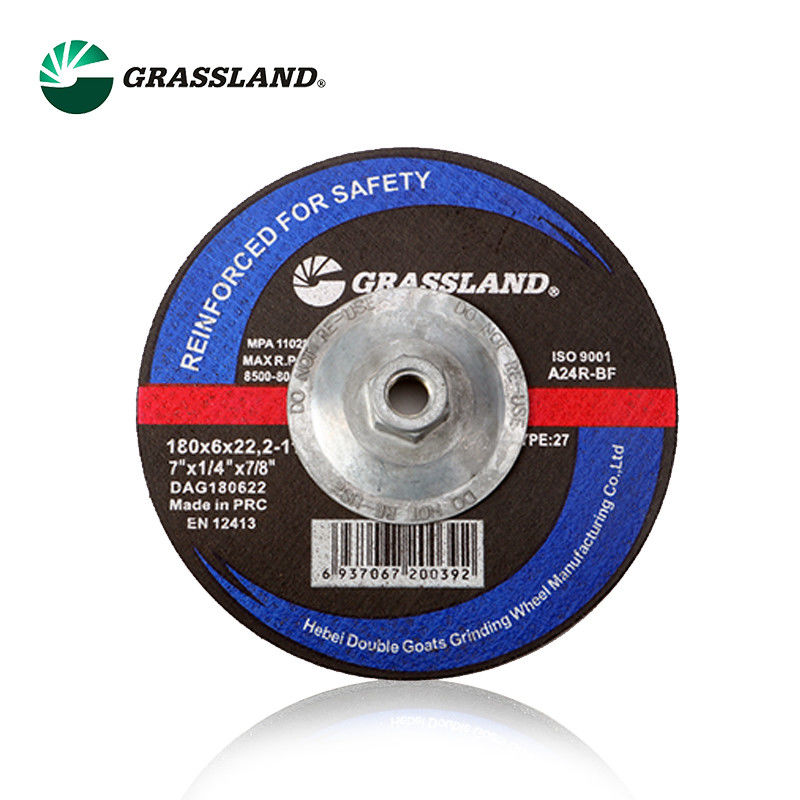
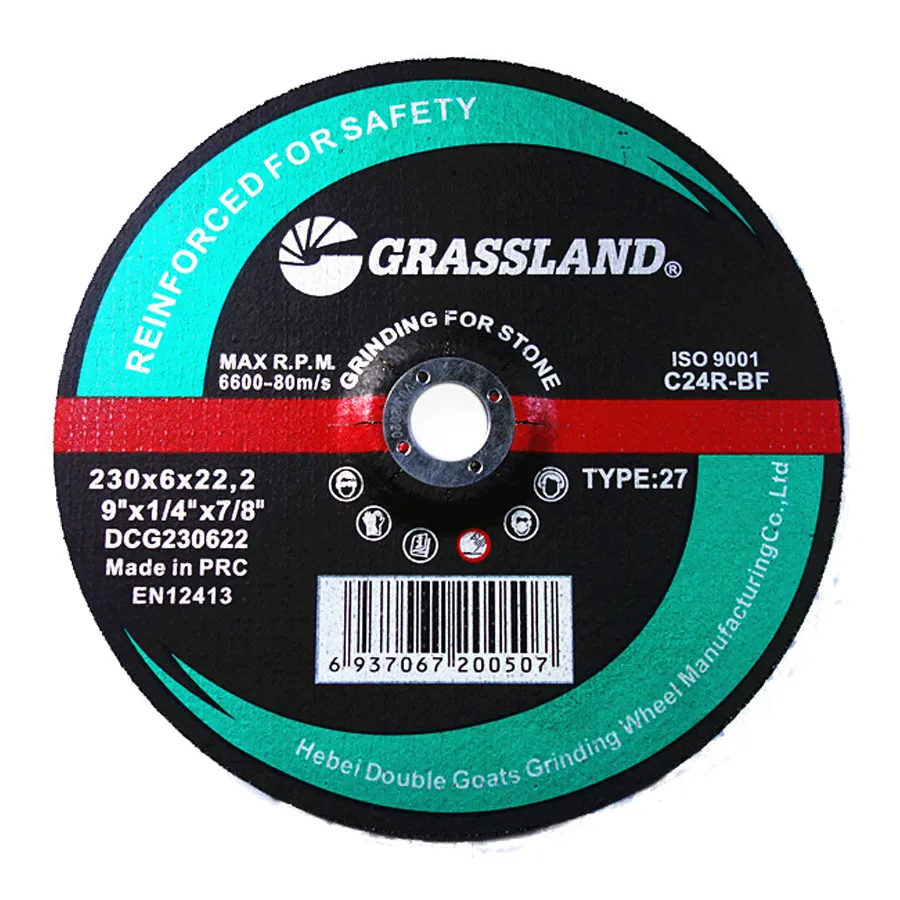
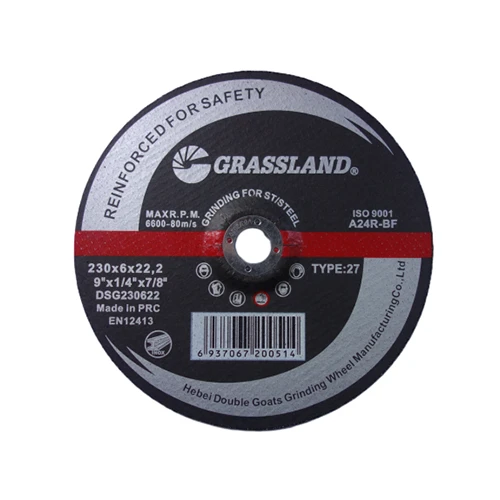
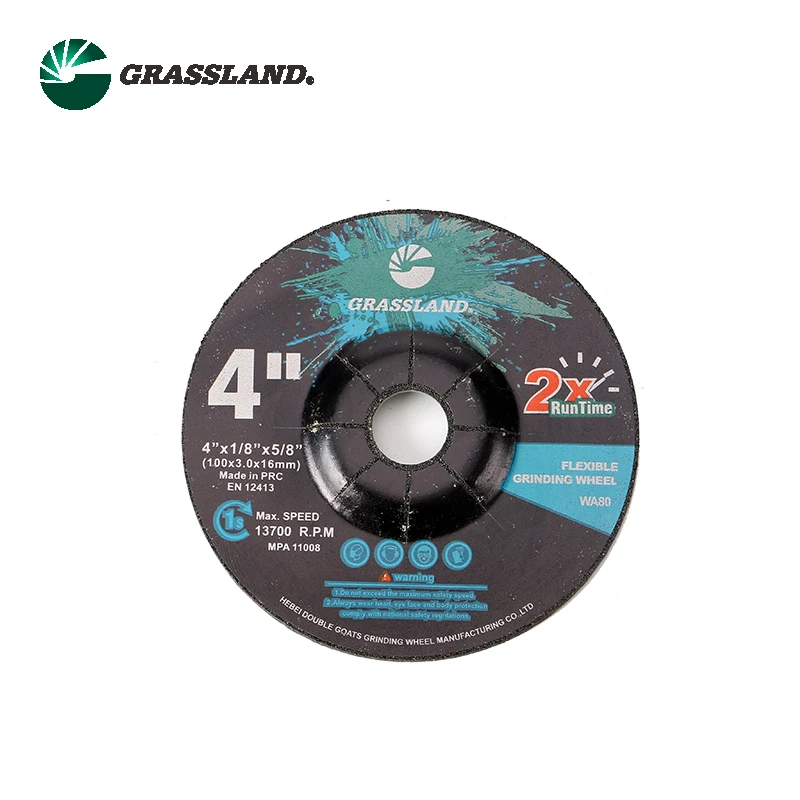
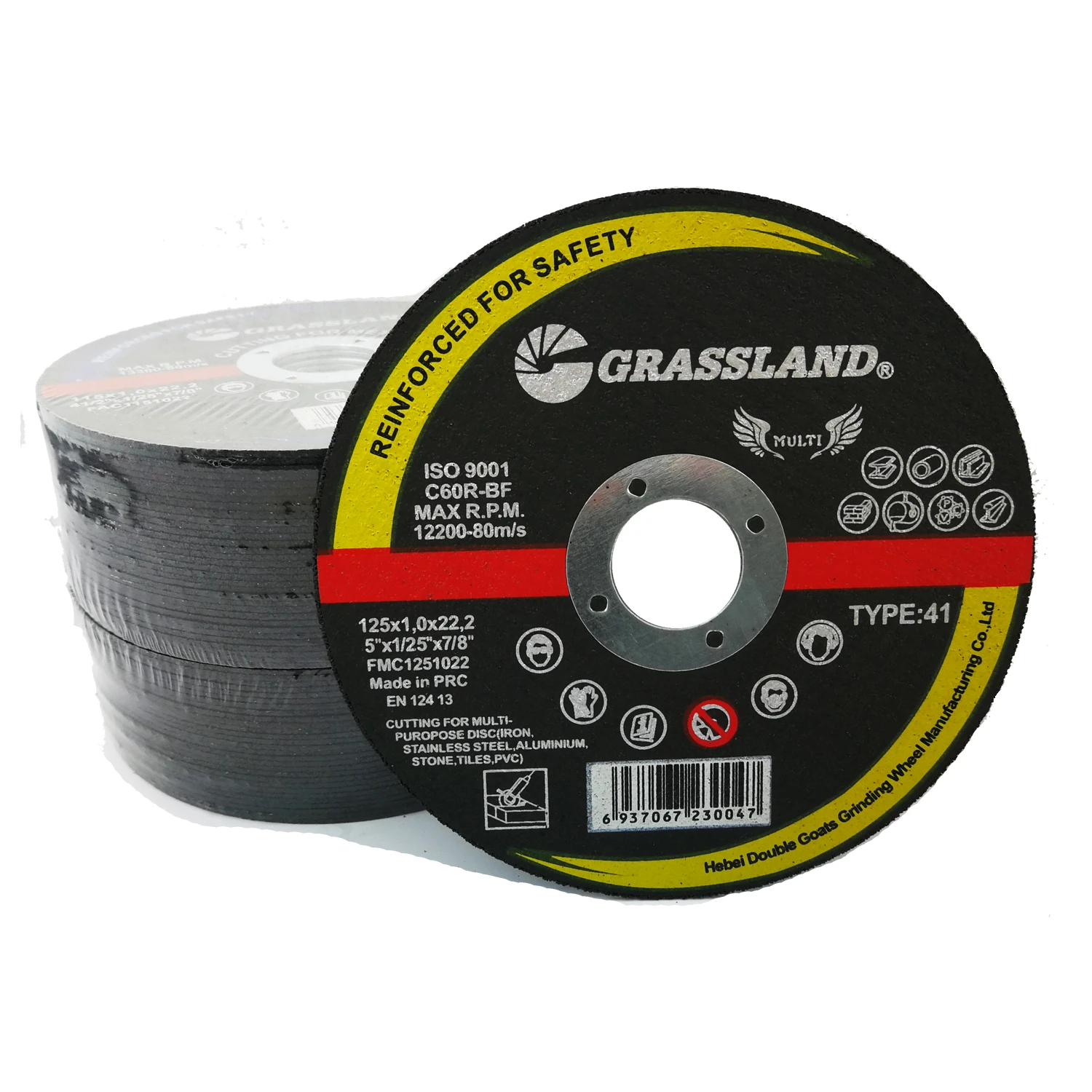
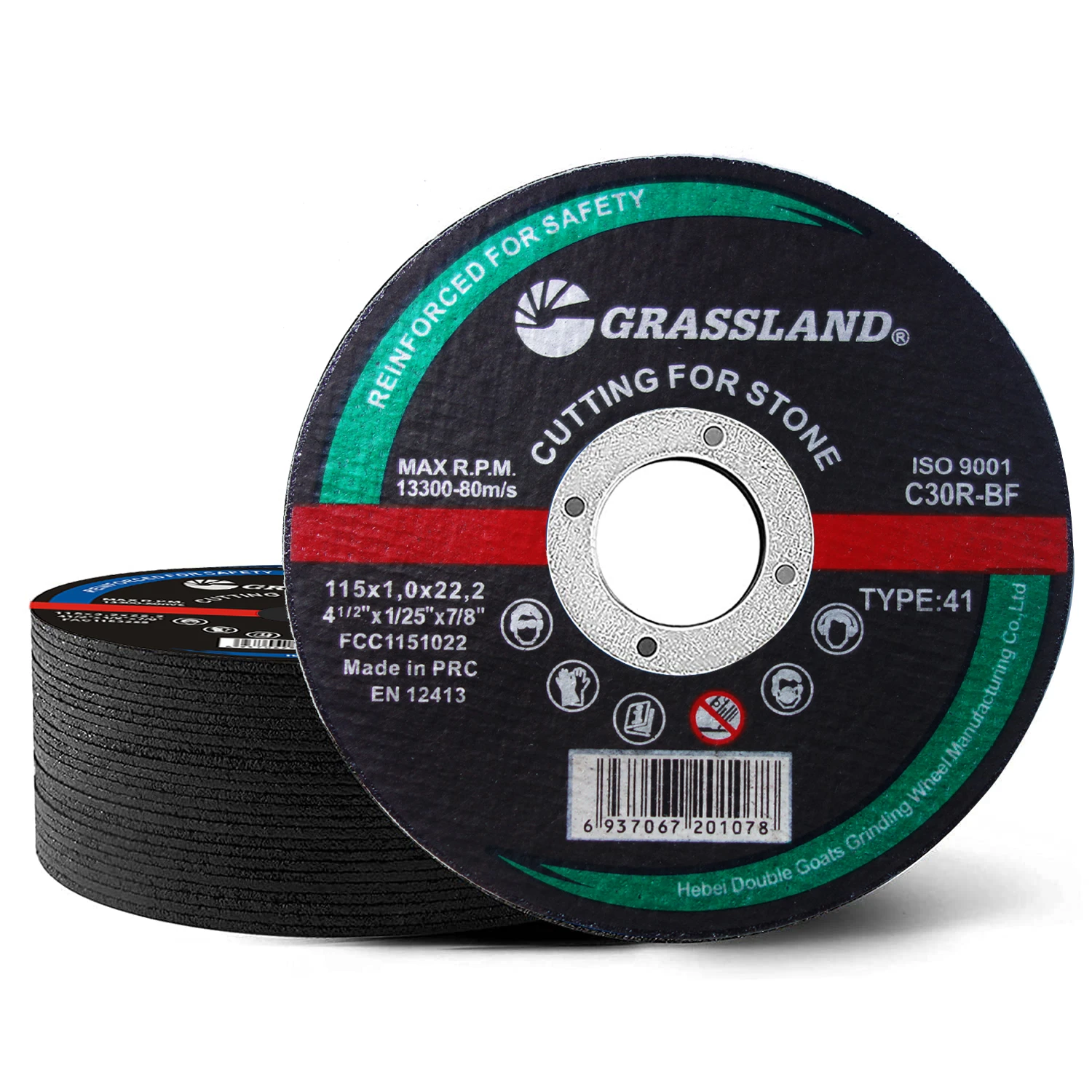
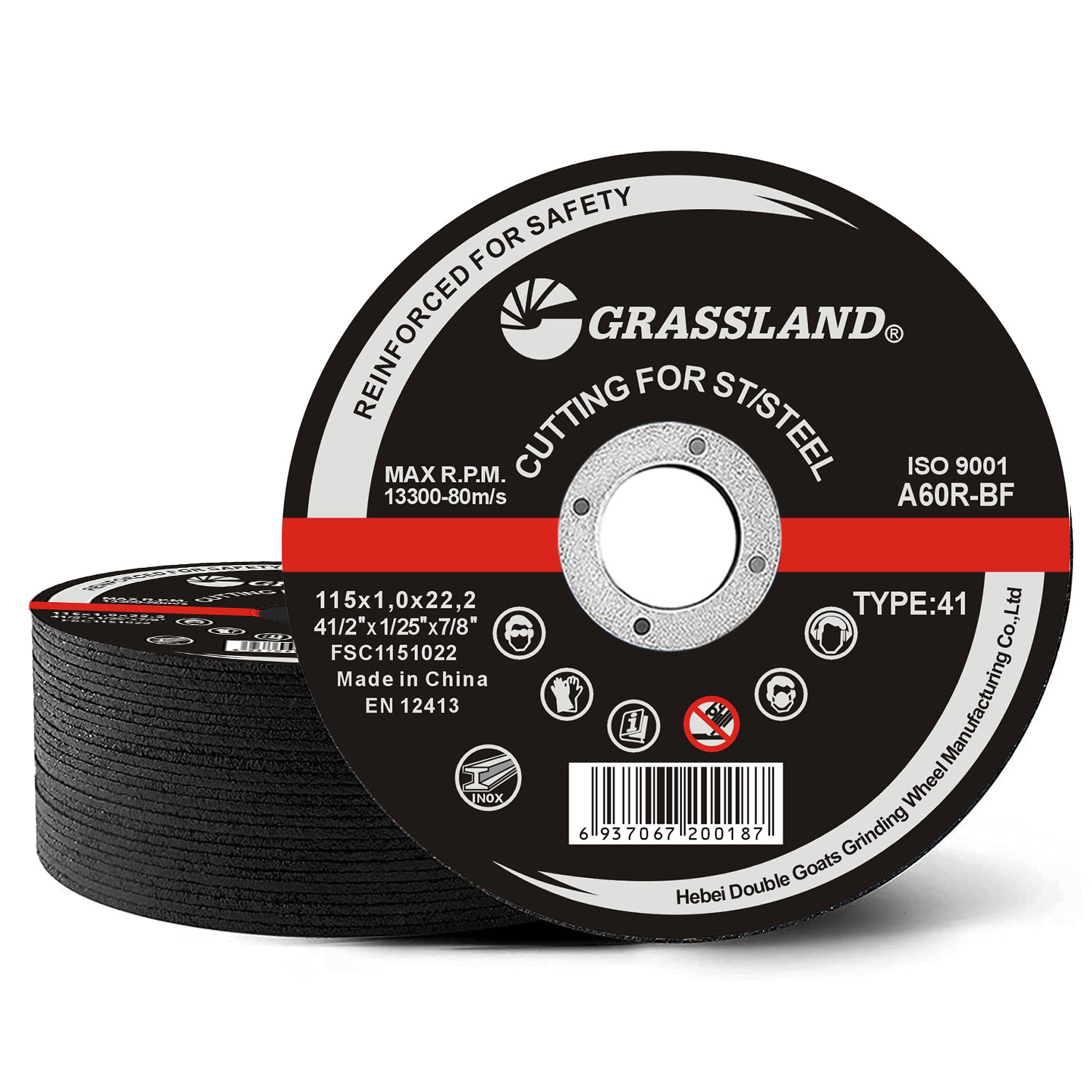
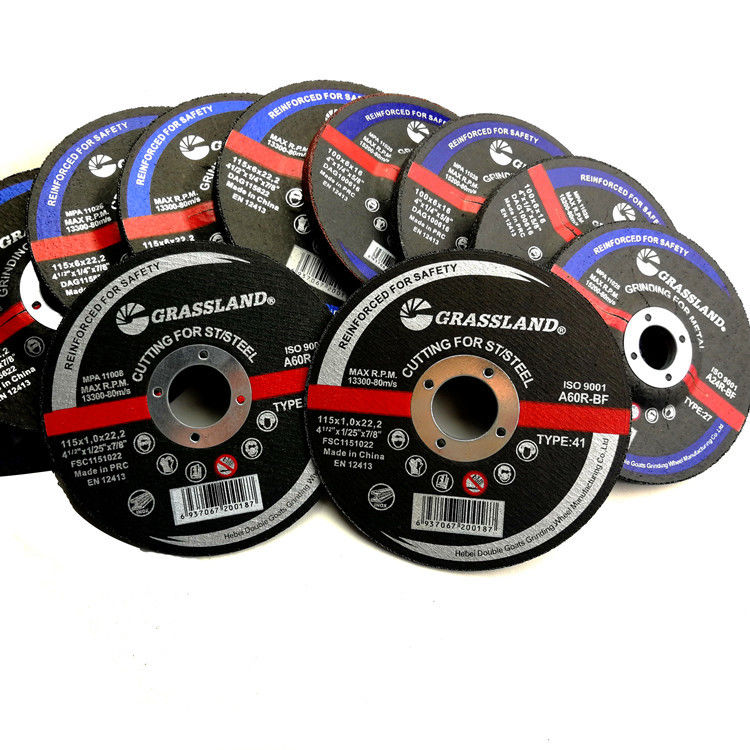
In simple terms, a stainless steel grinder wheel is an abrasive tool designed specifically to cut, shape, or polish stainless steel materials. It is distinct from regular grinding wheels as it must withstand the hardness and heat generated during stainless steel processing without degrading or affecting the metal's corrosion-resistant properties.
In the broader picture, these wheels support modern industry by ensuring components such as surgical tools, automotive parts, and aerospace structures maintain integrity and quality—even under tight manufacturing tolerances or demanding use cases.
Key Components and Features of Stainless Steel Grinder Wheels
Durability
They are made from high-grade abrasives bonded with specialized resins that resist wear, heat, and mechanical stress, making them ideal for continuous, heavy-duty operations.
Precision
The construction allows for very fine surface finishes, crucial for industries where microscopic imperfections can cause failure.
Heat Resistance
Stainless steel’s tendency to harden under heat means grinder wheels must manage friction-induced temperatures efficiently, avoiding metal warping or discoloration.
Compatibility
These wheels come in various sizes and grit ratings, allowing compatibility with different grinders and specific applications.
Cost Efficiency
Though typically more expensive upfront than standard grinding wheels, their longevity and reduced need for replacements save money long-term.
Specifications Comparison Table
| Specification | Typical Range | Industry Standard |
|---|---|---|
| Diameter | 100mm – 230mm | 125mm, 180mm common |
| Grit Size | 24 to 120 | 36, 60, 80 popular |
| Max Speed (RPM) | 6,000 – 11,000 | 8,500 typical |
| Bond Type | Resin, vitrified | Resin favored for toughness |
| Material Compatibility | Stainless steel grades 304/316 etc. | Multipurpose for stainless alloys |
Global Applications & Use Cases
You find stainless steel grinder wheels quietly at work thanks to their versatility. In automotive manufacturing hubs like Germany and Japan, they're indispensable for smoothing engine components and chassis parts. In the aerospace sector, often concentrated in the US and Europe, these wheels perfect turbine blades and landing gear elements that must resist corrosion and fatigue over thousands of flight hours.
Oddly enough, even in developing regions—think South Asia and parts of Africa—these tools are becoming more common in shipbuilding and construction equipment workshops, supporting local economies and infrastructure projects. In fact, humanitarian organizations that operate medical field units depend on them to refurbish surgical instruments onsite, maintaining hygiene and lifespan without waiting for costly replacements.
Manufacturer Comparison Table
| Vendor | Price per Unit | Grit Options | Bond Type | Lead Time |
|---|---|---|---|---|
| AbrasiveTech Co. | $12 - $15 | 36, 60, 80 | Resin | 2 weeks |
| SteelWheel Pros | $10 - $14 | 24, 60, 120 | Vitrified | 3 weeks |
| CutOff Discs Ltd. | $13 - $16 | 36, 80 | Resin | 1 week |
Advantages & Long-Term Value
Digging a little deeper, the biggest advantage of stainless steel grinder wheels is their longevity paired with performance. They help industries cut costs by reducing the frequency of tool changes and minimizing defects. What I find particularly compelling is their environmental contribution — by lasting longer, there’s less manufacturing waste, and fewer raw materials go into replacements.
There’s also an intangible benefit: safety and trust. High-quality stainless steel grinding surface means workers face less risk of injury from sudden wheel failures. Plus, clients know the final product is reliable — that’s especially crucial in aerospace or medical devices where failure just isn’t an option.
Future Trends & Innovations
Looking ahead, advances in synthetic abrasives, better resin bonding agents, and digital monitoring of wheel wear are shaping the next generation of stainless steel grinder wheels. Automation and AI-powered grinding systems can adjust pressure and speed in real time, optimizing performance and extending tool life.
Additionally, many manufacturers are embracing green chemistry by reducing harmful additives and incorporating recyclable components. As sustainability standards tighten globally, this shift will likely accelerate.
Challenges & Solutions
One notable challenge is the heat generation during prolonged cutting, which can still cause tool degradation or stainless steel discoloration. Innovative cooling methods — such as integrated coolant channels or air jets — have been developed to combat this. Also, the push for higher speed operation occasionally risks wheel integrity, so manufacturers are increasingly focused on testing standards and quality certifications to build trust (ISO 603-2 covers safety requirements and testing).
FAQ: Frequently Asked Questions About Stainless Steel Grinder Wheels
- Q: How do I choose the right grit size for my stainless steel grinding task?
A: It depends on your finish requirements. Lower grit numbers (24-36) are for heavy material removal, while higher grits (80-120) provide smoother finishes. Start with coarser grit for shaping, then finish with finer grit for polishing. - Q: Can I use a regular grinding wheel on stainless steel?
A: It's possible but not ideal. Stainless steel grinder wheels are specifically designed to resist heat and maintain hardness. Using a regular wheel might cause overheating, surface discoloration, or faster wear. - Q: How often should grinder wheels be replaced?
A: Monitor wheel wear regularly—replace if you notice cracks, uneven wear, or if grinding quality declines. Many operators schedule replacement based on hours of use combined with physical inspection. - Q: Are stainless steel grinder wheels compatible with all grinders?
A: Most wheels come in standard diameters for common grinders, but always check your machine’s specifications to ensure compatibility, especially with speed ratings. - Q: Where can I source quality stainless steel grinder wheels?
A: Trusted vendors include CutOff Discs, AbrasiveTech Co., and SteelWheel Pros. Look for verified certifications and strong customer support.
Conclusion: Why Stainless Steel Grinder Wheels Matter
Ultimately, stainless steel grinder wheels are a cornerstone in precision metalworking that support industries integral to modern life and infrastructure. Their blend of durability, precision, and efficiency saves time, money, and resources—all while ensuring safety and quality. If you’re interested in upgrading your grinding tools or want to explore the latest models, I recommend checking out CutOff Discs’ inventory for a good selection tailored to various needs.
It feels like these tools don’t get nearly enough credit for how much they help keep the wheels of industry turning—literally!
Mini takeaway: Investing in the right stainless steel grinder wheel isn’t just about the tool itself—it’s about enhancing production quality and long-term operational reliability.
References
Post time:Dec - 03 - 2025