Navigating the complexities of industrial abrasives requires more than just a technical spec sheet; it demands a clear understanding of the grinding wheel price list to optimize operational budgets without compromising on safety or precision. For manufacturers in the non-metallic mineral sector, the cost of a grinding tool is not merely a purchase price but a calculation of cost-per-part, where durability and material removal rates dictate the actual economic impact.
Globally, the demand for high-performance abrasives—ranging from flap discs to specialized inox grinding wheels—has seen a shift toward value-based procurement. Industry professionals no longer look for the cheapest option on a grinding wheel price list, but rather the one that offers the best equilibrium between lifespan and aggressive cutting action, ensuring that downtime is minimized in high-pressure production environments.
Understanding the variables that influence a grinding wheel price list allows procurement managers to make informed decisions that affect the entire supply chain. By analyzing the interplay between bond types, grain quality, and the specific application—whether it be stone cutting or metal polishing—companies can achieve a leaner manufacturing process and a significant reduction in long-term consumable expenditures.
Global Market Dynamics of Grinding Wheel Pricing
The global abrasives market is currently shaped by volatile raw material costs and a stringent push toward ISO safety standards. When reviewing a grinding wheel price list, it is evident that prices are heavily influenced by the cost of synthetic resins and high-purity alumina or zirconia grains. As industrialization accelerates in emerging markets, the pressure to maintain high-throughput production has forced a transition toward more expensive, but longer-lasting, premium discs.
Furthermore, the integration of global trade policies and logistics costs means that a price list is rarely static. Manufacturers must account for the "landed cost" of these tools, considering that a lower unit price from a distant supplier might be offset by shipping delays and import tariffs, ultimately impacting the total cost of ownership for the end-user.
Defining the Components of a Grinding Wheel Price List
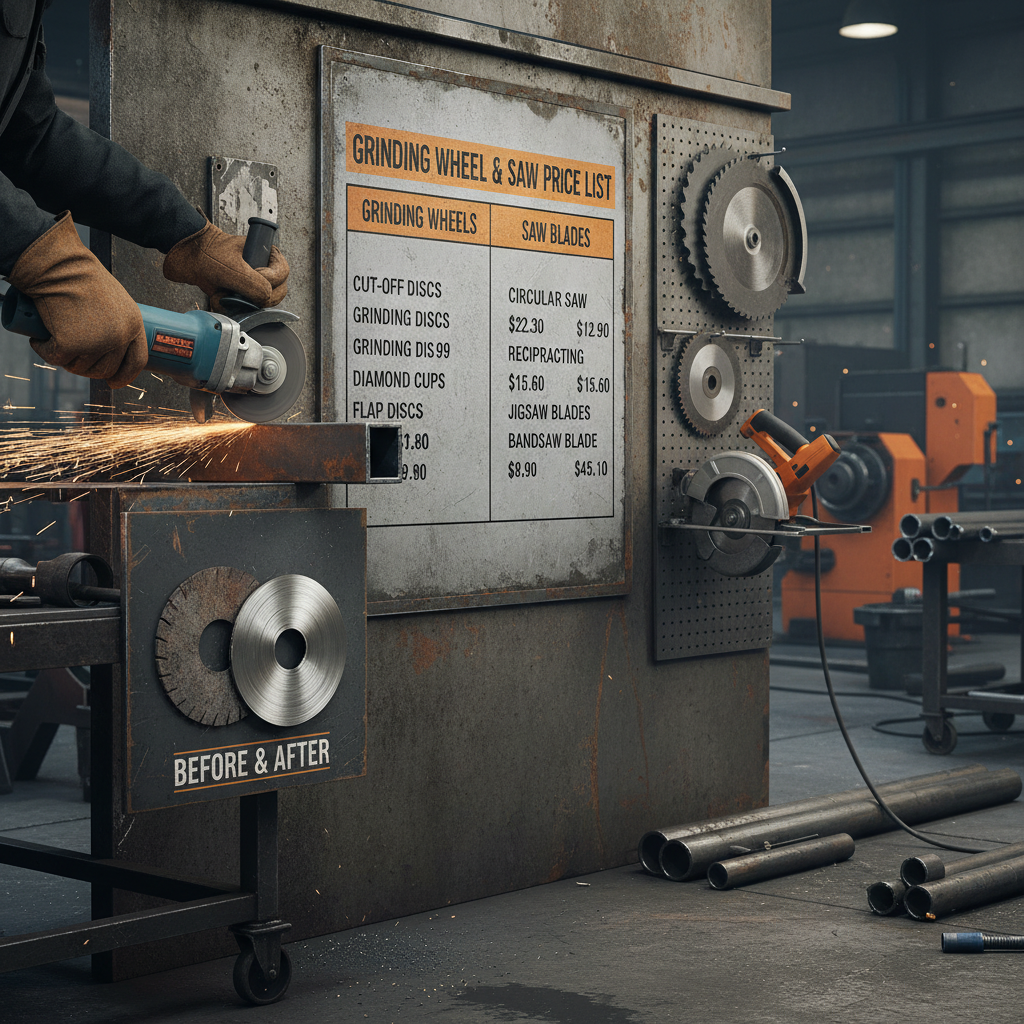
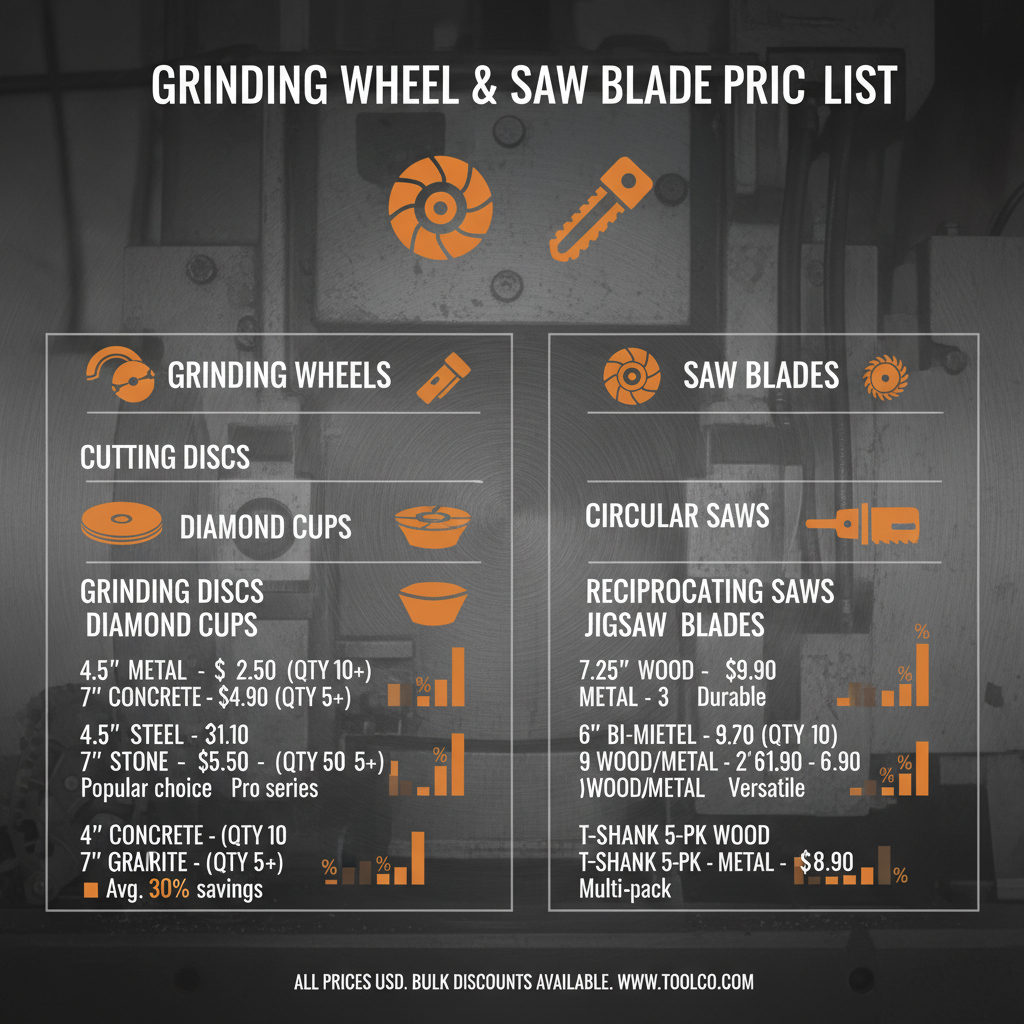
In simple terms, a grinding wheel price list is a comprehensive catalog that outlines the costs associated with various abrasive tools based on their specifications. It is not just a list of numbers but a map of performance tiers. For instance, a basic Metal Cutting Disc will occupy a different price bracket than a high-performance Grinding Disc For Inox, reflecting the difference in grain purity and bond strength required to handle stainless steel.
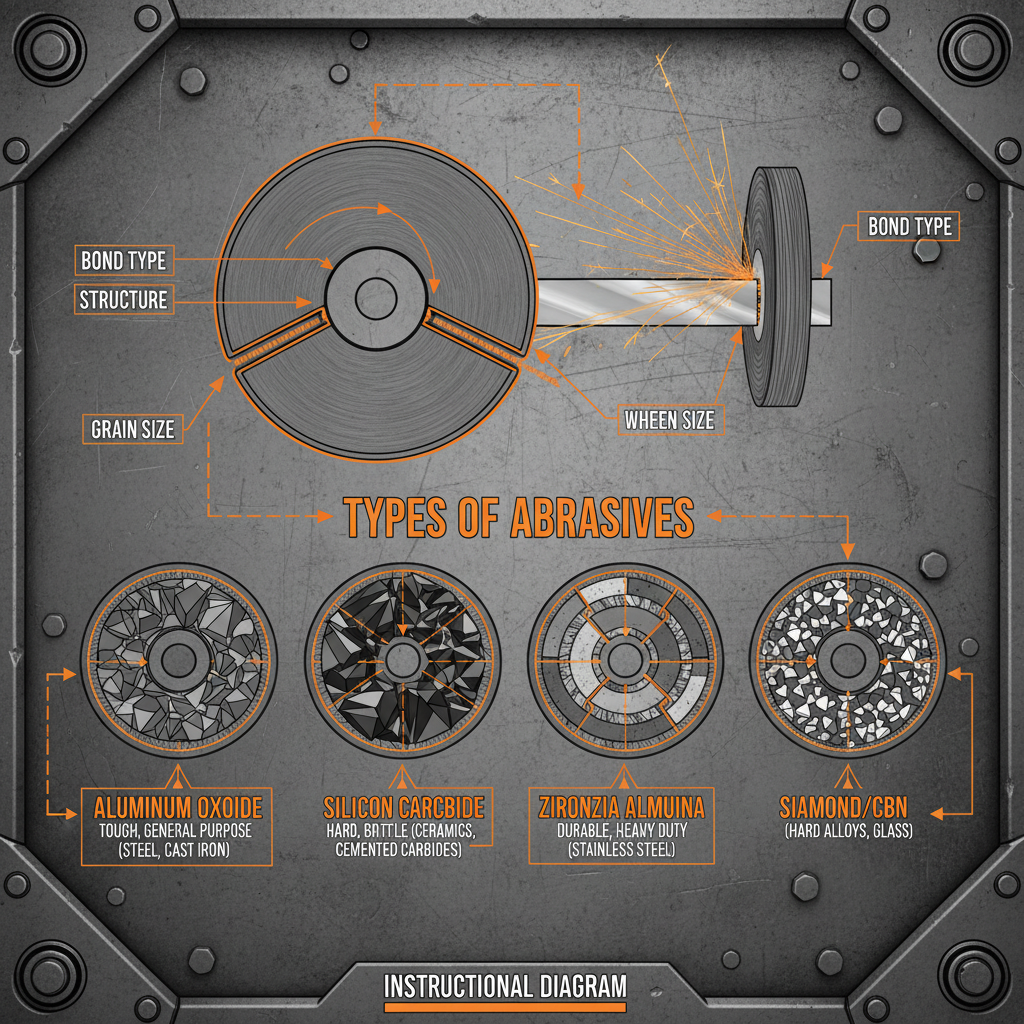
Beyond the surface numbers, these price lists reflect the "engineered value" of the tool. A professional-grade price list categorizes tools by their grit size, hardness, and structure. This allows a workshop manager to see exactly how much more they are paying for a "long-life" wheel versus a "fast-cut" wheel, enabling them to align their purchasing strategy with their specific project needs.
In the context of modern manufacturing, this pricing data is critical for humanitarian and large-scale infrastructure projects. When building bridges or repairing industrial plants in remote zones, the ability to accurately budget for consumables using a standardized grinding wheel price list ensures that projects do not stall due to unexpected shortages of essential cutting and grinding tools.
Core Factors Influencing Abrasive Tool Costs
Durability is the primary driver of any grinding wheel price list. The cost increases significantly when the tool incorporates ceramic grains or specialized zirconia alumina, which can withstand higher temperatures and pressures. This durability reduces the frequency of wheel changes, which is a hidden cost that often outweighs the initial purchase price of the disc.
Material compatibility also plays a massive role. A Grinding Disc For Metal is priced differently than a Stone Grinding Disc because the abrasive grain must be chemically compatible with the workpiece. For example, diamond-impregnated wheels for stone are substantially more expensive than aluminum oxide wheels for carbon steel, a distinction clearly reflected in any professional grinding wheel price list.
Finally, safety certifications and quality control standards (such as EN 12413 or ANSI) add a layer of cost. Wheels that undergo rigorous burst-testing and quality audits are priced higher because they offer the operator a guarantee of safety. In the professional sector, the peace of mind provided by a certified tool justifies the premium seen on the grinding wheel price list.
Industrial Applications and Cost-Efficiency
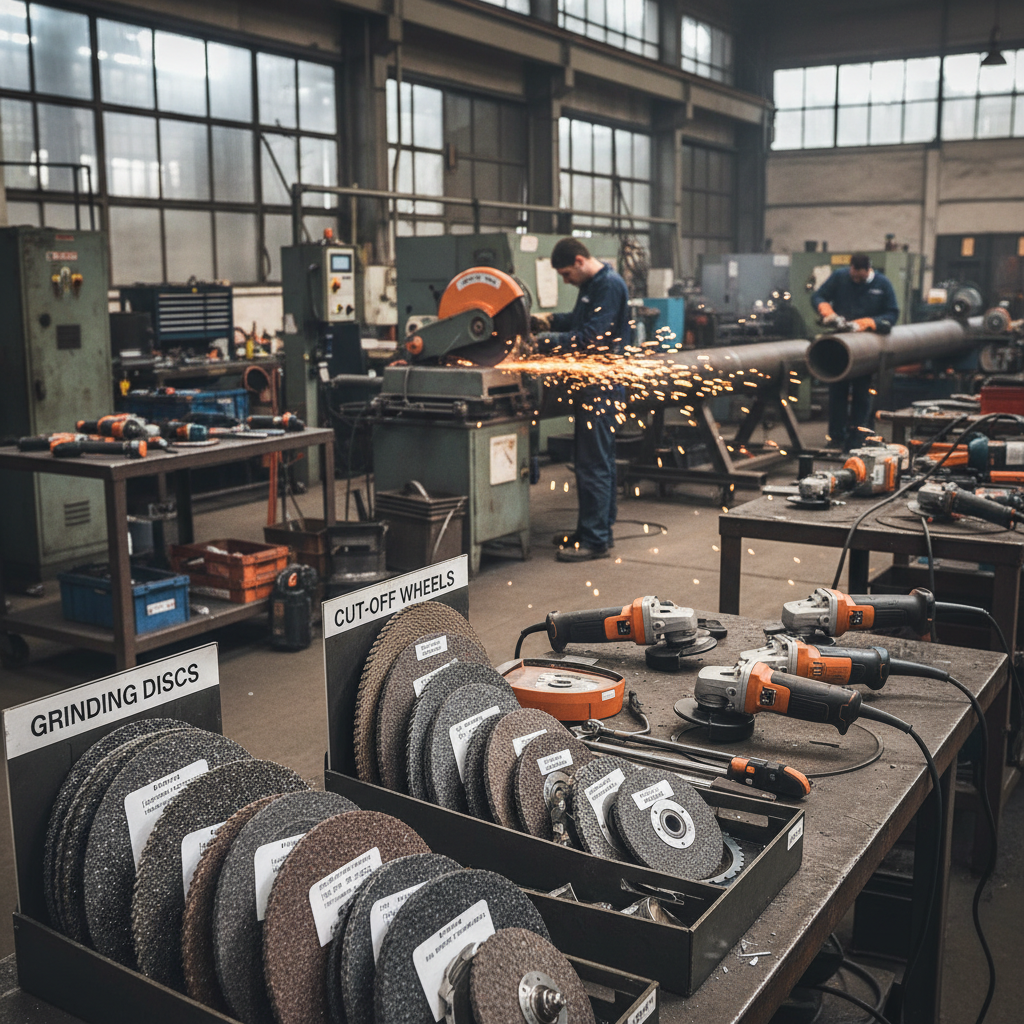
The application of these tools varies wildly across industries, from shipbuilding in East Asia to automotive manufacturing in Germany. In high-volume environments, the focus is on the "cost-per-cut." A procurement team might find that a mid-range option on the grinding wheel price list actually yields the highest profit margin when the tool's wear rate is balanced against the labor cost of the operator.
For example, in precision aerospace engineering, the use of high-end Flexible Grinding Wheels is mandatory to avoid thermal damage to exotic alloys. In this scenario, the price is secondary to the precision and finish quality. Conversely, in demolition or heavy construction, a bulk-purchased Stone Cutting Disc from a wholesale price list is preferred for its disposable nature and raw cutting power.
Comparative Value Analysis of Grinding Wheel Price List Tiers
Long-Term Value and Operational Advantages
Investing in higher-tier products from a grinding wheel price list often yields surprising long-term dividends. Beyond the immediate cost, premium discs like Flap Discs provide a multi-stage process (grinding and finishing) in one tool, which slashes the total time spent on a workpiece. This operational efficiency translates directly into lower labor costs and faster turnaround times for the client.
Moreover, the emotional angle of safety cannot be ignored. High-quality discs are less prone to catastrophic failure (bursting), which protects the operator's life and the company's liability. When a company chooses a reliable product over the absolute cheapest entry on a price list, they are investing in a culture of safety and trust, which is invaluable for worker retention and brand reputation.
Future Innovations in Abrasive Pricing Models
The future of the grinding wheel price list is being rewritten by digital transformation and sustainable materials. We are seeing the rise of "smart abrasives" that incorporate sensors to monitor wear, potentially shifting the pricing model from a per-unit cost to a "performance-as-a-service" model where companies pay for the volume of material removed rather than the disc itself.
Sustainability is also driving innovation. The development of biodegradable bonds and recycled abrasive grains is creating a new "Green Tier" in the price list. While these eco-friendly options may initially carry a premium, the reduction in hazardous waste disposal costs makes them a logically sound investment for companies adhering to strict ESG (Environmental, Social, and Governance) criteria.
Automation and robotics are further refining these costs. As robotic arms take over grinding tasks, the demand for wheels with absolute consistency in hardness and diameter increases. This shift is leading to "Precision-Grade" price lists, where the value is derived from the tool's ability to integrate seamlessly with CNC systems, reducing the need for manual calibration.
Overcoming Challenges in Abrasive Procurement
One of the most common challenges in using a grinding wheel price list is the "price-performance paradox," where buyers assume the most expensive tool is always the best. However, using a high-grade Inox disc on mild steel is a waste of resources. The solution lies in technical training for procurement staff to ensure the tool is matched precisely to the material.
Another hurdle is supply chain volatility, which can make a printed price list obsolete within weeks. To overcome this, leading firms are moving toward dynamic pricing agreements and Just-In-Time (JIT) delivery systems. By establishing long-term partnerships with manufacturers, they can lock in pricing and ensure a steady flow of Multi Purpose Cutting Discs regardless of market swings.
Finally, the lack of standardized wear-tracking often leads to inefficient tool replacement. By implementing simple digital logs to track how many parts each wheel from the price list can process, shops can determine the exact "tipping point" for replacement, maximizing the utility of every single disc and minimizing waste.
Comparison of Abrasive Product Tiers and Cost-Benefit Analysis
| Product Category |
Price Tier |
Expected Lifespan |
Cost-Efficiency Score |
| Metal Cutting Disc |
Budget |
Low |
6/10 |
| Stainless Steel Cutting Disc |
Mid-Range |
Medium |
8/10 |
| Grinding Disc For Inox |
Premium |
High |
9/10 |
| Flap Discs |
Mid-Premium |
Medium-High |
7/10 |
| Stone Grinding Disc |
High-End |
Very High |
8/10 |
| Multi Purpose Disc |
Economy |
Low-Medium |
7/10 |
FAQS
The variation is primarily due to the quality of the abrasive grains (e.g., aluminum oxide vs. zirconia) and the bond strength. A premium disc on the grinding wheel price list uses a more refined bond that prevents the disc from wearing down too quickly, allowing it to cut more material before needing replacement, whereas budget discs wear out faster.
Don't look at the unit price alone. Calculate the "cost per part" by dividing the price of the wheel by the number of pieces it can process. Often, a tool that costs 20% more on the grinding wheel price list can last 50% longer, making it the more economical choice in the long run.
For low-volume or varied tasks, multi-purpose discs are excellent for reducing inventory costs. However, for high-volume industrial work, specialized discs (like Inox-specific ones) found on the grinding wheel price list are far more efficient and produce a superior finish, reducing the need for secondary polishing.
Yes, most manufacturers offer tiered pricing. Bulk purchases typically unlock significant discounts. If you have a steady monthly consumption of cutting or grinding discs, negotiating a contract price based on the wholesale grinding wheel price list can reduce your overhead significantly.
The primary risk is safety. Cheaply made discs may lack proper reinforcement, increasing the risk of shattering during high-RPM use. Additionally, poor quality grains can cause "burning" of the metal, which ruins the workpiece and increases scrap rates, offsetting any initial savings.
Due to the volatility of raw materials like resin and alumina, it is recommended to review and update your grinding wheel price list every quarter. This ensures your project estimates remain accurate and allows you to take advantage of seasonal pricing or new product releases.
Conclusion
In summary, analyzing a grinding wheel price list is not a simple exercise in cost-cutting, but a strategic approach to industrial efficiency. By weighing the initial purchase price against durability, safety certifications, and material compatibility, manufacturers can optimize their production cycles and significantly lower their overall operational expenses. From the precision of Inox grinding to the raw power of stone cutting, the right tool selection is the cornerstone of quality manufacturing.
Looking forward, the integration of sustainable materials and smart monitoring will likely transform how we perceive abrasive costs. We encourage procurement managers to move beyond the surface level of pricing and embrace a value-based model that prioritizes long-term reliability and operator safety. For high-performance abrasive solutions tailored to your industry, visit our website: www.cutoffdiscs.com.