Understanding the Chop Saw Cutting Wheel: A Global Perspective
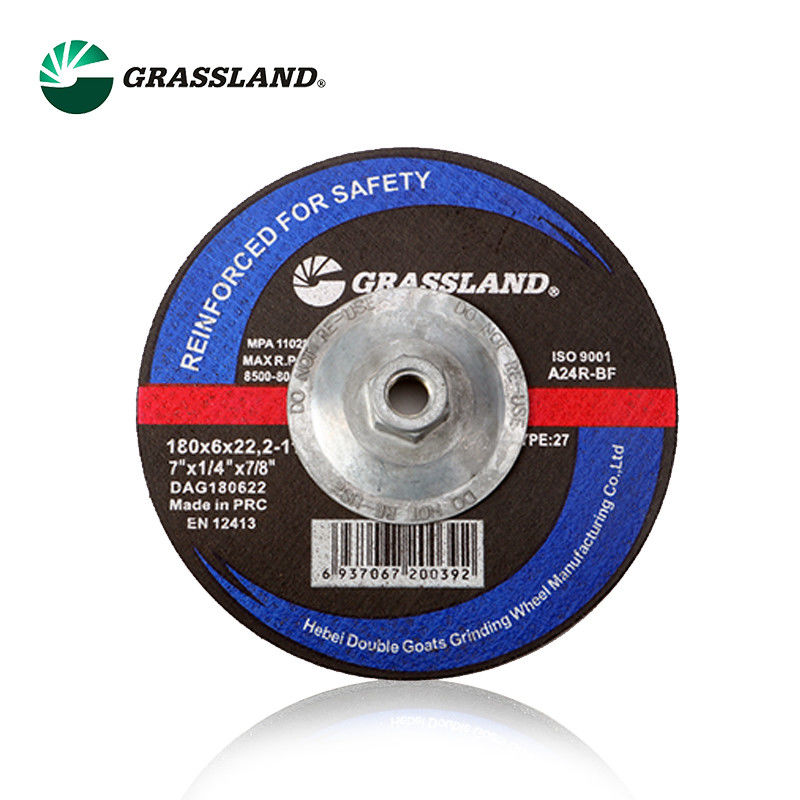
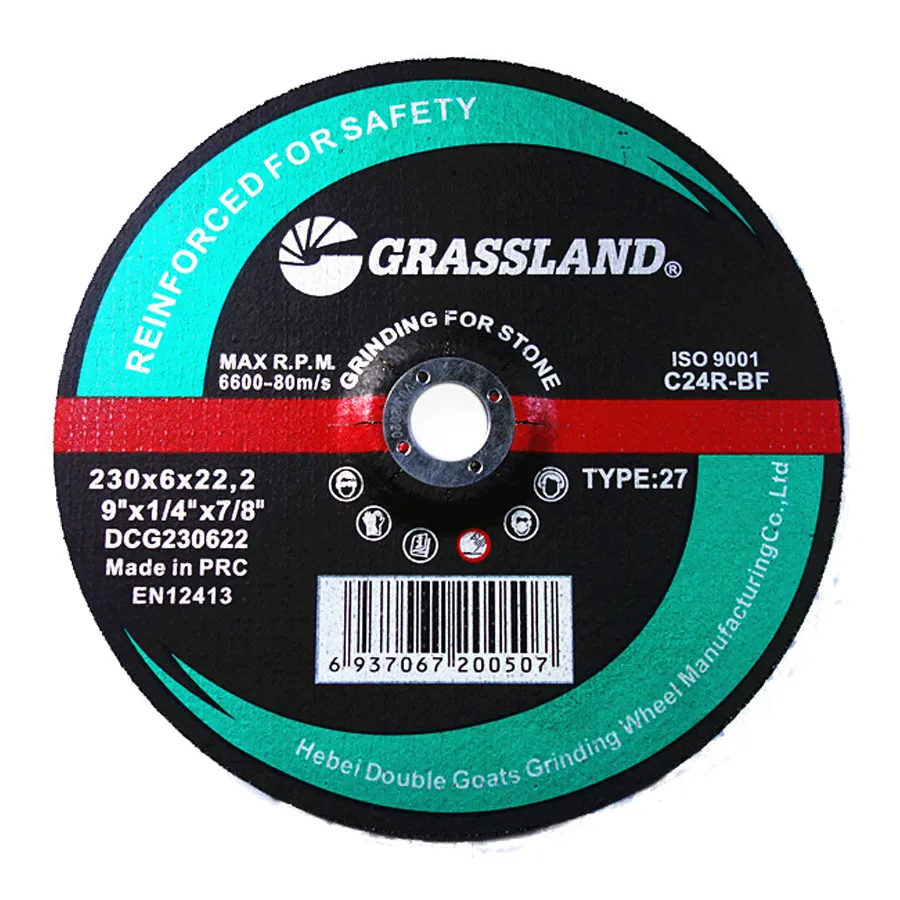
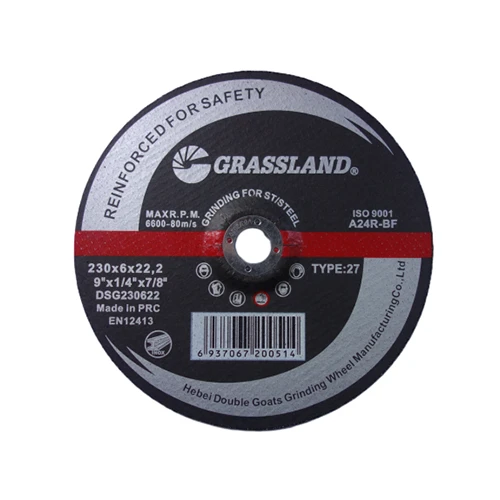
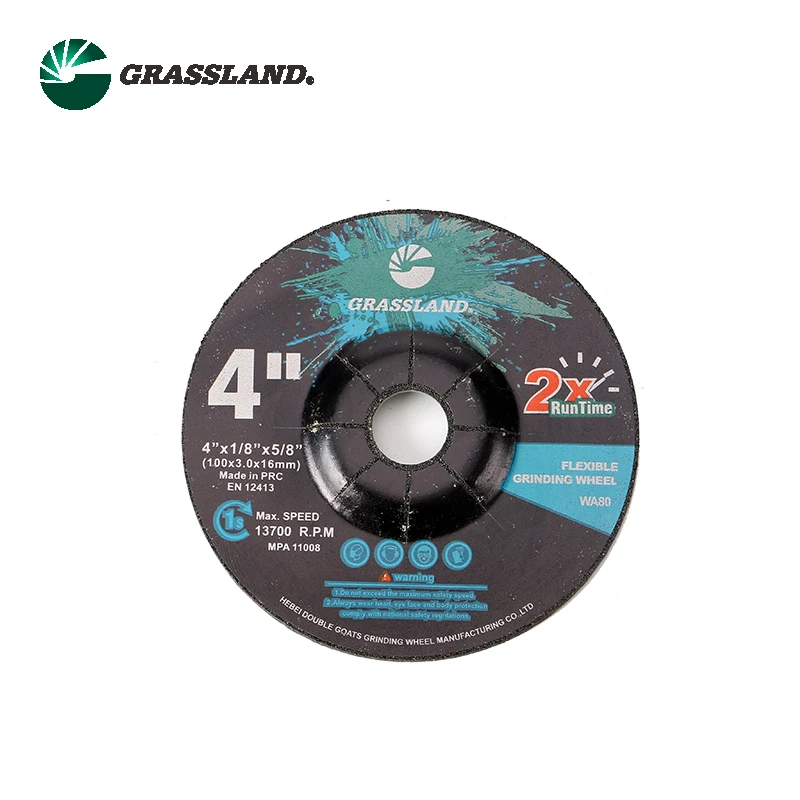
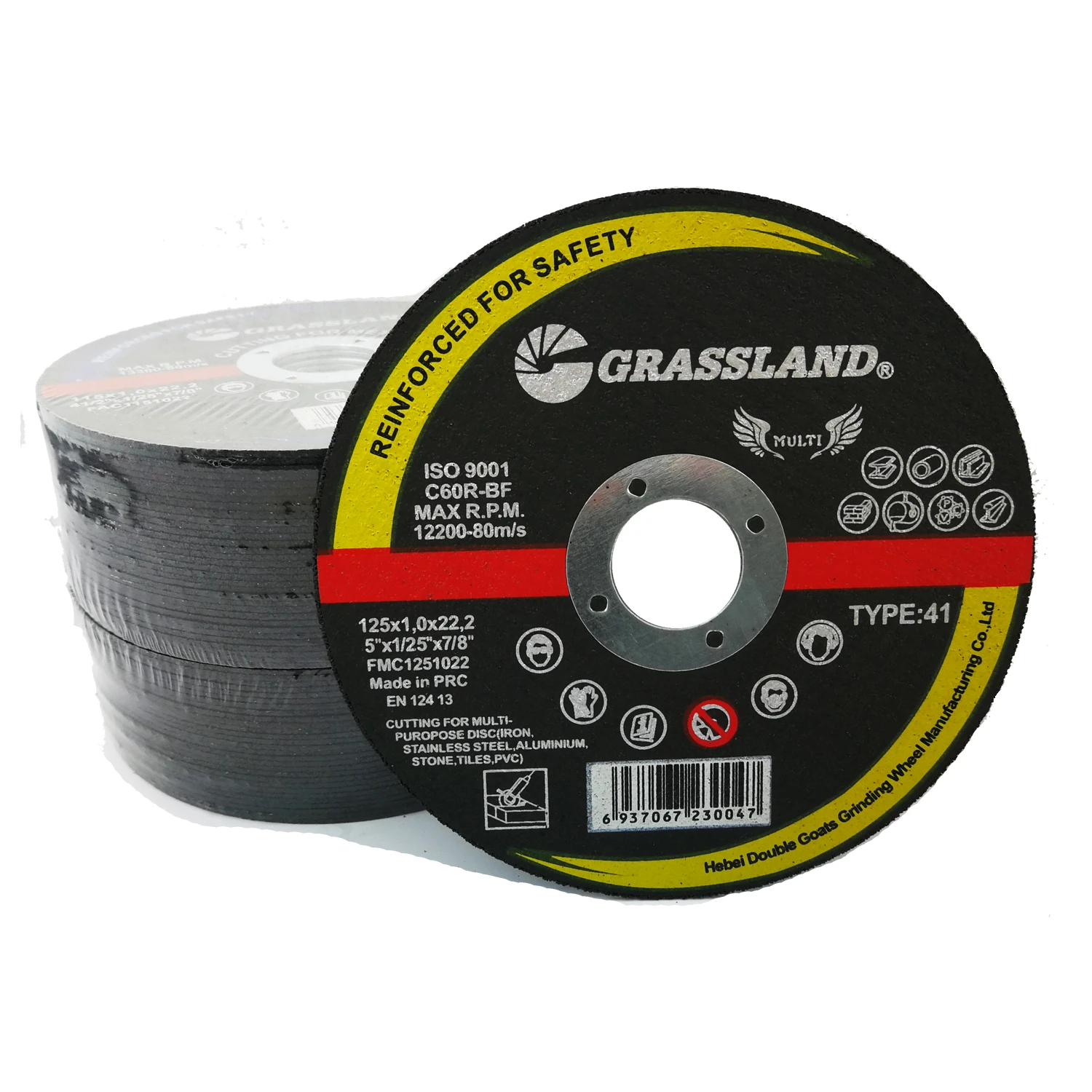
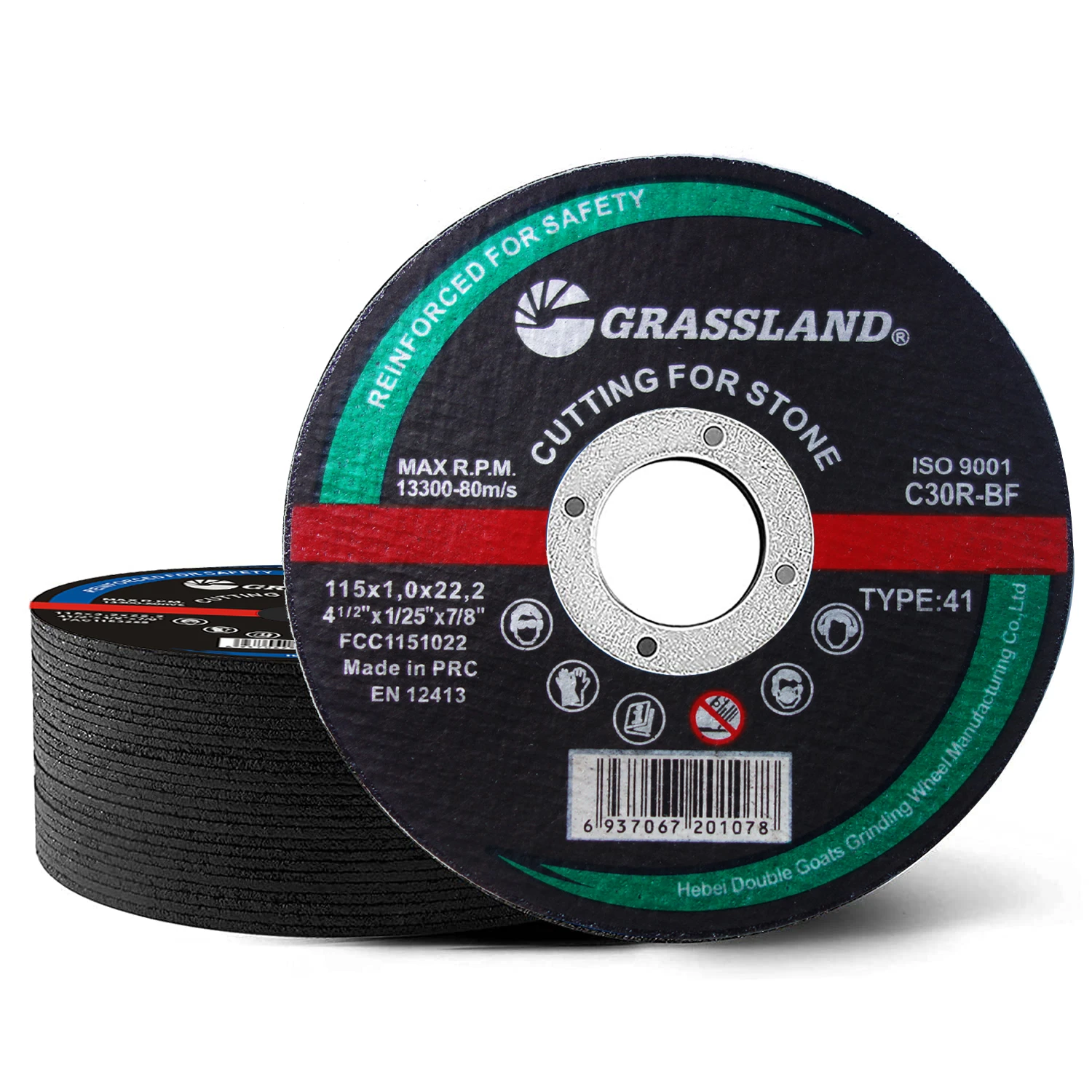
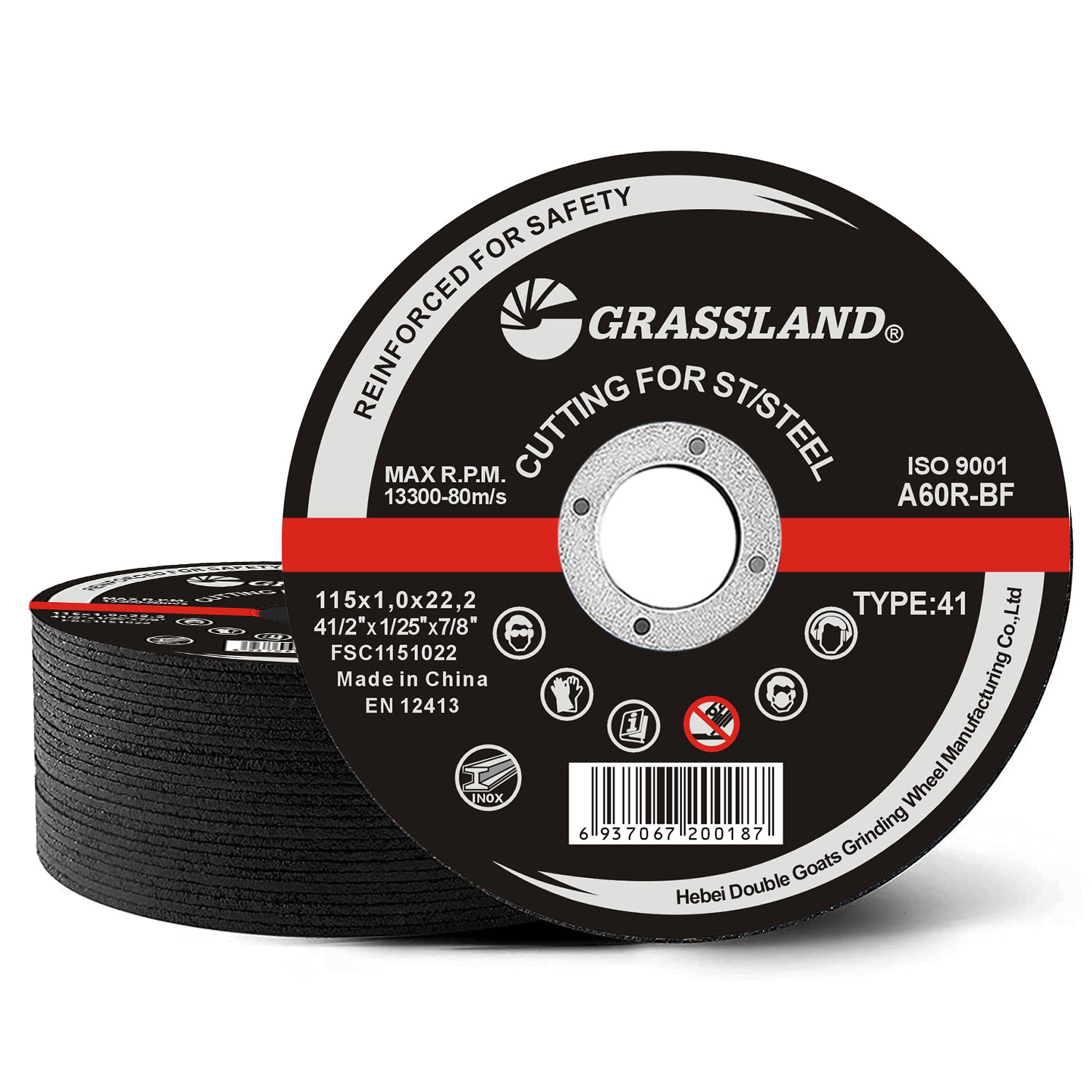
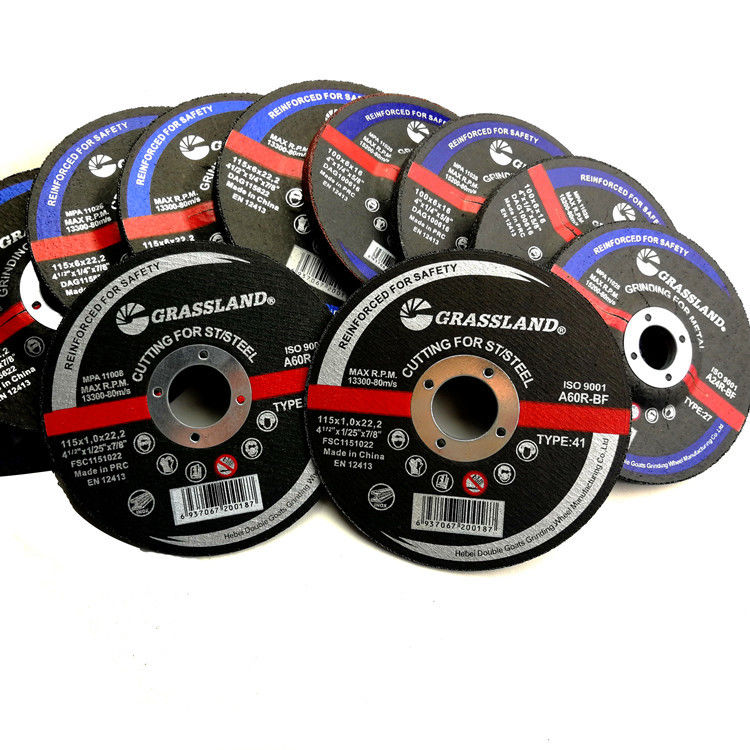
Chop saw cutting wheels might seem like a small piece in the vast machinery of industry, but they actually carry an outsized weight in global manufacturing, construction, and even humanitarian work. Simply put, a chop saw cutting wheel is the circular abrasive disc attached to a chop saw machine, designed to quickly slice through metals, plastics, and a variety of other materials. Its role is critical in speeding up fabrication, ensuring precision cuts, and ultimately shaping countless infrastructures and products we rely on daily.
Why should anyone care beyond the factory floor? Well, in a world that's increasingly focused on efficiency, safety, and sustainability, having dependable cutting wheels means fewer delays, less waste, and better outcomes across industries. From building skyscrapers in booming cities to crafting emergency shelters in disaster zones, understanding chop saw cutting wheels helps grasp how modern life stays moving.
Introduction: The Global Relevance of the Chop Saw Cutting Wheel
Data from the International Organization for Standardization (ISO) suggests that metal fabrication industries worldwide contribute trillions to the global economy, with chop saws and their cutting wheels central to many producing frameworks. For example, in construction alone, a survey noted that over 70% of metal cutting tasks utilize chop saw technology. That’s a lot of cutting wheels spinning away every day — and that’s just one sector.
However, challenges arise. Abrasive wear, safety implications due to wheel failure, and the energy costs of inefficient cutting wheels present ongoing concerns. So, manufacturers and engineers scramble to optimize cutting wheel durability and performance — because blunt or broken wheels don’t just cause slowdowns, they could trigger accidents or waste crucial materials.
Defining the Chop Saw Cutting Wheel
In straightforward terms, a chop saw cutting wheel is a rotational abrasive disc mounted on a power saw that performs straight cuts, mostly on metal but often on masonry or plastic as well. Its high-speed rotation and abrasive surface enable it to shear through materials cleanly and quickly.
More than just “a disc,” though, it embodies the intersection of engineering materials science with practical industry needs — combining steel reinforcements, grit types, and bonding agents to balance sharpness, longevity, and safety. Oddly enough, even humanitarian aid efforts depend on these cutting wheels; when NGOs need rapid deployment shelters or emergency infrastructure, effective cutting tools help get those critical materials fabricated fast.
Core Components and Key Factors of a Chop Saw Cutting Wheel
1. Durability
The life cycle of a cutting wheel depends on its abrasive grains and bonding matrix. Some wheels incorporate aluminum oxide for standard cutting, while more demanding jobs use silicon carbide or diamond-tipped edges. Durability directly impacts costs, reducing downtime and the need for frequent replacements.
2. Compatibility and Size
Choosing the correct diameter and arbor size is crucial for safety and efficiency. Most chop saw cutting wheels come in standard sizes (14-inch, 16-inch), but variations allow usage on different saw models or for specialized cuts.
3. Cutting Speed and Precision
The maximum operative speed (RPM) a wheel supports affects how quickly and cleanly it cuts. Higher speeds can boost productivity but also risk faster wear or accidents if incorrect wheels are used.
4. Safety Features
Reinforcements like fiberglass mesh layers or steel cores reduce breakage risks. Compliance with safety standards, such as ANSI B7.1 or EN12413, is critical. After all, a shattered cutting wheel is more than just inconvenient—it’s downright dangerous.
5. Cost Efficiency
Balancing initial cost with performance and life span determines overall value. Investing in slightly pricier wheels that last longer and cut more precisely often ends up more economical.
Chop Saw Cutting Wheel Specifications
| Specification | Typical Value |
|---|---|
| Diameter | 14 inches (355 mm) |
| Arbor Hole Size | 5/8 inch (16 mm) |
| Maximum RPM | 4,300 RPM |
| Material | Aluminum Oxide / Silicon Carbide |
| Thickness | 1/8 inch (3.2 mm) |
Mini Takeaway: The chop saw cutting wheel’s specifications profoundly impact everything from safety to operational costs, so getting them right is key.
Global Applications and Use Cases
Across continents, from the steelworks of Germany to construction sites in Southeast Asia, chop saw cutting wheels power core cutting tasks. In post-disaster relief operations, planes full of rough-cut building materials land quickly, but local teams rely on these wheels to finalize sizing safely and efficiently on site. Remote industrial zones in Canada use wheels made for cold-resilient, heavy-duty metal cutting.
Manufacturing plants depend on precision cutting for automotive parts; rapid turnaround prevents bottlenecks. Oddly enough, in art and sculpture, highly specialized cutting wheels enable delicate cuts on challenging materials, expanding creative possibilities.
Vendor Comparison of Chop Saw Cutting Wheels
| Vendor | Wheel Material | Max RPM | Price per Wheel | Warranty |
|---|---|---|---|---|
| SpeedCut Industries | Aluminum Oxide | 4,300 RPM | $12.50 | 6 Months |
| CutPro Tools | Silicon Carbide | 4,500 RPM | $15.00 | 1 Year |
| EcoCut Solutions | Recycled Alumina | 4,200 RPM | $13.00 | 9 Months |
Mini Takeaway: Different vendors emphasize durability, price, or sustainability, so choose a chop saw cutting wheel that fits your operational priorities.
Advantages & Long-Term Value of Chop Saw Cutting Wheels
- Cost Savings: Durable wheels lower replacement frequency, reducing downtime and material waste.
- Safety: Reinforced designs and adherence to international safety standards minimize injury risks—a real peace of mind.
- Sustainability: Some manufacturers now use eco-friendly materials, contributing to greener operations.
- Precision & Quality: Accurate cuts minimize rework and boost finished product reliability.
On a more human note, a reliable cutting wheel gives engineers and workers confidence on the job — that sense of trust can make all the difference in demanding settings.
Future Trends & Innovations
Advancements in composite materials hint at even longer-lasting cutting wheels with better heat resistance. Digital monitoring systems might soon alert users when a wheel nears wear-out, preventing unexpected failures.
Automation and robotics integration mean chop saw cutting wheels will work in tandem with AI-enabled machines for ultra-precise, high-volume metal cutting. Plus, there’s growing emphasis on recycling spent wheels, aligning with circular economy policies worldwide.
Challenges & Practical Solutions
Despite their strengths, chop saw cutting wheels face issues such as uneven wear, risk of shattering under stress, or compatibility problems with saw models. To tackle this, manufacturers test wheels rigorously per ISO 603-2 standards and provide clear user guidelines.
Proper training and adherence to equipment specifications reduce accidents. Moreover, investing in slightly higher-cost wheels often pays off long-term, as they come with improved bonding agents that prevent premature breakage.
FAQ: Frequently Asked Questions About Chop Saw Cutting Wheels
- Q: How do I know which chop saw cutting wheel is best for metal versus masonry?
A: Metal cutting wheels typically use aluminum oxide abrasives and thinner profiles for cleaner cuts, while masonry wheels often incorporate silicon carbide and thicker bodies to withstand harder materials. Always check the wheel’s material compatibility labels. - Q: What safety precautions are essential when using chop saw cutting wheels?
A: Use appropriate personal protective equipment (PPE), ensure the wheel is rated for the saw’s RPM, and avoid side pressure on the wheel. Regular inspections before use are crucial to detect cracks or wear. - Q: Can chop saw cutting wheels be reused after initial wear?
A: Once worn beyond manufacturer specifications, wheels must be replaced. Some abrasive wheels can be dressed to expose new grit in industrial settings, but this is uncommon and not recommended for standard use. - Q: How should I store my chop saw cutting wheels to maximize lifespan?
A: Store wheels in a dry, temperate environment away from moisture and extreme temperatures. Keep them flat or hanging vertically to avoid warping.
Conclusion: Why the Chop Saw Cutting Wheel Still Matters
The humble chop saw cutting wheel remains an unsung hero in modern industry — quietly accelerating productivity, enhancing worker safety, and enabling precise fabrication worldwide. Its long-term value is clear in both economic and ethical terms, supporting projects that shape societies and protect livelihoods.
If you want to learn more or explore quality options, do visit our website: chop saw cutting wheel. Trust me, having the right wheel can make all the difference.
— Just something I keep noticing on site: the best projects often rely on small, strong parts working flawlessly together. The chop saw cutting wheel sure fits that bill.
References
Post time:Dec - 01 - 2025