What’s the Big Deal About Angle Grinder Metal Grinding Discs?
At first glance, an angle grinder metal grinding disc might seem like just another workshop tool component, but its global significance in industries ranging from construction to manufacturing is pretty impressive. These discs enable everything from rough cutting and surface prepping to precision finishing on metal components—tasks essential for building infrastructure or repairing machinery.
Why does this matter globally? Well, it’s a small piece of gear that keeps heavy industry turning, lives safer through reliable maintenance, and supports humanitarian engineering projects by making metalwork faster, cleaner, and cost-effective. Understanding these discs helps professionals choose better tools, optimize durability, and improve overall safety—benefits that ripple into global supply chains and local economies alike.
Why Angle Grinder Metal Grinding Discs Are More Critical Than You Think
Globally, the world’s industrial growth is staggering—forecasts from the World Bank suggest manufacturing output will expand by 3-5% annually over the next decade in emerging markets alone. Angle grinders fitted with the right metal grinding discs become essential enablers in this process, used in everything from automotive assembly lines to offshore oil rigs and urban infrastructure projects.
Industry data from ISO highlights that tool wear and failure during metal surface treatment lead to significant downtime—upwards of 12% in some sectors—costing billions yearly. Here’s where the quality of your grinding disc matters the most. Poor discs not only slow work but risk worker safety with discoid shattering or poor dust management. Effectively, the right disc is both a productivity and risk mitigation tool.
In real terms: If you’ve ever wondered why some crews finish jobs faster and with fewer safety incidents, their choice of grinding disc often plays a starring role.
What Exactly Is an Angle Grinder Metal Grinding Disc?
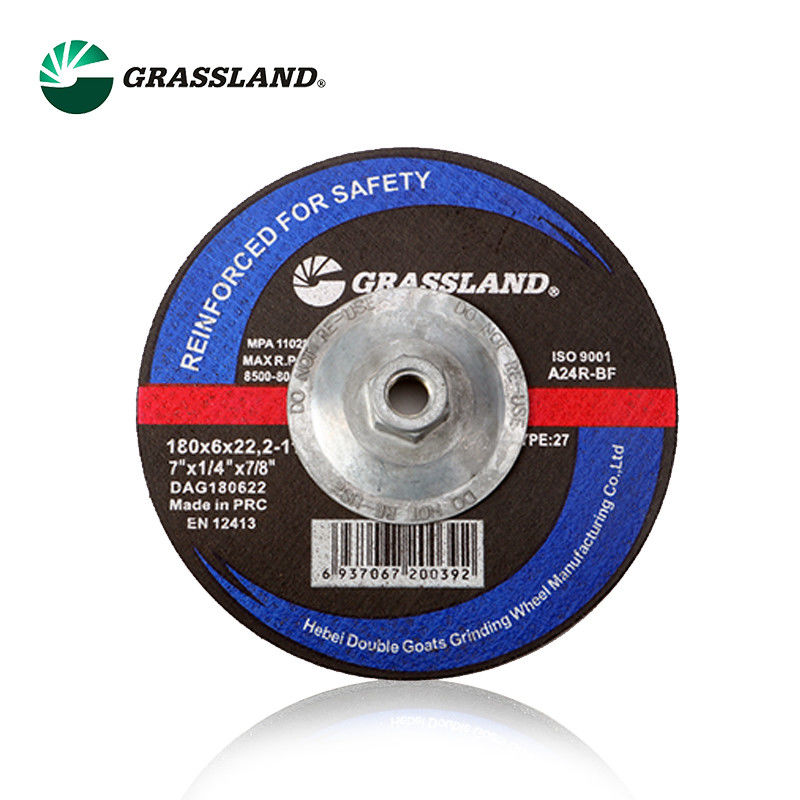
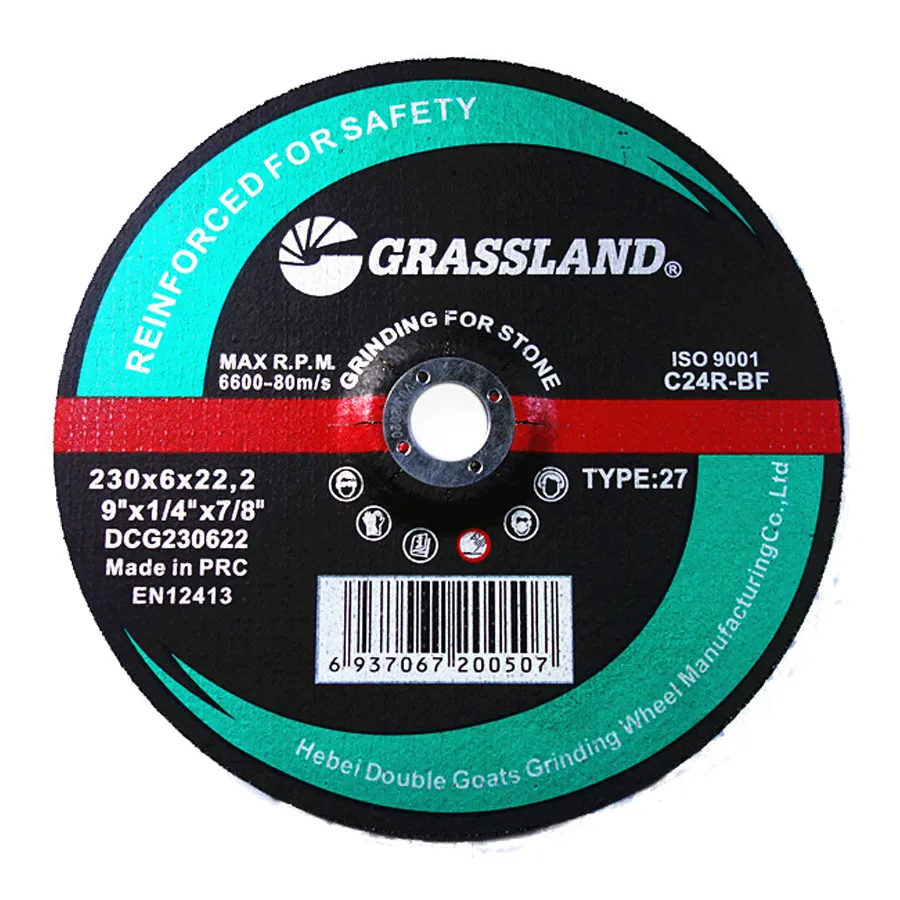
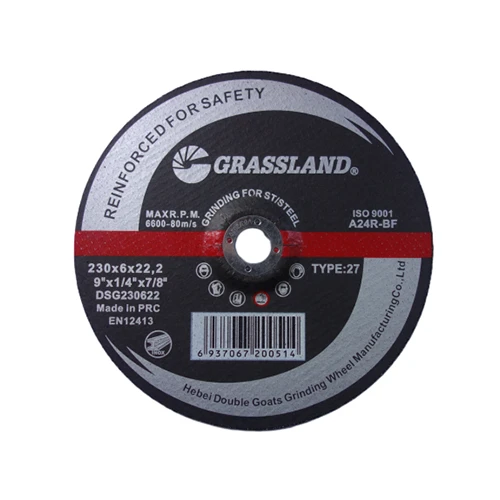
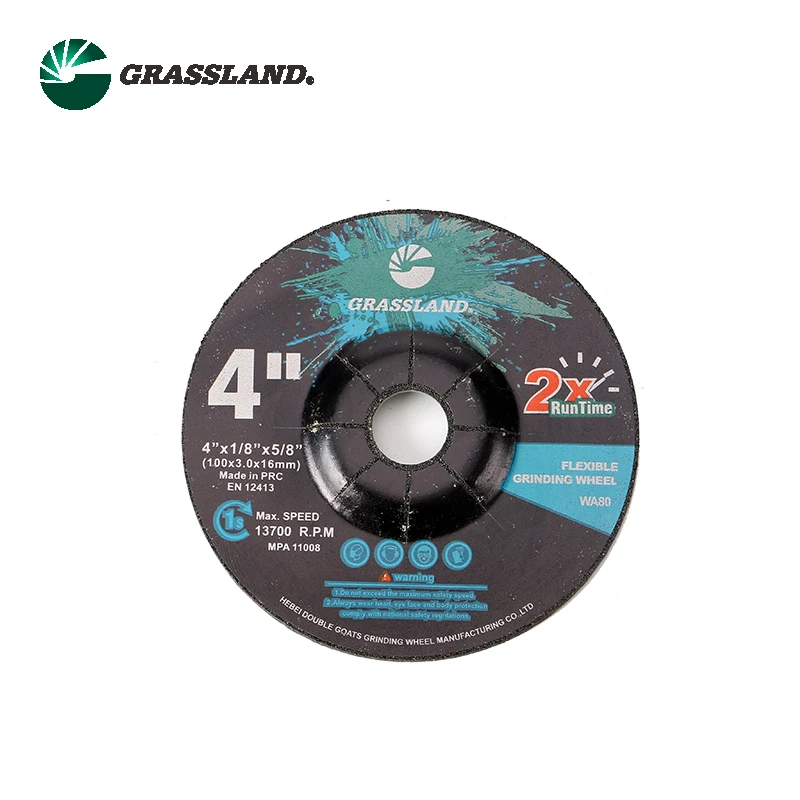
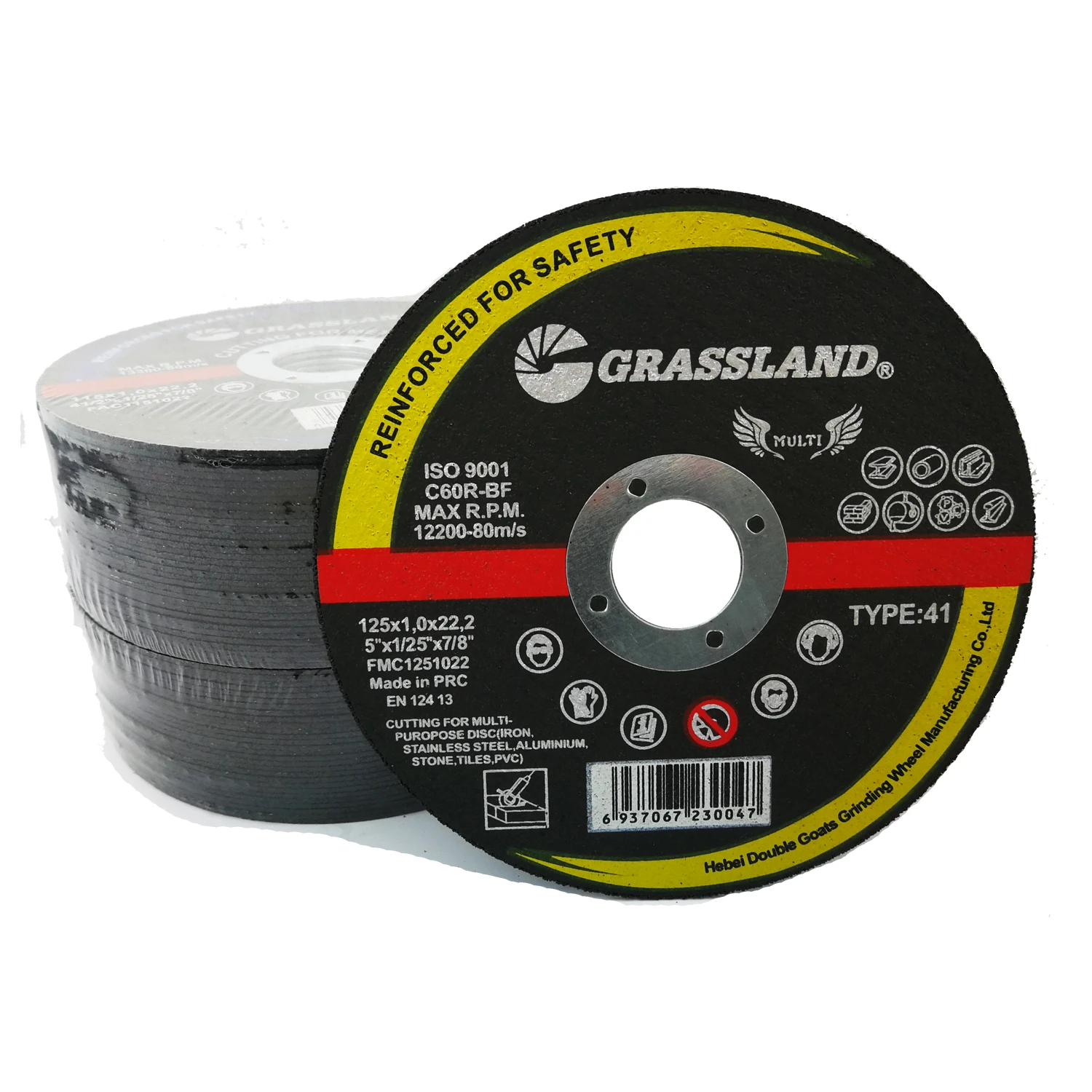
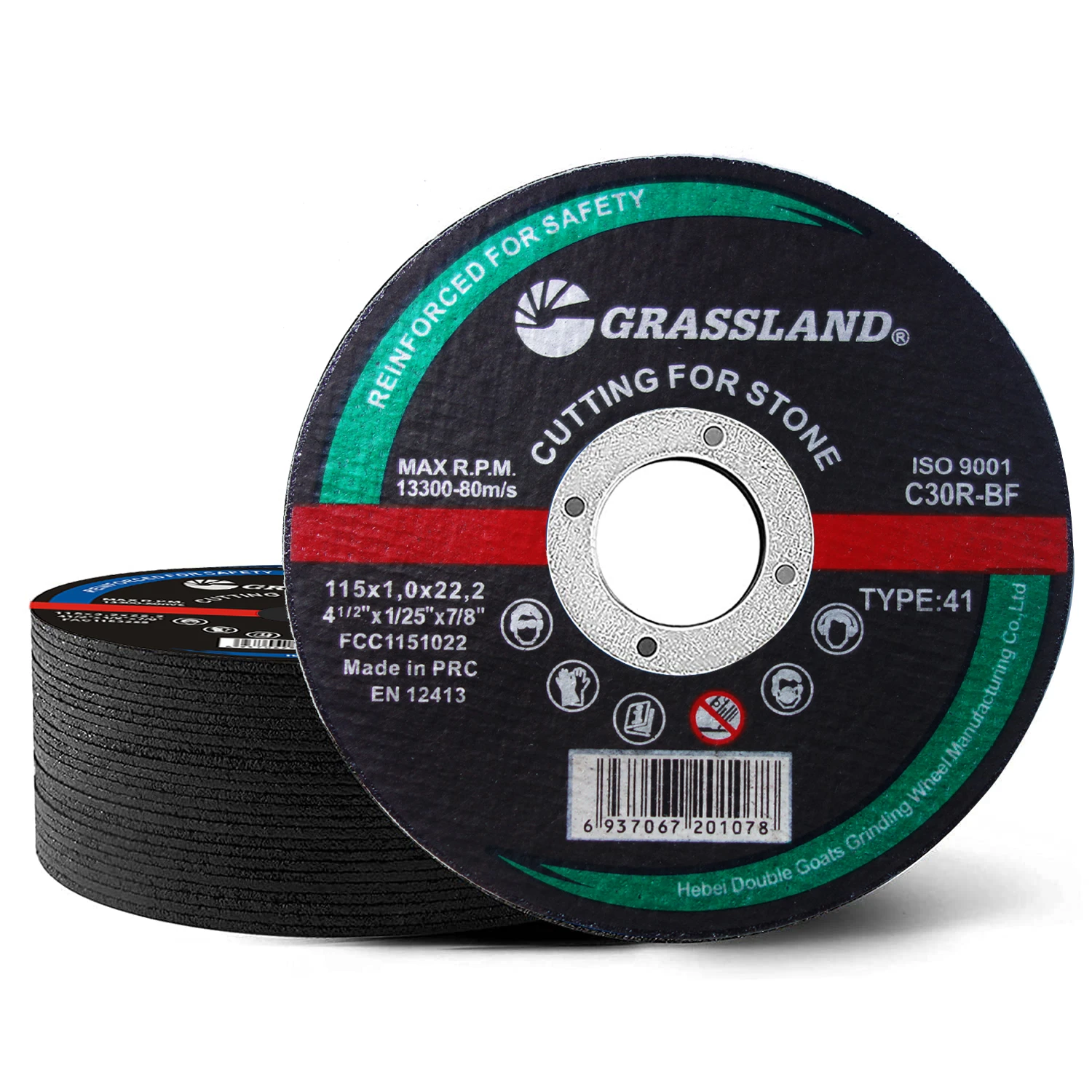
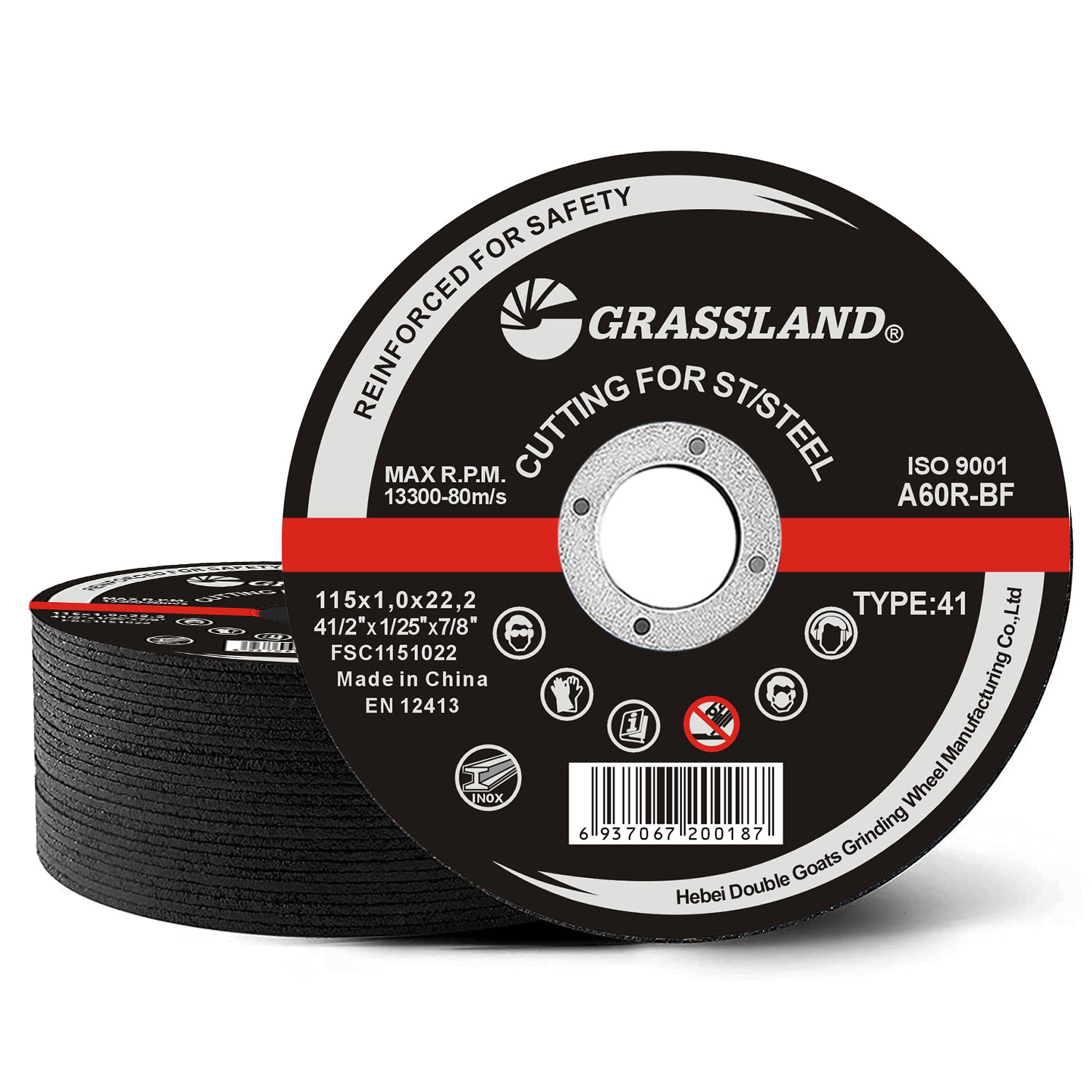
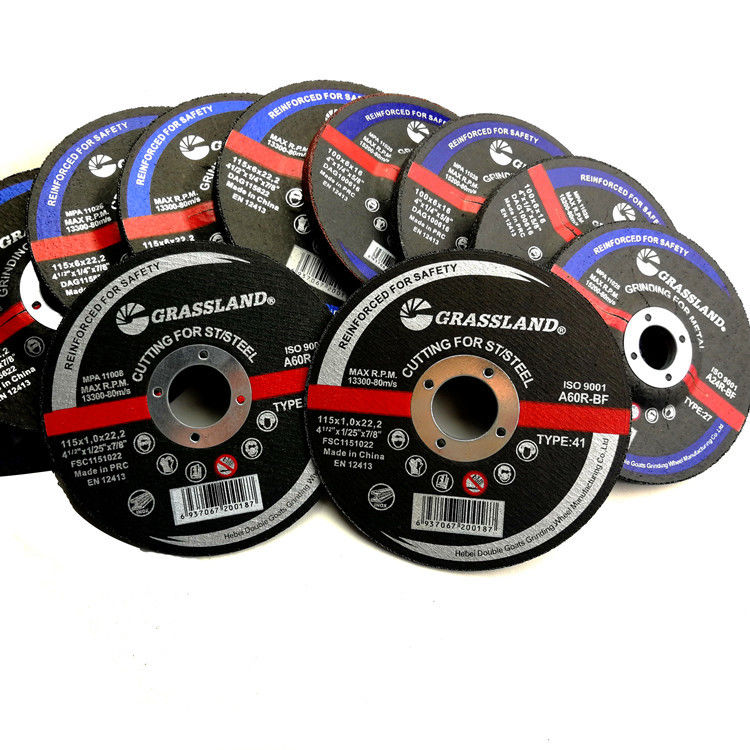
Simply put, an angle grinder metal grinding disc is a circular abrasive tool attachment designed to fit an angle grinder—the handheld power tool well known for its spinning action. The disc’s abrasive surface handles metal differently depending on its composition and design: some are for cutting, others for rough grinding, and some for fine polishing.
Think of it this way: if the angle grinder is the athlete, the grinding disc is the specialized shoe designed for particular terrain—without the right pair, the job gets clumsy or risky.
These discs are vital in metal fabrication plants, shipyards, and even construction sites where structural steels need shaping. In humanitarian use, makeshift workshops rely on these discs for repairing tools or fabricating parts where supply chains are weak.
Core Components & Key Factors for Choosing the Right Grinding Disc
1. Durability
Disc lifespan depends on the bonding material and abrasive grit. Better durability means fewer replacements, less downtime, and lower long-term cost. Many engineers swear by zirconia or ceramic blends for tougher industrial tasks.
2. Cutting vs. Grinding Grit
Angle grinder metal grinding discs come with varied grit sizes and hardness. Coarser grits remove metal fast but less smoothly; fine grits polish or prepare surfaces without heavy material removal. Matching the grit with your application maximizes output quality.
3. Safety Ratings & Standards
ISO and ANSI safety specs (like max RPM and shatter protection) protect users. Discs bearing these certifications tend to perform reliably under stress without sudden failure.
4. Size & Thickness
The diameter and thickness affect grinding precision and strength. Thin discs excel at cutting but wear faster, while thicker ones handle grinding and rough shaping better.
5. Cost Efficiency
Initially cheaper discs can cost more over time due to reduced lifespan or risk. Cost-effective doesn’t always mean low price—it means best value for output and safety.
Quick Takeaway:
Choosing the right metal grinding disc involves balancing durability, grit, safety, size, and cost—a combo that ensures quality and protects workers.
Real-World Uses of Metal Grinding Discs: Where the Rubber Meets the Road
These discs are everywhere, really. In North America and Europe, industrial plants use them to prep steel welds or strip rust in automotive factories.
But oddly enough, in regions like Southeast Asia and parts of Africa, they’re central to informal workshops repairing farm equipment or building new tools from scrap metal. Post-disaster zones also rely heavily on portable angle grinders fitted with reliable metal discs—quickly restoring critical infrastructure.
For example, after the 2019 Cyclone Idai in Mozambique, many NGOs brought in angle grinders with suitable grinding discs to support construction of temporary shelters and sanitation facilities.
Advantages & Long-Term Value of Angle Grinder Metal Grinding Discs
- Cost Savings: Robust discs reduce frequent replacements.
- Safety: Certified discs help prevent tool failure injuries.
- Environmental: Efficient grinding reduces waste and energy consumption.
- Versatility: Suitable for cutting, grinding, finishing, polishing on many metals.
- Innovation-Friendly: Advances in ceramic and hybrid materials continue to improve performance with less dust.
Beyond cold numbers, there’s a trust factor: workers who know their discs won’t fail mid-job experience reduced stress and greater pride in craftsmanship.
Product Specifications Table
| Specification | Value | Typical Application |
|---|---|---|
| Diameter | 115 / 125 mm | Compact cutting & grinding |
| Thickness | 2.5 – 3.5 mm | Grinding, shaping of metal surfaces |
| Abrasive Material | Aluminum oxide / Zirconia alumina | Industrial heavy-duty grinding |
| Max RPM | 13,300 RPM | Safe high-speed operation |
| Certification | EN12413, ANSI B7.1 | Safety compliance & durability |
How Different Vendors Compare on Angle Grinder Metal Grinding Discs
| Vendor | Material Quality | Safety Certification | Price Tier | Customer Support |
|---|---|---|---|---|
| GrindTech Pro | Premium Zirconia Blend | EN12413 Certified | High | 24/7 Technical Support |
| SteelMaster Tools | Aluminum Oxide Standard | ANSI B7.1 Certified | Midrange | Business Hours Only |
| BudgetGrind | Basic Alumina Composite | No Certification | Low | Limited Email Support |
Looking Ahead: Trends in Grinding Disc Technology
Innovation in disc design is quietly ramping up. I noticed a growing push toward angle grinder metal grinding disc variants with eco-friendlier abrasives, lower emission dust pads, and enhanced life-span coatings. Also, smart sensors may soon track disc wear or warn users before dangerous rotational speeds cause failure.
Digitally integrated tools that sync with worksite management software? It’s not sci-fi anymore. These developments aim to boost safety while trimming waste—an important win for climate-conscious manufacturing.
Challenges & Expert Tips
Despite all the advantages, one nagging issue is inconsistent quality across vendors—especially in less regulated markets. Subpar materials can cause discs to degrade faster or shatter dangerously. The solution? Choose vendors carefully (see comparison above), and always run a pre-use inspection.
Also, training workers on correct angles and pressures reduces uneven wear. Many accidents actually stem from avoidable misuse rather than product flaws.
FAQ: Angle Grinder Metal Grinding Disc Questions
- Q: How do I choose the right grit size for my metal grinding disc?
- A: For heavy material removal, go with coarse grits (24-36). For surface smoothing, medium (60-80) or fine (100+) grits work better. Match grit to task for best results and disc life.
- Q: Can I use the same disc for cutting and grinding metal?
- A: It’s best to use specialized discs. Cutting discs are thinner and designed for slicing metal, while grinding discs are thicker for material removal. Using the wrong disc can be unsafe and inefficient.
- Q: How often should I replace my grinding disc?
- A: Replace when the disc wears down to about 2/3 of its original thickness or if you see cracks, chips, or imbalance. Frequent checks prevent tool damage and accidents.
- Q: Are there eco-friendly angle grinder metal grinding discs on the market?
- A: Yes, some manufacturers offer discs with reduced dust emission and recyclable materials, aligning with tighter environmental regulations.
In Closing: Why Your Angle Grinder Needs the Right Disc
Choosing the right angle grinder metal grinding disc isn’t just a workshop detail; it’s a cornerstone of efficient, safe, and sustainable metalworking. Whether you’re fabricating industrial components or patching things up in a remote village, the disc you pick directly affects speed, safety, and quality.
If you want to explore reliable options and keep your tools sharp and safe, visit our website for carefully curated angle grinder discs built to perform.
References:
1. ISO Standards for Abrasives
2. World Bank Industrial Data
3. Angle Grinder - Wikipedia
Post time:Dec - 01 - 2025