Concrete and Steel Cutting Discs: Essential Tools for Modern Industry
At first glance, concrete and steel cutting discs might seem like just another industrial accessory. But their role in global construction, manufacturing, and infrastructure upkeep is enormous — honestly, we all rely on their reliability more than we realize. The ability to cut through tough materials quickly and safely impacts everything from skyscrapers in New York to emergency rebuilding efforts after natural disasters.
Understanding these discs, their specifications, and applications isn't just a matter of technical curiosity. It’s crucial for industries aiming for efficiency, safety, and sustainability. Let’s explore why these cutting tools matter globally, how they work, and what advancements we can expect to see.
Introduction: Why Concrete and Steel Cutting Discs Matter Globally
The global construction sector alone, according to the World Bank, is projected to cross $15 trillion in value by 2030. Within this massive scale, the demand for high-performance cutting tools like concrete and steel cutting discs grows alongside. These discs ensure precision, safety, and speed when dealing with notoriously tough materials — concrete and steel.
Oddly enough, the challenge isn’t just cutting but cutting efficiently without wasting time or risking damage to workers and expensive equipment. That’s where high-quality discs step in, providing a reliable solution for industries ranging from infrastructure to heavy manufacturing. The ISO quality standards (ISO 9001 for manufacturing quality control, and ISO 12100 for safety) guide development to keep these tools up to global safety and performance marks.
Mini takeaway: Cutting discs are not just "tools" but pivotal enablers of large-scale infrastructure and industrial projects worldwide, influencing safety and productivity.
What Are Concrete and Steel Cutting Discs?
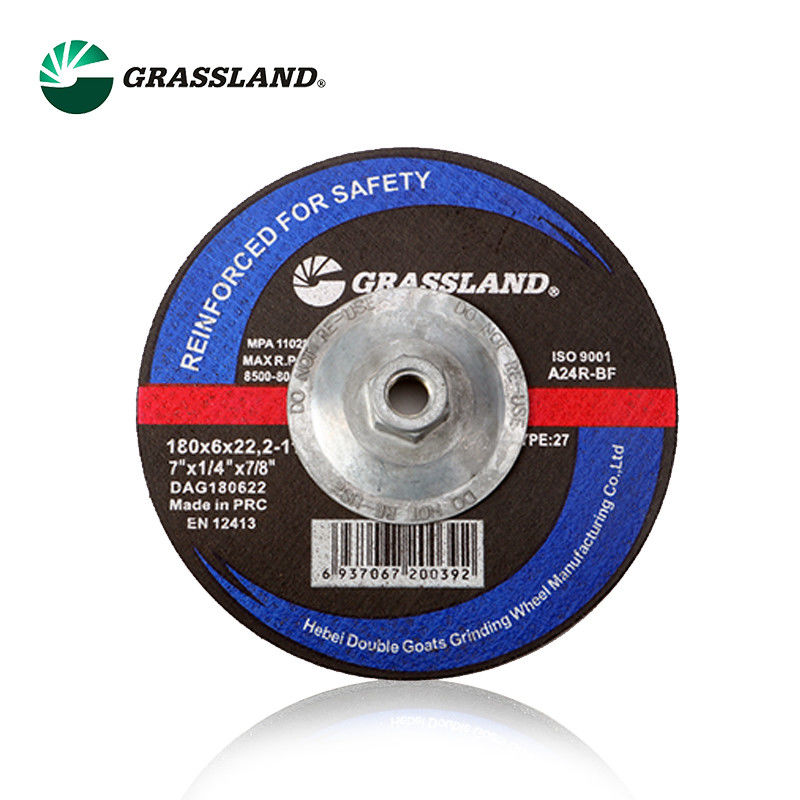
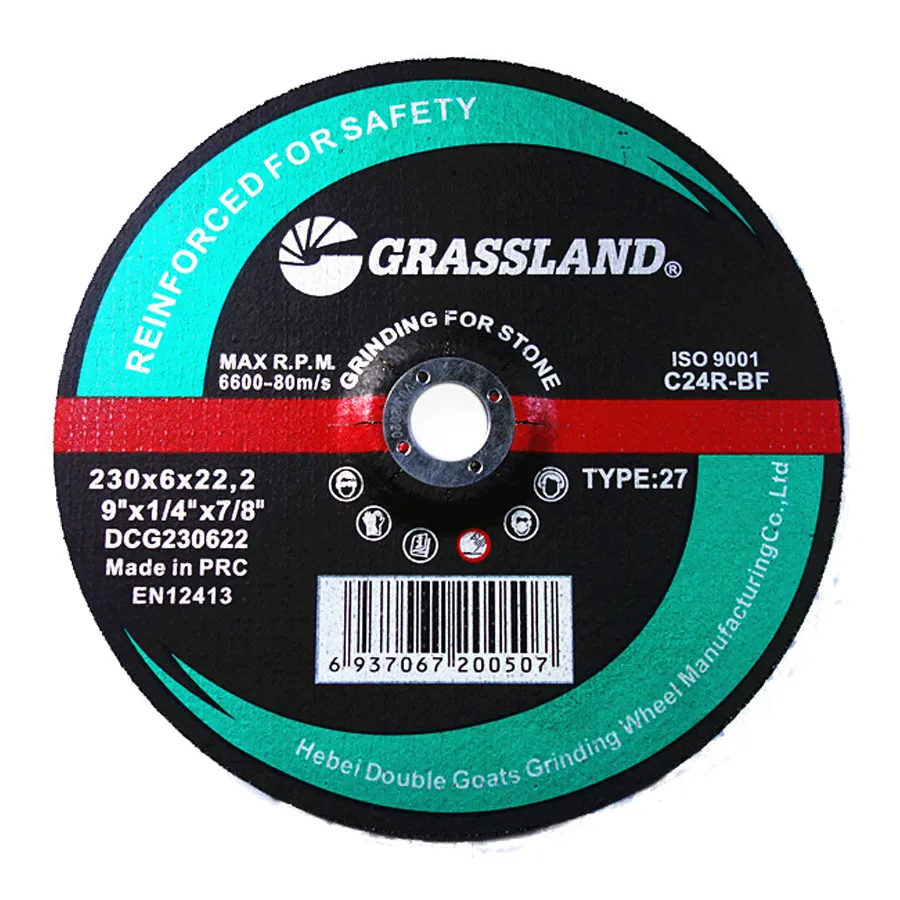
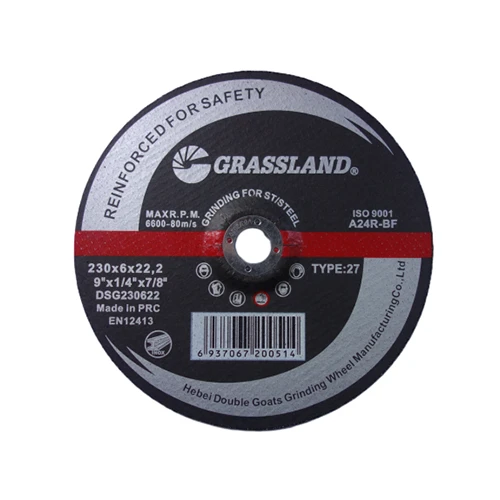
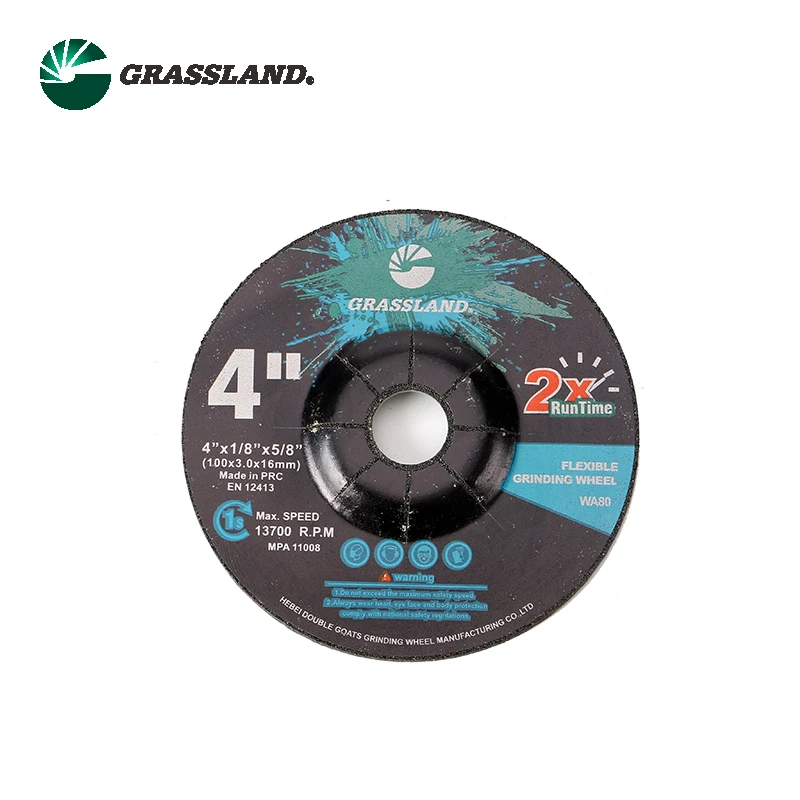
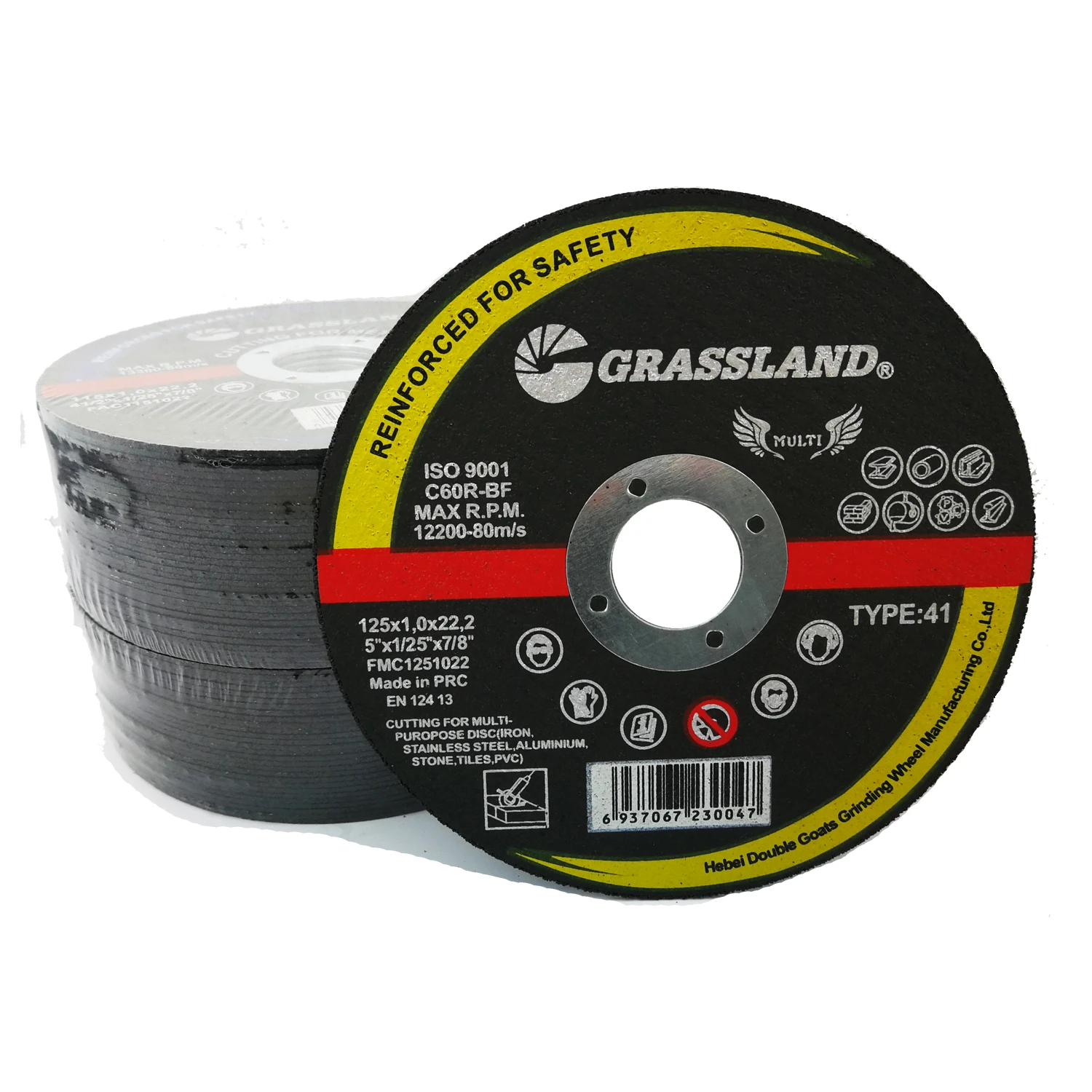
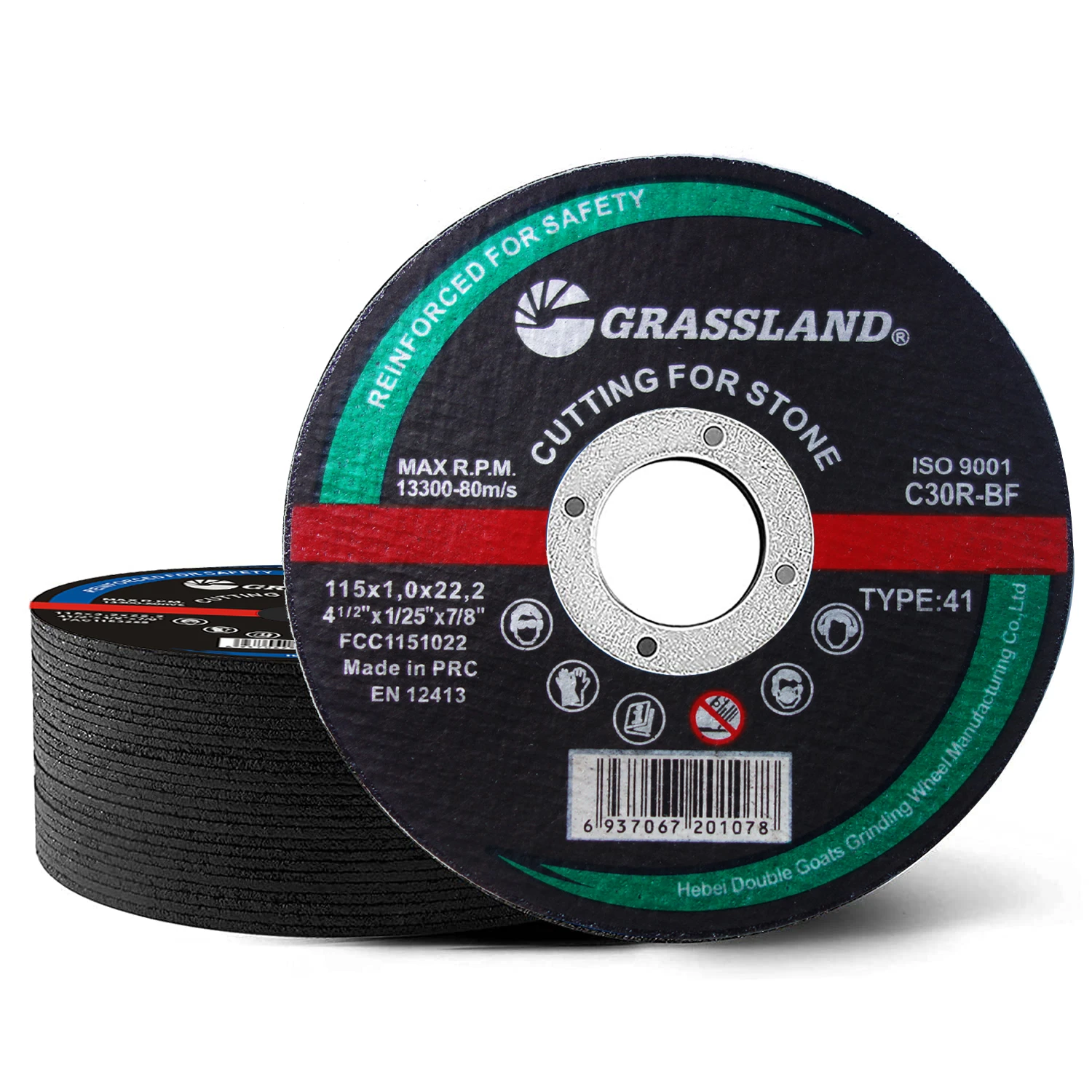
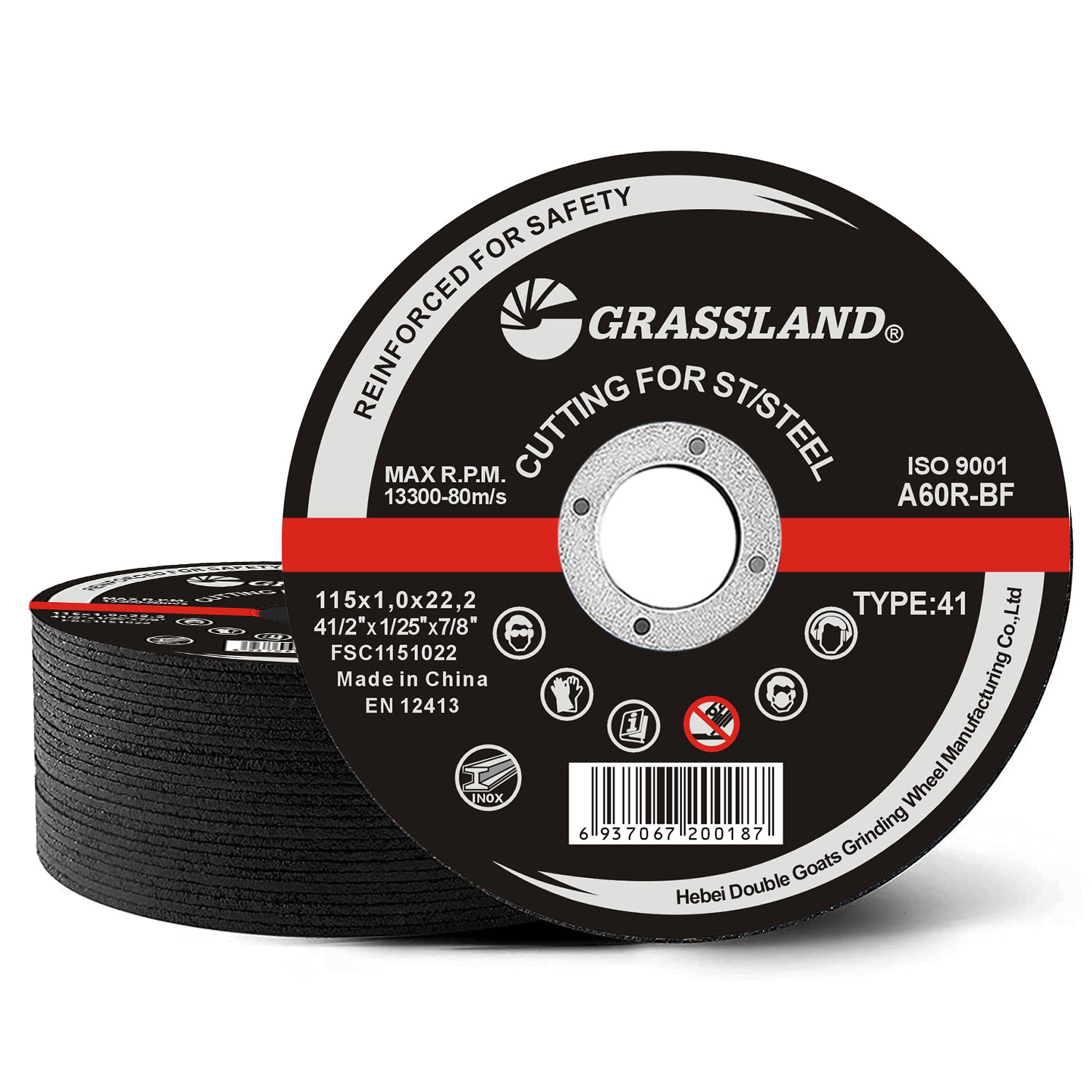
Simply put, these are circular abrasive tools designed to cut through concrete, steel, and similar hard surfaces with precision. They’re typically mounted on angle grinders or saws, spinning at incredibly high speeds to slice through materials efficiently. Concrete cutting discs usually feature diamond segments for abrasive strength, while steel cutting discs favor bonded abrasive grains or metal-reinforced edges to withstand heat and friction.
These discs connect directly to modern engineering and humanitarian activities. For example, quick cutting tools enable fast infrastructure repairs after earthquakes or floods — which helps communities recover faster, restoring dignity and safety.
Mini takeaway: Fundamentally, these discs are about transforming raw, immutable materials into usable shapes quickly and safely — a small but vital piece in big industrial puzzles.
Key Factors in Choosing Quality Cutting Discs
1. Durability
Durability means longer life and fewer replacement costs in harsh environments. High-quality discs utilize premium abrasives and bonding agents, resisting wear and heat.
2. Cutting Speed
The faster the cut, the more productive the operation. However, speed must balance with control and heat tolerance to avoid disc failure or poor cut quality.
3. Safety
Cutting discs must meet international safety standards — ISO or ANSI. Discs breaking during operation can be dangerous. Features like reinforced fibers and heat dissipation design protect users.
4. Cost Efficiency
There’s always a trade-off between upfront cost and performance longevity. Some industries prefer cheap disposable discs; others invest in premium options for critical jobs.
5. Compatibility
Discs come in various diameters and thicknesses, designed to fit specific grinders or saws, which affects usability.
Product Specification Comparison
| Specification | Concrete Cutting Disc | Steel Cutting Disc |
|---|---|---|
| Diameter | 115–350 mm | 100–125 mm |
| Thickness | 2.0–3.5 mm | 1.0–1.6 mm |
| Abrasive Type | Diamond segments | Aluminum oxide, zirconia alumina |
| Max RPM | 8,500 RPM | 13,300 RPM |
| Typical Use | Concrete, masonry | Steel pipes, metal sheets |
Global Applications and Use Cases
Concrete and steel cutting discs are everywhere, really — from urban development projects in Asia’s megacities to maintenance in remote oil rigs in the Middle East. NGOs use these discs extensively during emergency rebuilding after disasters like hurricanes or earthquakes, where fast, clean cuts save time in restoring homes and utilities.
For instance, in post-earthquake Nepal, construction crews relied on diamond cutting discs to quickly remove rubble and cut reinforcement bars, speeding up rebuilding efforts. Meanwhile, in industrial hubs like Germany or the US, steel cutting discs find use daily in pipeline fabrication and automotive manufacturing lines.
Concrete and steel cutting discs thus underpin diverse industries worldwide, often working silently behind the scenes in critical applications.
Mini takeaway: These products don’t just slice hard materials; they slice timelines and costs, impacting communities and economies globally.
Advantages and Long-Term Benefits
- Cost Savings: Durable discs mean fewer replacements and downtime.
- Safety: Enhanced safety features reduce workplace accidents.
- Environmental Impact: Efficient cutting reduces energy consumption and waste.
- Social Impact: Enabling quick disaster recovery rebuilds, restoring community dignity.
Frankly, these benefits blend logical efficiency with humane outcomes — it’s not just industrial progress, but human progress.
Emerging Trends and Innovations
Advancements are already underway with eco-friendly resin bonds reducing harmful dust emissions. Additive manufacturing (3D printing) is starting to produce custom cutters for unusual applications, increasing scalability. Automated cutting technology linked with AI also promises precision and repeatability surpassing human skill. Plus, greener diamond synthesis methods reduce environmental footprint.
Manufacturers have also started focusing on improving disc recyclability and exploring biodegradable packaging to complement sustainability goals further.
Challenges and Potential Solutions
Despite advancements, challenges remain: brittleness causing disc breakage, health hazards from dust inhalation, and compatibility issues across tool brands. Solutions include investing in advanced fiber reinforcement, standardized safety labeling, and encouraging industry-wide material standards. Cutting-edge coatings improve heat dissipation, making discs last longer and safer.
Expert users often recommend regular tool maintenance and training to maximize disc lifespan and safe operation.
FAQ: Frequently Asked Questions About Concrete and Steel Cutting Discs
- What is the main difference between concrete and steel cutting discs?
- Concrete discs usually employ diamond abrasives for hard, brittle materials, while steel cutting discs use bonded abrasive grains suited for metal cutting, delivering faster, cleaner cuts on metal surfaces.
- How do I choose the right size cutting disc for my angle grinder?
- Check your tool’s maximum disc diameter rating and select a disc within that size. Smaller discs offer more precision; larger ones cover bigger cuts but require more power.
- Are diamond cutting discs reusable after extensive use?
- Yes, diamond discs can be used multiple times, but their efficiency decreases as segments wear. Resurfacing or dressing can extend life, but eventually, replacement is necessary for safety.
- Can I use a steel cutting disc on concrete or vice versa?
- It's not advisable; each disc is optimized for material hardness and composition. Using the wrong disc reduces effectiveness and risks disc failure or damage.
Vendor Comparison for Concrete and Steel Cutting Discs
| Brand | Price Range | Durability (Cuts per Disc) | Safety Features | Eco-Friendliness |
|---|---|---|---|---|
| UltraCut Pro | $$$ | Up to 500 cuts | Reinforced fiber core, balanced spins | Diamond segments sourced sustainably |
| SteelMax Abrasives | $$ | 300-400 cuts | Standard safety ratings | Regular packaging, limited recyclability |
| EcoSpin Discs | $$$ | Up to 450 cuts | Fiber-reinforced plus dust guard | Biodegradable packaging, low dust emission |
Conclusion: Why Invest in Quality Concrete and Steel Cutting Discs?
Whether you’re managing a sprawling infrastructure project or a quick disaster recovery mission, high-quality concrete and steel cutting discs are an unsung hero. They deliver speed, safety, and sustainability that save lives, save money, and save time. If you’re looking to upgrade your tool kit or simply learn more, visit our website https://www.cutoffdiscs.com for the latest products and expert advice.
Final reflection? In industries where precision and safety filter down to real-world communities, every cut counts. Using the right cutting disc is about more than convenience — it’s about building the future responsibly.
References:
Post time:Dec - 02 - 2025