Understanding the ss cutting wheel: Essential Tool in Modern Industry
If you've ever been around metal fabrication or construction, you've probably come across a ss cutting wheel. It’s a seemingly simple tool yet holds tremendous importance globally – from automotive manufacturing plants in Germany to small metal workshops in India. At its core, the ss cutting wheel facilitates precise, efficient cutting of stainless steel and other hard metals, enabling countless industries to meet the ever-increasing demand for high-quality metal components.
Why does this matter on a global scale? Stainless steel, favored for its corrosion resistance and strength, is a backbone material in infrastructure, healthcare, and transportation sectors worldwide. The tools used to shape it must be reliable and safe. Learning about these cutting wheels offers insights into industrial productivity and even environmental sustainability, given their impact on manufacturing waste and energy consumption.
Introduction: Global Importance of ss Cutting Wheels
Globally, stainless steel production reached over 55 million metric tons in 2022, according to the International Stainless Steel Forum. That’s a gargantuan amount of metal requiring cutting, shaping, and finishing. A ss cutting wheel is vital for these processes. The wheels have to handle extreme conditions, ensuring clean cuts without damaging the material or creating hazardous sparks.
Yet, a significant challenge persists: balancing cutting efficiency with operator safety and environmental impact. Poor-quality wheels can shatter, causing injuries, or produce excessive metal dust. That’s where high-grade ss cutting wheels come in, addressing safety standards while delivering precision.
What is an ss Cutting Wheel?
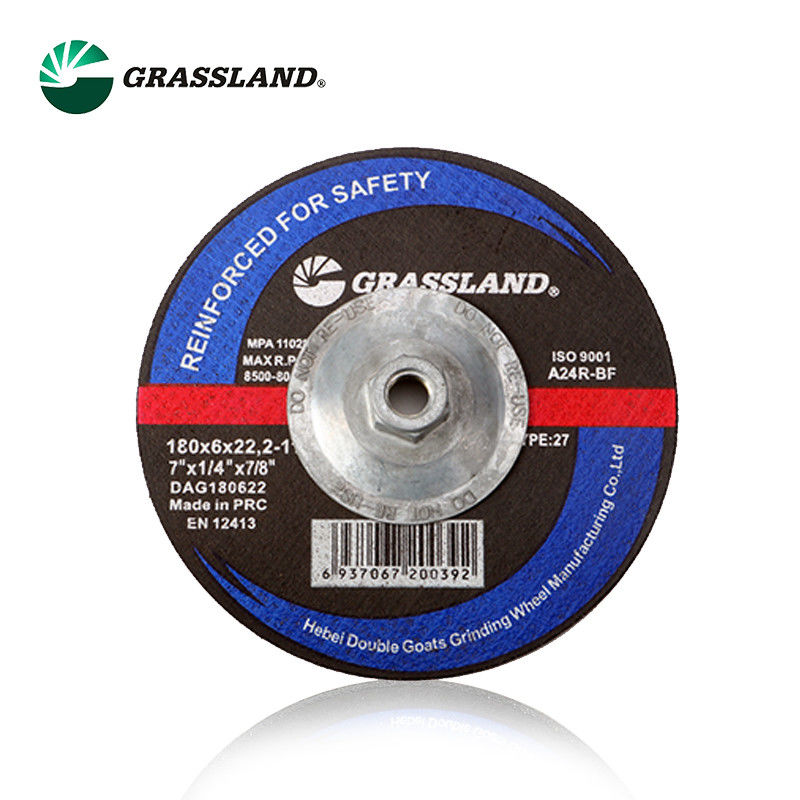
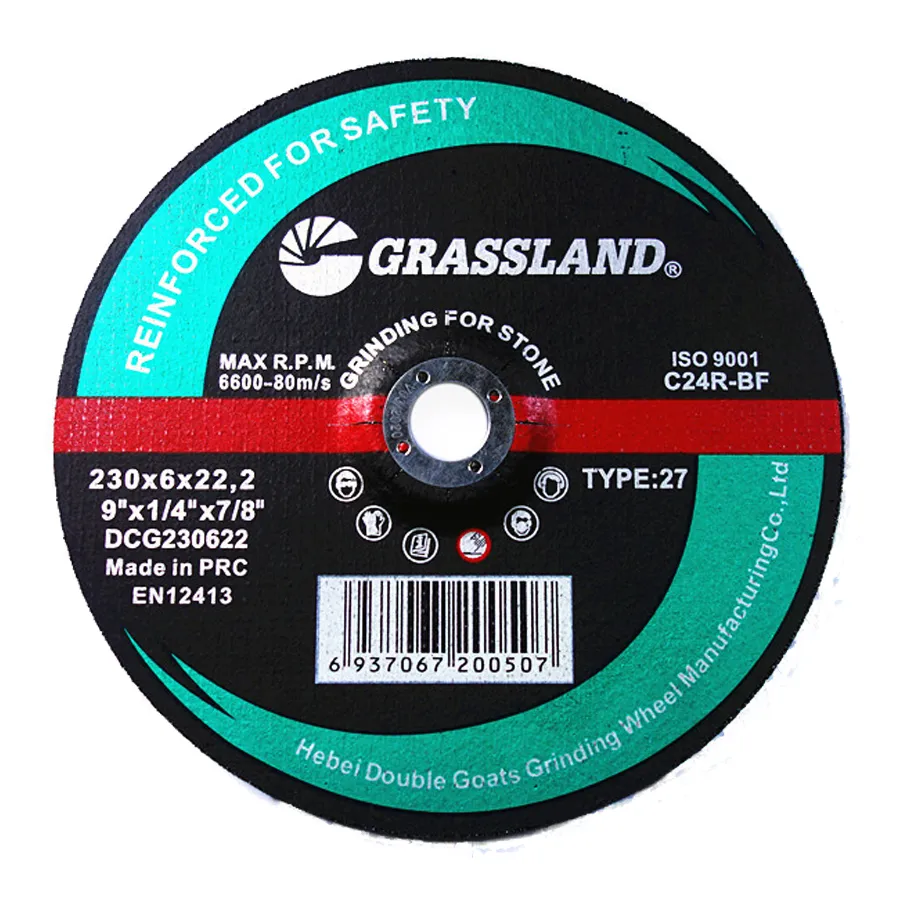
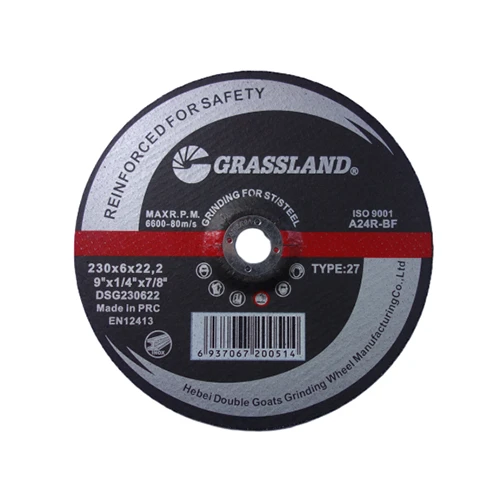
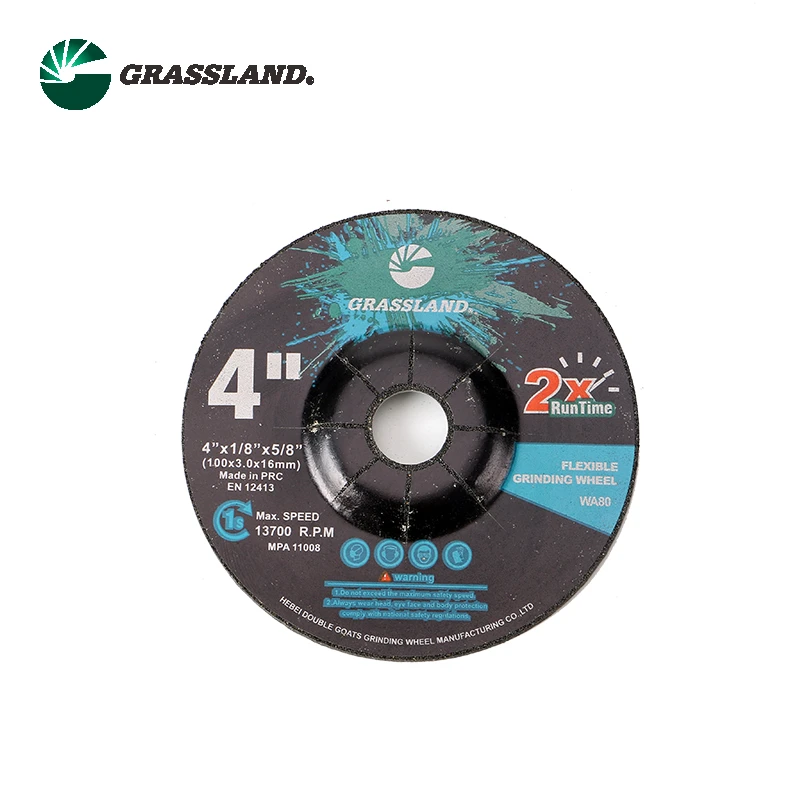
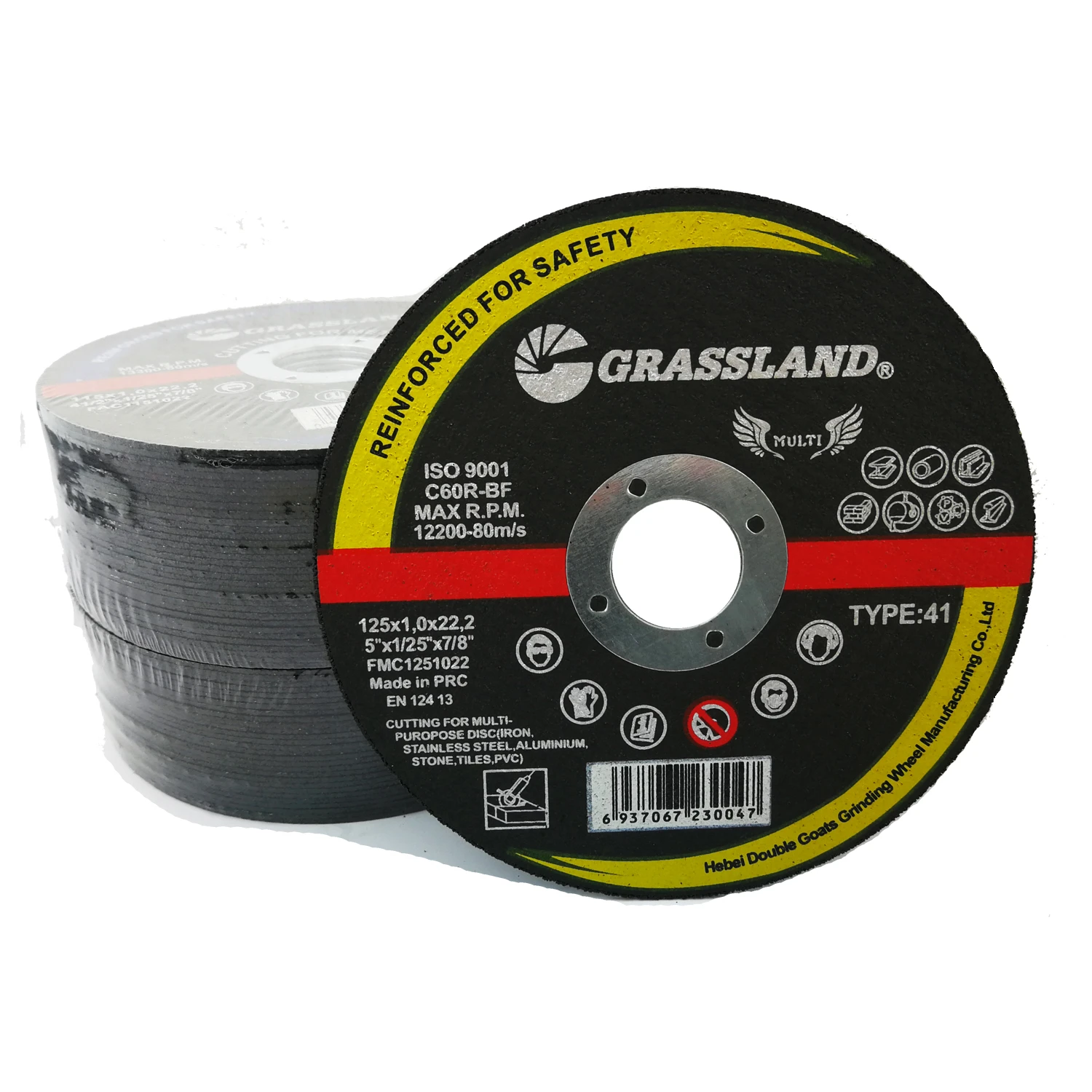
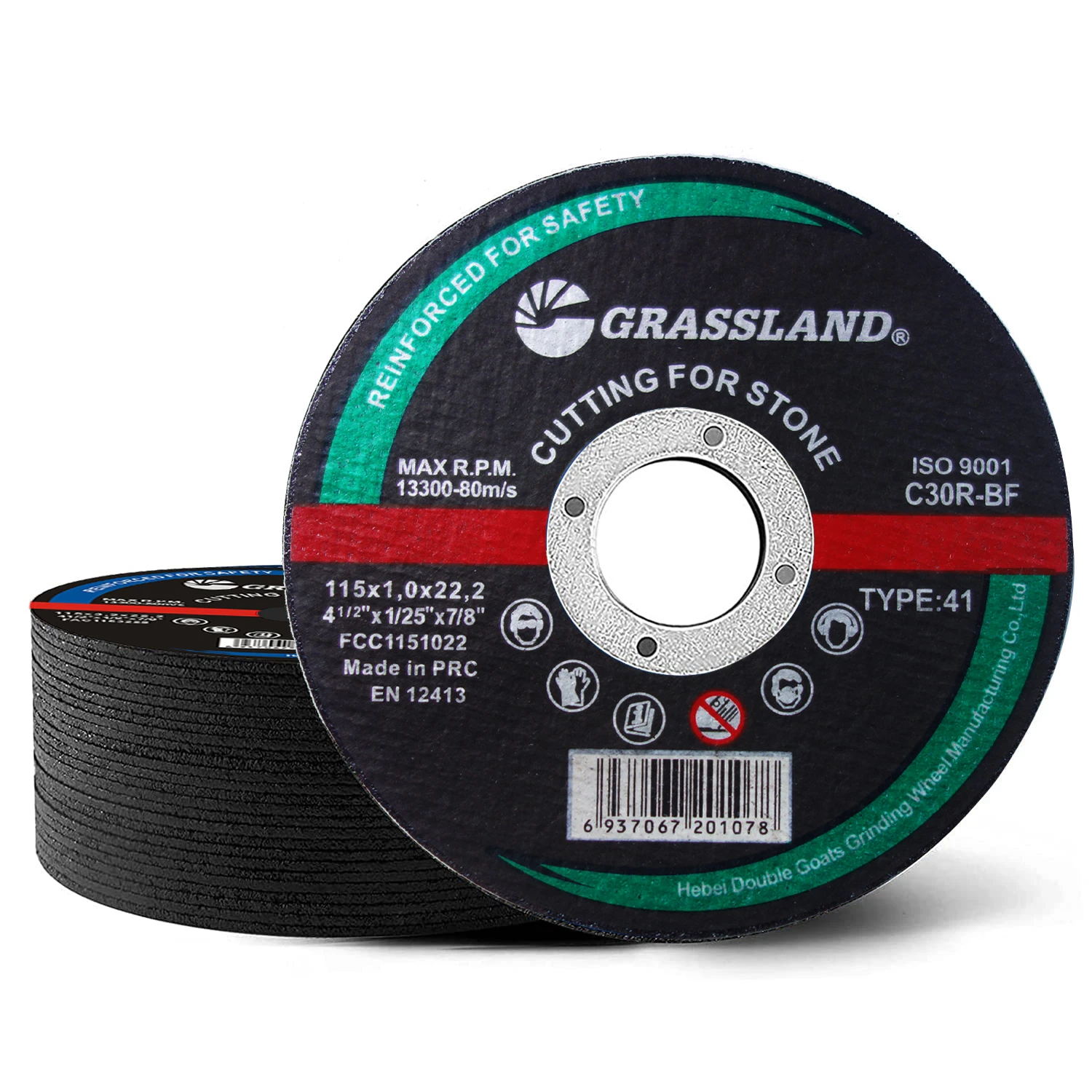
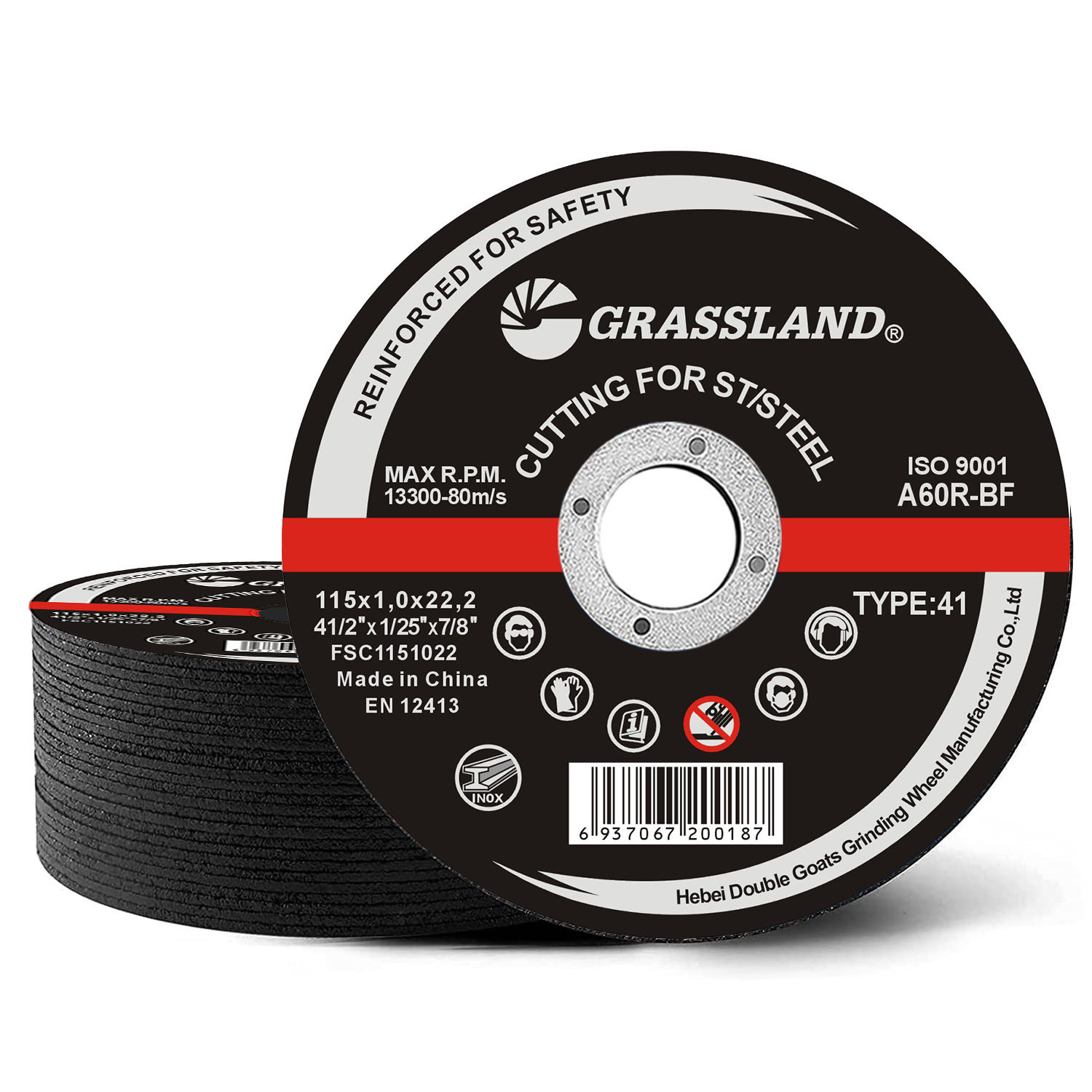
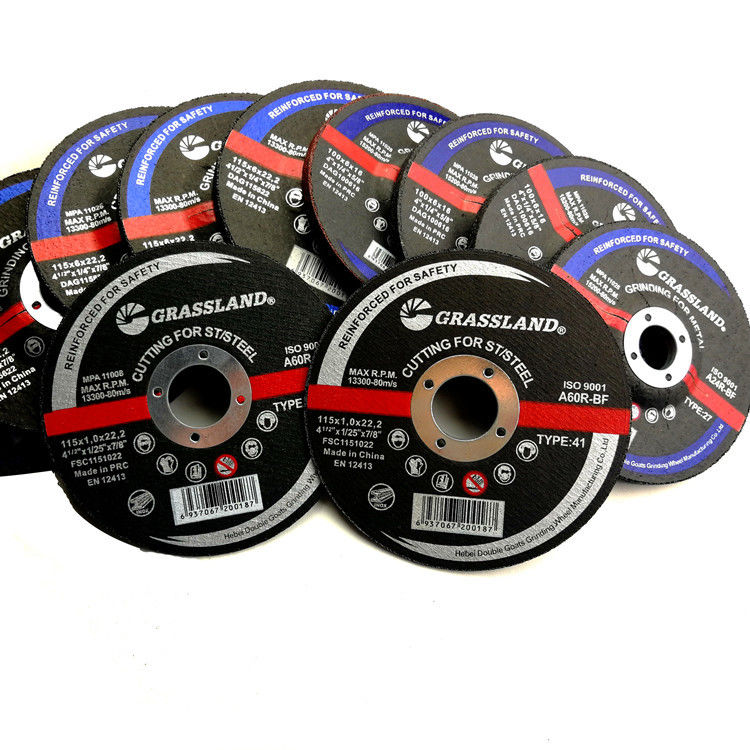
In simple terms, an ss cutting wheel is a circular abrasive disc used with power tools to slice through stainless steel (abbreviated as ss). Typically made from a composite of abrasive grains and bonding agents, these wheels spin at high speeds to shear through tough metals. Imagine a pizza cutter, but manufactured to razor-sharp tolerances and designed to withstand thousands of cuts before needing replacement.
The relevance? Industries like automotive, aerospace, shipbuilding, and even emergency infrastructure repairs depend on these wheels daily. Whether it’s trimming stainless steel pipes in a hospital renovation or fabricating parts on a manufacturing line, ss cutting wheels are the unsung heroes enabling modern progress.
Key Features of High-Quality ss Cutting Wheels
Durability
Durability is paramount. The abrasive materials and resin binders must endure high-speed rotation against hard metal without crumbling. Typically, wheels use aluminum oxide or silicon carbide abrasives to maximize lifespan.
Cutting Precision
The wheel’s thickness and grain size influence how cleanly it slices stainless steel. Thinner wheels allow for finer cuts and less material wastage, which is crucial in industries where precision affects safety and performance.
Safety Standards Compliance
Safeguarding operators means adhering to international standards like ISO 9001 and EN12413. It’s reassuring to choose wheels certified against these norms — you know they’ve passed rigorous testing.
Cost Efficiency
While cheaper wheels exist, the long-term cost of frequent replacements and downtime often outweighs upfront savings. Investing in quality wheels reduces operational costs by enhancing productivity and minimizing accidents.
Technical Specification of Typical ss Cutting Wheels
| Specification | Typical Values |
|---|---|
| Diameter | 115mm / 230mm |
| Thickness | 1.0 – 2.5 mm |
| Material | Aluminum Oxide / Silicon Carbide |
| Maximum RPM | 13,300 |
| Bonding Type | Resin bonded |
Mini takeaway: The ss cutting wheel is defined largely by its material composition and specifications, which directly impact its durability, precision, and safety.
How Different Vendors Stack Up on ss Cutting Wheel Offerings
| Vendor | Quality Rating | Price Range | Certifications | Typical Uses |
|---|---|---|---|---|
| Alpha Abrasives | ⭐⭐⭐⭐☆ | $$ | ISO 9001, EN12413 | Industrial & general metal cutting |
| Beta Tools | ⭐⭐⭐⭐⭐ | $$$ | ISO 9001, OSHA compliant | High precision aerospace, medical industries |
| Gamma Abrasives | ⭐⭐⭐☆☆ | $ | Limited certifications | Small workshops, budget cuts |
Mini takeaway: Choosing the right vendor depends on your priority—quality, cost, or certification. For heavy industry, investing in certified, higher-rated wheels often pays off in safety and efficiency.
Real-World Applications of ss Cutting Wheels
- Automotive Manufacturing: Cutting stainless steel exhaust components requires precision to ensure no structural weaknesses.
- Shipbuilding Industry: Stainless steel cutting wheels help shape large sections of hulls and piping systems.
- Construction & Infrastructure: On-site cutting of stainless steel reinforcements and fittings.
- Emergency and Disaster Relief: Quick metal cutting tools like ss cutting wheels assist in rubble clearing and temporary construction.
The diversity of applications emphasizes how integral ss cutting wheels are—not merely tools but enablers of innovation and infrastructure around the world.
Benefits and Long-Term Value of Using ss Cutting Wheels
Employing quality ss cutting wheels brings tangible benefits:
- Cost Savings: Longer lifespan lowers replacement frequency and reduces downtime.
- Worker Safety: Certified wheels drastically cut incident rates.
- Material Efficiency: Accurate cuts mean less metal wasted.
- Sustainability: Durable wheels reduce debris and environmental contaminants.
- Trust and Reliability: Reputable tools build confidence for maintenance teams and project managers alike.
Looking Ahead: Innovations in ss Cutting Wheel Technology
Oddly enough, even something as “old-school” as abrasive cutting is seeing innovation. New materials like ceramic fibers and improved resin formulas promise stronger, safer wheels. Some manufacturers now integrate sensors into power tools, monitoring wheel stress in real-time to predict failures before they happen.
On the sustainability front, greener manufacturing processes and recyclable abrasive grains are being explored, reducing industrial waste. Automation in factories paired with smarter wheels could also optimize cutting strategies, enhancing efficiency and worker ergonomics.
Common Challenges & How to Address Them
The biggest hurdles include wheel breakage, inconsistent quality, and safety mishaps. Experts recommend routine inspection, choosing certified wheels, and proper training for operators. Interestingly, some firms adopt AI-driven quality checks on cutting wheels before shipping to customers—a fascinating step toward predictability and safety.
FAQ: Frequently Asked Questions About ss Cutting Wheels
Q1: What makes a high-quality ss cutting wheel different from cheaper alternatives?
A1: High-quality wheels use superior abrasives and bonding materials, improving durability and safety. They typically meet certifications (like ISO 9001) and undergo rigorous testing. Cheaper options might wear quickly, break more easily, and can compromise operator safety.
Q2: Can I use an ss cutting wheel on materials other than stainless steel?
A2: Yes, many ss cutting wheels are capable of cutting mild steel, aluminum, and other metals. However, always check the manufacturer’s recommendations for safe and efficient use.
Q3: How often should operators replace ss cutting wheels?
A3: Replacement depends on usage and cutting difficulty. Signs like wheel thinning, cracks, or reduced cutting performance indicate it’s time. Regular inspections are key to prevent accidents.
Q4: Are there eco-friendly ss cutting wheels available?
A4: Yes, some manufacturers focus on using recycled abrasives and bio-based resins. These wheels aim to reduce the environmental impact of metal cutting without sacrificing performance.
Q5: How should I store ss cutting wheels to maximize their lifespan?
A5: Store cutting wheels flat, away from moisture and extreme temperatures, to prevent warping or degradation of bonding agents. Proper storage preserves safety and functionality.
Conclusion: Why ss Cutting Wheels Matter for the Future
In real terms, the humble ss cutting wheel might not make headlines, but its role is foundational to countless industries worldwide. From cutting stainless steel pipes on a hospital construction site to precision trims in aerospace assembly, it’s a tool you can’t ignore. The trend clearly moves toward safer, longer-lasting, and more sustainable wheels that not only meet today’s demands but anticipate tomorrow’s challenges.
If you want to ensure your projects run smoothly—safely and efficiently—explore top-quality ss cutting wheel options today. It’s a small upgrade that makes a huge difference.
Oddly enough, the right cutting wheel can change the game for your workflow and peace of mind.
References
Post time:Dec - 03 - 2025