Understanding ss Grinding Discs: Essential Tools in Modern Metalworking
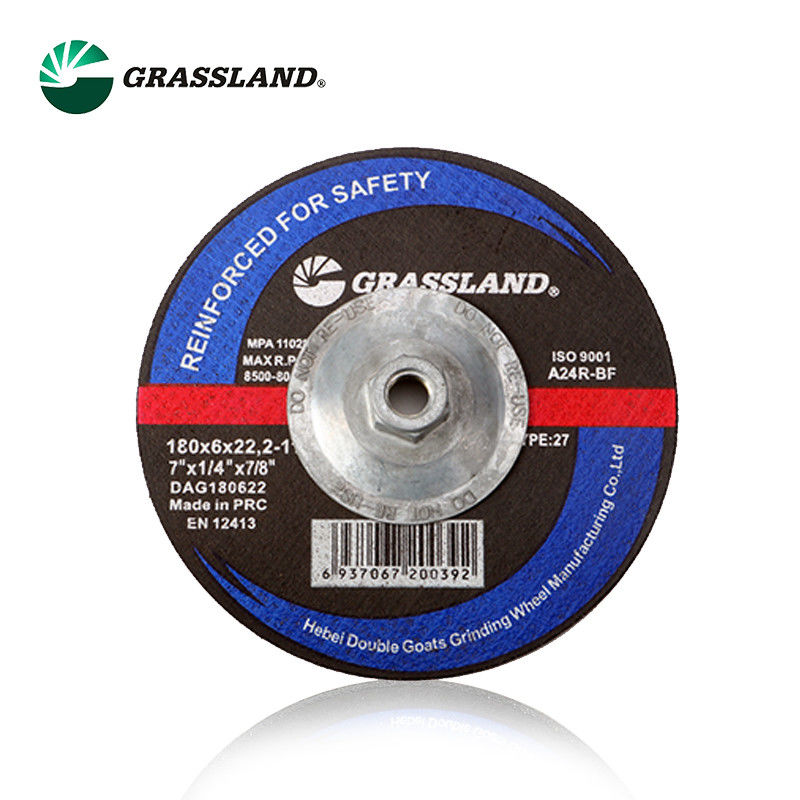
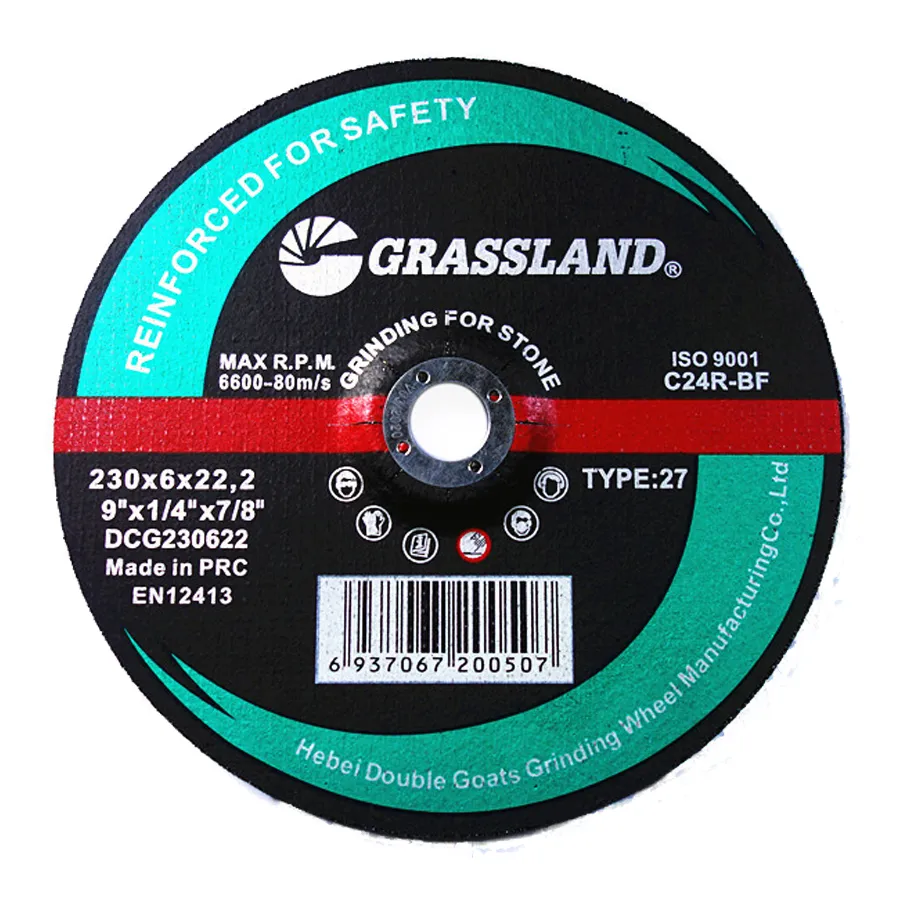
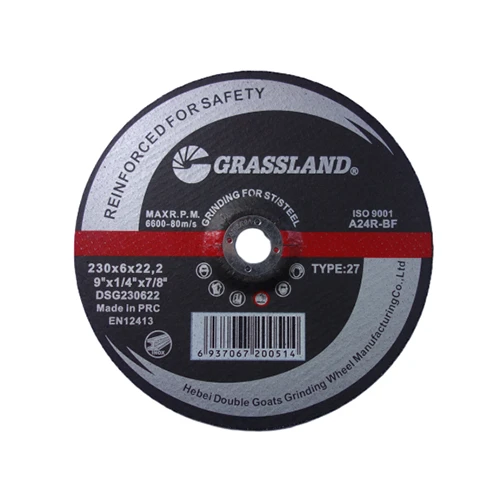
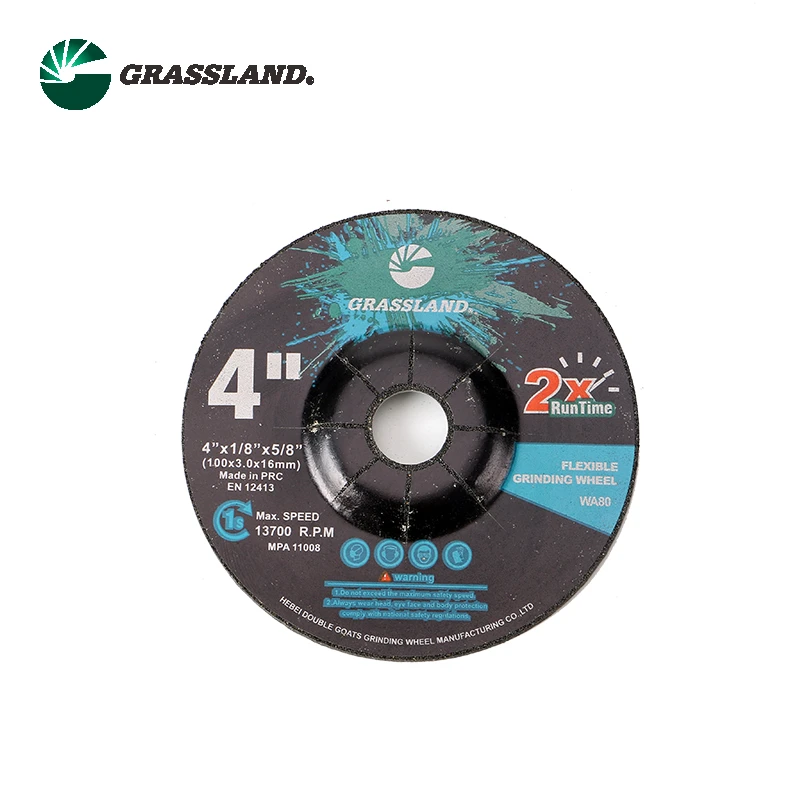
When you think of metal fabrication or industrial grinding, the humble ss grinding disc is a star player you might not readily spot but absolutely rely on. Standing for stainless steel grinding disc, these abrasive tools shape, smooth, and cut through tough alloys with remarkable efficiency. Globally, their use is critical in industries—from aerospace to automotive, shipbuilding to construction—driving progress by enabling precise, durable metal finishing.
Frankly, ignoring their role overlooks a foundational piece in modern manufacturing and maintenance. Understanding ss grinding discs means appreciating not just how metal parts come to life but how safety and quality are sustained worldwide.
Global Context: Why ss Grinding Discs Matter Now More than Ever
As industries expand, stainless steel remains a favorite due to its corrosion resistance and strength. According to the World Steel Association, global stainless steel production exceeded 54 million metric tonnes in recent years, highlighting massive demand across sectors. With increased infrastructure, urban growth, and stricter safety codes worldwide (OSHA and ISO standards, especially ISO 8493 around abrasive products), there’s a real challenge in reliably processing stainless steel without compromising on finish or integrity.
The challenge: How to grind stainless steel efficiently without causing excessive heat, distortion, or contamination. This is where the right ss grinding disc comes into play, offering solutions tuned to these needs.
What Exactly Is an ss Grinding Disc?
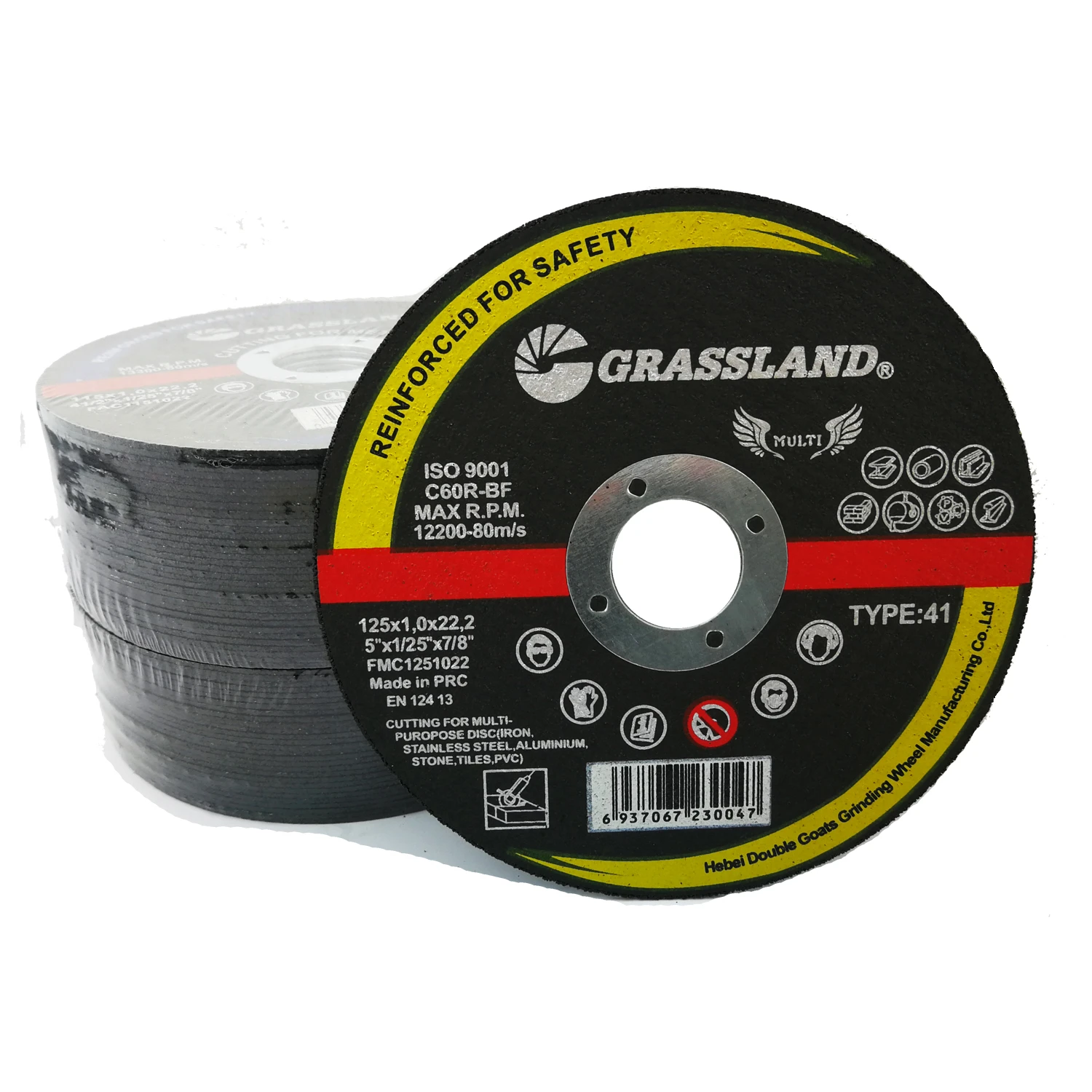
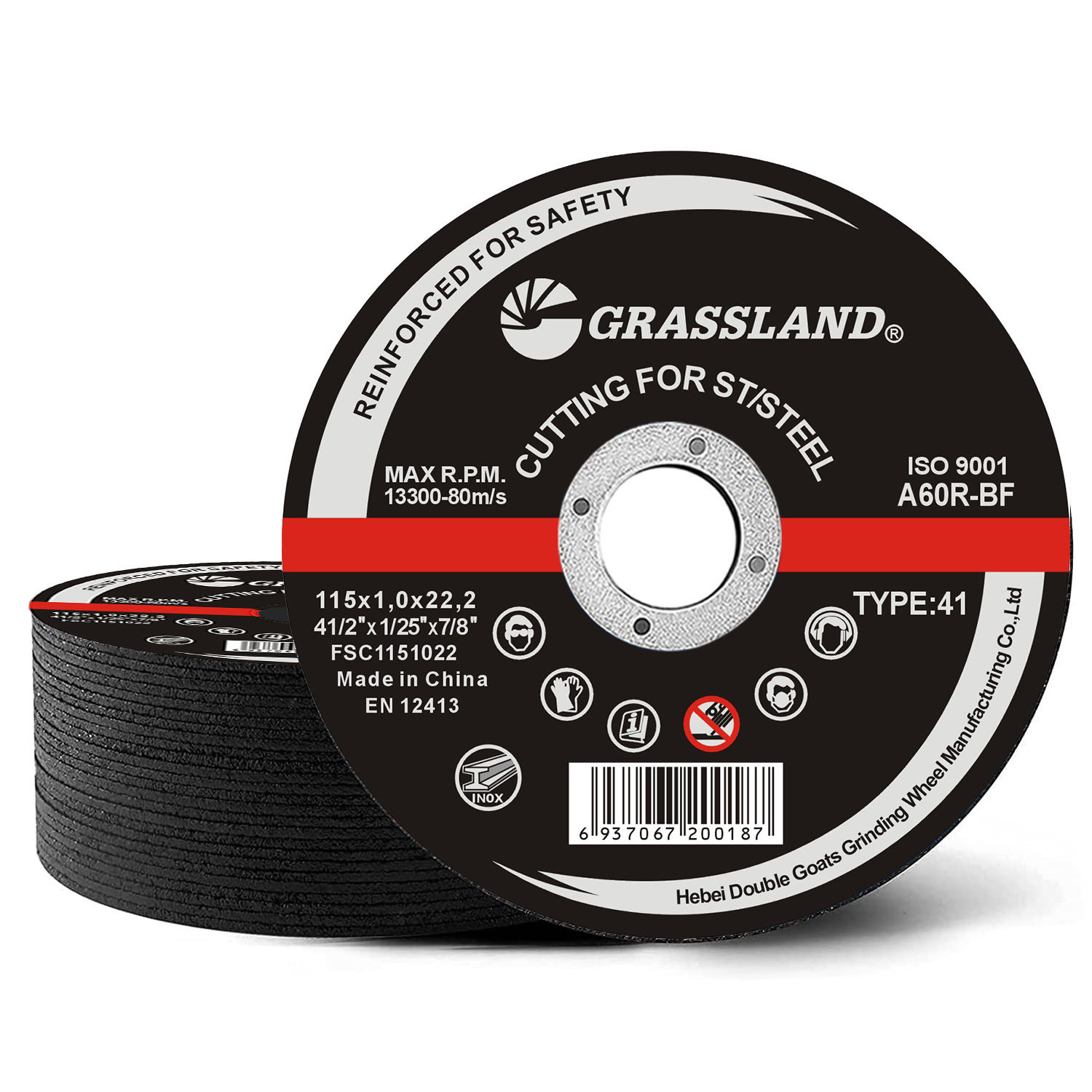
In simple terms, an ss grinding disc is a circular abrasive wheel designed specifically for grinding stainless steel surfaces. Unlike generic grinding discs, these are engineered with specific grit, bonding agents, and materials to handle stainless steel’s unique hardness and prevent issues like iron contamination (which could cause rust spots).
They facilitate smooth metal finishing, edge conditioning, weld cleaning, and material removal — a cornerstone of manufacturing, repair, and metal recycling. Without proper ss grinding discs, industries would face lower output quality, excessive tool wear, and safety risks.
Key Components & Performance Factors of ss Grinding Discs
- Durability: Stainless steel grinding discs must resist rapid wear because stainless steel is tough and heat-prone. A disc's lifespan directly impacts cost efficiency and downtime.
- Heat Dissipation: Grinding generates heat; too much heat risks warping stainless steel or causing discoloration. High-quality discs incorporate materials and designs for superior heat management.
- Grit Size & Composition: Coarse grits remove material fast, while finer grits polish surfaces. Specialized abrasives like aluminium oxide or zirconia alumina are common for ss grinding discs.
- Bonding & Flexibility: The disc's matrix bonding abrasive grains affects its resilience and adaptability to various angles and pressures during metalworking.
- Safety Features: Proper balancing, reinforced backing, and compliance with ISO safety standards minimize operator risks.
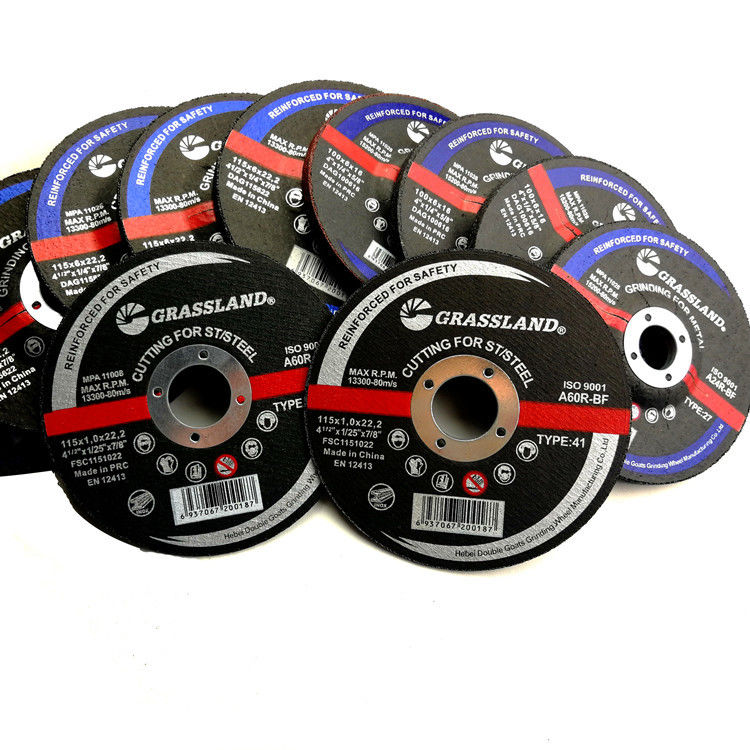
In real applications, selecting the right blend of these factors ensures optimal results. You might notice that not all discs are equal — a cutting-grade disc differs fundamentally from a finishing-grade one.
ss Grinding Disc Specifications at a Glance
| Specification | Detail |
|---|---|
| Disc Diameter | 115mm / 125mm / 180mm |
| Thickness | 1.0mm – 3.2mm |
| Abrasive Type | Zirconia Alumina or Aluminium Oxide |
| Bonding Material | Resin/Phenolic Resin |
| Maximum RPM | 13,300 RPM (varies by disc size) |
| Maximum Operating Speed | 80 m/s |
Mini Takeaway: Various specs, from diameter to bonding type, affect how ss grinding discs tackle different stainless steel tasks — knowing which fits your job saves time, money, and frustration.
Comparing Top ss Grinding Disc Manufacturers
| Vendor | Disc Quality (Durability) | Price Range | Compliance (ISO/EN) | Application Focus |
|---|---|---|---|---|
| 3M | High | Premium | ISO 8493 certified | Professional metal fabrication |
| Tyrolit | Very High | Mid to Premium | EN 12413 Compliant | Heavy industry & construction |
| Sait Abrasivi | Medium-High | Affordable | ISO Certified | General purpose & DIY |
Global Use Cases for ss Grinding Discs
- Manufacturing and Automotive: Precision grinding of stainless steel engine components or exhaust systems requires consistent, high-quality abrasive discs.
- Shipbuilding Industry: Stainless steel hull reinforcements and fittings often need on-site grinding for corrosion resistance and smooth finishing.
- Infrastructure Projects: Bridges, tunnels, and railways frequently use stainless steel parts. Grinding discs help in finishing welds and shaping parts in situ.
- Post-Disaster Relief and Repair: Quick refurbishing of steel structures after earthquakes or floods depends on durable, easy-to-use ss grinding discs to restore integrity.
- Metal Recycling: Sorting and reforming stainless steel scrap requires grinding discs that can handle varied alloys without contamination.
Oddly enough, the role of these discs in emerging economies’ industrial growth is often underappreciated, but local fabrication shops rely heavily on them for creating export-quality products.
Advantages and Why They Matter Long-Term
So, what’s in it for businesses and workers? First, the cost-effectiveness. A durable ss grinding disc reduces the frequency of replacement and machine wear, indirectly saving on labor and downtime. It’s also about sustainability—better discs mean less wastage of stainless steel sheets and lower emissions by avoiding frequent tool disposal.
On a human level, safety is paramount. Well-made ss grinding discs minimize vibrations, overheating, glare, and dust, thus protecting operators. There's also an aesthetic pride that comes with having smoothly finished surfaces — whether it’s a skyscraper’s facade or a fine kitchen appliance.
Emerging Trends and the Future of ss Grinding Discs
We’re seeing innovation in abrasive materials, with ceramic-based grains promising longer life and less heat generation. Automation integration is growing too: CNC grinding machines now pair with optimized discs tailored for robotic arms, increasing precision beyond human limits.
Environmentally, there’s pressure to produce discs using eco-friendly resins and recyclable components. Some manufacturers are exploring digital tracking for batch traceability, improving quality control in supply chains.
Professional Challenges & Their Solutions
The main struggle? Balancing cost and disc longevity without compromising safety. Many workshops opt for cheaper discs but face frequent breakage. The solution lies in partnering with reputable vendors and applying correct disc selection based on material and machine capability.
Additionally, proper training is often overlooked. Operators need to understand disc speed ratings, correct mounting, and application techniques—many accidents link back to this knowledge gap, not equipment failure.
FAQ: Common Questions About ss Grinding Discs
Q1: Can I use a regular grinding disc on stainless steel?
A: It’s not advisable. Regular discs may cause iron contamination, leading to rust spots on stainless steel. ss grinding discs are formulated to prevent this and maintain surface quality.
Q2: How often should I replace my ss grinding discs?
A: Replace when the disc shows wear beyond recommended diameter, cracks, or uneven thickness. Using a worn disc reduces efficiency and safety.
Q3: Are ss grinding discs compatible with all angle grinders?
A: Mostly yes, if the disc size and arbor match the grinder specifications. Always check the disc's maximum RPM against your tool’s operating speed.
Q4: What safety gear is recommended when using ss grinding discs?
A: Safety glasses, gloves, hearing protection, and dust masks are essential. Also, ensure the grinder’s guard is properly installed.
Q5: Are there eco-friendly options for ss grinding discs?
A: Yes! Some brands now offer discs with recyclable resin bonds and less environmental impact during manufacturing.
Conclusion: Why ss Grinding Discs are Indispensable
In summary, ss grinding discs are much more than just tools—they represent a convergence of material science, manufacturing excellence, safety, and sustainability. For anyone involved in stainless steel work, choosing the right disc is crucial to efficiency, product quality, and operator wellbeing.
If you’re curious to see a broad selection or get expert advice on choosing the perfect disc, I highly recommend visiting our website. It’s a handy resource for deepening your grasp of grinding solutions tailored to your needs.
Mini Takeaway: The right ss grinding disc powers better metalwork, safer operators, and sustainable industries. Worth investing in, don’t you think?
References:
- World Steel Association, www.worldsteel.org
- ISO Standards: ISO 8493:2019 - Bonded abrasive products, www.iso.org
- Occupational Safety and Health Administration (OSHA), Abrasives Safety Guide, www.osha.gov
Post time:Dec - 03 - 2025