Cutting Discs for Stone: A Global Perspective on Precision and Power
Cutting discs for stone might sound like a niche, almost pedestrian item — but their impact spans continents and industries. These tools empower construction workers, artisans, and engineers to shape the world’s built environment. Understanding their function and value isn’t just a technical curiosity; it’s a gateway into sustainable infrastructure, post-disaster rebuilding, and industrial productivity.
Why Do Cutting Discs for Stone Matter Globally?
Stone construction and masonry remain foundational to urban and rural development worldwide. According to ISO standards and reports by the World Bank, about 30% of construction projects globally involve some form of stonework. The efficiency and safety of those projects depend heavily on the right tools — especially cutting discs designed specifically for stone.
Frankly, without precise, durable cutting discs, masonry jobs run slower, costs rise, and safety risks increase. That’s a problem anywhere, but especially in regions rebuilding after natural disasters or ramping up urban infrastructure to keep pace with population growth.
What Are Cutting Discs for Stone?
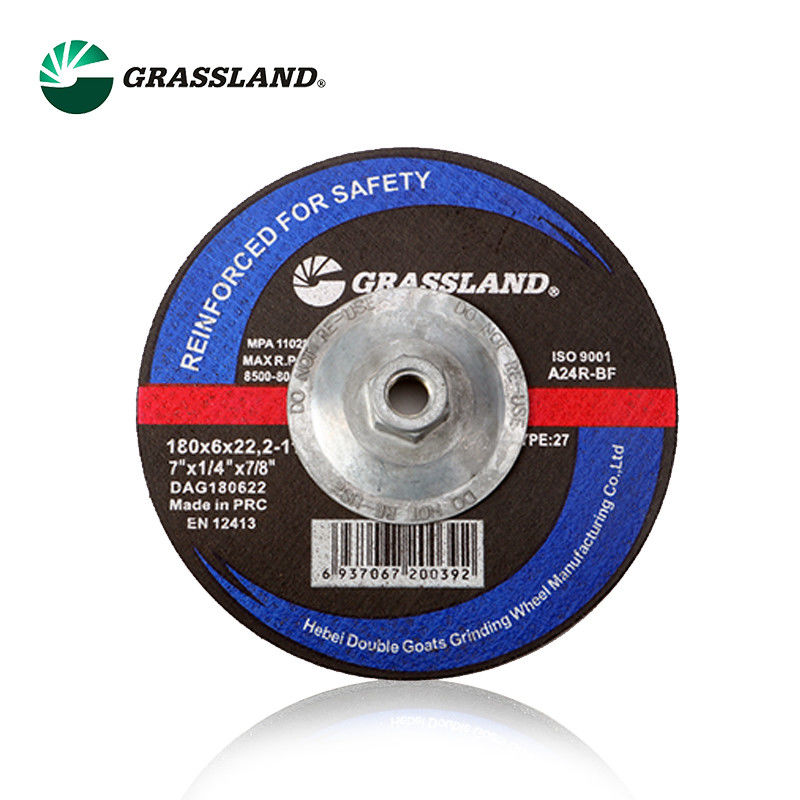
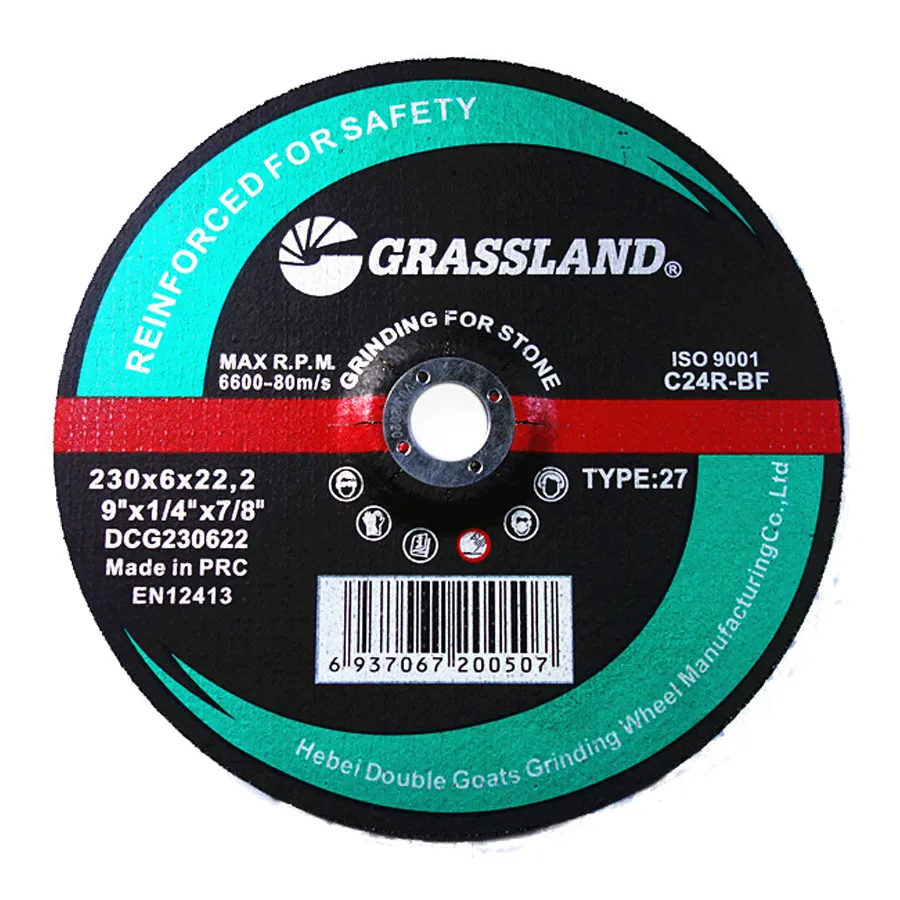
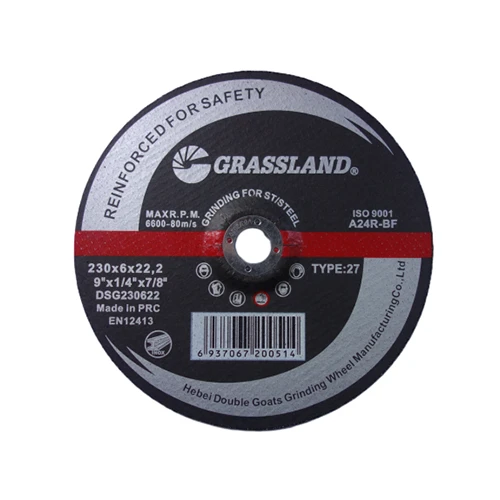
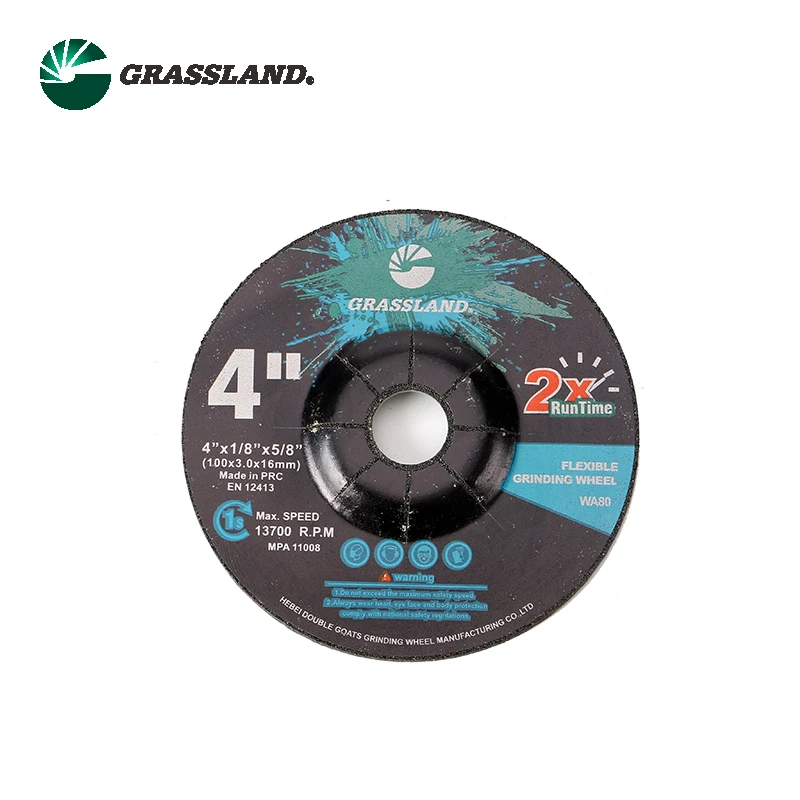
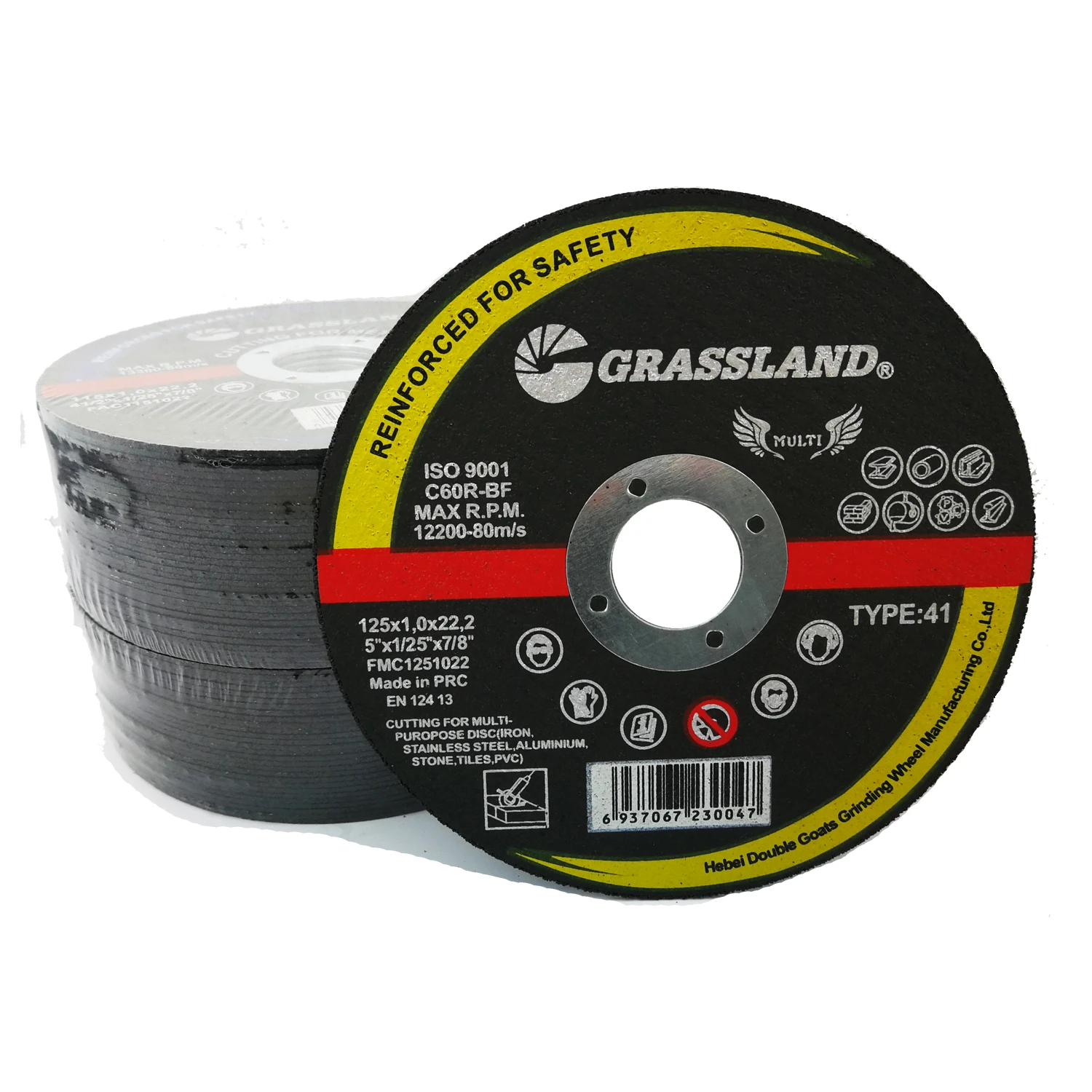
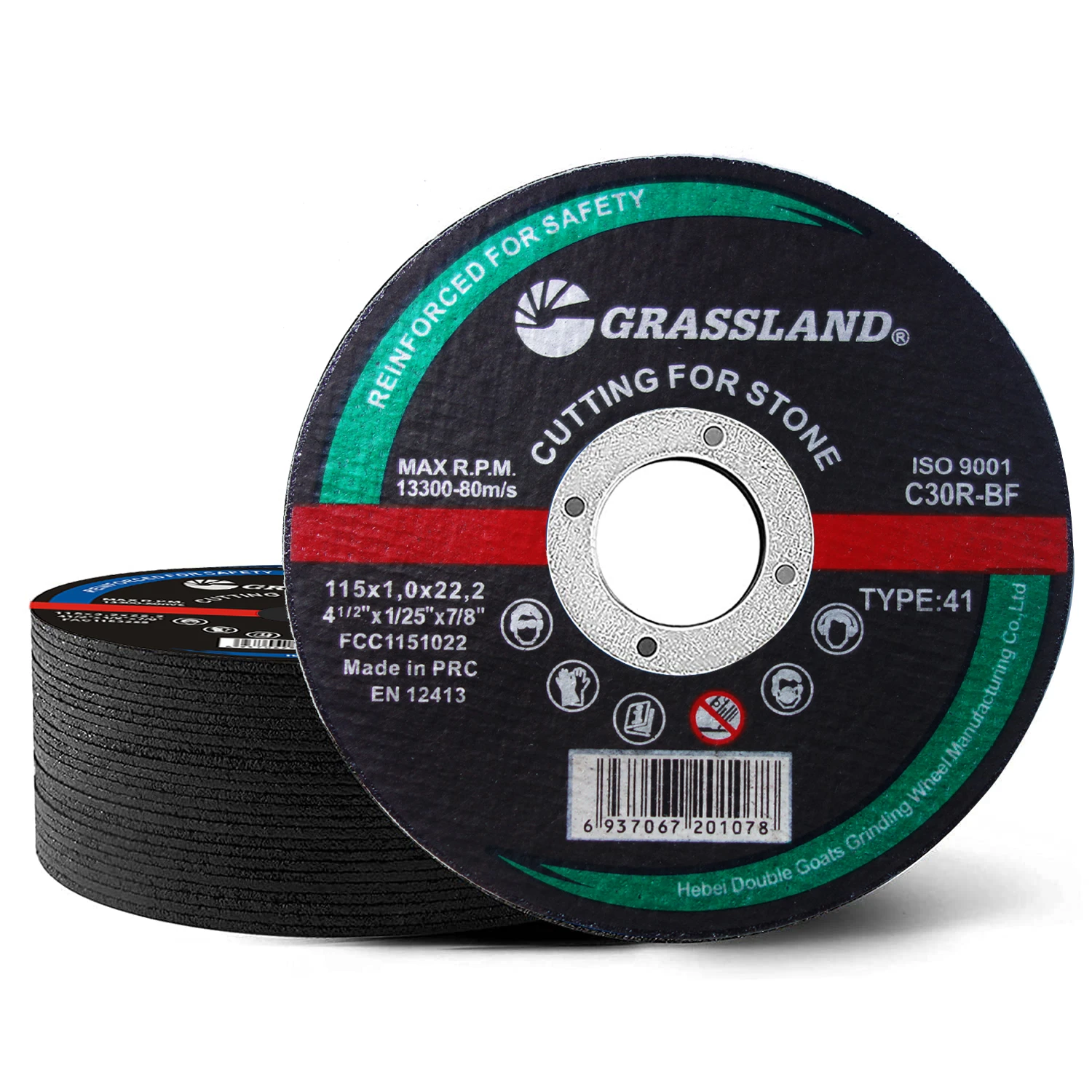
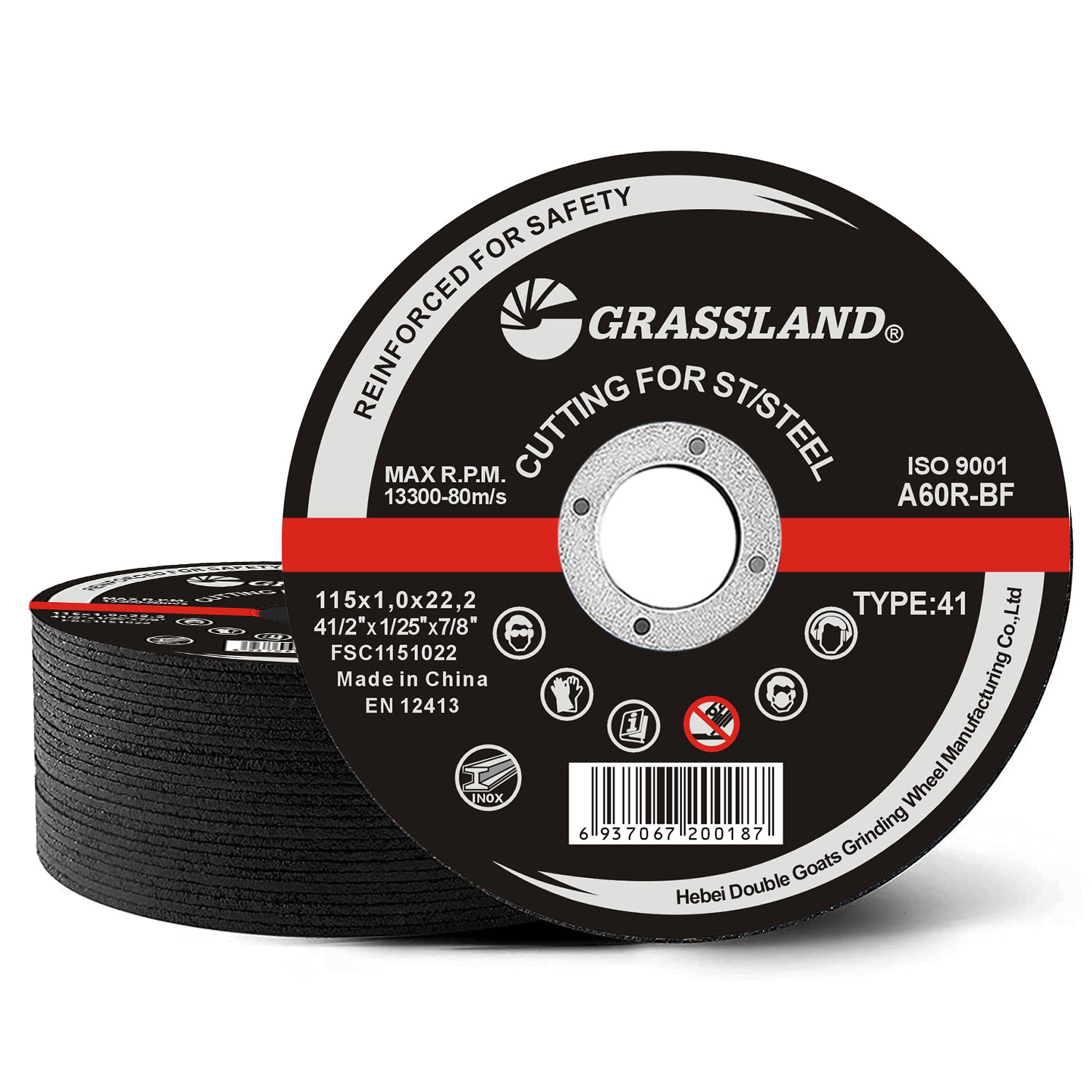
Simply put, cutting discs for stone are circular abrasive wheels used on angle grinders or saws to slice through stone materials cleanly and efficiently. Unlike discs made for metal or wood, these have specialized abrasives and bond materials that handle the hardness and brittleness of natural and engineered stone.
They support everything from carving limestone facades to trimming granite countertops. In humanitarian contexts, they enable rapid demolition of unsafe structures or precision cutting for temporary shelters.
Core Components and Key Features
Durability
Stone-cutting demands discs that withstand relentless abrasion and heat. Many discs use diamond grit embedded in tough resins — diameters typically range from 115mm up to 230mm, which suits different depths and thicknesses of stone.
Cutting Precision
Thanks to engineered hardness and controlled bond composition, these discs produce less chipping and cleaner edges — important for aesthetic and structural integrity.
Speed and Scalability
Faster cutting translates into project efficiency. Larger discs or turbo-segmented designs help speed through tough materials, making them ideal for industrial use, though smaller discs often suffice for artisan work.
Cost Efficiency
While diamond-tipped discs might initially cost more, the lifespan and cutting speed offer better value in the long haul — a classic case of paying a bit upfront to avoid headaches later.
Safety Features
Vibration dampening, balanced rotation, and secure attachments reduce operator fatigue and accidents, which is crucial in tough working environments.
Common Cutting Disc Specifications
| Specification | Description |
|---|---|
| Diameter | 115mm, 125mm, 180mm, 230mm |
| Abrasive Type | Diamond grit, Silicon carbide |
| Max RPM | 13,300 - 6,600 depending on size |
| Bond Material | Resin, vitirified |
| Thickness | 1.0mm to 3.0mm |
Global Applications & Use Cases
- Infrastructure Development in Asia and Africa: Rapid urbanization has spurred the need for sharp, reliable cutting discs to help build bridges, roads, and commercial buildings efficiently.
- Post-Disaster Reconstruction: NGOs and emergency teams heavily rely on cutting discs to clear debris or create modular relief shelters — precision matters here for safety and speed.
- Stone Masonry in Europe: Restoration of historical monuments demands ultra-fine, low-chipping discs to preserve delicate edges.
- Home Renovation and DIY Markets Globally: Cutting discs for stone have seen growing popularity among DIY enthusiasts, thanks to accessible power tools.
cutting discs for stone are literally shaping the world’s landscapes in multiple ways — and not just in factories or construction sites.
Vendor Comparison: Leading Providers of Cutting Discs for Stone
| Vendor | Product Range | Price Range | Key Advantage |
|---|---|---|---|
| XYZ Abrasives | 115mm-230mm diamond grit discs | $$$ | Exceptional durability, long lifespan |
| StoneCut Pro | Wide range, including turbo-segmented | $$ | Balanced cost and speed |
| EcoBlade Tools | Eco-friendly bonded discs, medium sizes | $$ | Sustainable materials, low environmental impact |
Advantages & Long-Term Value
Choosing the right cutting discs for stone feels like a small detail — but it’s a linchpin of any project’s success. Reliable discs reduce downtime, material waste, and operator risk. Using discs optimized for stone ensures smoother cuts, which means less finishing work and saved labor time.
Long-term, investing in quality discs boosts sustainability — fewer replacements reduce resource consumption. Plus, safety features minimize accidents, promoting worker dignity and morale. So there’s a real human side to what might at first seem like simple tools.
Future Trends & Innovations
Looking ahead, innovations focus on greener materials and enhanced durability. Eco-friendly bond resins are gaining ground, thanks to stricter environmental regulations. Digital technologies like smart tool monitoring are emerging; some discs will soon communicate wear levels to operators via mobile apps.
Automation in stone fabrication plants integrates high-precision cutting discs to boost consistency and cut waste. Oddly enough, some vendors are experimenting with recycled diamond grit — trying to blend sustainability with engineering performance.
Challenges & Solutions
One ongoing challenge is balancing speed versus safety. Faster discs generate more heat, increasing risks of disc failure or burns. Proper training, alongside selecting discs with vibration dampening, is essential. I’ve noticed many engineers emphasize regular inspection routines to catch early signs of wear.
Another hurdle is sourcing quality discs in remote regions, where supply chains can falter. Innovative local manufacturing and modular shipment approaches are promising ways to tackle this.
FAQ: Frequently Asked Questions About Cutting Discs for Stone
- Q: What factors should I consider when choosing a cutting disc for different types of stone?
- A: Consider the stone's hardness and thickness. For harder stones like granite, diamond grit discs with a strong bond work best. Softer stones like sandstone might allow silicon carbide abrasives. Match disc diameter and thickness to your tool and material for clean, efficient cuts.
- Q: How do I ensure safe use of cutting discs for stone?
- A: Always wear protective gear, keep discs properly mounted and balanced, and never exceed recommended RPMs. Regularly inspect discs for cracks or wear. Using vibration-dampened or reinforced discs further reduces risks.
- Q: Can cutting discs for stone be used on other materials?
- A: Generally, discs are optimized for specific materials. While some stone-cutting discs may cut concrete and bricks, using them on metal or wood typically isn't effective and may damage the disc or tool.
- Q: What’s the typical lifespan of a diamond cutting disc for stone?
- A: Depends on use frequency and material. Continuous industrial use might wear a disc in weeks, while occasional use may extend life several months. Proper cooling and avoiding excessive pressure prolong lifespan.
Conclusion
Cutting discs for stone may be behind-the-scenes heroes of construction and industry, but their role is vital and evolving. Investing in quality, understanding their proper use, and keeping an eye on innovations pays dividends in safety, efficiency, and sustainability — no matter where you are in the world.
If you want to explore more about cutting discs for stone and see options tailored to your needs, visit our website. There’s more beneath the surface of this simple-seeming tool than most realize.
Takeaway: Sometimes, the right tool really does make all the difference — in project timelines, budgets, and even worker safety.
Post time:Dec - 04 - 2025