Understanding the Stone Grinder Disc: Industrial Backbone and Practical Marvel
The stone grinder disc might sound like a niche, even old-fashioned, piece of equipment, but it’s actually a cornerstone tool shaping countless industrial processes around the world today. Whether in construction, manufacturing, or maintenance, these discs help meet a growing demand for precision and efficiency—especially as industries aim to build smarter, safer, and more sustainable. If you’re curious why this simple tool keeps turning up in workshops and factories globally, read on. We’ll explore its essence, applications, and even future innovations to watch.
Stone Grinder Disc: Why the World Should Care
Globally, construction and metalwork industries are booming, contributing nearly 13% to the global GDP per the World Bank. The push for infrastructure modernization and ongoing maintenance means tools like the stone grinder disc are seeing increased usage. Oddly enough, as equipment gets more high-tech, the demand for reliable, rugged tools remains strong. The stone grinder disc addresses problems like surface preparation, shaping, and fine tuning of materials—often where precision can’t be compromised.
What Exactly Is a Stone Grinder Disc?
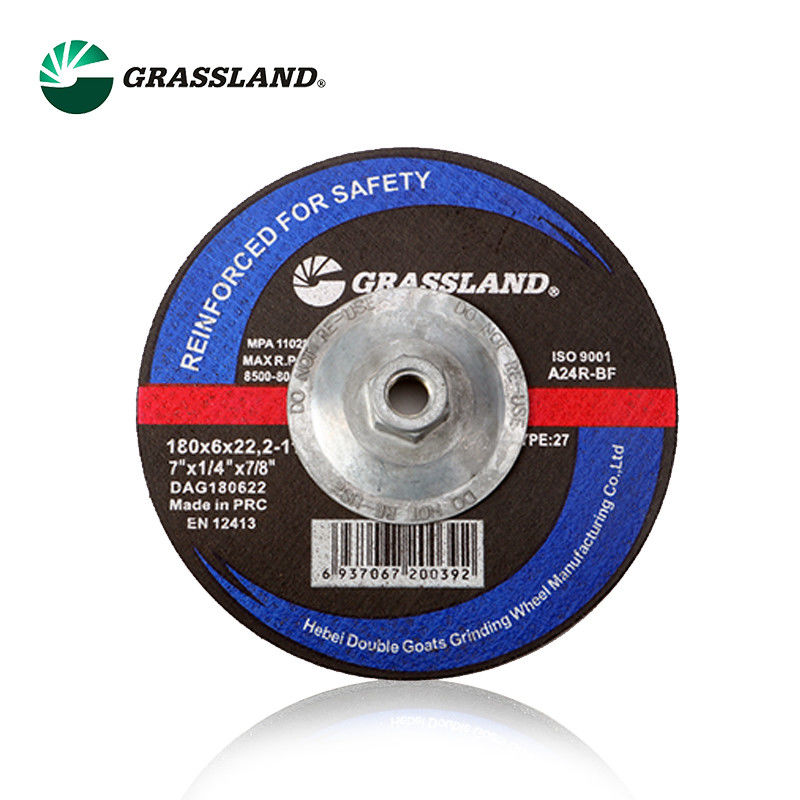
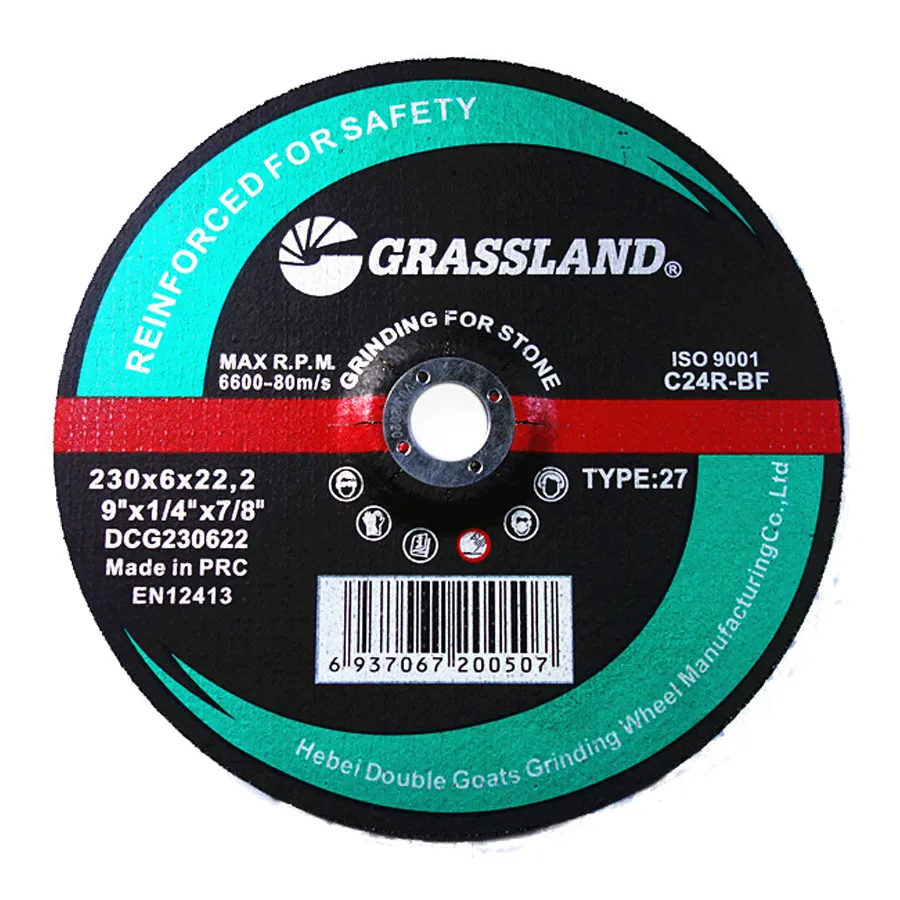
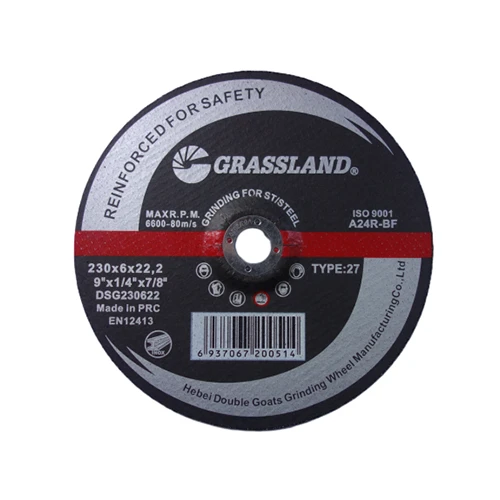
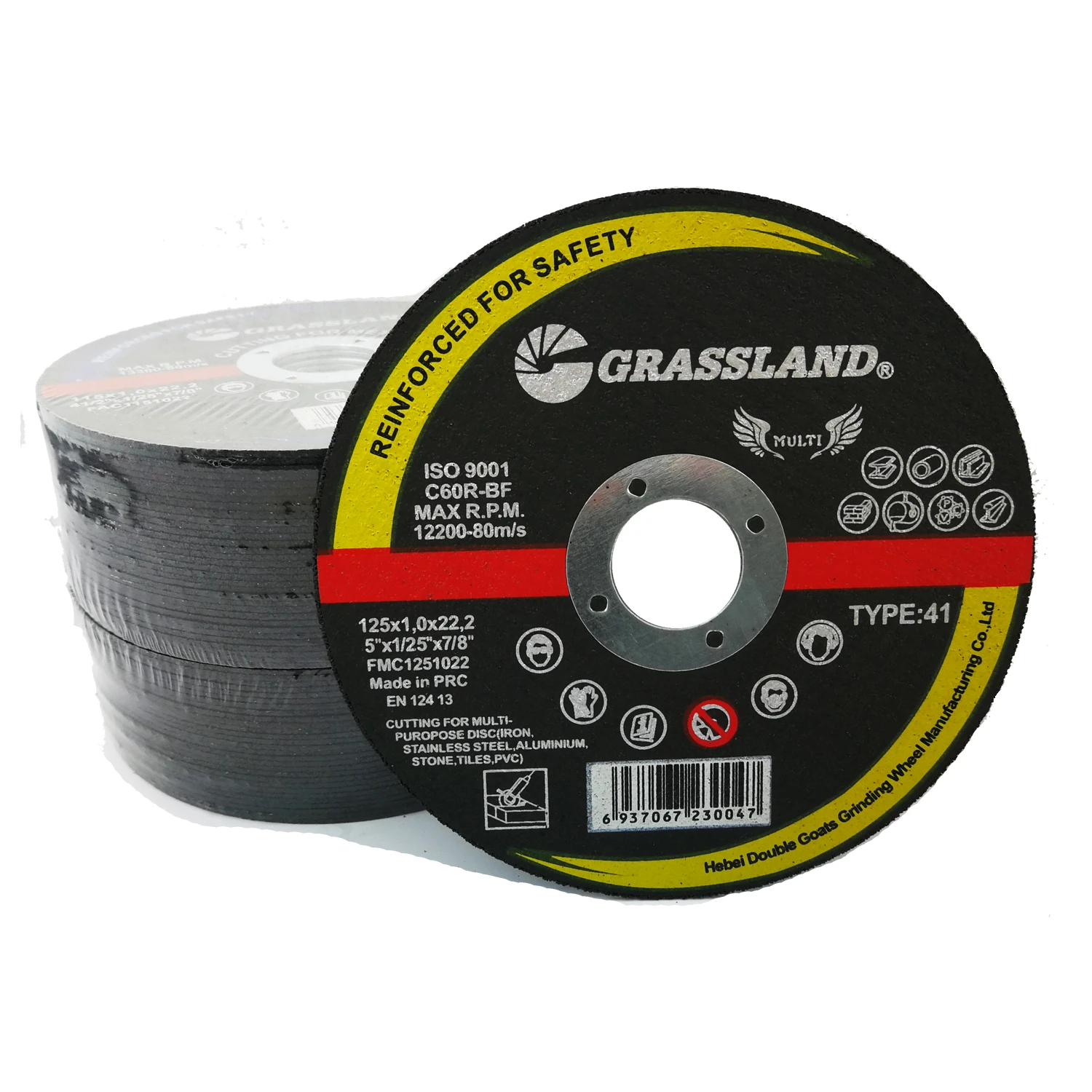
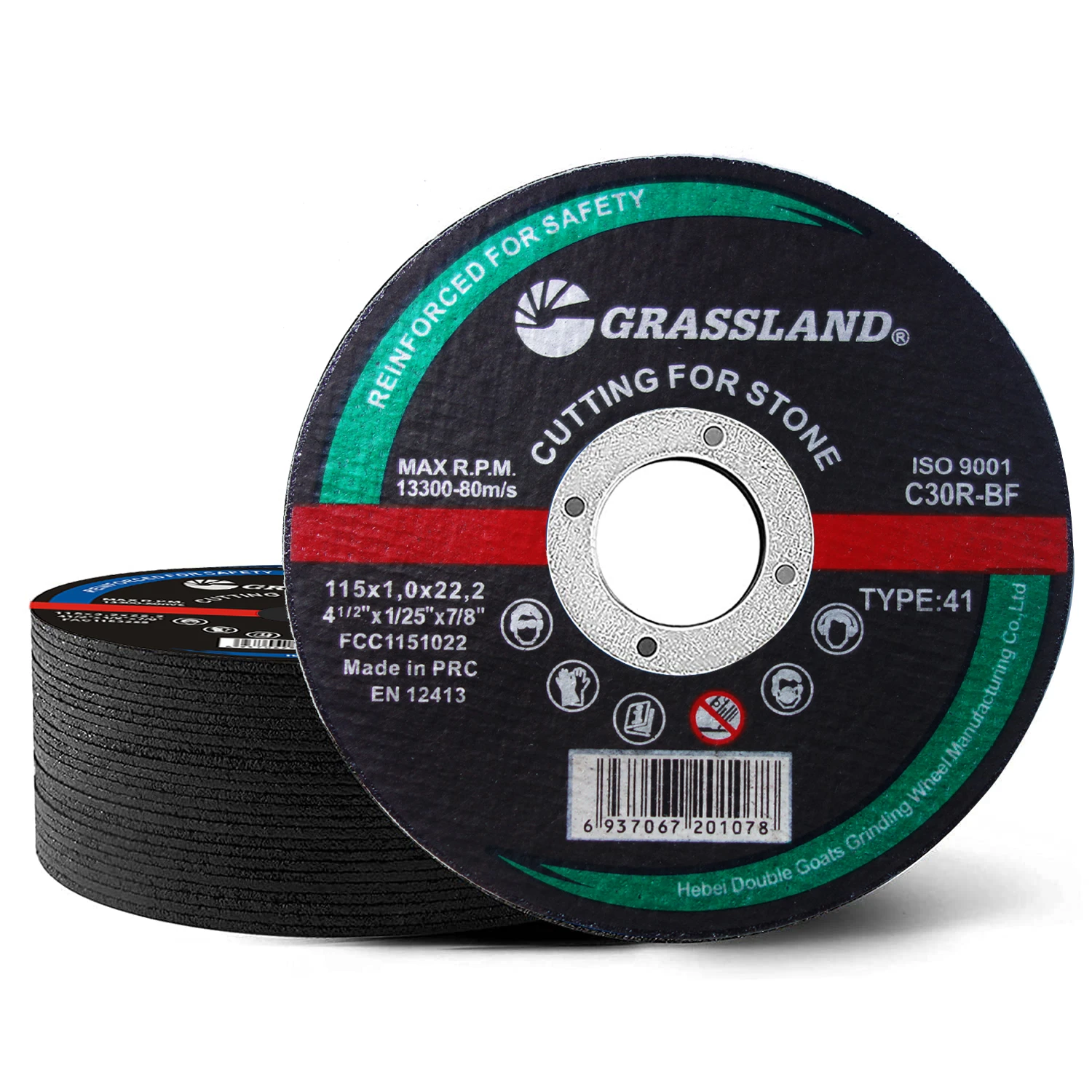
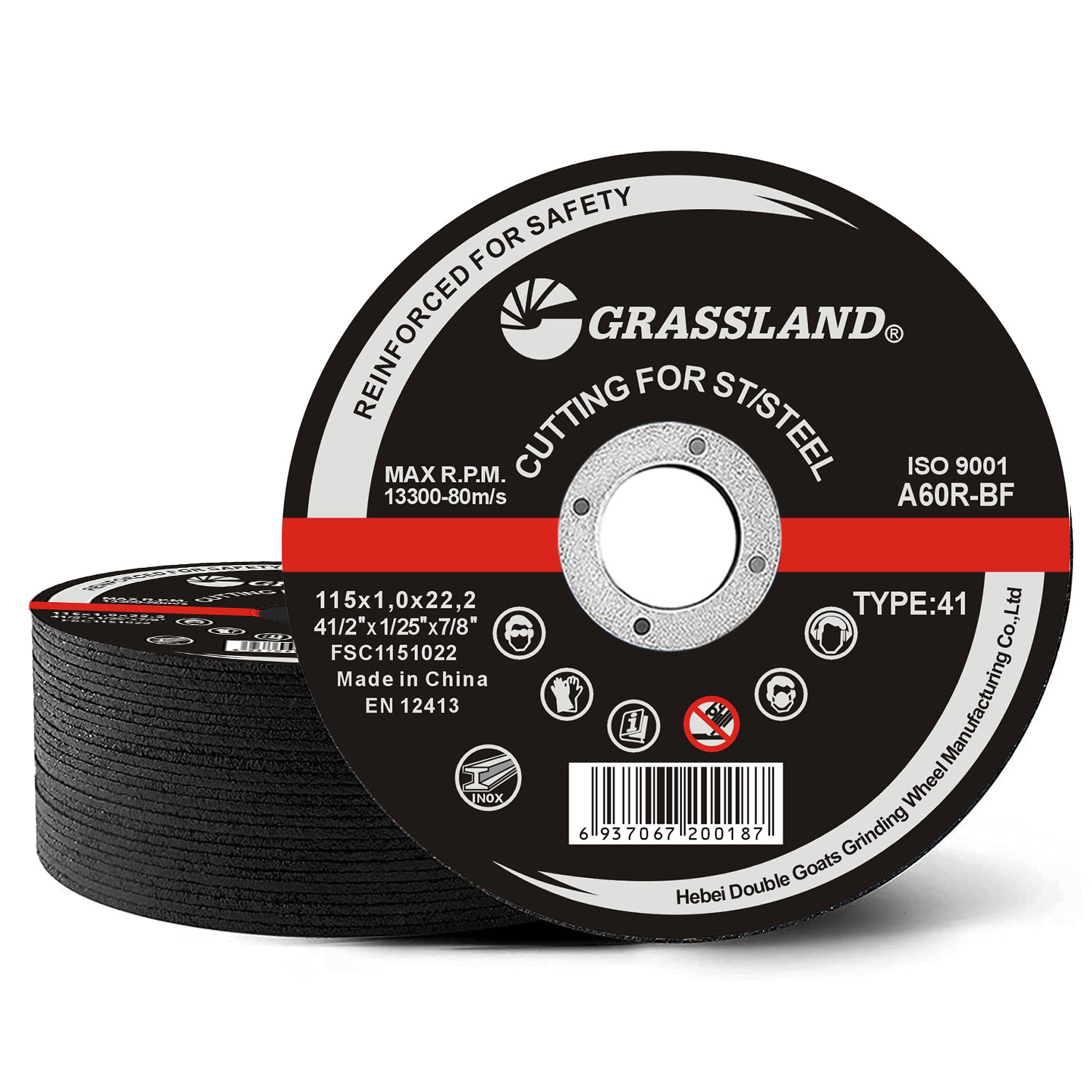
Put simply, a stone grinder disc is a circular abrasive tool designed to grind, smooth, or shape stone and other hard materials. Usually attached to power tools like angle grinders, these discs are made by embedding industrial abrasives like silicon carbide or diamond particles onto a backing plate. This construction allows for efficient material removal and shaping without damaging the essential structure underneath.
It's not just a 'grinder disc'; it’s a vital enabler of craftsmanship and industrial precision that supports everything from building restoration to mining operations.
Core Factors Behind Stone Grinder Discs
Durability
Stone discs face tough working conditions—abrasion against hard materials, heat, impact. Most discs today are engineered with reinforced bonding agents that ensure they last longer without breaking down.
Material Specificity
Discs are tailored for stone, concrete, or metal. Using the wrong type drastically reduces lifespan and quality.
Size & Compatibility
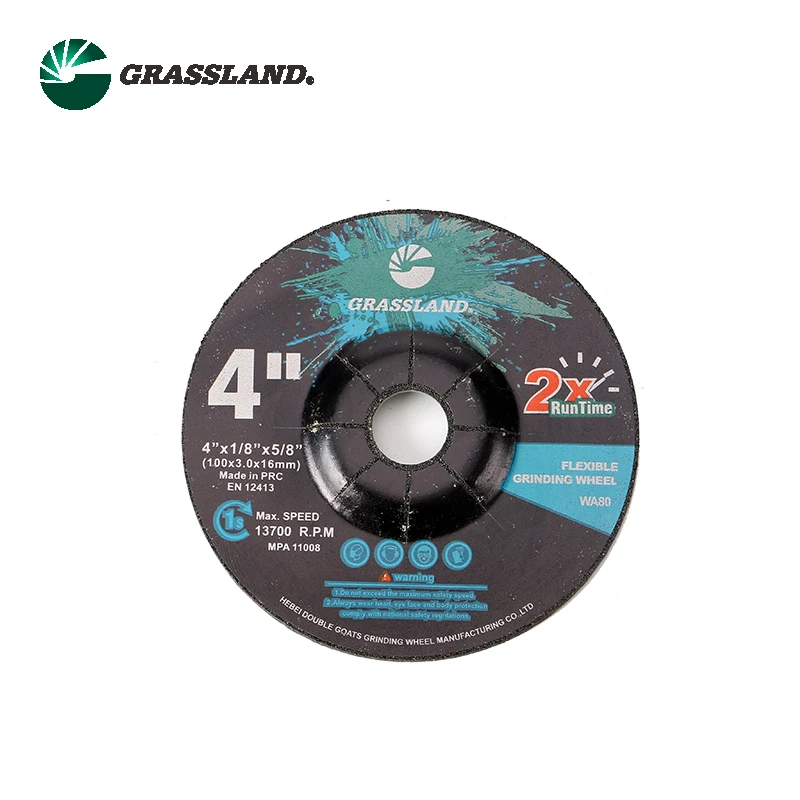
They come in various diameters (usually 4–9 inches) to fit different grinders, balancing torque and application needs.
Safety Features
Heat resistance and shatterproof designs are critical to prevent accidents. Standards from ISO and ANSI guide manufacturers here.
Cost Efficiency
While hobbyist discs might be cheap, industrial-grade stone grinder discs offer better value in performance and longevity—saving costs long term.
Quality Certifications
Look for discs conforming to EN 12413 and ISO 9001 for guaranteed reliability.
Stone Grinder Disc: Real-World Applications
These discs find essential roles across many sectors:
- Construction: Surface smoothing and shaping stones and masonry.
- Metal manufacturing: Deburring and finishing metal parts.
- Mining: Cutting and shaping stone samples for analysis.
- Restoration projects: Careful stone cleaning in heritage conservation.
- Disaster relief scenarios: Quick removal of debris or rubble.
Developing economies in Asia and Africa especially have increased demand amid infrastructure expansions, while European firms focus on precision restoration.
Stone Grinder Discs: Product Specification Snapshot
| Specification | Details |
|---|---|
| Material | Silicon carbide or diamond abrasive |
| Diameter | 4 in (100 mm) up to 9 in (230 mm) |
| Bonding type | Resin bond or vitrified bond |
| Max RPM | Up to 12,200 RPM depending on disc size |
| Safety standards | EN 12413, ISO 9001 compliant |
Vendor Comparison: What to Know When Buying Stone Grinder Discs
| Brand | Abrasive Type | Durability (hrs) | Price Range | Certifications |
|---|---|---|---|---|
| AlphaGrind | Silicon carbide | 20-25 hours | $15-$25 | ISO 9001 |
| DiamondPro | Diamond abrasive | 40-50 hours | $35-$55 | EN 12413, ISO 9001 |
| StoneSharp | Silicon carbide | 18-22 hours | $12-$20 | EN 12413 |
Advantages and Long-Term Value of Stone Grinder Discs
It’s tempting to just think of stone grinder discs as utility items—but the benefits are broader and deeper. Consider:
- Cost efficiency: Longer-lasting discs reduce frequent replacements, saving both money and downtime.
- Sustainability: High-quality discs minimize waste and often comply with environmental standards.
- Safety and reliability: Proper discs prevent accidents and improve operator confidence.
- Industrial dignity: Using the right tools reflects professionalism and respect for craftsmanship.
Emerging Trends and Innovations
The stone grinder disc has seen some cool advances recently. Industrial players now explore:
- Eco-friendly bonding materials: Reducing toxic resins without compromising strength.
- Smart manufacturing: Digital quality controls and real-time monitoring during grinding.
- Automation compatibility: Discs designed specifically for robotic grinders.
- Improved abrasive blends: New composites that better balance cutting speed and lifespan.
Challenges and Solutions
Of course, no tool is perfect. Common issues include premature wear, user misuse, and compatibility problems. Expert recommendations suggest:
- Proper matching of disc type and material.
- Regular inspection and safe handling practices.
- Training operators on speed limits, pressure, and angle.
- Choosing certified brands to ensure consistent quality.
FAQ: Answers to Your Top Questions About Stone Grinder Discs
- Q1: How do I choose the right stone grinder disc for my project?
- Look at the material you’ll be grinding and check the disc’s abrasive type, size, and compatibility with your grinder. For stone, silicon carbide discs often work well; for tougher materials, diamond abrasives might be necessary.
- Q2: What safety precautions should I take when using a stone grinder disc?
- Wear goggles, gloves, and a dust mask. Ensure the disc is properly mounted and follow maximum RPM ratings. Never apply excessive pressure—let the disc do the work.
- Q3: How long should a typical stone grinder disc last under industrial use?
- Durability varies, but a quality disc can last anywhere from 20 to 50 hours of active grinding, depending on material hardness and usage conditions.
- Q4: Can stone grinder discs be used on metal?
- While some discs are dual-purpose, it’s best to use products specifically designed for metal to avoid poor performance or safety risks.
Conclusion: Why Stone Grinder Discs Matter Long-Term
In real terms, the humble stone grinder disc stands at the intersection of tradition and innovation. It’s an indispensable tool helping industries stay efficient, precise, and safe. As the manufacturing landscape evolves, investing in quality discs is a small but wise step toward sustainability and operational excellence.
If you want to explore a range of reliable and certified stone grinder discs, be sure to visit our website at https://www.cutoffdiscs.com where quality meets expertise.
Reflection
What strikes me, after years observing tool use in industry, is how even the simplest elements—like a grinder disc—can reveal much about a company’s care for quality and safety. It’s odd, but there’s dignity in the small things, isn’t it?
References
Mini takeaway: Stone grinder discs prove that even a small, specialized product can wield big impact in global industry.
Post time:Dec - 03 - 2025