Understanding the Stone Cutting Disc for Angle Grinder: Essential Tool for Precision and Efficiency
When it comes to cutting through stone, granite, or concrete, a reliable stone cutting disc for angle grinder is an indispensable accessory. Whether you’re a professional mason or a DIY enthusiast, being familiar with this tool not only improves efficiency but also makes your work safer and more precise. Globally, construction and renovation projects rely heavily on these discs to meet demanding deadlines and standards, making their quality and selection a subject worth exploring in depth.
Introduction: Why Stone Cutting Discs Matter Globally
The global construction market is projected to grow by 4.2% annually, according to the World Bank, with infrastructure development booming in Asia, Africa, and Latin America. A key enabler in this surge is the efficient division and shaping of stone materials—tasks that angle grinders equipped with stone cutting discs perform expertly. Yet, challenges arise in selecting the right discs for durability and optimum performance in varying environmental and operational conditions. This makes understanding these discs more than just a technical interest; it’s a practical necessity for builders worldwide.
What Exactly Is a Stone Cutting Disc for Angle Grinder?
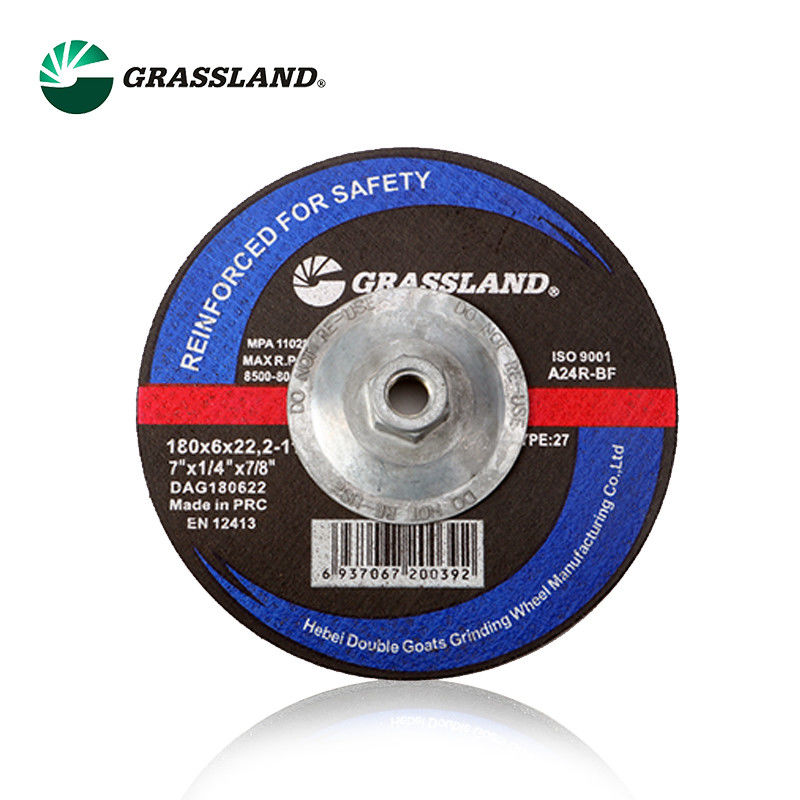
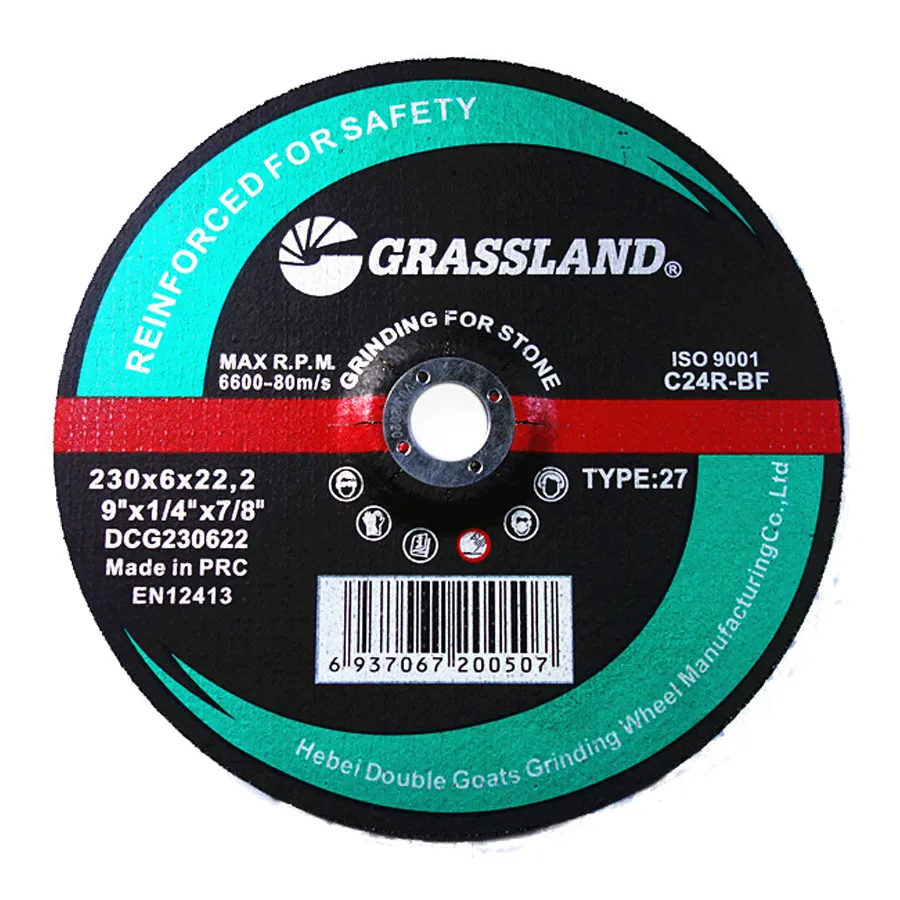
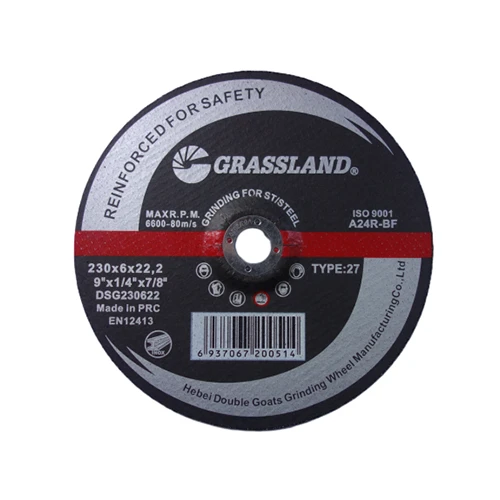
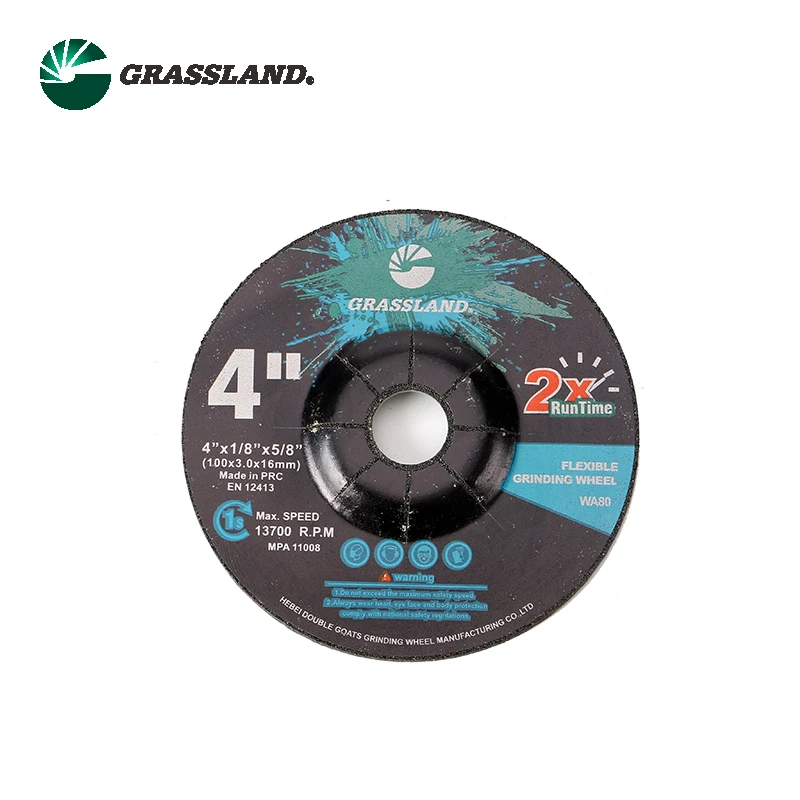
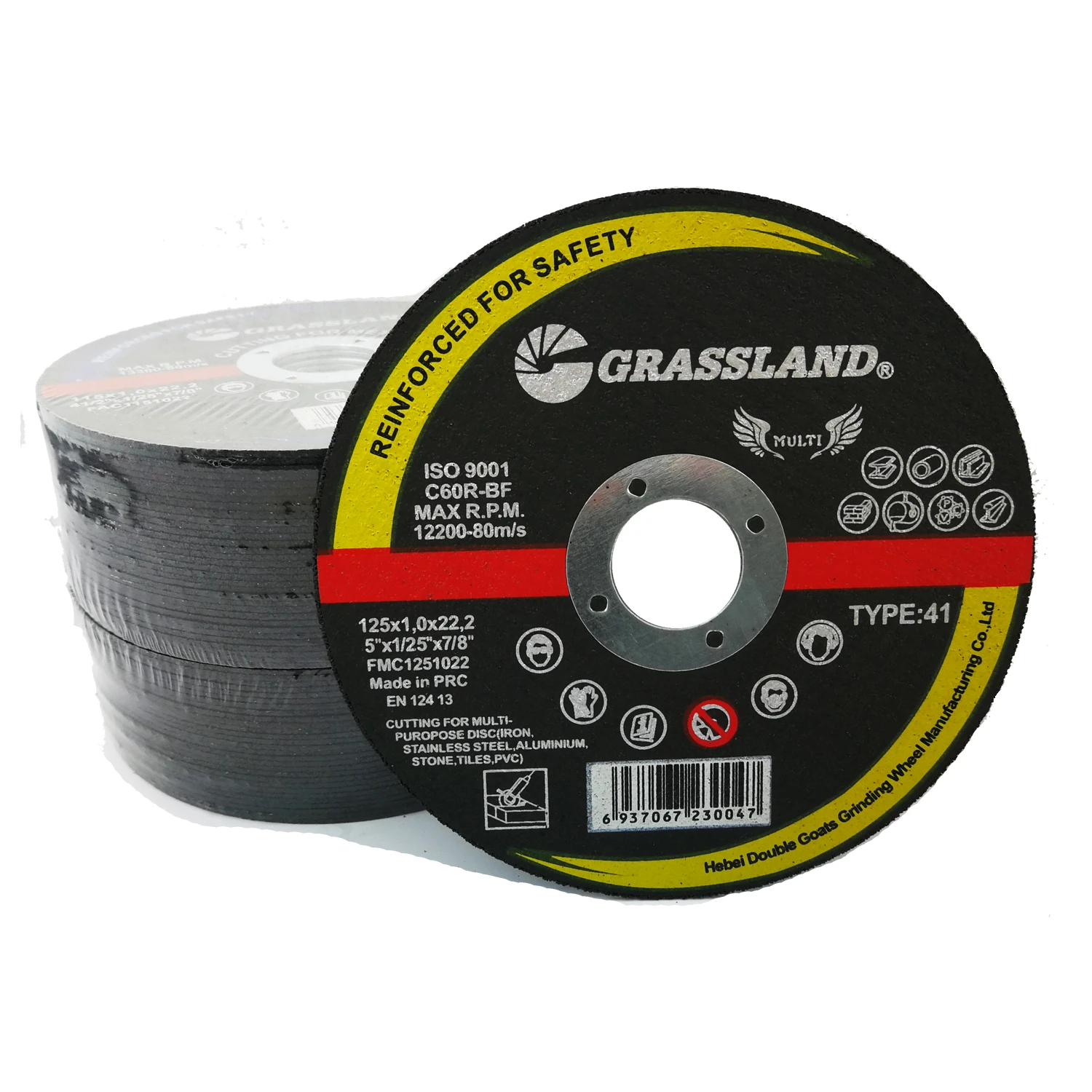
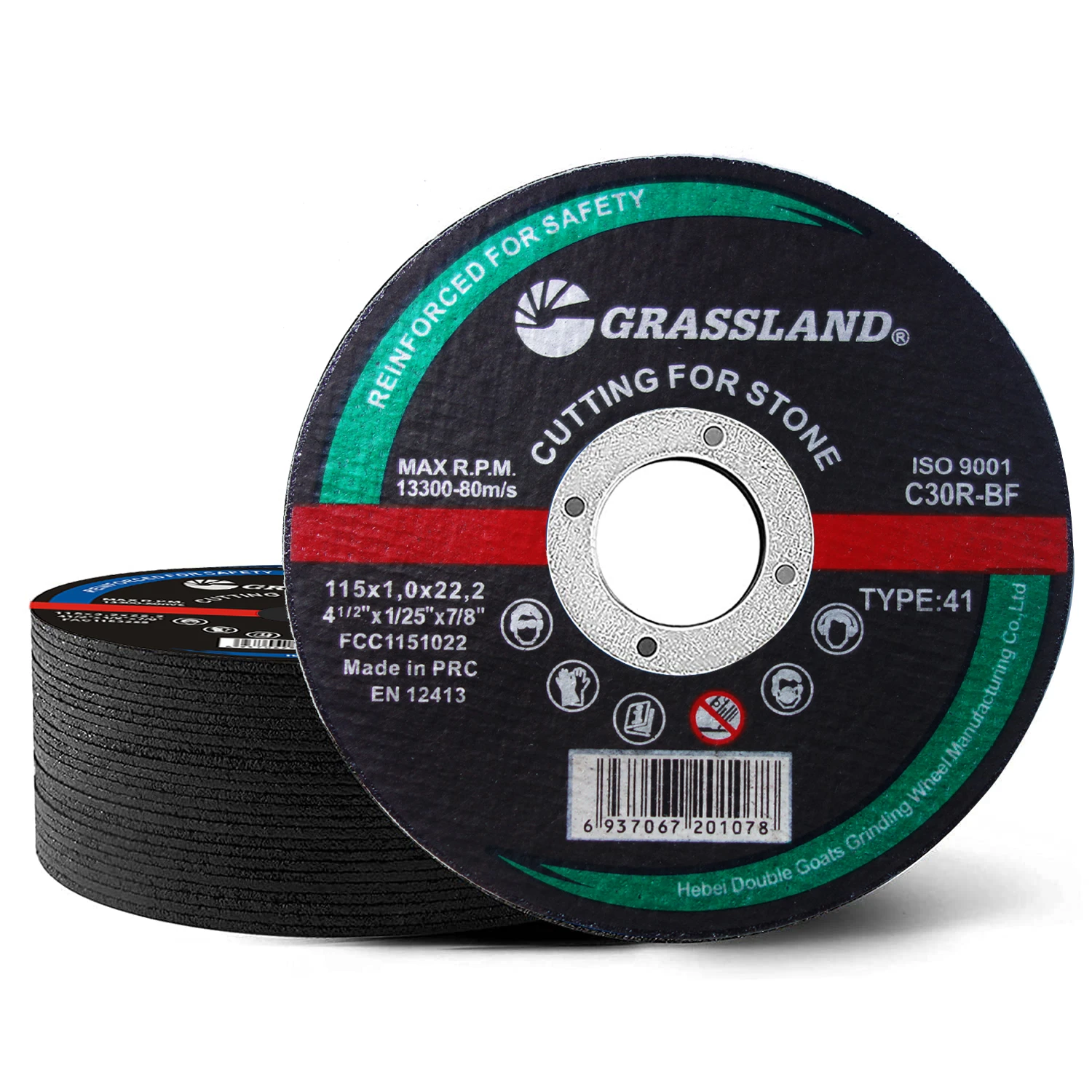
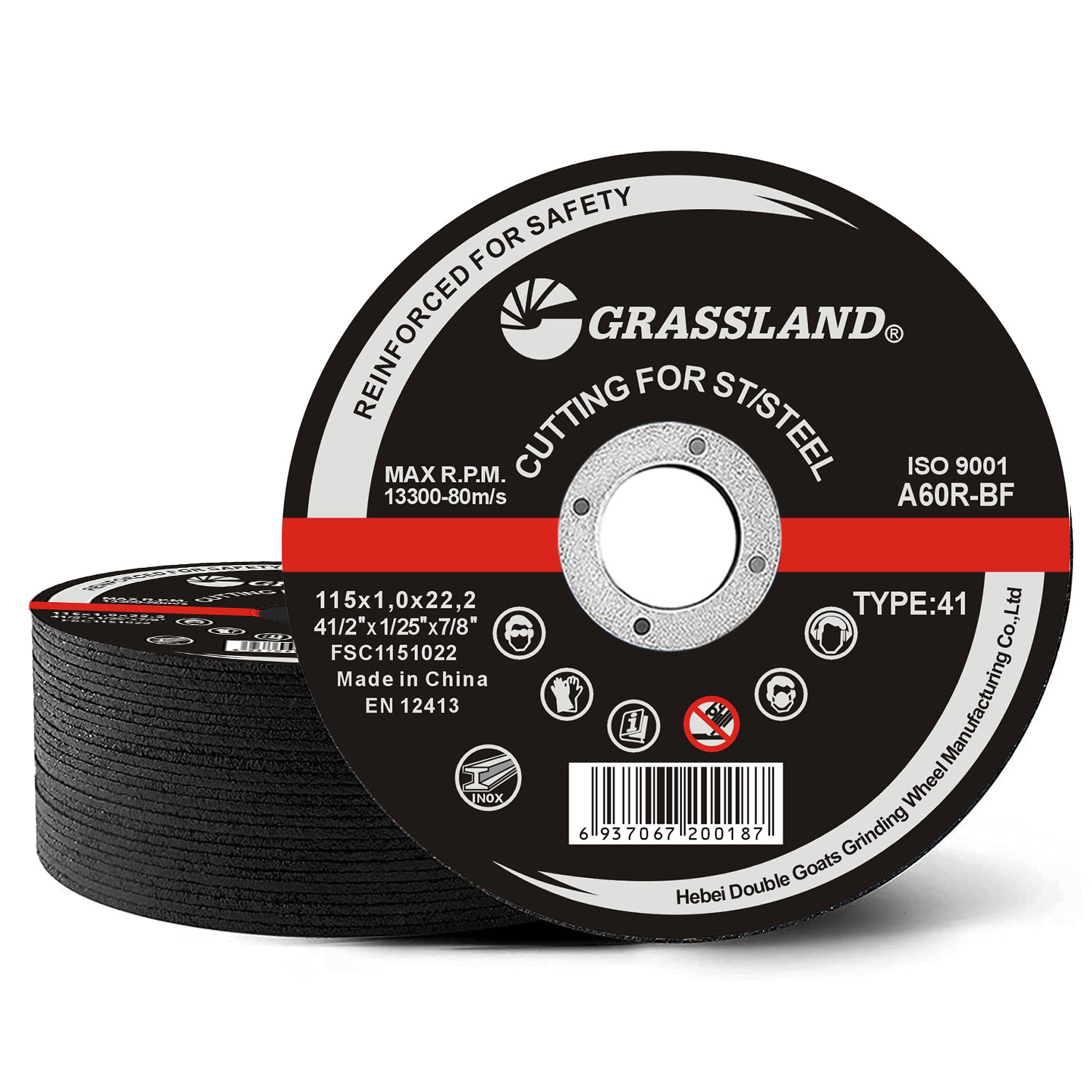
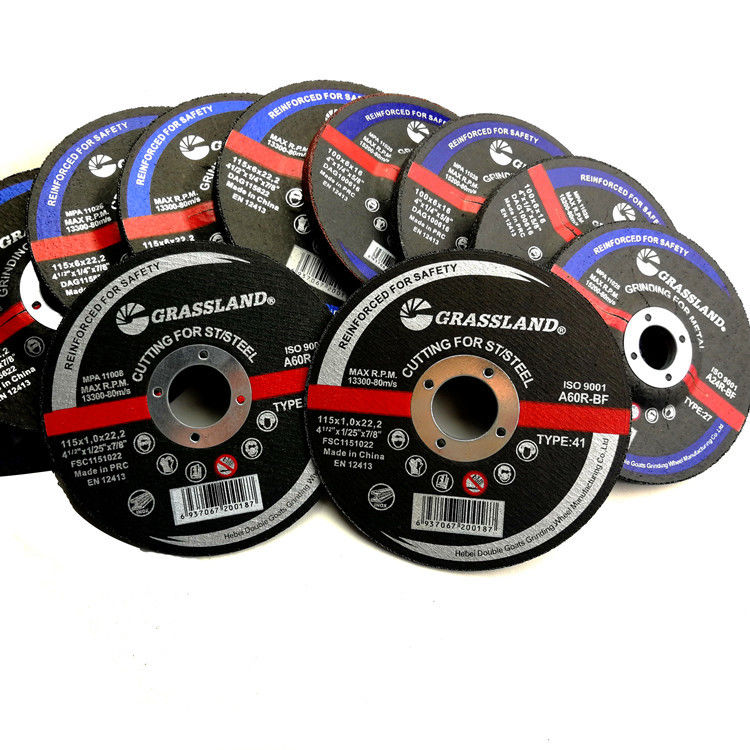
A stone cutting disc designed for an angle grinder is a circular, abrasive wheel specifically manufactured to slice through hard materials like natural stone, concrete, and masonry. Often made using diamond segments or abrasive compounds bonded to a steel core, these discs fit on angle grinders—powerful handheld tools that rotate at high speeds to enable precise cutting. The link between these discs and modern industry is critical, as they facilitate everything from urban infrastructure projects to humanitarian construction efforts.
Key Characteristics of Stone Cutting Discs
1. Durability
Stone cutting discs must withstand intense abrasion and heat during use. Manufacturers often embed industrial-grade diamonds in resin or metal bonds, giving these discs exceptional longevity and resistance to wear.
2. Precision Cutting
The ability to cut cleanly with minimal chipping defines the best discs. A well-produced disc offers smooth, straight cuts ideal for both structural and decorative stonework.
3. Compatibility & Size Variations
Angle grinders come in various sizes, typically 4 to 9 inches in diameter, and so do cutting discs. The fit and thickness influence cutting depth and control.
4. Safety Features
Discs usually include reinforced steel cores or mesh for added strength, reducing risks of shattering under high stress—critical for worker safety.
5. Cost Efficiency
It’s not just about upfront cost; longevity and performance reduce overall project expenses, especially on large-scale construction.
Stone Cutting Disc Specifications
| Specification | Details |
|---|---|
| Disc Diameter | 100mm to 230mm |
| Material Composition | Diamond segments bonded with resin or metal |
| Max RPM | 6,600 – 13,300 RPM depending on disc size |
| Cutting Thickness | 1.2mm to 3.2mm |
| Weight | 300g to 1.5kg |
Mini takeaway: Selecting the right stone cutting disc boils down to balancing size, durability, and design to match your specific needs — whether you favor precision or heavy-duty use.
Global Applications: Where and How These Discs Perform
Across the globe, from urban centers to rugged construction sites, stone cutting discs power countless projects. For example:
- Construction in urban Asia: Fast-paced infrastructure development demands discs that keep up with heavy stone and concrete cutting.
- Post-disaster rebuilding in the Caribbean: Durable discs help swiftly clear rubble, enabling humanitarian organizations to restore housing.
- Mining operations in Australia: They assist in cutting stone samples for geological studies.
These use cases illustrate how versatile these discs are — adaptable to climates and materials ranging from porous limestone in Europe to dense granite in Africa.
Vendor Comparison: Leading Stone Cutting Disc Brands
| Brand | Durability | Price Range | Special Features |
|---|---|---|---|
| DuraCut Pro | High (resin bond) | $$$ | Low vibration technology |
| StoneMaster | Medium (metal bond) | $$ | Reinforced steel core |
| EcoCut Diamond | High (eco-friendly resin) | $$$ | Low dust emissions |
Advantages & Long-Term Value
There’s a lot to gain from investing in quality stone cutting discs:
- Cost savings: Durable discs mean fewer replacements, reducing downtime.
- Sustainability: Newer discs use eco-friendly bonds and lower dust emissions, aligning with global health standards.
- Safety: High-quality materials minimize dangerous breakage, protecting workers.
- Precision and speed: The faster and cleaner the cut, the better the finished project.
Frankly, it’s a blend of technical performance and peace of mind — you know the disc will hold up when it counts.
Future Trends & Innovations
Looking ahead, the market is buzzing about:
- Incorporation of nanotechnology to improve bond strength and cutting efficiency.
- Smart discs with embedded sensors for monitoring wear and performance in real-time.
- Expansion of eco-conscious materials, reducing environmental impact of abrasive manufacturing.
- Automation integration in cutting processes, with robotic angle grinders improving accuracy and safety.
It’s exciting to see how toolmakers balance innovation with practicality — and honestly, some of these ideas feel like science fiction now but will be industry staples soon enough.
Challenges & Practical Solutions
Despite impressive advances, challenges remain:
- Disc wear rates vary greatly with stone hardness, requiring users to adapt frequently.
- Safety risks from improper mounting or over-speeding discs.
- Cost barriers in resource-limited regions where durable discs are less accessible.
To address these, experts recommend:
- Choosing discs certified to international standards like ISO 525.
- Regular safety training for workers using angle grinders.
- Developing local supply chains to reduce costs and wait times.
FAQ: Frequently Asked Questions About Stone Cutting Discs for Angle Grinder
- How do I choose the right stone cutting disc for my angle grinder?
- Consider the disc diameter, material composition, and compatibility with your grinder’s RPM rating. Also think about the type of stone you're cutting — harder materials usually need diamond-bonded discs.
- What safety measures should I take when using stone cutting discs?
- Always wear protective gear, including eye protection, gloves, and a dust mask. Ensure the disc matches your grinder’s specs and is properly mounted. Never exceed the manufacturer’s RPM rating.
- Can these discs be reused, or are they single-use?
- Discs wear down with use but can last multiple projects if chosen and maintained properly. Avoid forcing the disc, as increased wear shortens lifespan.
- Are eco-friendly stone cutting discs less effective?
- Not necessarily. Many eco-friendly versions feature resin bonds designed to minimize dust and harmful emissions while maintaining cutting performance comparable to traditional discs.
Conclusion: Why Good Stone Cutting Discs Matter
In real terms, the stone cutting disc for angle grinder is far more than just another tool. It’s a small but mighty enabler of progress — supporting infrastructure, enabling disaster recovery, and empowering precise craftsmanship. Whether for large-scale construction or home projects, investing time to understand and select the right disc yields dividends in efficiency, safety, and end results.
If you’re curious to learn more or want to source quality discs, please visit our website for expert advice and the best selection.
Mini takeaway: When the cut matters, your choice of stone cutting disc makes all the difference.
References:
1. World Bank: Global Construction Overview (worldbank.org)
2. ISO 525: Specifications for Abrasive Products (iso.org)
3. Wikipedia: Angle Grinder (en.wikipedia.org/wiki/Angle_grinder)
Post time:Dec - 03 - 2025