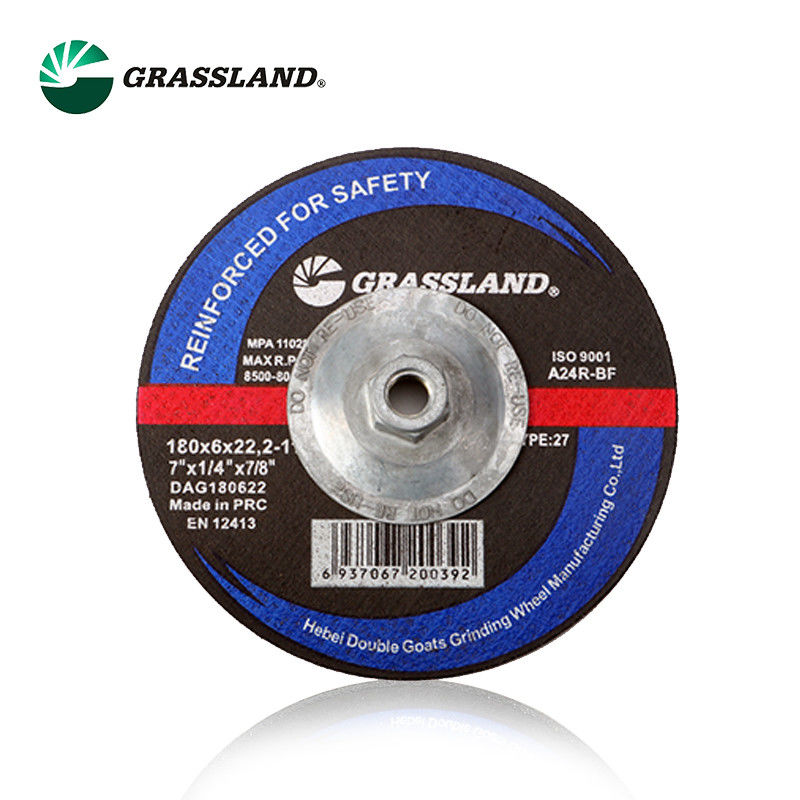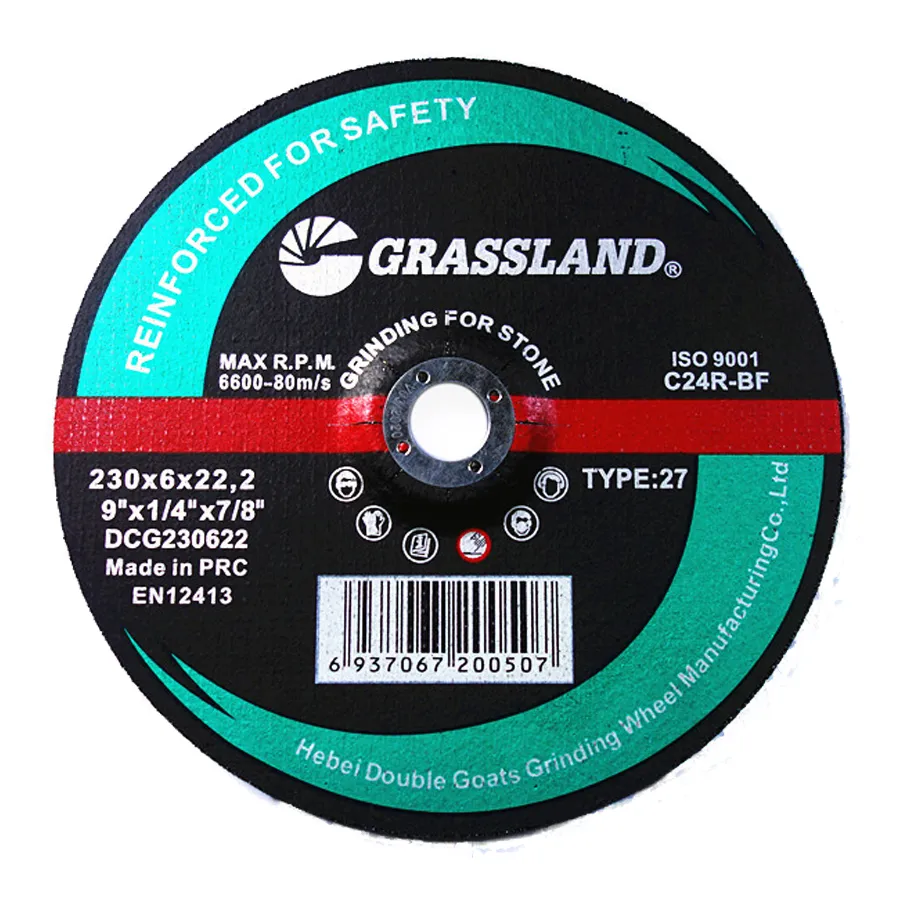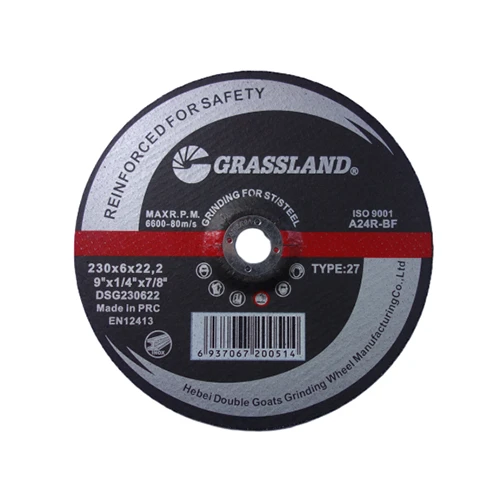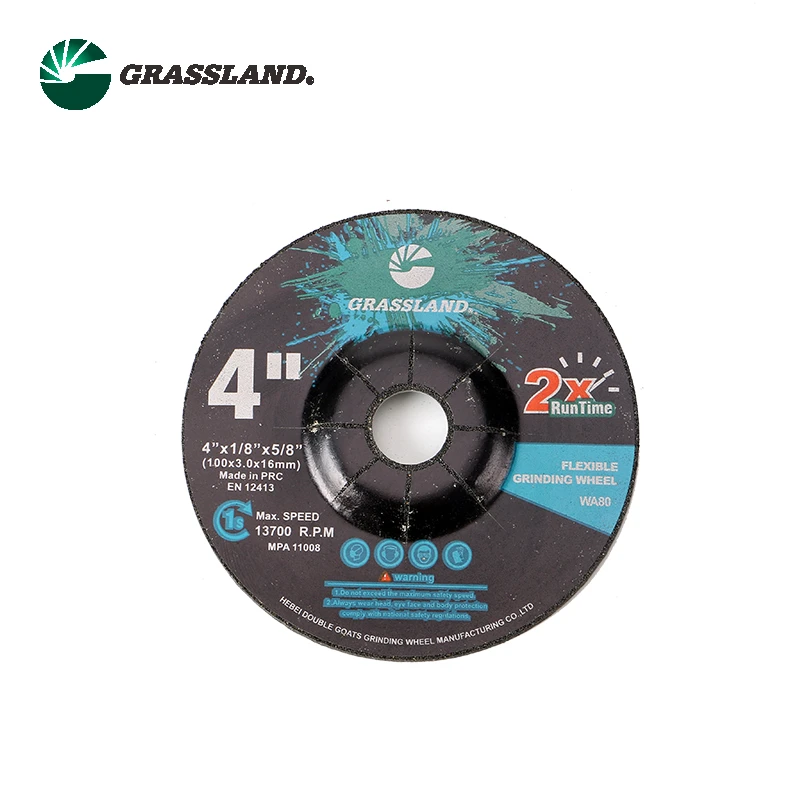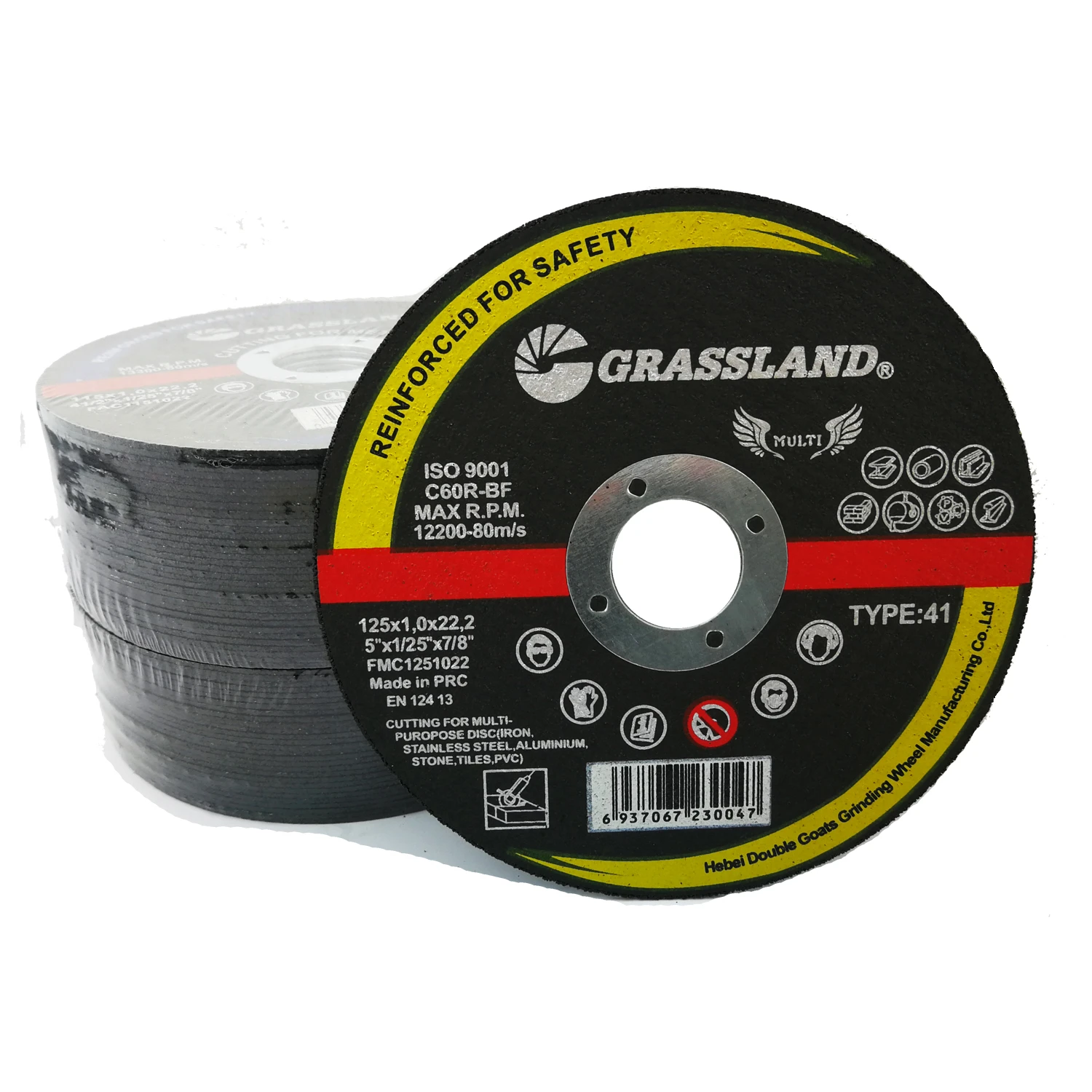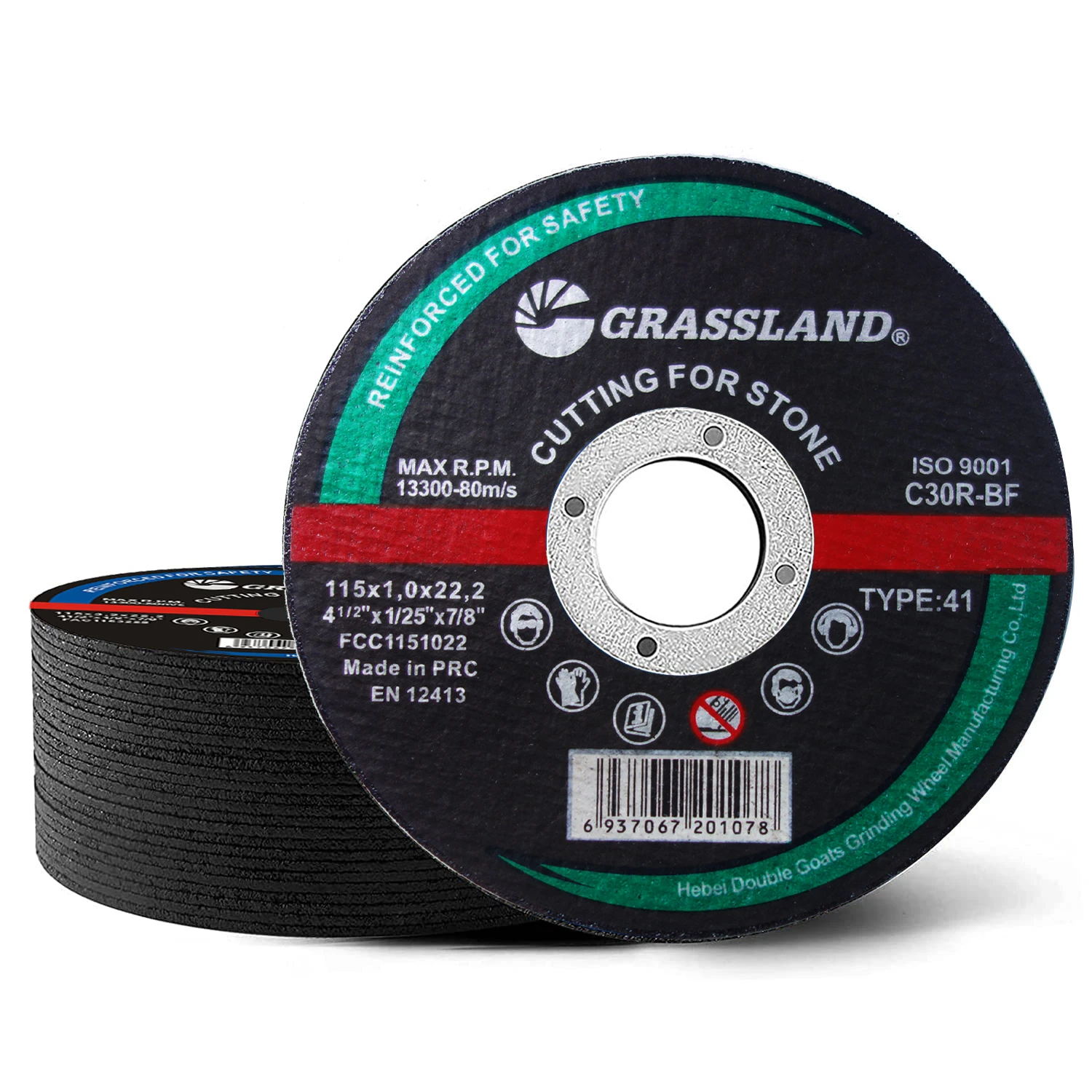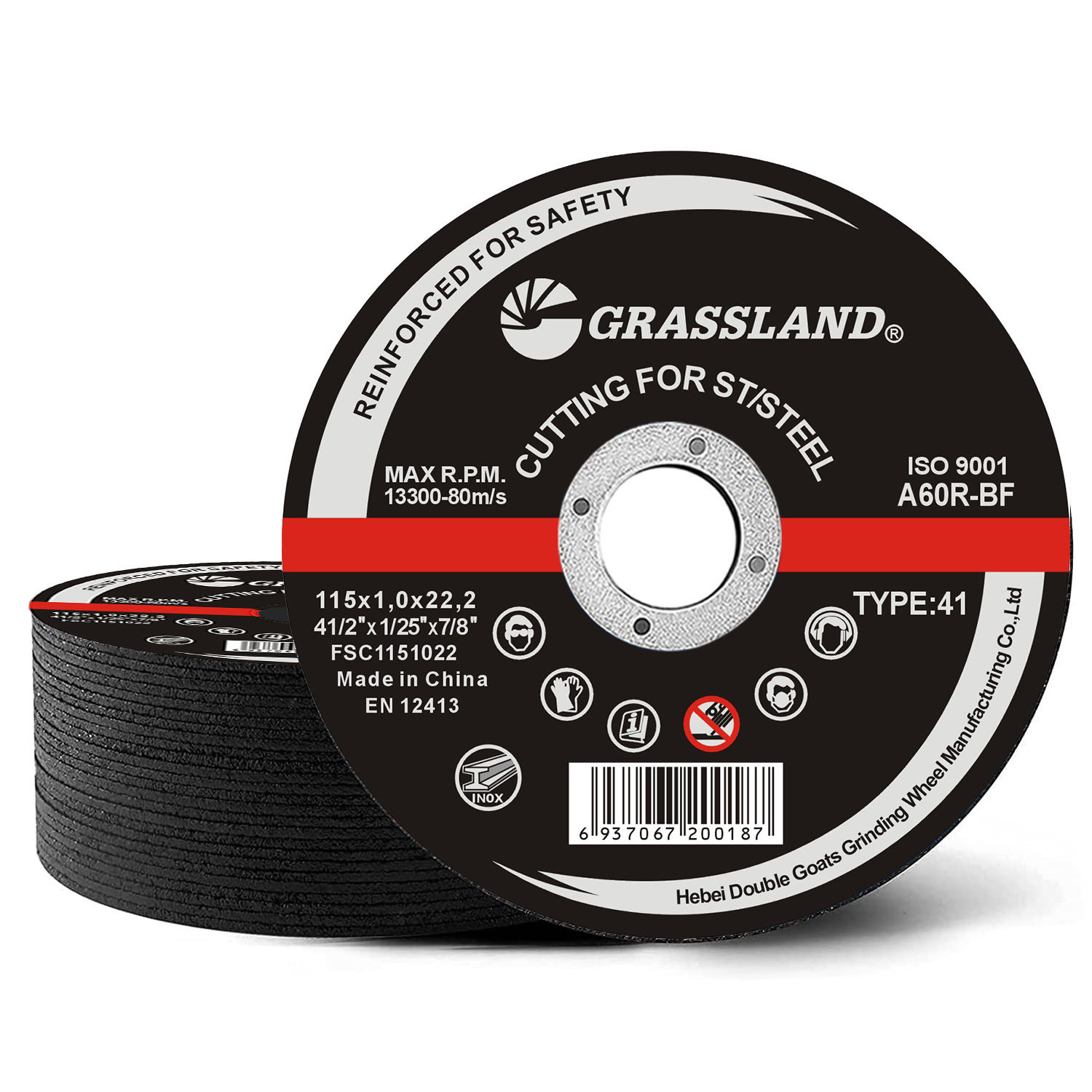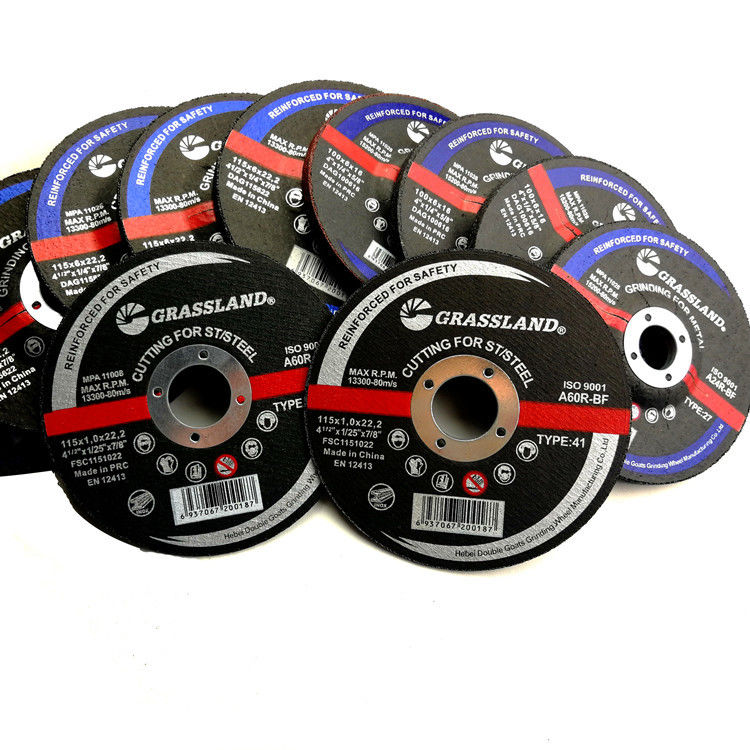
Understanding the Inox Cutting Disc for Stainless Steel
Having spent the better part of two decades around industrial machinery and metalworking tools, I can tell you one thing for sure: not all cutting discs are created equal. When you're working with stainless steel—or better known as inox—the choice of the cutting disc can make a world of difference. Stainless steel's robust nature means it demands discs that can handle high heat, resist wear, and cut cleanly without contaminating the metal.
Oddly enough, many newcomers underestimate just how specialized inox cutting discs need to be. Stainless steel’s chromium content, which gives it corrosion resistance, also makes it harder on cutting tools. I recall a project where a team tried using general-purpose discs on a stainless steel project; the edges were rough and required substantial grinding afterward. Lesson learned quickly.
Why Specialized Inox Discs Matter
In real terms, inox cutting discs are designed with specific abrasive materials and bonding agents. The key is achieving a balance: tough enough to cut through stainless steel, yet fine enough to minimize sparks, heat buildup, and metal discoloration. I’ve noticed that discs reinforced with extra resin layers tend to last longer under continuous use.
Many engineers I’ve worked alongside swear by discs that incorporate ceramic grains combined with aluminum oxide—these offer superior cutting speeds and smoother finishes. Also, proper grit size is critical. Lower grit sizes (like 36 to 60) excel at heavy-duty cutting, while finer grits polish edges but aren’t as efficient for deep cuts.
Key Product Specifications for Inox Cutting Discs
| Specification | Typical Value |
|---|---|
| Disc Diameter | 115mm, 125mm, 230mm |
| Thickness | 1.0mm to 2.5mm |
| Abrasive Material | Ceramic Alumina, Aluminum Oxide |
| Max RPM | 13,300 - 15,300 RPM |
| Bond Type | Resin reinforced with fiberglass mesh |
| Application | Cutting stainless steel, inox pipe, sheets |
Choosing the Right Vendor: A Brief Comparison
Frankly, suppliers differ not just in product specs but in consistency and support. I’ve tried discs from various vendors over time. Here’s a quick comparison based on my last few projects:
| Vendor | Durability | Cut Precision | Price | Availability |
|---|---|---|---|---|
| Vendor A | High | Very Good | Premium | Excellent |
| Vendor B | Moderate | Good | Affordable | Good |
| Vendor C | Low | Average | Budget | Limited |
A Quick Anecdote
Last year, we had a rush job involving stainless steel pipe fittings for a client. Initially, the team used a generic disc and ended up with ragged edges, slowing the whole operation down. Swapping to a dedicated inox disc — the type you’d find from inox specialists — halved the cutting time and gave a clean finish right off the bat. It felt like night and day, frankly.
Using the ideal disc really does save you time, money, and frustration.
Final Thoughts
To sum up: if you work regularly with stainless steel, commit to the right inox cutting disc. It’s a small investment for what ends up being a significant gain in efficiency and quality. Plus, the reduced heat and cleaner cuts preserve the integrity of your stainless steel fabrications — which, in my experience, pays dividends down the line.
There’s always a bit of trial and error in picking suppliers and disc types, but sticking to reputable sources and checking specs closely is your best bet. You know, it’s these subtle differences that separate a decent cut from a perfect one.
Happy cutting!
References:
- Technical data sheets from abrasive manufacturers
- Field experience with stainless steel welding and cutting
- Industry forums and user reviews on cutting disc performance
Post time:Dec - 03 - 2025