Understanding the Importance of Disco Para Corte de Metal in Modern Industry
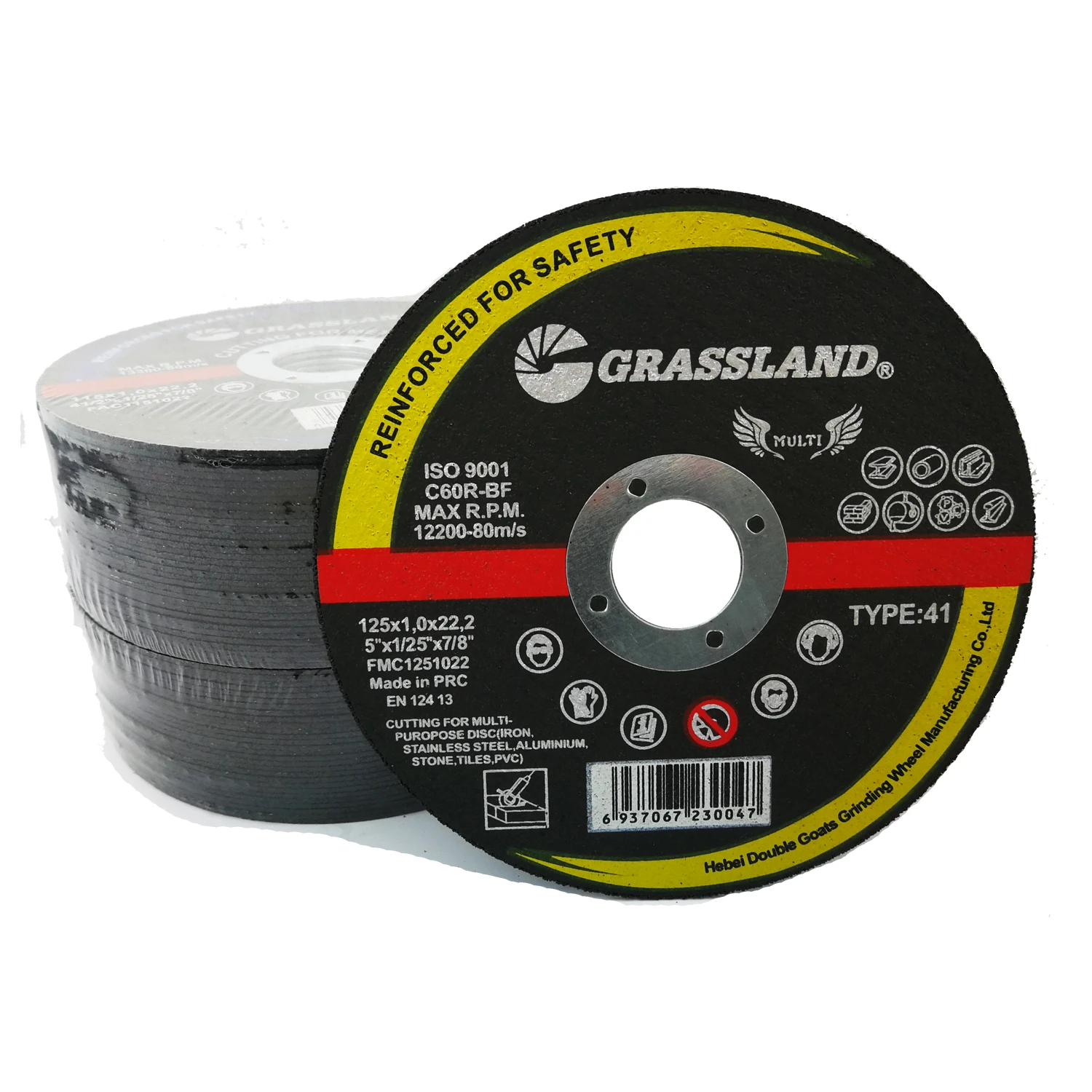
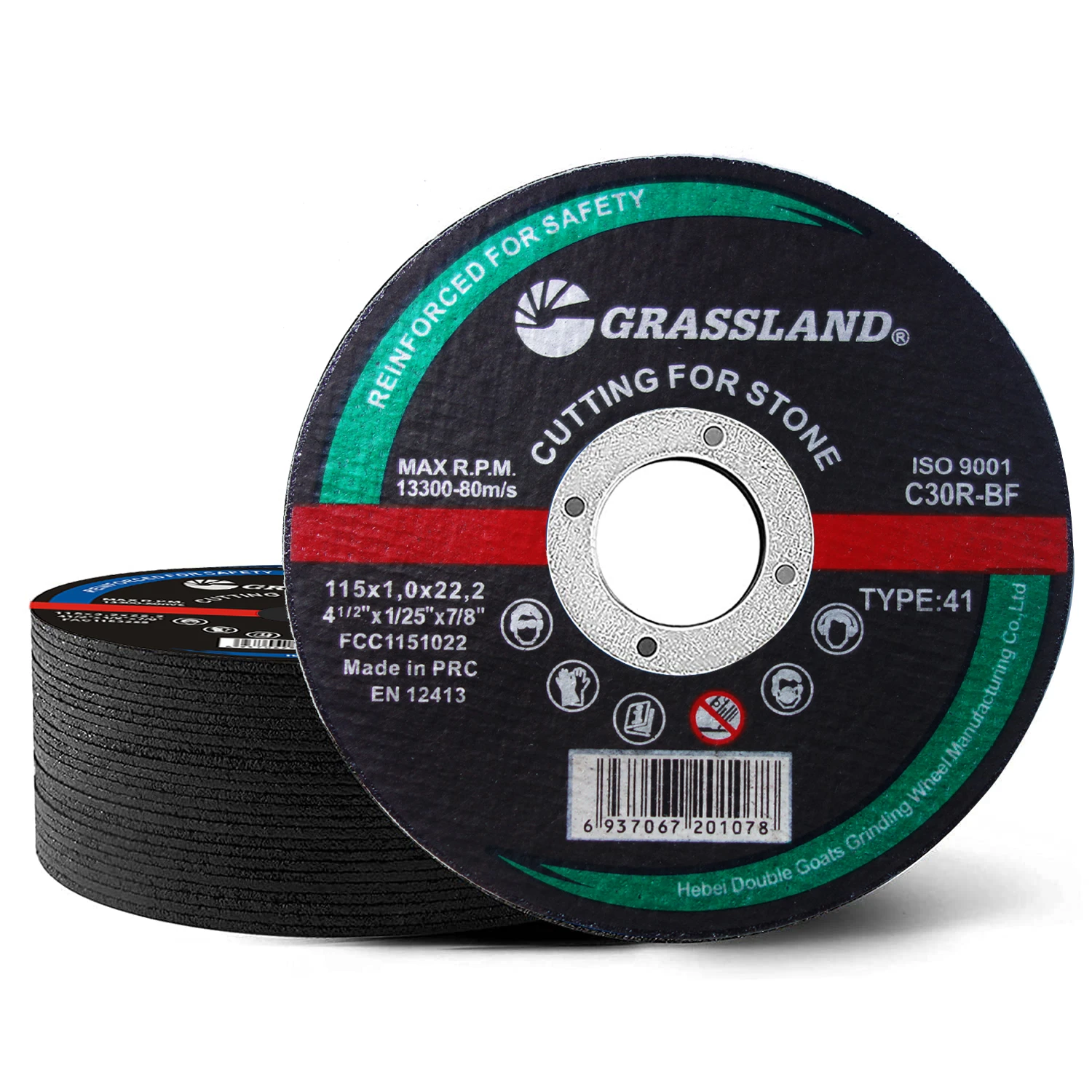
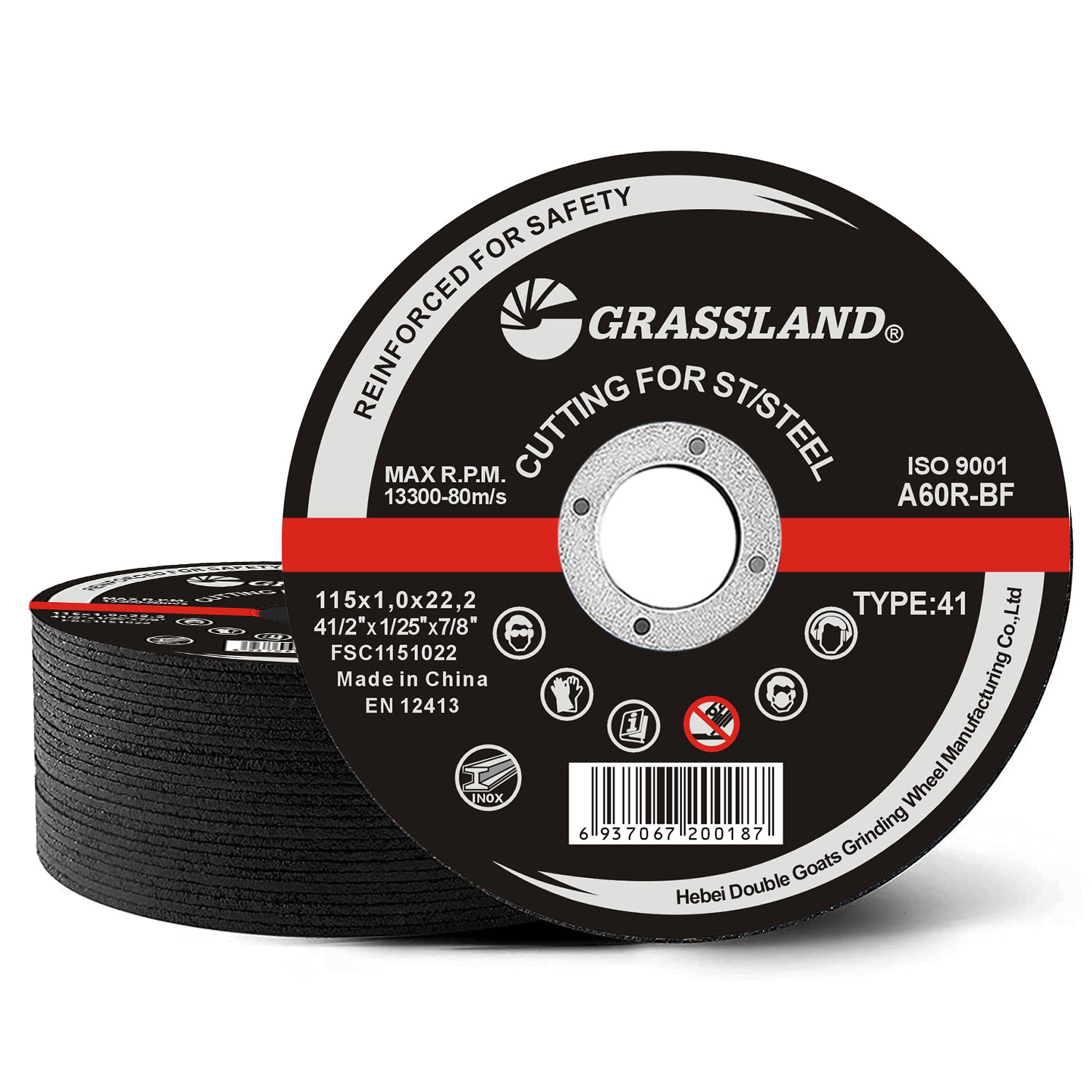
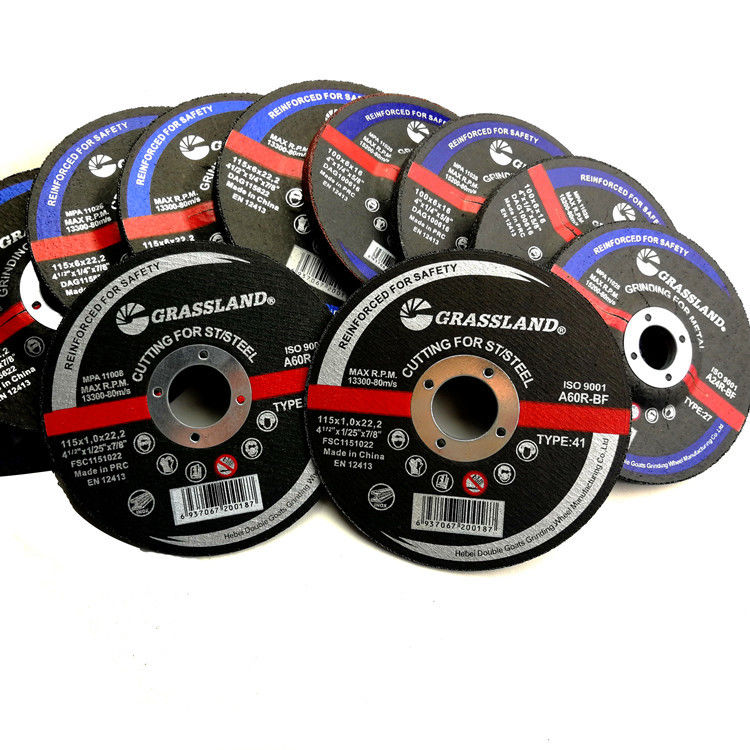
So, what exactly is a disco para corte de metal? At its core, it’s a cutting disc specifically designed for slicing through various metals — kind of like the “precision knife” in the toolbox of metalworkers and fabricators. Why does it matter globally? Well, metal cutting is foundational to multiple industries: construction, automotive, shipbuilding, manufacturing — you name it. And having the right cutting disc isn’t just a convenience; it’s about efficiency, safety, and final product quality. Skip that, and you risk wasted materials, slower project timelines, and frankly, a lot of frustration on the workshop floor.
Understanding how these discs function, their applications, and how they’re evolving to meet new challenges is more than just technical trivia — it’s a glimpse into the heartbeat of modern industrial progress.
Global Context: Why Disco Para Corte de Metal Matters Now More Than Ever
Steel and metal fabrication account for a huge chunk of global manufacturing output — the World Steel Association estimates over 1.8 billion metric tons of crude steel produced worldwide annually (1). Somewhere along that journey, millions of cutting discs are deployed daily. From bustling factories in Asia to remote shipyards in Europe, metal cutting isn’t just routine; it’s mission-critical.
Yet, a problem creeps in: inconsistent quality and improper disc choices contribute to workplace accidents and production inefficiencies, costing companies billions. Not to mention, non-standard or cheap discs can increase carbon footprint through waste and reworks.
So, choosing the right disco para corte de metal is a problem worth solving. It balances safety standards (some certified by ISO 603–4), cost-effectiveness, and environmental impact.
What Is a Disco Para Corte de Metal?
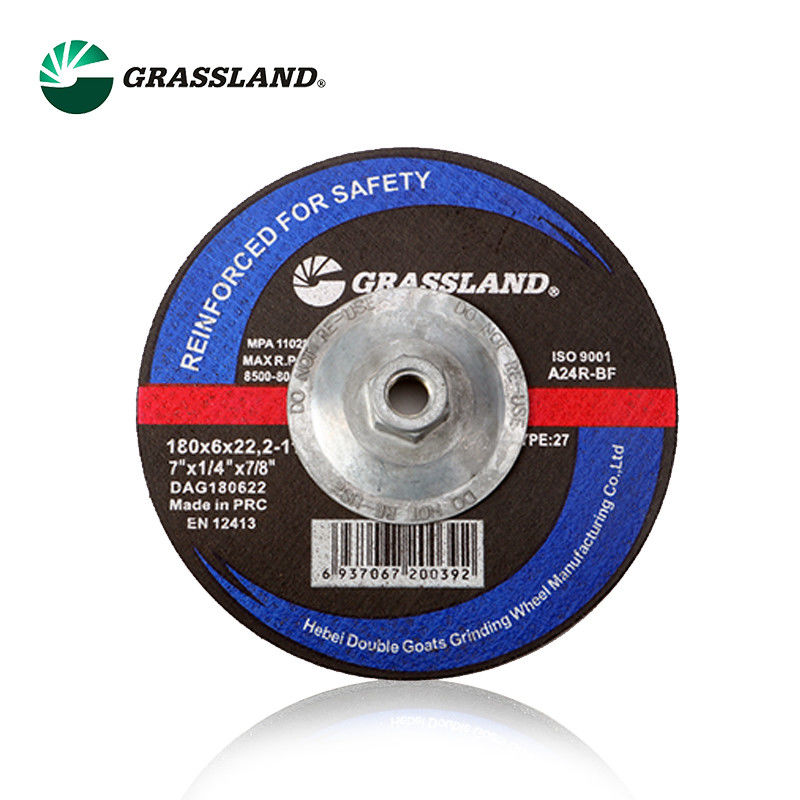
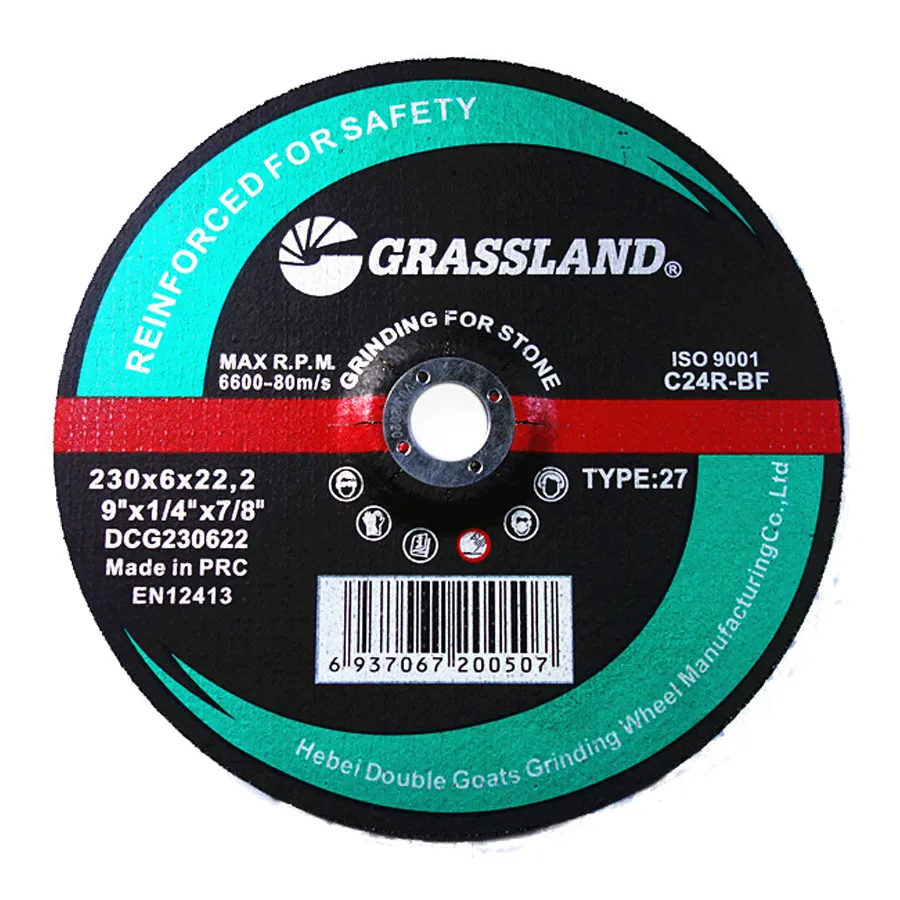
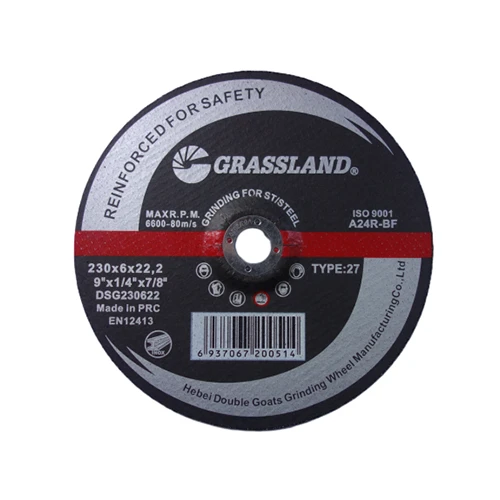
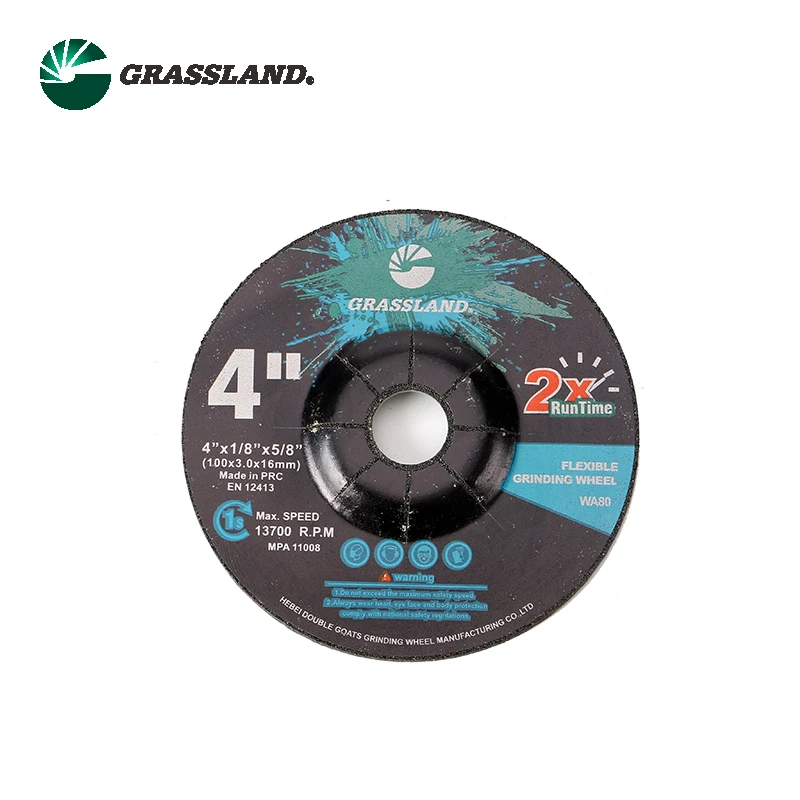
Put simply, it’s a high-speed abrasive wheel designed to cut through metal surfaces cleanly. These discs usually feature abrasives such as aluminum oxide, zirconia alumina, or silicon carbide embedded in resin or bonding agents. The thickness varies depending on the application: thin discs for precise cuts and thicker ones for heavy-duty jobs.
All this might sound like industrial jargon, but the reality is straightforward. These discs connect raw metal elements to finished products, enabling everything from delicate craftsmanship to large-scale infrastructure assembly. Honestly, their reliability touches on both manufacturing and even humanitarian work — like quickly cutting steel reinforcements during emergency building repairs.
Core Features of a High-Quality Disco Para Corte de Metal
1. Durability and Material Composition
Good discs resist wear and heat buildup, which increases their lifespan. For example, zirconia alumina discs offer a bit more toughness than standard aluminum oxide, making them better for stainless steel. Durability means fewer disc changes and less downtime — always a win in busy work environments.
2. Cutting Precision and Thickness
Thickness affects how clean and detail-focused your cut is. Thin discs (~1mm) are great for fine work like automotive panel repair, while thicker ones (~3mm) handle structural components. Engineers often choose based on the metal grade and cut depth.
3. Safety Certifications and Speed Ratings
Operating at very high RPMs (up to 13,300 RPM for some discs), safety certification like those adhering to ISO 603–4 standards ensures the disc won’t shatter during use, preventing severe accidents. It sounds obvious, but it’s astonishing how often improperly rated discs still circulate in informal markets.
4. Cost Efficiency and Lifecycle
This boils down to the right balance between upfront cost and overall disc hours. A cheap disc might cost less initially but wear out fast, doubling replacement frequency and costs.
5. Compatibility with Tools
Some discs fit standard angle grinders, others specialized cut-off saws. Knowing your tool’s specifications avoids awkward “close but not quite” fits, preventing safety risks.
Mini takeaway: Investing a bit more upfront in technically sound, certified, and tool-compatible disco para corte de metal pays off in safety, precision, and lifetime costs.
Spotlight on Real-World Uses: Disco Para Corte de Metal Across the Globe
- Construction industries in North America and Europe use these discs to shape steel beams with high repeatability and safety standards.
- Shipbuilding yards in South Korea heavily rely on them for cutting thick steel plates efficiently.
- Rapid response disaster relief teams (think humanitarian NGOs) use small portable grinders equipped with cutting discs to dismantle damaged infrastructure safely, allowing for quicker rebuilding efforts.
- Artisans and metal fabricators globally turn to certain premium discs for intricate designs on metal sculptures or custom automotive parts.
One example: An NGO working after the 2019 earthquake in Indonesia used portable cut-off tools with high-grade cutting discs to clear metal debris, dramatically speeding up the restoration of local infrastructure.
Mini takeaway: The disco para corte de metal isn’t just an industrial tool; it’s a critical player in everything from global manufacturing to emergency recovery and even creative craftsmanship.
Advantages and Long-Term Value of Choosing the Right Metal Cutting Disc
When you have a cutting disc that matches your project needs, the benefits quickly show themselves:
- Cost savings: Less waste, fewer replacements, and less downtime.
- Environmental impact: Longer-lasting discs mean fewer resources consumed.
- Safety and reliability: Reduced accident risks and enhanced worker confidence.
- Quality finishes: Cleaner cuts reduce post-cut grinding and improve joint integrity.
- Emotional peace of mind: Operators feel more secure and productive with quality tools — and you can’t put a price on good morale.
In many ways, it feels like getting the right disco para corte de metal is a small win with outsized impact.
Future Trends: What’s Next for Disco Para Corte de Metal?
The metal cutting disc world isn’t stagnant — materials science and manufacturing technology continuously push boundaries. Some trends to watch for:
- Eco-friendly bonding agents: Reducing toxic resins and waste during production.
- Diamond-enhanced discs: For ultra-precise cutting and longer life cycles.
- Smart discs: Featuring wear indicators or integration with digital tool monitoring.
- 3D-printed abrasives: Customizable grain shapes optimized for speed and finish.
- Compliance with tougher regulations: Especially in Europe and North America for worker safety and environmental standards.
Frankly, these innovations promise safer, cleaner, and more productive cutting solutions soon.
Common Challenges and How to Overcome Them
While disco para corte de metal can improve your metalworking game, challenges remain:
- Fake or counterfeit discs: Buy from reputable sources. Look for certification logos and user reviews.
- Incorrect disc selection: Consult tool manuals and manufacturers’ guides. It’s better to spend a little time researching upfront.
- Improper storage: Avoid moisture and extreme temperatures which degrade disc integrity.
- Safety compliance lapses: Follow occupational safety rules, invest in personal protective gear, and regularly inspect discs for damage.
As one seasoned fabricator told me: “You might skimp once, but the cost comes back a hundredfold.” Wise words.
Product Specification Table
| Specification | Value / Range |
|---|---|
| Disc Diameter | 115 mm, 125 mm, 230 mm |
| Disc Thickness | 1 mm – 3 mm |
| Maximum RPM | 13,300 RPM |
| Abrasive Materials | Aluminum Oxide, Zirconia Alumina, Silicon Carbide |
| Typical Usage | Metal cutting (carbon steel, stainless steel, cast iron) |
| Safety Standards | ISO 603–4, EN 12413 |
Vendor Comparison Table: Selecting the Right Supplier
| Vendor | Product Range | Price Level | Certifications | Regional Availability |
|---|---|---|---|---|
| FlexAbrasives | Wide (Standard & Specialized discs) | Mid-High | ISO 603–4, EN 12413 | Global |
| CutPro | Limited (Focus on entry-level) | Low | Basic safety | North America, Europe |
| SteelSlice Corp. | Specialized for heavy industry | High | ISO 603–4, EN 12413, Safety Plus | Asia, Europe |
Frequently Asked Questions About Disco Para Corte de Metal
- What’s the difference between a cutting disc and a grinding disc?
- Cutting discs are thinner, designed to slice through metal with minimal widening of the cut. Grinding discs are thicker and used for smoothing or shaping metal surfaces. Using the wrong disc often reduces performance and increases risk.
- How should I store my cutting discs?
- Keep discs in a dry, cool place, away from humidity and temperature extremes. Avoid stacking heavy objects on them to prevent warping or cracking. Proper storage extends disc life significantly.
- Can I use the same disco para corte de metal on stainless steel and carbon steel?
- While some versatile discs exist, it’s best to use discs formulated for the specific metal type. Stainless steel requires more abrasion resistance and heat tolerance to avoid discoloration or tool damage.
- How can I identify a genuine, certified disc?
- Look for clear certifications like ISO 603–4 or EN 12413 stamped on the disc or packaging. Trusted vendors and manufacturers will provide documentation or lab test results.
- Are cutting discs recyclable?
- Usually, discs are difficult to recycle due to resin and abrasive mixes. However, some manufacturers work on eco-friendly, biodegradable bonding agents. Check with local waste management for options.
Wrapping Up: Why Invest in the Right Disco Para Corte de Metal?
Choosing a high-quality disco para corte de metal isn’t just a purchase—it’s an investment in safety, precision, and efficiency. When the disc performs well, downstream benefits show up everywhere — from smoother cuts to fewer replacements and a safer workplace. That makes a lasting difference whether you’re on a sprawling construction site or a small fabrication shop.
If you want to explore trusted products and detailed info, definitely visit our site: https://www.cutoffdiscs.com. It’s full of practical guides and choices that can help even the most seasoned metalworker find the perfect cutting disc.
References
Post time:Nov - 27 - 2025