Choosing the Right 9 stone cutting disc for Industrial Use
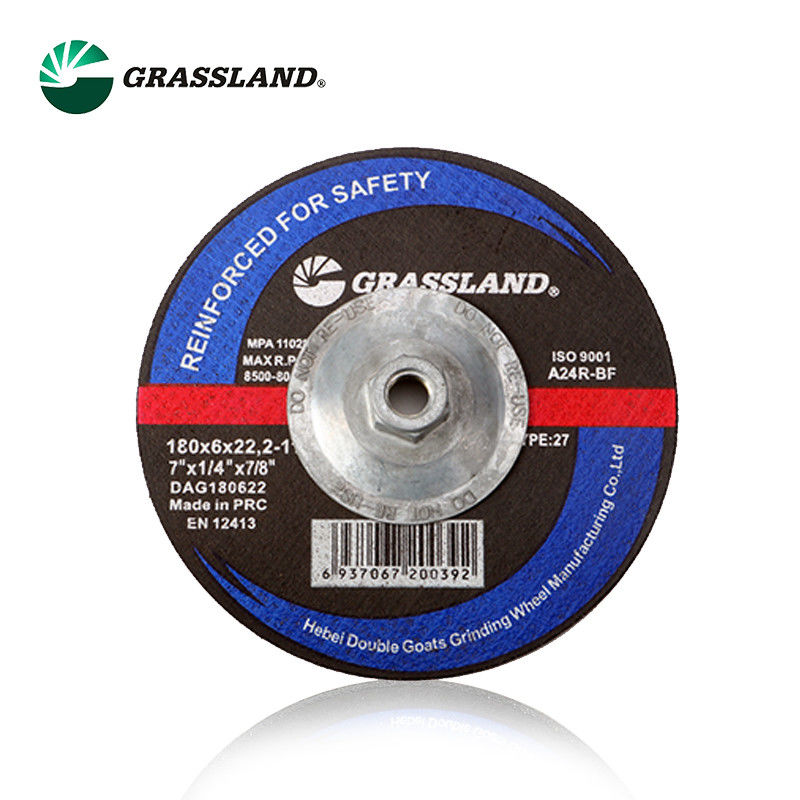
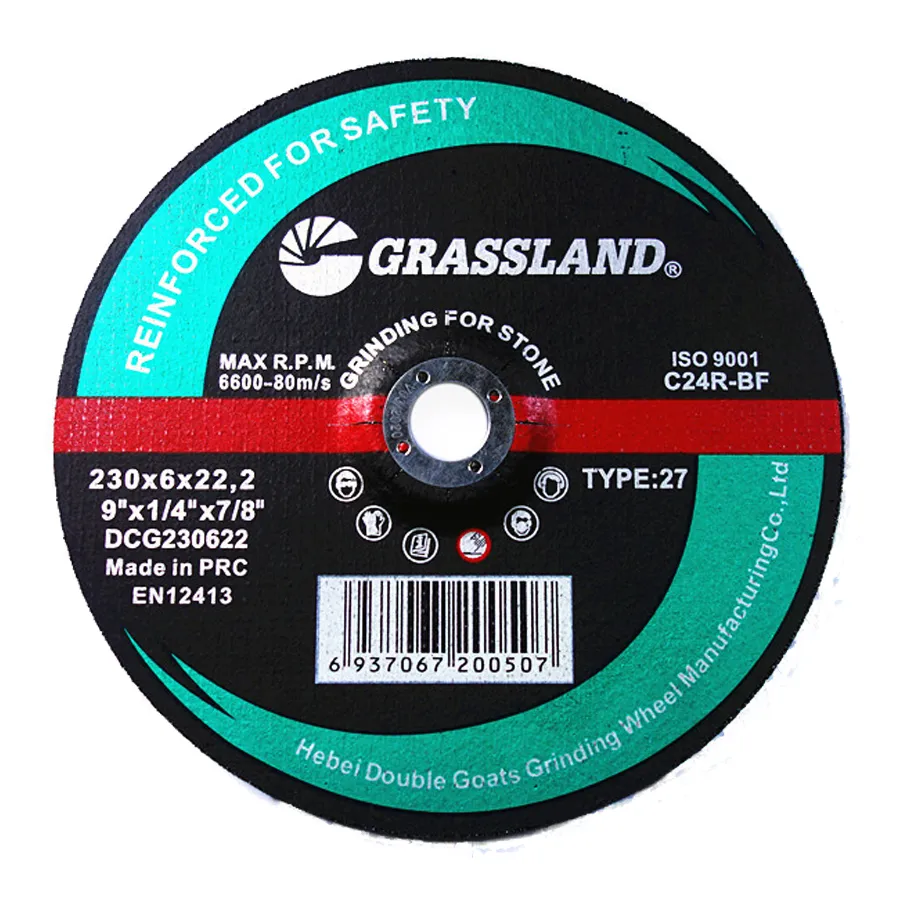
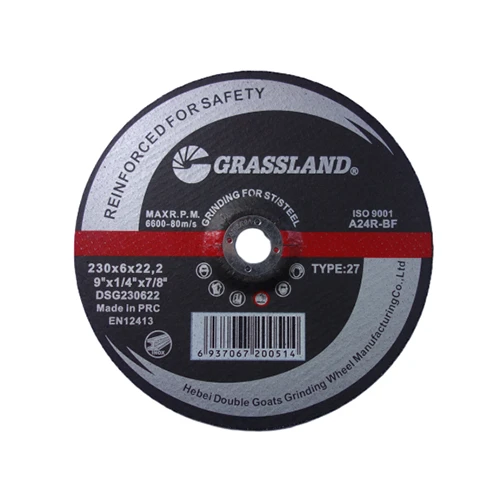
Having spent over two decades working closely with cutting and grinding tools in the industrial sector, I can tell you there’s something oddly satisfying about a well-engineered stone cutting disc. The 9 stone cutting disc has always been a favorite in my toolkit and those of my peers. Why? Because it balances durability with efficiency—key when you’re on a job site where downtime costs money.
Now, these discs might look deceptively simple: a flat, round abrasive compound rotating at insane speeds, yet their design and material composition are a marvel of industrial engineering. Over the years, I’ve noticed: the composition of the abrasive particles, the resin bonding, and the disc’s thickness all play a massive role in cutting performance and longevity.
Oddly enough, many newer operators underestimate just how much the specs matter. For instance, a 9-inch diameter isn’t random—it’s a sweet spot for a mixer of reach and maneuverability, especially for cutting medium-thickness stone slabs.
Breaking Down the Specs
| Specification | Detail |
|---|---|
| Diameter | 9 inches (230 mm) |
| Thickness | 3.0 mm – ideal for general stone cutting |
| Material Composition | Aluminum oxide abrasive with resin bond |
| Max RPM | 6,600 RPM |
| Compatibility | Fits most standard 9-inch angle grinders |
What I like best is that this size fits both heavier industrial cutters and the slightly smaller models used on-site. That versatility makes it easier to standarize your inventory. In fact, many engineers I've worked with have emphasized that stocking one reliable 9-inch disc can simplify their workflow considerably.
Vendor Comparison: Finding the Best 9-Inch Cutting Disc
| Brand | Abrasive Type | Max RPM | Price Range | Ideal For |
|---|---|---|---|---|
| Cutoff Pro | Aluminum Oxide | 6,600 RPM | $8–$10 | General stone and concrete cutting |
| StoneMaster | Silicon Carbide | 6,500 RPM | $9–$12 | Harder stone types, granite |
| IndustrialCut | Aluminum Oxide + Resin Blend | 6,700 RPM | $10–$13 | Heavy-duty, prolonged use |
Spoiler: no disc fits every use perfectly. For example, when I worked with a contractor installing ornate stone facades, his team swore by the Silicon Carbide discs for cleaner finishes on tougher materials, even though they cost a bit more. But for everyday stone cutting, that dependable aluminum oxide 9-inch disc usually does the trick.
In real terms, a solid disc reduces rework and speeds up the job because it wears evenly and cuts predictably. I once had an instance where a subpar disc shattered mid-job — not only a safety risk but lost time to replace parts. It’s the kind of thing you never want to experience on a deadline.
For those wondering about customization, it’s worth noting a growing trend toward “hybrid” abrasive bonds that combine several materials to balance speed, life, and finish quality. They aren’t cheap, but they prove their value quickly in high-intensity environments.
Oh, before I forget, the 9-inch format also sits nicely between the heavier 14-inch discs and the smaller 4.5-inch versions, so it’s kind of the Goldilocks size for most jobs. When I first started, we mostly relied on 14-inch discs for major cuts, but the need for precision and control led me—and many others—to appreciate what the 9-inch discs bring to the table.
So, whether you’re a DIY professional or a seasoned contractor, the right 9 stone cutting disc can make all the difference. If you're shopping around, focus on matching your project's material to the abrasive type and checking the disc’s RPM rating to your grinder's specs. Safety first, always.
In closing, I’d say: don’t overlook the humble cutting disc. These small yet tough discs cut through stone—and sometimes, metaphorically speaking, through the complexity of your project challenges.
References:
1. Manufacturing specifications from CutoffDiscs.com
2. Personal field experience, industrial equipment maintenance logs
3. Industry forums: stone cutting best practices, 2023
Post time:Dec - 11 - 2025