Understanding the Metal Cutter Disk: A Global Industrial Essential
When you think about cutting through tough metals—whether in construction, manufacturing, or emergency relief—one seemingly simple tool quietly does the job: the metal cutter disk. It might sound niche, but this little disc packs a punch across global industries, helping craft everything from skyscrapers to surgical instruments, or dismantle debris in disaster zones. Understanding what a metal cutter disk is and why it matters isn't just technical trivia; it’s about appreciating a tool that underpins much of the world’s infrastructure and innovation.
Introduction: Why the Metal Cutter Disk Matters Globally
Globally, metal production hit about 2 billion metric tons in recent years, according to the International Stainless Steel Forum. With such massive output, the devices that shape and cut those metals directly impact efficiency, safety, and sustainability in countless industries. Whether it's a factory in Germany or a shipyard in South Korea, metal cutter disks serve as the precise, reliable link between raw metal and finished product. Yet, challenges like safety risks, energy consumption, and disk wear remain persistent.
Oddly enough, while these disks seem straightforward, improvements in their design can create ripple effects—cutting costs, lowering emissions, and raising productivity. That's why the metal cutter disk deserves a closer look.
What Is a Metal Cutter Disk?
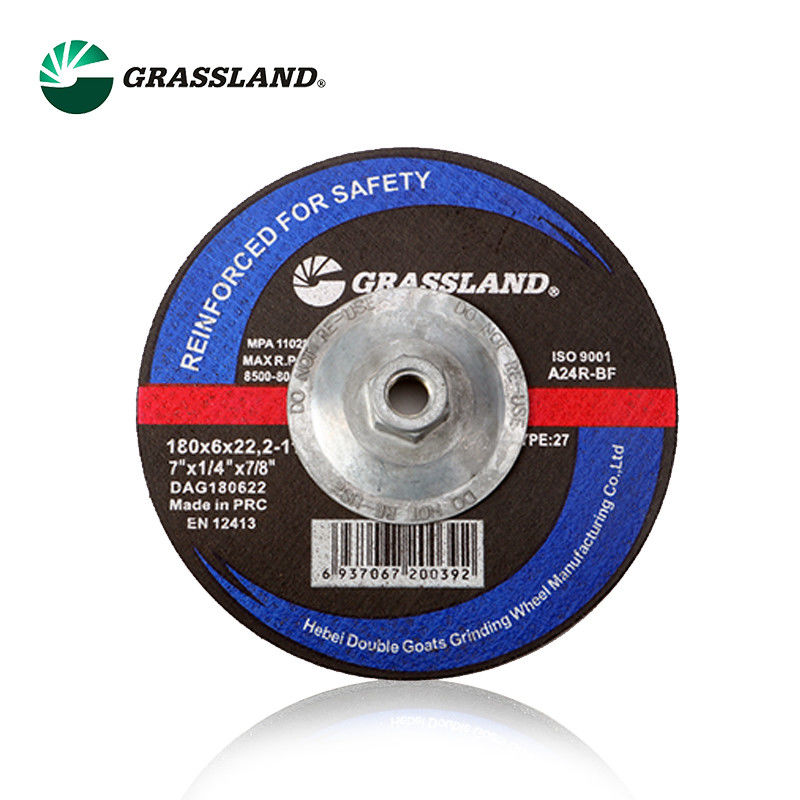
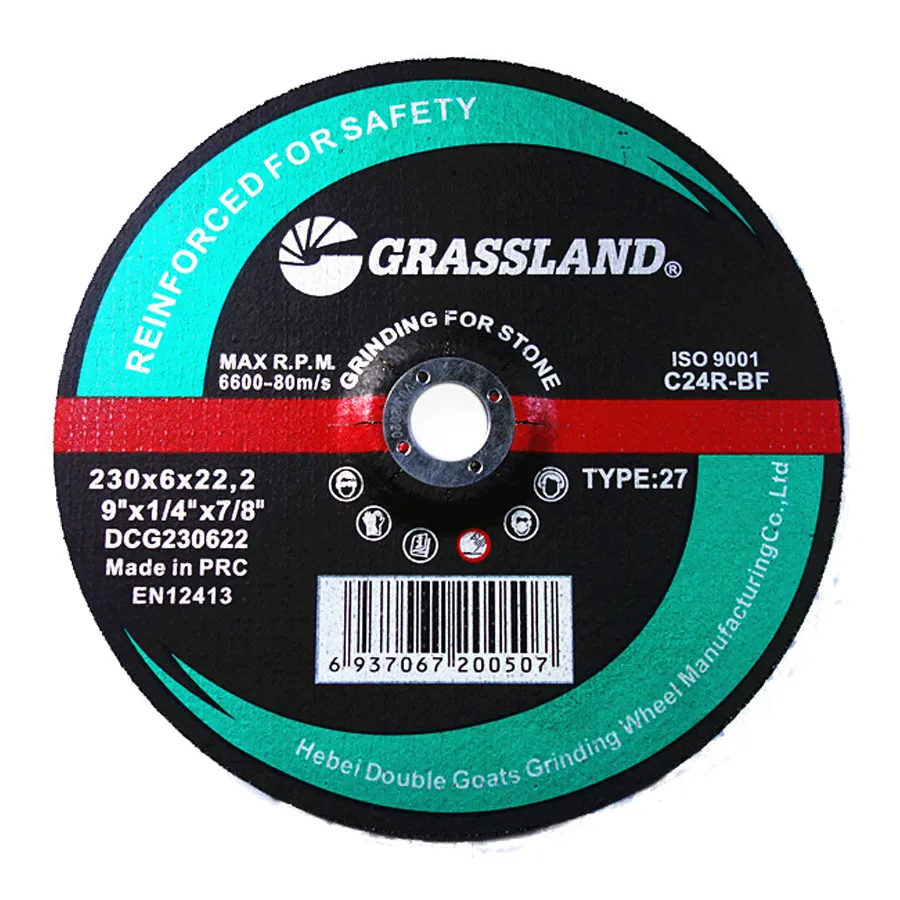
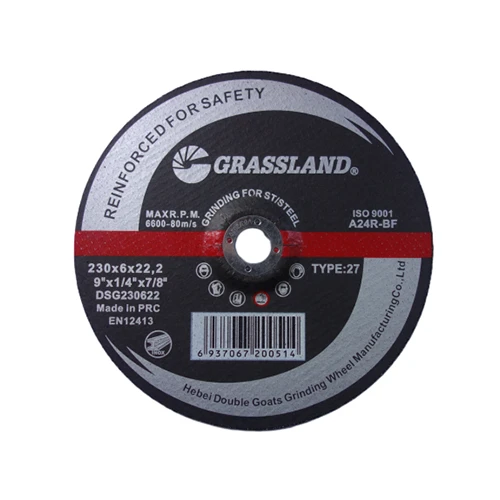
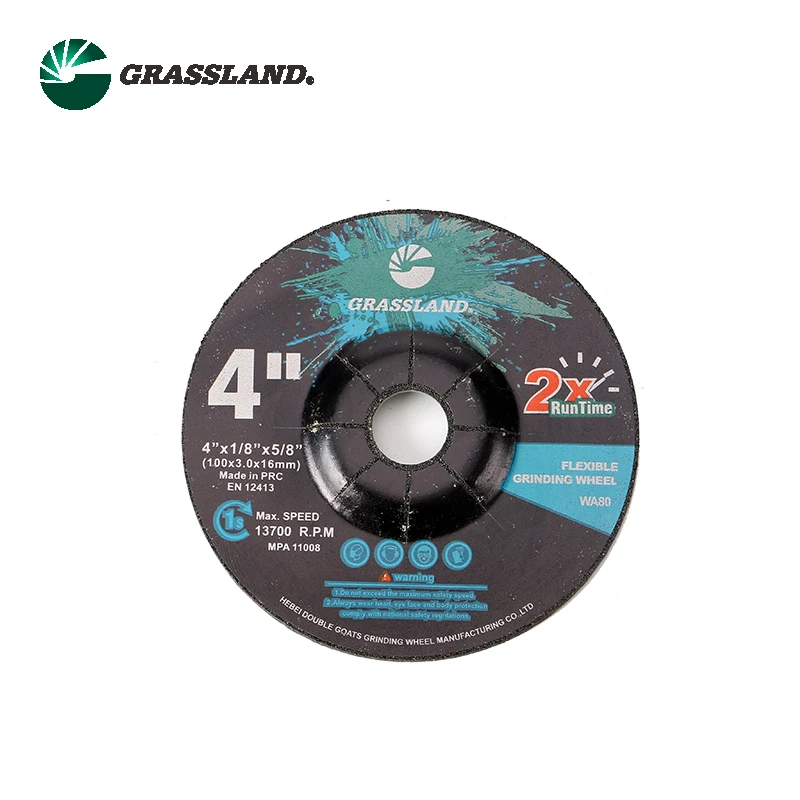
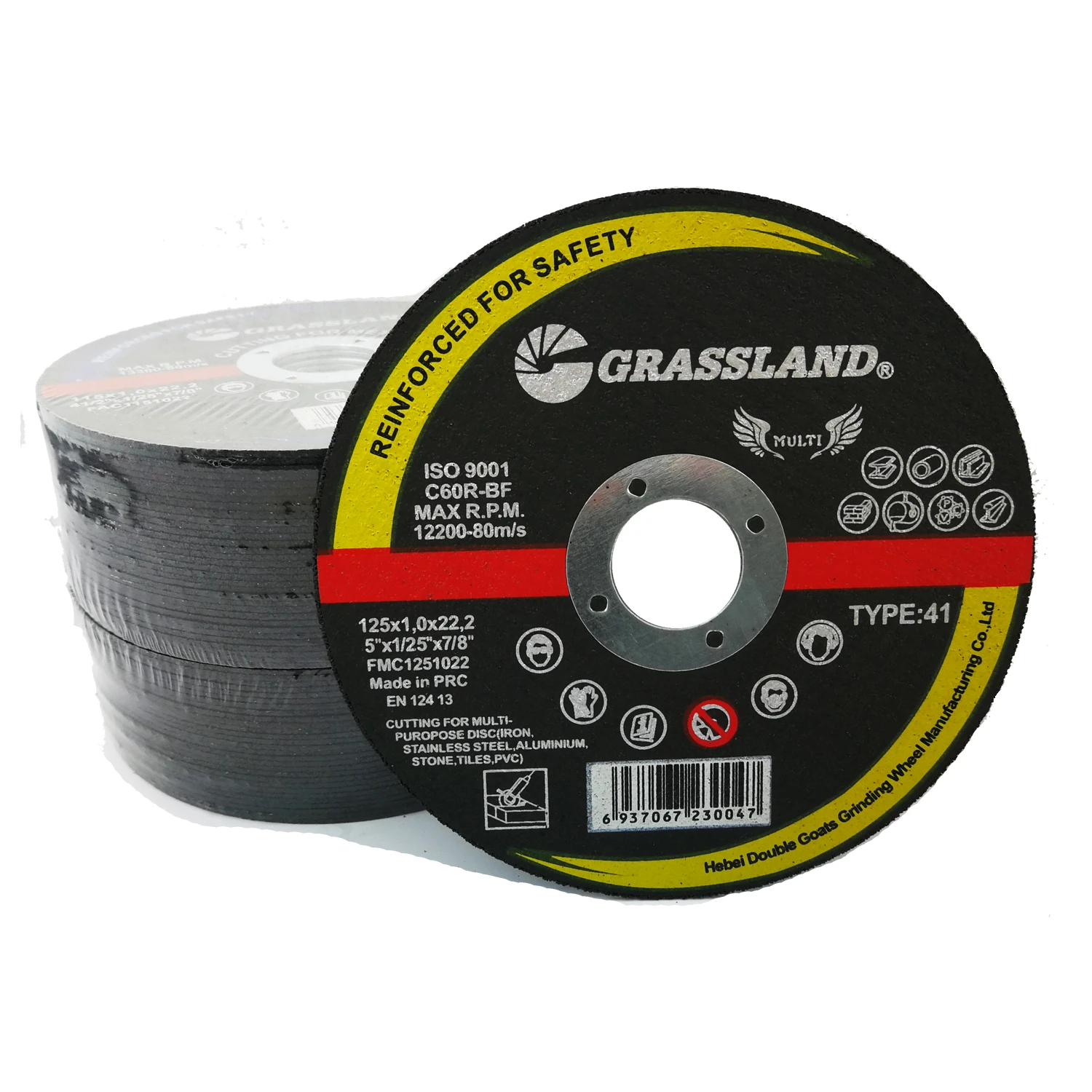
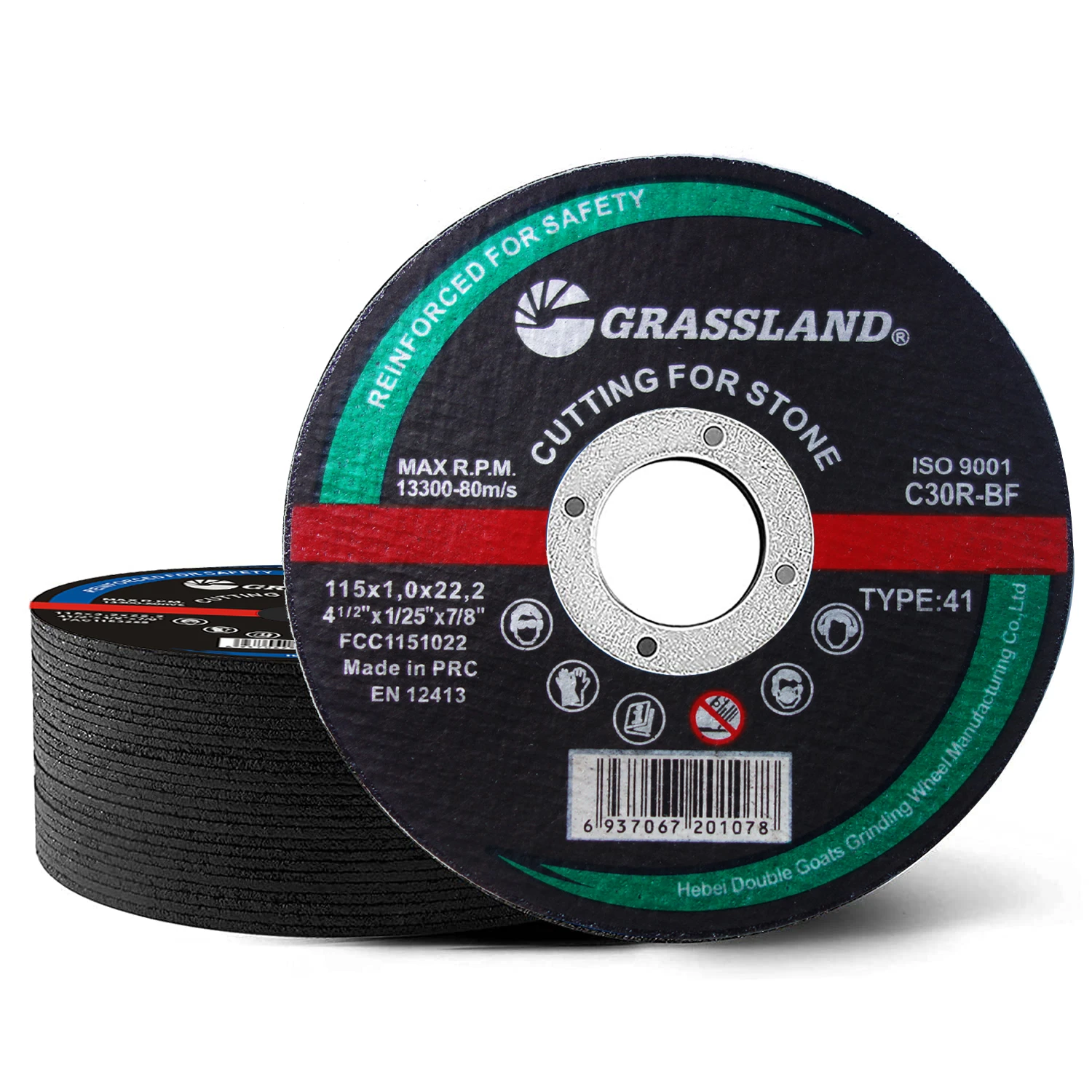
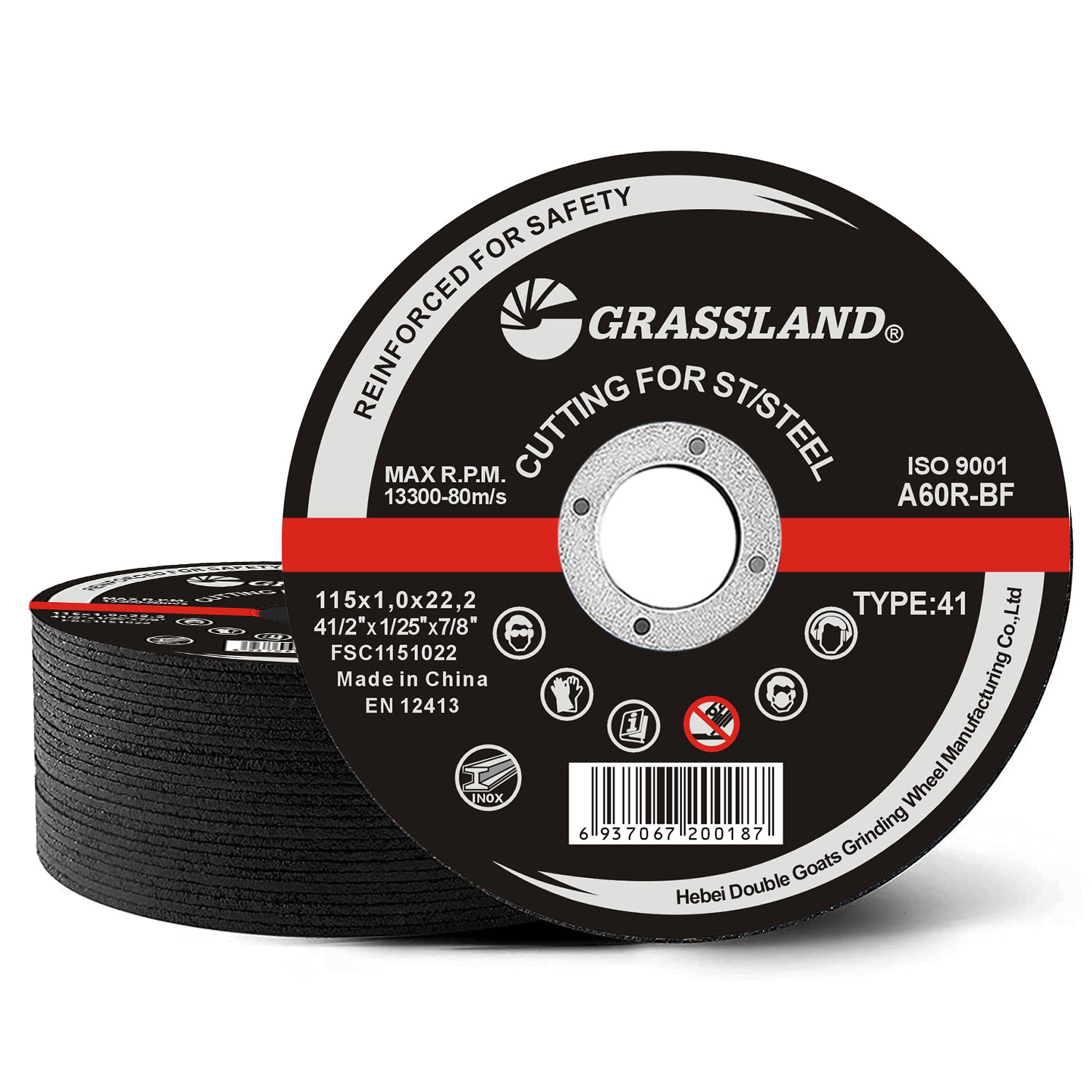
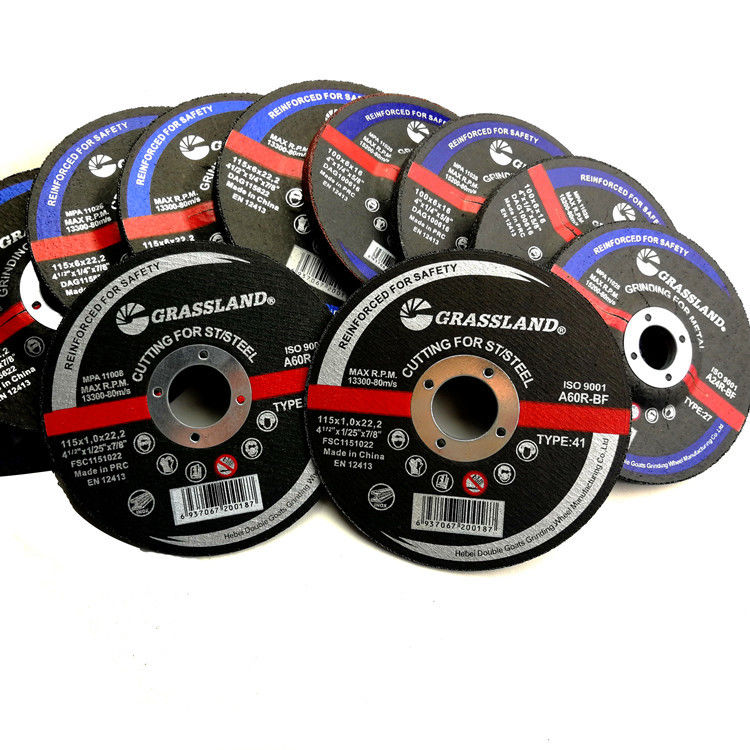
At its core, a metal cutter disk is a circular, abrasive tool designed specifically to slice through metal materials. Usually mounted on angle grinders or cutting machines, these disks spin at high speeds to grind, cut, or polish surfaces. Made from composite materials like aluminum oxide or silicon carbide bonded together with resin, they’re engineered to balance durability with cutting power.
Their relevance extends beyond factories; humanitarian organizations often rely on portable metal cutting tools for clearing rubble after natural disasters, highlighting a gripping blend of industrial efficiency and real human impact.
Key Components and Considerations When Choosing a Metal Cutter Disk
1. Durability & Material Composition
The disk’s lifespan depends on abrasive grain type and bonding resin. Aluminum oxide is common for cutting ferrous metals, while silicon carbide suits non-ferrous metals and ceramics. Resin bonding ensures disks withstand high operational stress.
2. Thickness and Diameter
Thickness affects cutting speed and finish — thinner disks offer faster, cleaner cuts but wear out faster. Common diameters range from 4.5 inches (115 mm) for handheld grinders to much larger sizes for industrial saws.
3. Speed Rating and Safety
Each disk is rated for a maximum rotational speed (RPM). Exceeding this can cause dangerous breakage. Therefore, matching disk specs with tool capabilities is essential for safety and performance.
4. Cost Efficiency
Price is always a factor, but cheaper disks might compromise on durability or cut quality, leading to more frequent replacements and downtime, which in real terms costs more.
5. Compatibility and Versatility
Many disks are designed for specific metals or applications—be it stainless steel, aluminum, or mixed alloys. Choosing the right disk reduces waste and improves outcomes.
Typical Product Specifications for a Metal Cutter Disk
| Specification | Example Value |
|---|---|
| Diameter | 4.5 inches (115 mm) |
| Thickness | 1.0 mm |
| Material Abrasive | Aluminum Oxide |
| Max Speed | 13,300 RPM |
| Bonding Agent | Phenolic Resin |
How Metal Cutter Disks Are Used Globally
This tool’s versatility spans:
- Construction & Fabrication: Cutting steel beams, rebar, and structural components.
- Automotive Repair & Manufacturing: Trimming metal sheets and parts with precision.
- Shipbuilding: Shaping thick hull plates or dismantling outdated vessels.
- Disaster Relief: NGOs and emergency responders use handheld cutters to clear debris quickly.
For instance, relief teams in earthquake zones often deploy handheld grinders fitted with metal cutter disks to carve pathways amid collapsed structures. They’re compact yet strong enough to slice rebar and steel girders, making a life-saving difference.
In manufacturing hubs like China and Germany, high-volume grinding tables rotate dozens of these disks, cutting metal parts that become everything from appliances to aircraft.
Advantages & Enduring Value
Investing in quality metal cutter disks pays off with:
- Cost Savings: Fewer replacements and faster cuts translate to lower operational expenses.
- Safety: Reliable disks reduce risk of shattering—a common hazard in metalworking.
- Sustainability: Efficient disks consume less energy and produce less waste dust.
- Precision & Quality: A sharper clean cut improves product fitting and structural integrity.
- Social Impact: Essential for humanitarian tasks, preserving safety and dignity in disaster zones.
It’s not just about cutting metal — it’s about cutting through complexity and cost while enhancing trust in tools everyone depends on.
Future Trends: What’s Next for Metal Cutter Disks?
Innovations in abrasive technology hint at greener, smarter disks. Nanomaterials and hybrid composites promise higher durability and faster cuts with less environmental footprint. Automation is also creeping in. Imagine disks embedded with sensors to monitor wear in real-time, alerting operators before failure. Plus, digital supply chains ensure speedy replacements, avoiding downtime.
Standardization efforts, like ISO 12413 for bonded abrasive products, keep evolving to help global manufacturers maintain safety and performance benchmarks. With climate-conscious policies, we might soon see disks made with recycled materials or biodegradable resins.
Challenges & How Experts Address Them
If only disks lasted forever—but no, even the best wear out or chip. Users face safety risks from disk failure, and compatibility issues with new metal alloys. Plus, counterfeit or below-standard disks flood the market, putting people and projects at risk.
Experts recommend buying from reputable vendors and constantly training operators in proper use. Some manufacturers now offer reinforced disks or training programs, which go a long way to minimize accidents. Also, ongoing R&D in abrasive technology strives to extend disk life and expand compatibility with harder metals.
Metal Cutter Disk Vendor Comparison
| Vendor | Disk Durability | Price per Pack (10 disks) | Safety Certifications | Customer Support |
|---|---|---|---|---|
| CutPro Abrasives | High (up to 50 cuts per disk) | $120 | ISO 9001, OSHA Approved | 24/7 hotline and online chat |
| Metallix Tools | Medium (30 cuts per disk) | $95 | CE Mark, REACH Compliant | Email support only |
| SteelSharp Co. | Premium (70+ cuts per disk) | $180 | ISO 14001, OSHA Approved | Dedicated account managers |
FAQ: Frequently Asked Questions About Metal Cutter Disks
- How do I choose the right metal cutter disk for my project?
- Consider the metal type you’ll cut, disk diameter and thickness fitting your tool, and the recommended RPM. Check safety certifications and opt for quality abrasives like aluminum oxide for ferrous metals.
- What safety precautions should I take when using a metal cutter disk?
- Always wear protective gear—face shields, gloves, and hearing protection. Ensure the disk matches your grinder’s speed rating and inspect it for cracks before use.
- Can metal cutter disks be recycled or disposed of safely?
- Many disks are non-recyclable due to abrasive composites but check with local regulations. Used disks should be disposed of as industrial waste or returned to manufacturers if take-back programs exist.
- How long does a typical metal cutter disk last?
- The lifespan varies by use, disk quality, and metal type. On average, a quality disk can perform 30-50 cuts before replacement.
- Are cheaper disks worth the cost savings?
- Often, no. Lower quality disks may wear faster and pose greater safety risks, which can lead to unexpected costs and downtime. Investing in trusted brands usually pays off in the long run.
Conclusion: Why Investing in Quality Metal Cutter Disks is Smart
In real terms, the metal cutter disk is a behind-the-scenes hero across industries worldwide. Reliable, efficient cutting tools reduce waste and hazards while boosting productivity and safety. Whether you’re running a manufacturing line or clearing debris after a cyclone, these disks matter. So next time you see a gleaming metal edge or a neatly cut component, remember the humble blade that made it possible.
For quality metal cutter disks, expert advice, and reliable products, visit CutOffDiscs.com—your hub for industrial cutting solutions.
Mini takeaway: The metal cutter disk might be small, but its impact spans global infrastructure, safety, and innovation.
References:
1. International Stainless Steel Forum – Stainless Steel World Production Report
2. ISO 12413 – Safety Requirements for Abrasive Wheels
3. OSHA Guidelines for Abrasive Wheel Safety
Post time:Dec - 02 - 2025