What Is a Disco Metálico Para Corte de Metal, and Why It Matters
If you've ever watched metalworkers in their element or had a peek inside a heavy fabrication workshop, you may have noticed those fast-spinning discs cutting through sheets and bars of metal. That's basically what a disco metálico para corte de metal is — a metal cutting disc designed to slice through tough materials with precision and speed. But it’s not just some industrial tool hidden behind workshop walls; understanding these discs has global implications, especially as infrastructure, manufacturing, and emergency repairs keep industrial economies moving.
In a nutshell, knowing about these cutting discs helps ensure workers’ safety, optimizes cutting efficiency, reduces wastage, and supports industries scaling up metal processing. Plus, where steel and alloys reign — from skyscrapers to bridges to even humanitarian structures — these discs become indispensable. So yeah, this little tool plays a pretty big role behind the scenes.
The Global Spotlight on Disco Metálico Para Corte de Metal
The demand for metals and metal fabrication keeps climbing worldwide. According to the World Steel Association, global steel production topped 1.9 billion tonnes in recent years. And you better believe cutting and shaping that steel efficiently depends a lot on those trusty metal cutting discs — or discos metálicos para corte de metal.
Industries from automotive manufacturing in Germany to construction in China, from oil & gas maintenance in the Middle East to DIY workshops in Latin America, all rely on these discs. Oddly enough, one of the biggest challenges they help solve is time — downtime for cutting operations can mean huge losses or safety risks, particularly in emergency repairs.
ISO standards regulate the manufacturing and safety specifications of these cutting discs (ISO 603-1:2016, for example), highlighting their global industrial importance. So when you see one on a workbench, you’re literally looking at a small, engineered miracle designed to improve process reliability worldwide.
What Exactly Is a Disco Metálico Para Corte de Metal?
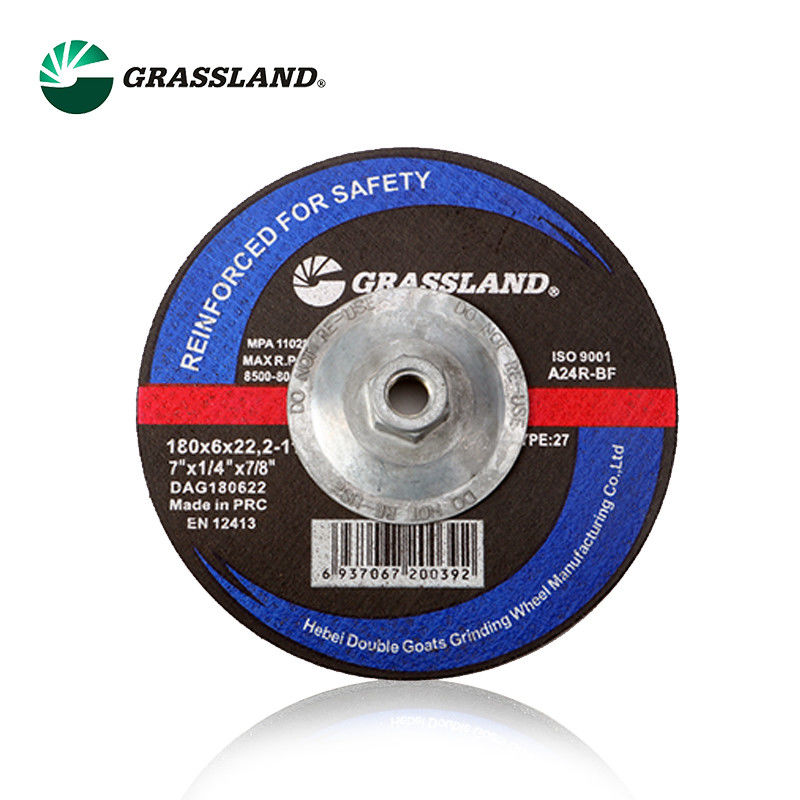
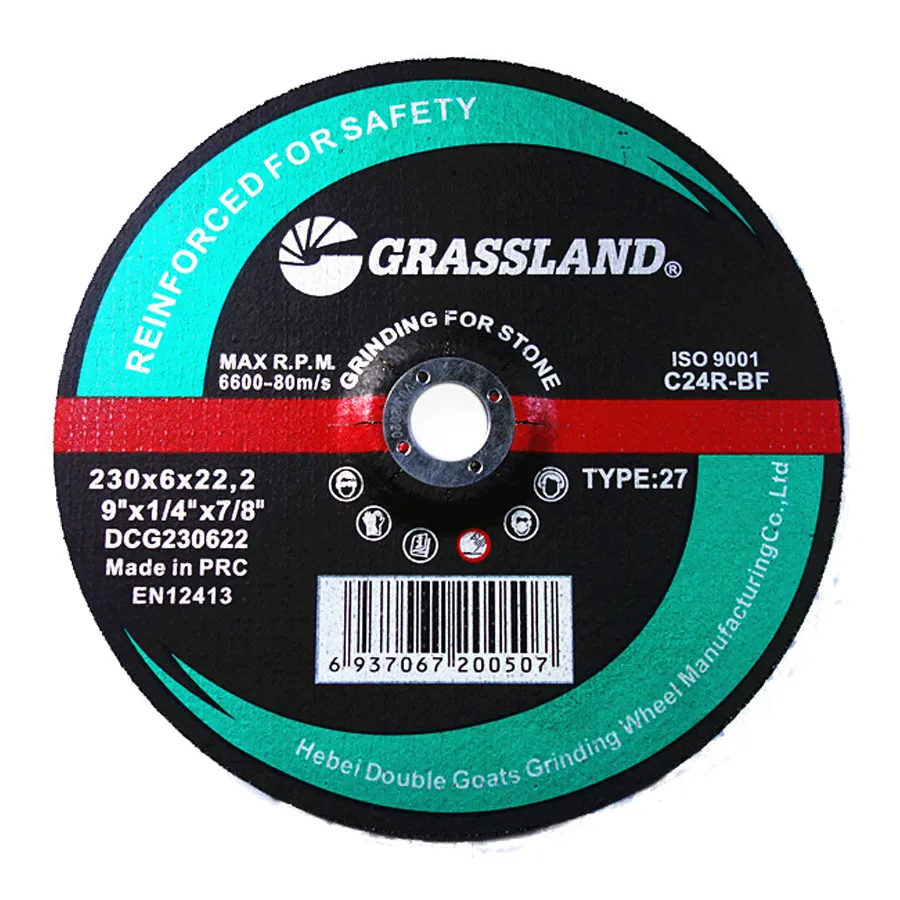
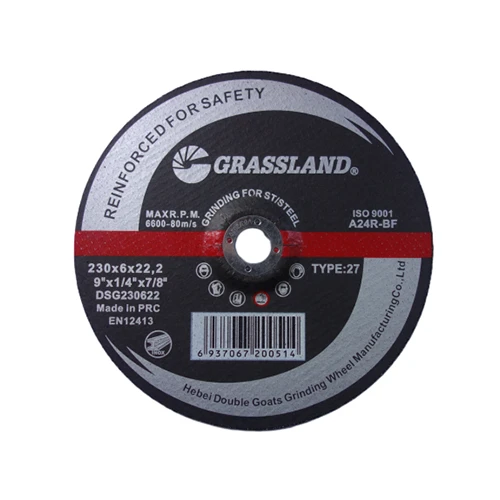
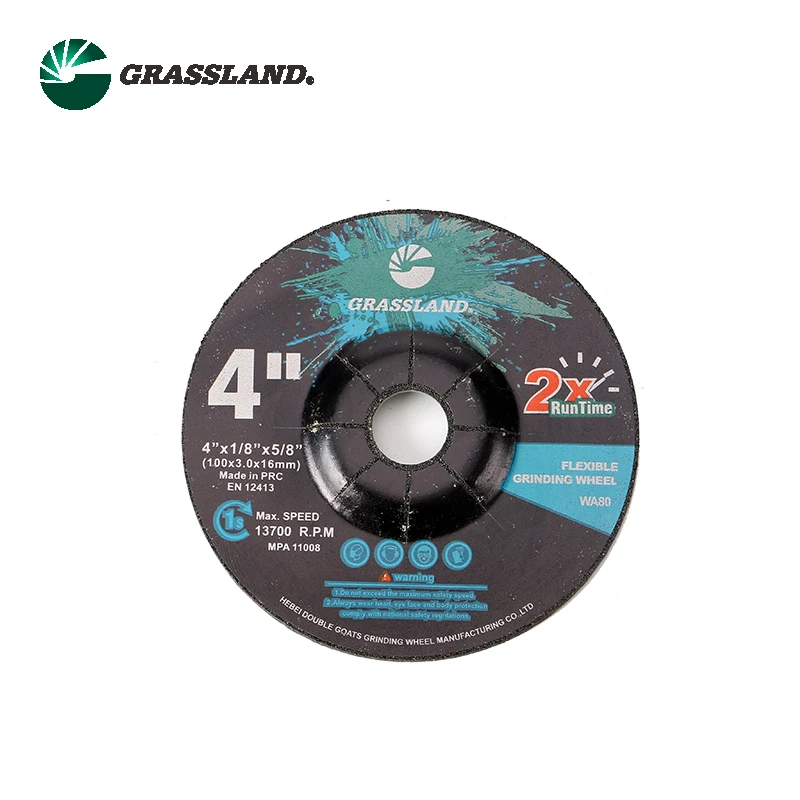
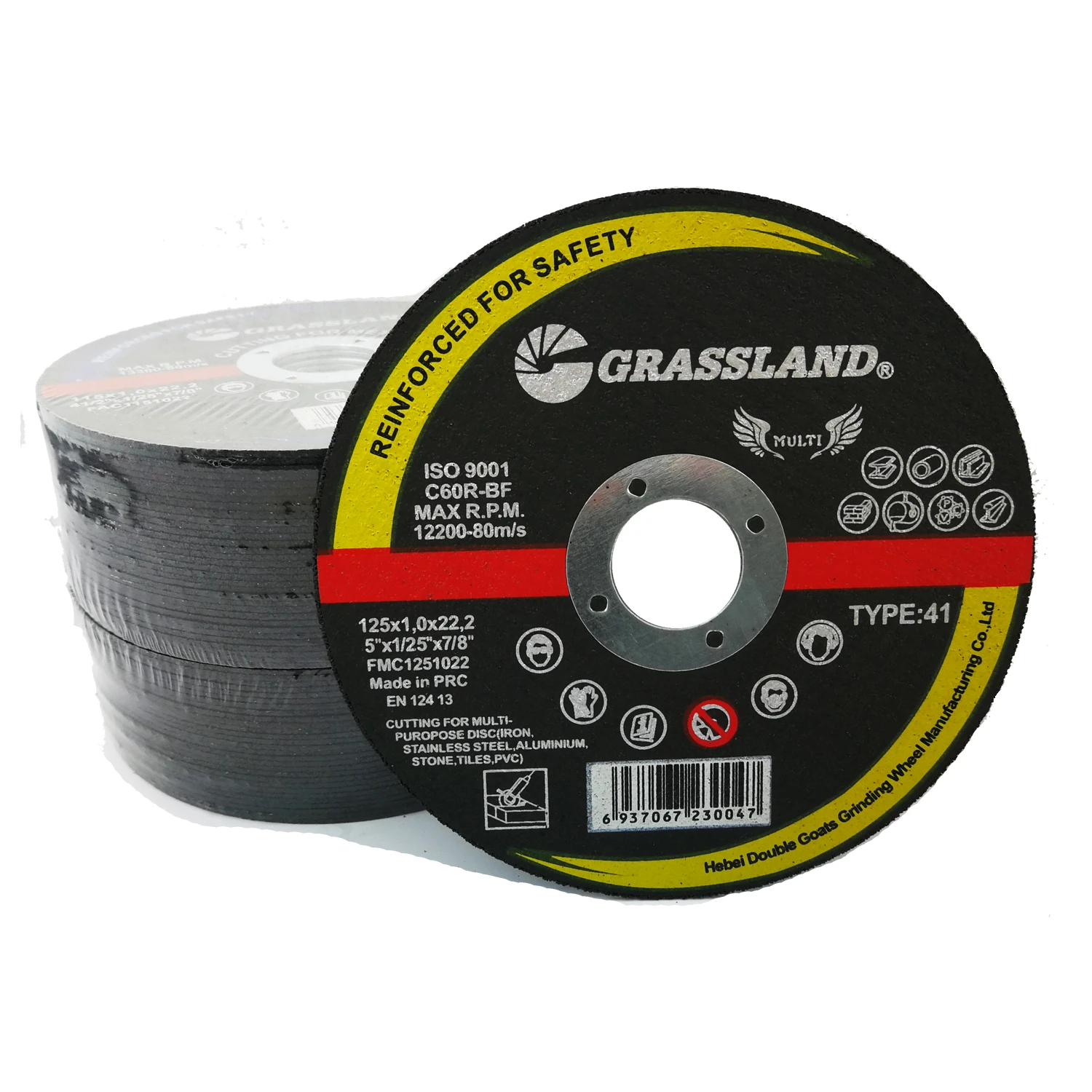
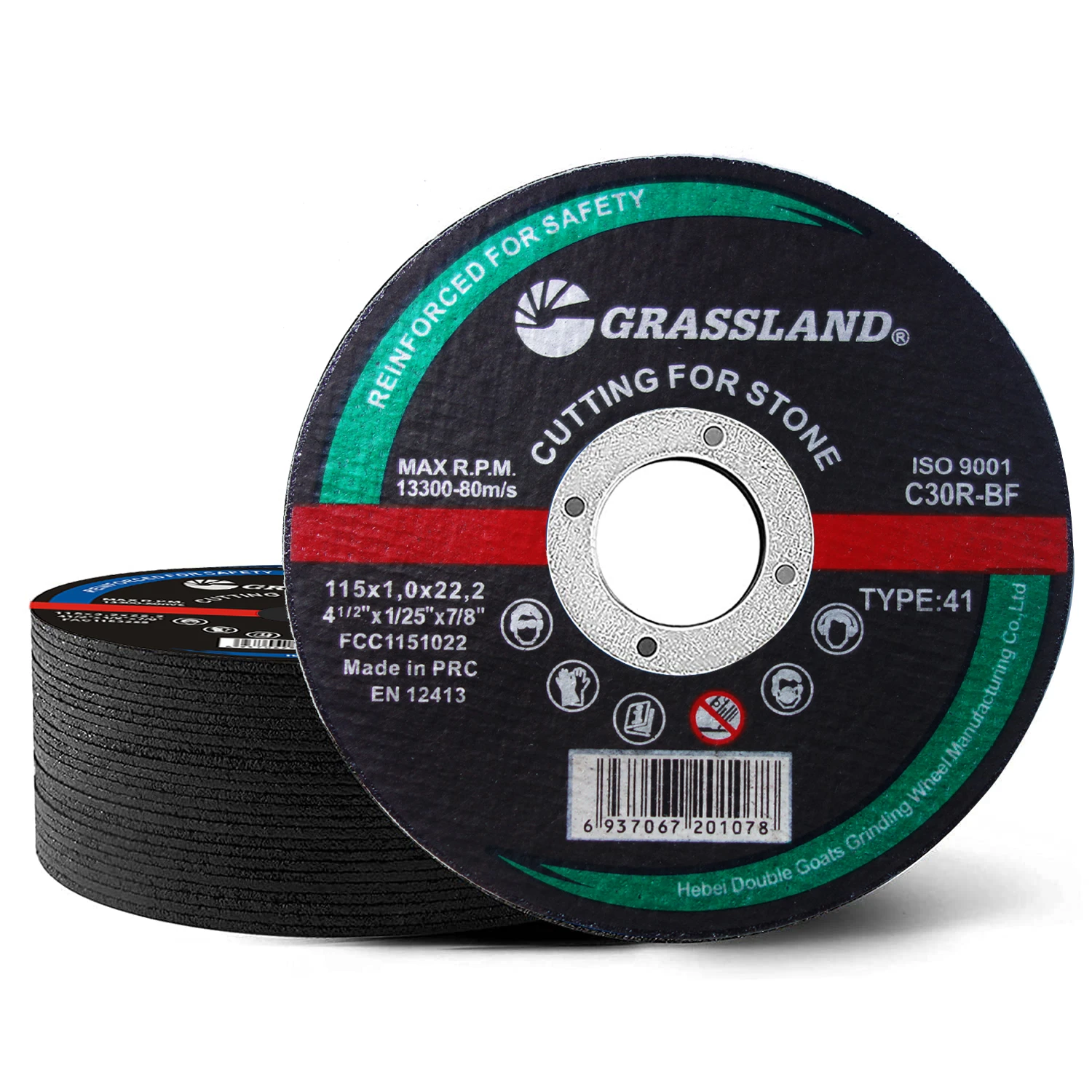
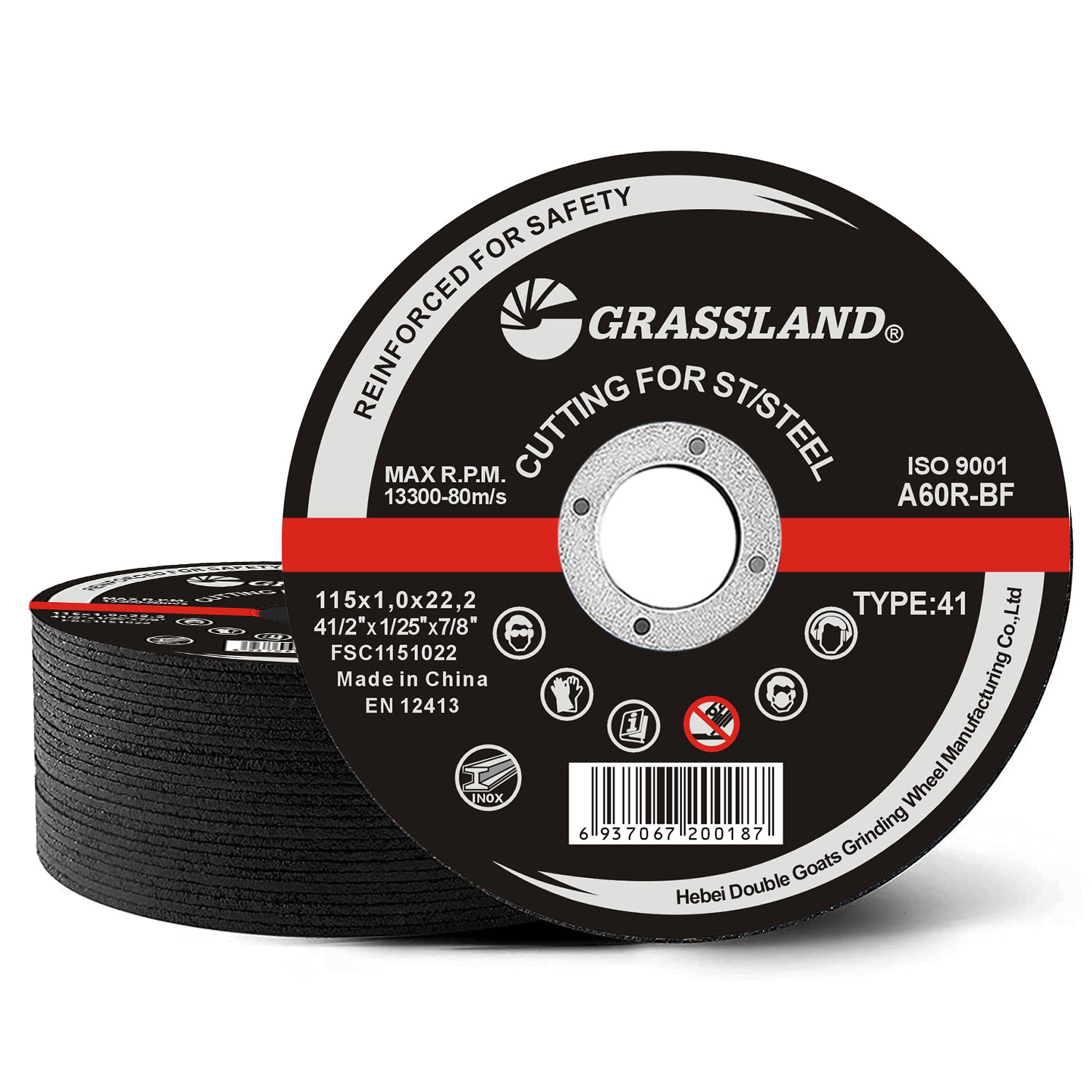
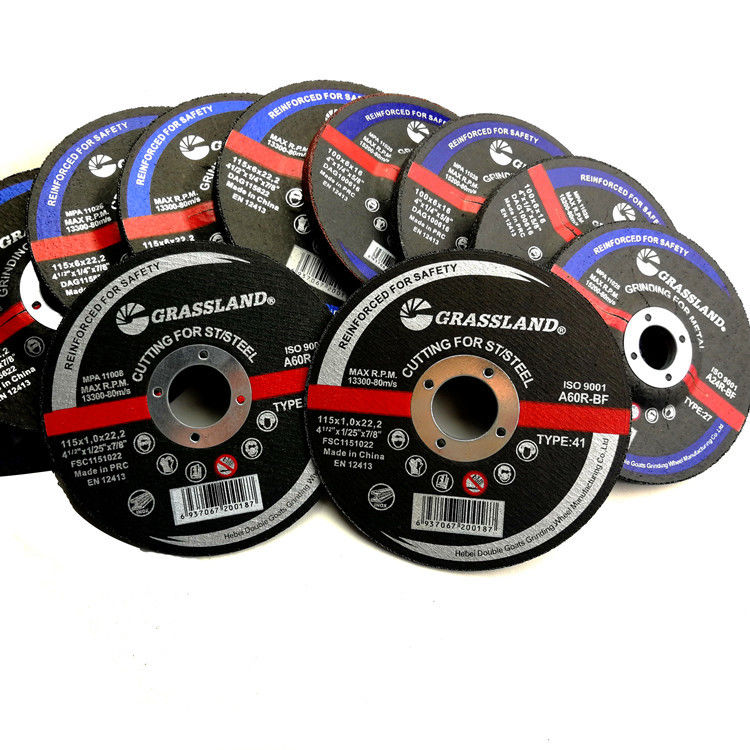
Put simply, a disco metálico para corte de metal is a thin, circular abrasive or composite disc used on power tools (like angle grinders or cutoff saws) to cut through metals. These discs are often made from materials like aluminium oxide, zirconia alumina, or silicon carbide, bonded with resin to create a rigid but sharp edge that spins at high speeds to slice metals.
They come in various sizes, thicknesses, and compositions, suited to different metals, from mild steel to stainless steel and even some alloys. You slap one on your grinder, align it to the metal piece, and voila — clean, fast cuts.
These discs matter beyond factories, too. In humanitarian or disaster scenarios, for example, rapid metal cutting can mean faster clearing of debris or the making of emergency shelters. That intersection of technology and real-world impact is why these discs carry more weight than just their size suggests.
Core Components That Make Metal Cutting Discs Work
Durability
These discs flag durability above all. The bonding resin and abrasive must withstand intense heat, pressure, and friction without crumbling or warping. Discs that fail durability tests can cause dangerous accidents or poor cuts, so manufacturers invest heavily in quality control.
Cutting Speed & Precision
Spinning at high RPMs, the disc’s design maximizes aggressiveness (cut speed) and stability (control). You want speed to reduce labor time but precision to prevent material wastage.
Safety Features
Modern cutting discs often include reinforcements like fiberglass mesh, helping prevent shatter incidents. Proper labeling for max speed ratings and safety instructions are non-negotiable.
Material Compatibility
Not every disc fits all metals. Some discs specialize in mild steel, while others tackle stainless steel or even non-ferrous metals. Matching disc type to metal type optimizes cutting performance.
Size and Thickness
Size mostly depends on the power tool; thickness impacts cut depth and disc lifespan. Thinner discs make finer cuts but may wear out faster.
| Specification | Value / Range | Notes |
|---|---|---|
| Diameter | 100-230 mm (4-9 inches) | Depends on grinder type |
| Thickness | 1 mm to 3 mm | Thinner for precise cuts |
| Max RPM rating | 13,300 - 15,300 RPM | Must match power tool speed |
| Material | Aluminium oxide, zirconia alumina | Abrasive quality varies |
| Reinforcement | Fiberglass mesh | Safety against shattering |
Global Applications: Where and How These Discs Cut Through the Noise
From the sprawling shipyards of South Korea to the energy infrastructure in the Gulf, discos metálicos para corte de metal are core tools. In construction zones, they facilitate quick modifications and essential cuts on-site. Industrial plants use them for regular maintenance and retrofitting.
Oddly enough, NGOs working in disaster-affected regions also depend on these discs for rapid debris clearing and custom fabrication of temporary shelters — a key humanitarian use case. In remote industrial zones, where access to comprehensive workshops is limited, having reliable cutting discs drastically reduces logistics challenges.
For those curious, you can even spot these discs in art fabrication or metal sculpture, prized for their precision.
Advantages & Long-Term Value of Using Quality Disco Metálico Para Corte de Metal
- Cost efficiency: Faster, cleaner cuts mean less wasted material and less labor time.
- Safety: Properly engineered discs minimize worksite accidents.
- Sustainability: Longer-lasting discs reduce waste; eco-conscious manufacturers now produce lower-emission versions.
- Reliability: Consistent performance reduces downtime.
- Social impact: In humanitarian sectors, rapid cutting saves lives and speeds shelter construction.
In real terms, using inferior cutting discs might save a few bucks initially but costs far more in safety incidents and work delays. Many engineers personally advocate for investing in trusted brands and well-reviewed products.
Looking Ahead: Innovations & Trends in Metal Cutting Discs
The future feels exciting. We're seeing discs that incorporate advanced composites for even longer life and reduced sparks. Some manufacturers are exploring digital integration, where discs come with QR codes linking to usage data and expiry alerts — sort of like “smart discs.”
Materials science advances aim for greener production methods, cutting down solvent use, and recycling spent discs. Plus, with automation and robotics in cutting applications rising, discs are being specially designed to pair well with machines capable of consistently precise cuts.
In short, the disco metálico para corte de metal sector is evolving fast, integrating digital tools and sustainability without losing the core focus on strength and reliability.
Challenges Faced and How to Tackle Them
Despite their advantages, metal cutting discs aren't perfect. Some of the common issues include:
- Wear and tear: Discs degrade over time, risking performance drops.
- Compatibility: Using the wrong disc for a metal can lead to poor cuts or safety hazards.
- Counterfeit products: Low-quality knock-offs flood some markets.
- Dust and spark hazards: Cutting metal creates particulates and sparks, requiring protective gear.
Experts advise strict adherence to usage guidelines, routine inspections, and only sourcing discs from reputable vendors. Innovative manufacturers offer end-user training or bundles with tool safety kits to mitigate risks.
| Vendor | Product Range | Price Range | Safety Certification | Special Features |
|---|---|---|---|---|
| Metabo | 100-230 mm discs, various abrasives | $$$ | EN 12413 certified | Reinforced for extra durability |
| 3M (Norton) | Wide range, including specialty discs | $$ | ISO 603-1 | Eco-friendly resin bonds |
| Tyrolit | Specialized high-performance discs | $$$$ | EN 12413 & OHSAS | Optimized for automated cutting |
FAQ: Your Top Questions on Disco Metálico Para Corte de Metal
Q: How do I pick the right disco metálico para corte de metal for my project?
A: Start by matching the disc size and thickness to your power tool and the metal you intend to cut. Check for speed ratings to ensure safety. If you’re finishing stainless steel, choose a disc designed for alloys. When in doubt, consult vendor specs or reach out to experts.
Q: Can I use one disco metálico to cut multiple metal types?
A: Generally, discs are designed for specific metals. Using a disc on the wrong metal can cause faster wear or poor cutting quality. For multipurpose needs, select discs labeled for “general steel” but expect shorter longevity.
Q: How long does a typical cutting disc last?
A: It varies heavily on usage intensity, disc quality, and metal hardness. Roughly, a disc might last from a few hours of continuous use to several days in intermittent applications. Always inspect discs regularly and replace at the first sign of damage.
Q: Are there eco-friendly options for disco metálico para corte de metal?
A: Yes, some vendors now offer discs made using less toxic resins, more recycled materials, and lower emissions in production. These are often marketed as “green” or “eco-friendly” cutting discs. They usually perform comparably to traditional discs.
Q: What's the best way to store metal cutting discs?
A: Store discs in a dry, flat place away from moisture and temperature extremes. Avoid dropping or stamping them, as cracks can be dangerous during use. Proper storage extends disc lifespan and safety.
Conclusion: A Cutting Edge That Slices Through Challenges
Looking back, the simple disco metálico para corte de metal is really a masterpiece of material engineering and industrial design. It balances speed, safety, and versatility in a tool that’s literally spinning through global industry, artisan crafts, and emergency setups every day.
For anyone working with metal — be it a pro fabricator or your local repair crew — the right cutting disc extends beyond tool efficiency. It’s about trust, safety, and best outcomes in whatever you're building or fixing. If you want to explore quality options or learn more, why not check out disco metalico para corte de metal and see what suits your needs?
At the end of the day, having the right cutting edge in your toolbox is not just practical — it’s empowering.
References:
1. World Steel Association
2. Wikipedia - Abrasive cutting
3. International Organization for Standardization (ISO) 603-1:2016 (specifications for bonded abrasive products)
Post time:Nov - 26 - 2025