Why Angle Grinder Sheet Metal Matters in a Fast-Paced World
If you've ever held a sheet of metal freshly cut and shaped by an angle grinder, you know there’s something satisfying about the precise edges and smooth finish. But beyond the workshop, angle grinder sheet metal is part of a much bigger story. Globally, industries from construction to manufacturing rely heavily on these versatile tools and materials. The ability to cut, shape, and finish metal sheets quickly and efficiently keeps entire supply chains humming, infrastructure expanding, and innovation alive. It’s not just about sparks flying or grinding discs spinning – it’s about sustaining economies, empowering workers, and supporting humanitarian efforts where swift metal fabrication is essential.
Understanding angle grinder sheet metal means understanding a slice of industrial progress that touches your daily life, whether in bridges, cars, appliances, or even in emergency shelters after natural disasters.
The Global Context: Why Angle Grinder Sheet Metal Is More Relevant Than Ever
Take a moment to consider this: According to ISO standards, over 70% of metal fabrication worldwide involves sheet metal processing. The World Bank reports that infrastructure spending is hitting new highs in emerging markets, where faster, cost-effective metal shaping is key. And with climate change forcing rapid reconstruction in disaster zones, the demand for quickly adaptable sheet metal solutions has never been greater.
But here’s the catch – metal sheet fabrication can be energy-intensive and requires skill. Angle grinders simplify this but also pose challenges around safety, precision, and environmental impact. That’s where evolving tools and techniques have stepped in, reshaping how we think about angle grinder sheet metal.
Mini Takeaway:
- Sheet metal work underpins vital global industries.
- Angle grinders enable timely interventions in both industrial and humanitarian contexts.
- Addressing safety and sustainability challenges is crucial going forward.
What Exactly Is Angle Grinder Sheet Metal?
Put simply, angle grinder sheet metal refers to the use of angle grinders — handheld power tools with a spinning disc — to cut, grind, polish, or shape thin, flat pieces of metal known as sheet metal. Sheet metal itself ranges from thin foils to thicker plates, used everywhere from automotive panels to HVAC ducts.
The beauty lies in the angle grinder's flexibility: swap out discs to slice, smooth, or buff, making it indispensable on most industrial floors. In modern industry, this translates to rapid customization, easy modifications on-site, and reduced dependency on large-scale fabrication setups. Oddly enough, NGOs and construction firms in remote regions also swear by angle grinders for their reliability and portability to handle sheet metal tasks where infrastructure is limited.
Core Components of Effective Angle Grinder Sheet Metal Work
1. Durability of Tools and Metals
Working with metal is rough and tough, so tools must withstand heavy wear. High-grade angle grinders paired with quality sheet metals deliver consistent, reliable results without frequent replacements.
2. Precision and Control
Even a slight slip can ruin a cut or cause safety hazards. Ergonomic angle grinders with adjustable speed and good grip improve operator control — crucial for detailed sheet metal work.
3. Cost Efficiency
In industries driven by margins, saving time and materials is vital. Angle grinder sheet metal processing is often faster and less resource-intensive than mechanical stamping or laser cutting when flexibility is key.
4. Safety Measures
Grinding metal sheets throws sparks and tiny shards into the air. Protective shields, proper discs, and operator training reduce injuries and improve workplace safety standards.
5. Adaptability to Various Metal Types
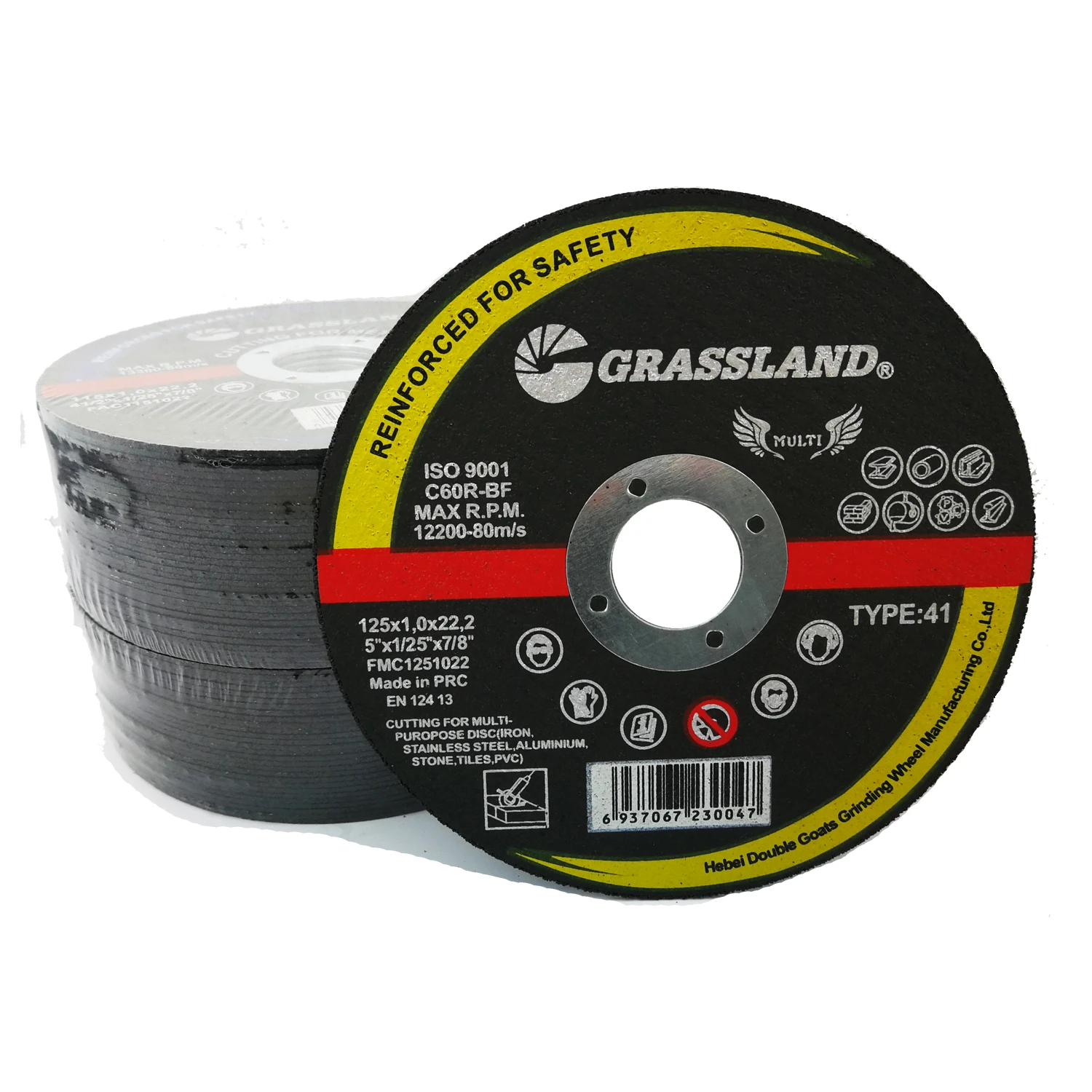
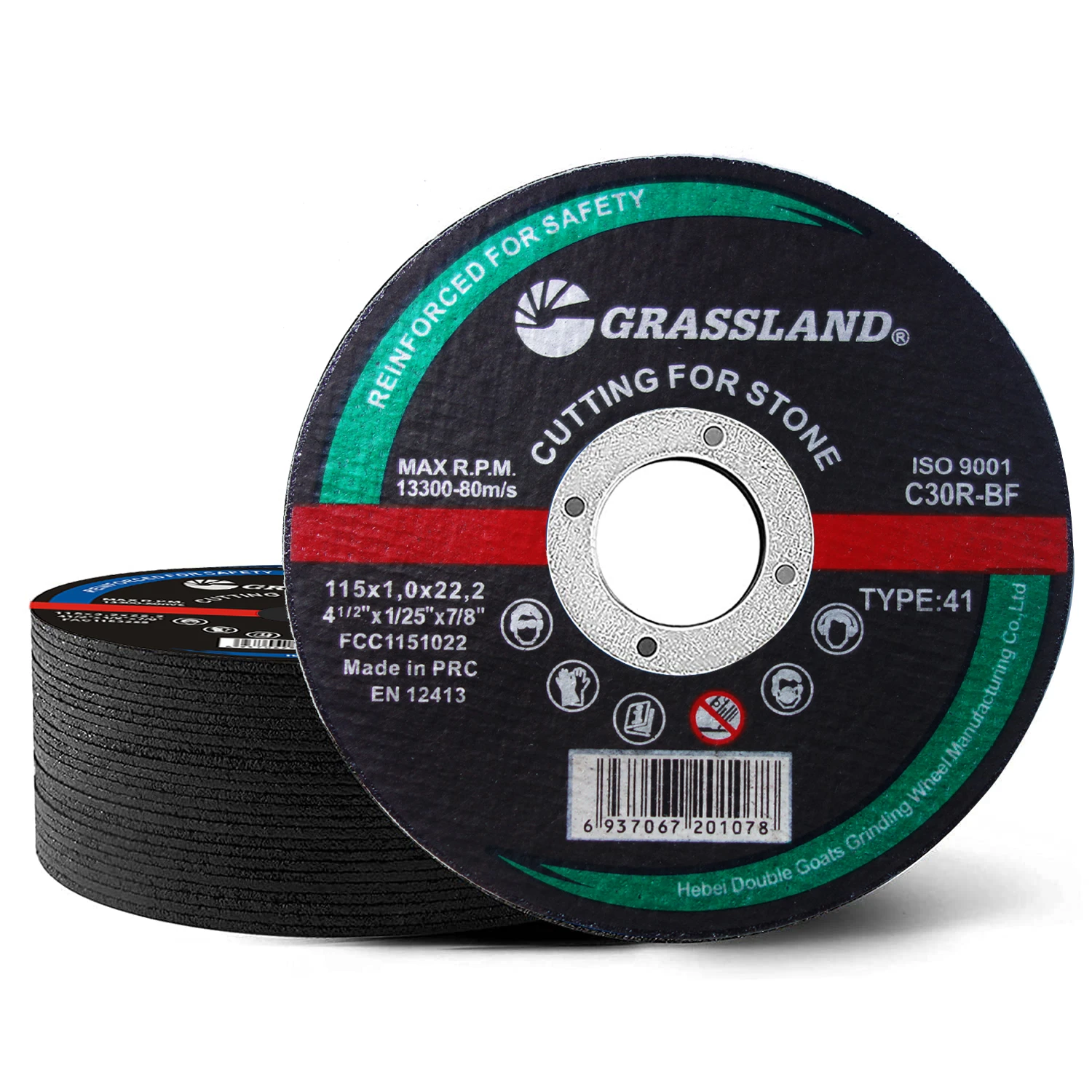
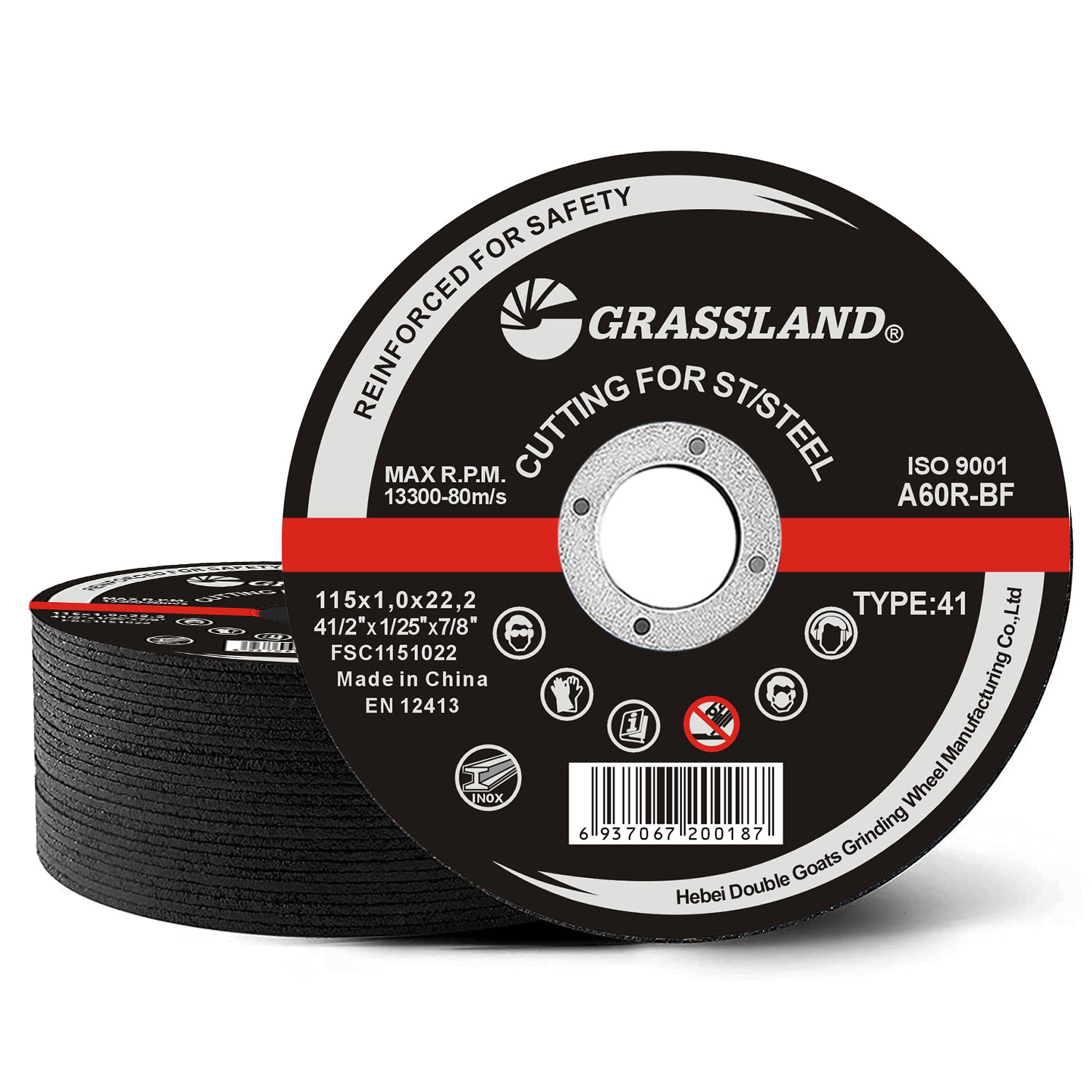
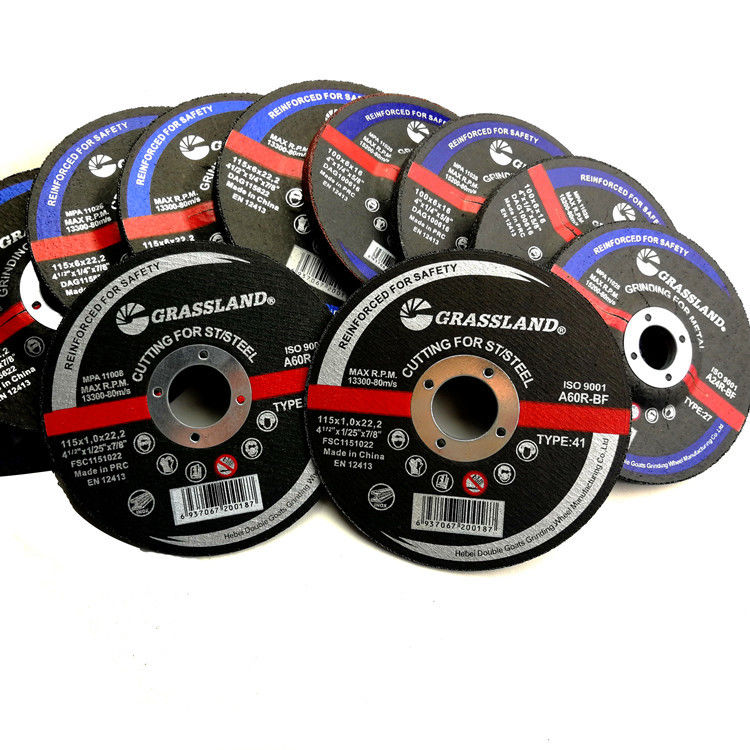
Sheet metals vary widely — aluminum, stainless steel, galvanized steel, and others. Angle grinders capable of handling different disc types and speeds allow for versatile use across materials.
Mini Takeaway:
- Tool durability keeps downtime low.
- Precision cutters improve quality and reduce scrap.
- Smart cost management makes angle grinders practical in diverse environments.
Industry Applications Where Angle Grinder Sheet Metal Shines
Consider the automotive factories in Germany, bustling shipyards in South Korea, or even fast-deployment housing in post-tsunami Indonesia. All rely on angle grinder sheet metal techniques for quick, accessible metal shaping.
In remote industrial zones of Africa, where heavy machinery isn’t always on call, hand grinders become heroes, enabling workers to fabricate parts on the spot. Similarly, humanitarian organizations often deploy angle grinders with sheet metal to create robust shelters efficiently after disasters strike—reducing setup time from days to hours.
Even urban HVAC installation teams in North America depend on angle grinder sheet metal work to adapt duct systems on-site with precision and speed.
Mini Takeaway:
- Flexible angle grinder use spans heavy industry to disaster relief.
- Local adaptation and speed help diverse sectors thrive with metal sheets.
Advantages and Enduring Value of Angle Grinder Sheet Metal
- Cost Savings: Minimizing waste and labor hours with portable tools reduces overhead significantly.
- Sustainability: Reworking existing metal sheets rather than replacing parts saves material and energy.
- Safety Improvements: New safety gear and ergonomics reduce workplace injuries.
- Social Impact: Fast production of metal parts aids rebuilding efforts globally, helping communities regain normalcy quickly.
- Trust and Innovation: Manufacturers often report greater confidence in meeting tight deadlines through mobile angle grinder solutions.
Product Specification Table: Typical Angle Grinder Sheet Metal Setup
| Specification | Typical Values |
|---|---|
| Motor Power | 900 - 1400 Watts |
| Disc Diameter | 115 - 125 mm (4.5" - 5") |
| Rotational Speed (RPM) | 10,000 - 12,000 |
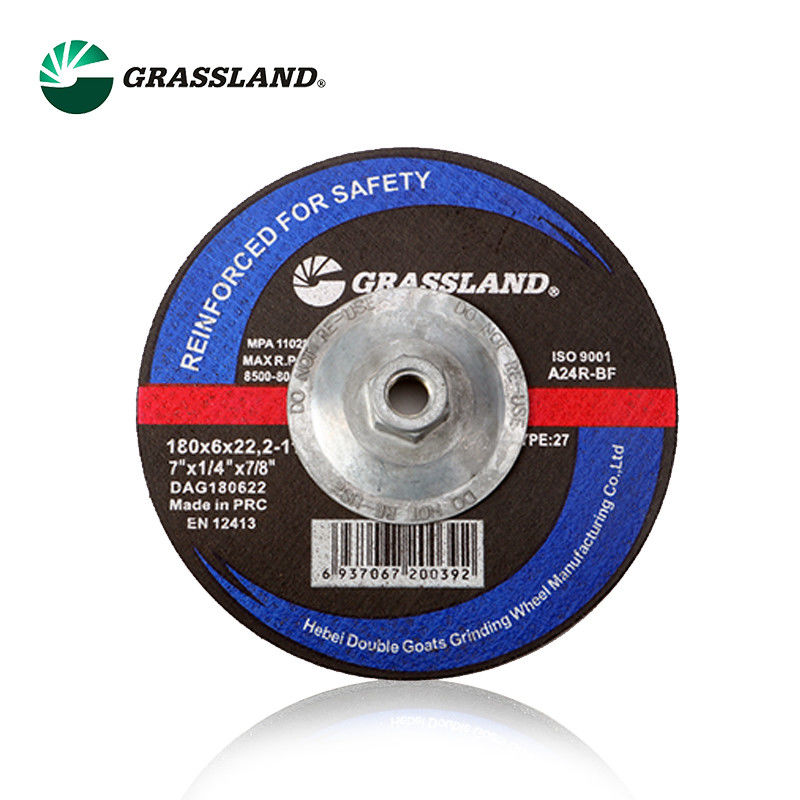
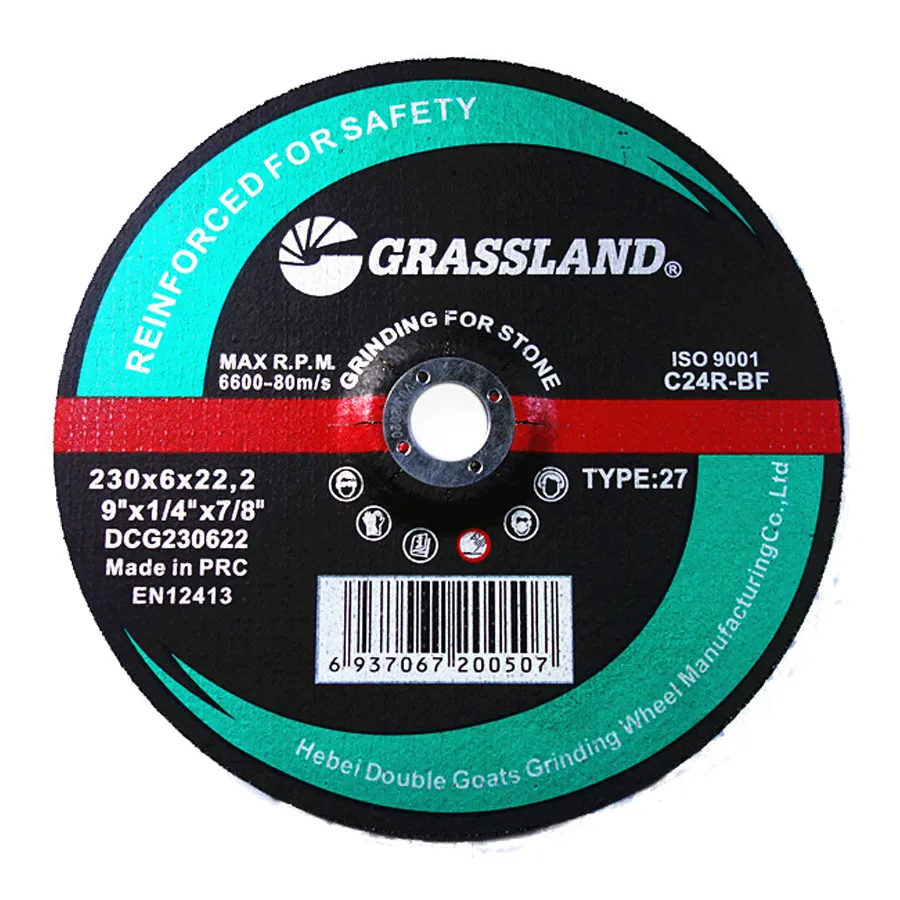
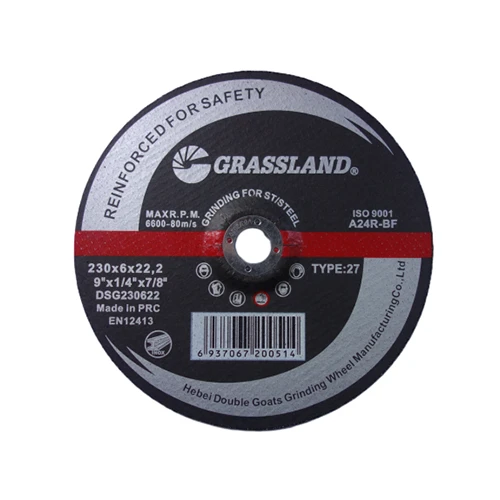
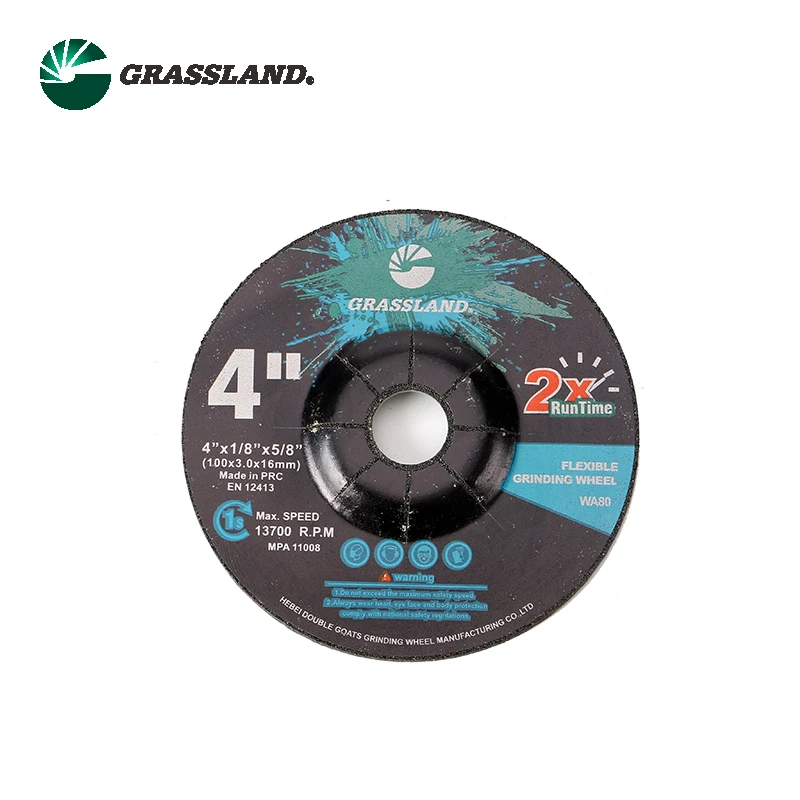
| Disc Types Compatible | Cut-off, grinding, flap discs, polishing |
| Typical Sheet Metal Thickness | 0.3 mm to 6 mm |
| Weight | 1.8 - 2.5 kg |
Comparing Top Vendors in Angle Grinder Sheet Metal Solutions
| Vendor | Product Range | Price Range | Special Features |
|---|---|---|---|
| GrindPro Tools | Entry & Professional Angle Grinders | $50 - $250 | Ergonomic grip, dust protection |
| MetalEdge Equip | Industrial Grade Grinders + Accessories | $120 - $450 | Variable speed control, extended warranties |
| SharpCut Solutions | Compact Models for Portable Jobs | $70 - $200 | Lightweight, fast disc change system |
| ProMetal Tools | Heavy-Duty Angle Grinders | $200 - $600 | High torque, enhanced cooling systems |
Future Trends Shaping Angle Grinder Sheet Metal Work
We’re seeing some exciting shifts ahead. For one, greener materials and disc technologies are shrinking the carbon footprint of metal grinding. Digital integration, such as IoT-enabled grinders, provide real-time feedback on wear and precision, something many engineers say is a game-changer for quality control and maintenance.
Automation is steadily creeping in too, with robotic systems adopting angle grinder tools for repeatable sheet metal tasks. This blend of human skill and smart machines could redefine fabrication floors soon.
Sustainability remains a guiding star — from recycled metals to energy-efficient tools — matching global policy trends encouraging cleaner manufacturing.
Challenges & Expert Solutions in Angle Grinder Sheet Metal Processing
Despite their advantages, angle grinders come with hurdles. Dust and spark control require constant attention for safety. Also, the quality of cuts can vary based on operator skill and disc wear. I’ve noticed in workshops that investing in high-quality discs and periodic training makes all the difference.
With current trends, manufacturers increasingly focus on safety attachments, improved dust extraction, and ergonomic designs. Combining these with supportive workplace policies creates safer, more efficient environments.
FAQ: Angle Grinder Sheet Metal Essentials
- Q: What disc type is best for cutting sheet metal with an angle grinder?
- A: Cut-off discs made of abrasive materials like aluminum oxide or zirconia alumina work best for clean cuts on sheet metals. Using the right size and thickness disc for your grinder ensures safety and precision.
- Q: How can I prevent overheating the sheet metal when grinding?
- A: Use moderate pressure with intermittent grinding, avoid forcing the tool, and allow your discs to cool. Many technicians recommend using flap discs for smoothing to reduce heat buildup.
- Q: Is angle grinder sheet metal work suitable for thin or delicate metals?
- A: Yes, but requires careful handling, lower speeds, and appropriate discs to avoid warping or damaging thin sheets below about 0.5 mm thickness.
- Q: How often should I replace discs when working on sheet metal?
- A: Discs wear out based on usage and material hardness; typically, replace when you notice reduced cutting efficiency, visible wear, or damage to the disc surface.
- Q: Can angle grinders handle galvanized steel sheet metal safely?
- A: Absolutely, but precautions like using dust masks and working in well-ventilated areas are essential since grinding galvanized steel can release harmful zinc oxide fumes.
Wrapping Up: The Long-Term Value of Angle Grinder Sheet Metal
Angle grinder sheet metal processing is more than just a workshop task; it’s a lifeline connecting industrial efficiency, innovation, and emergency response capabilities worldwide. With ongoing advances in safety, tool technology, and sustainability, its importance will only grow. Whether you’re a seasoned fabricator or an NGO preparing for rugged environments, understanding this tool-material duo can make all the difference.
Ready to explore the best angle grinder sheet metal solutions for your needs? Visit us online and discover how to sharpen your edge in metalworking today.
References:
Post time:Dec - 01 - 2025