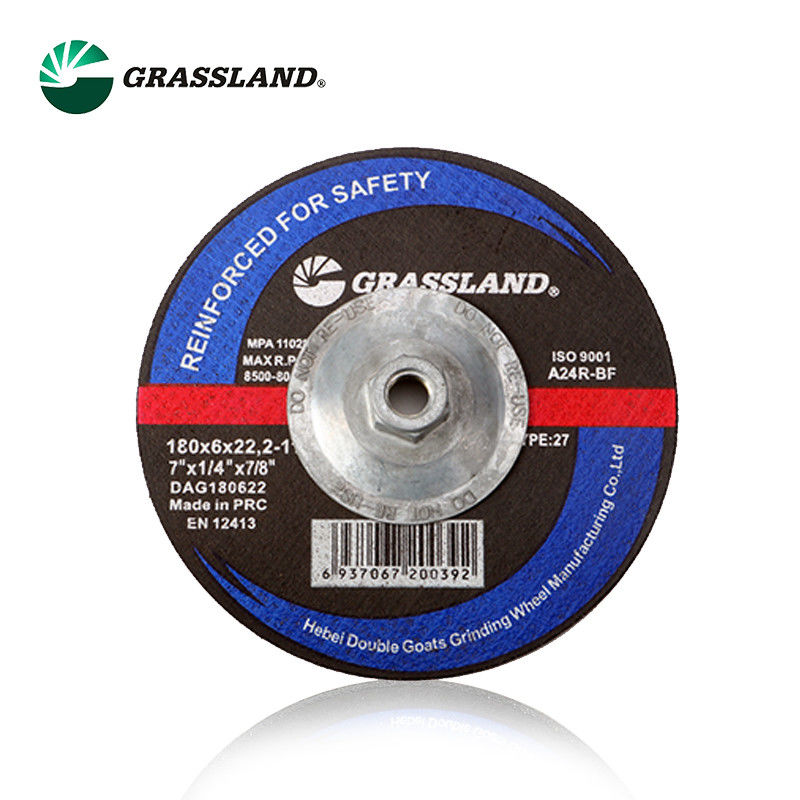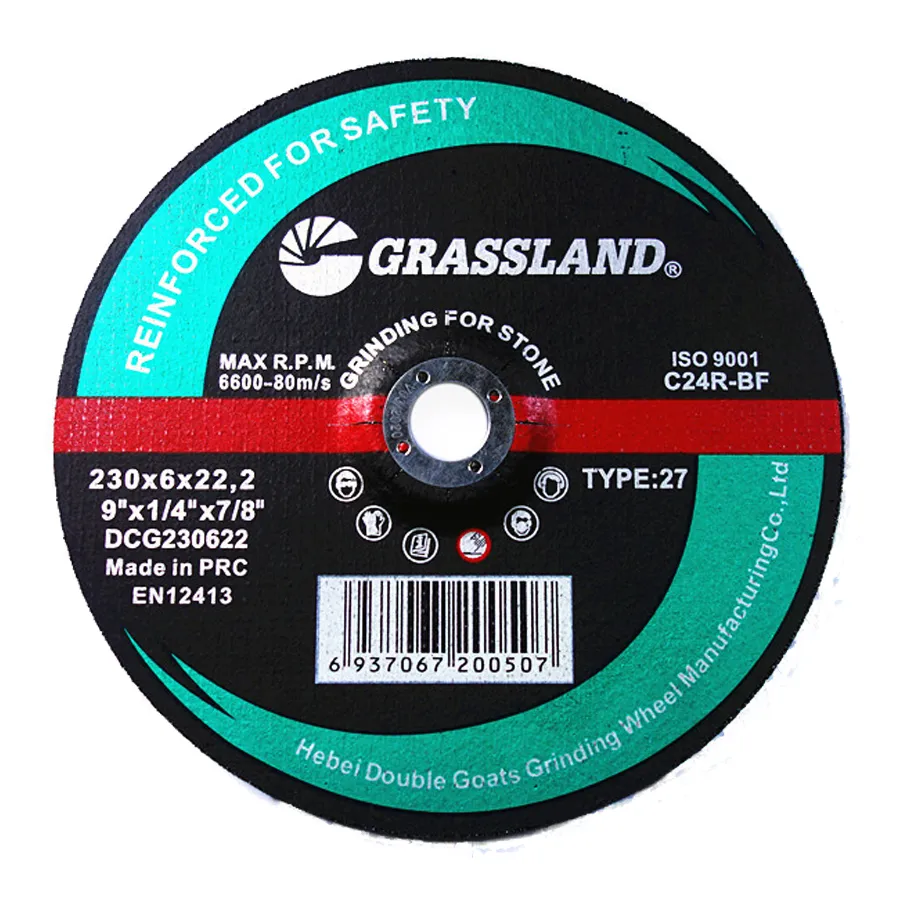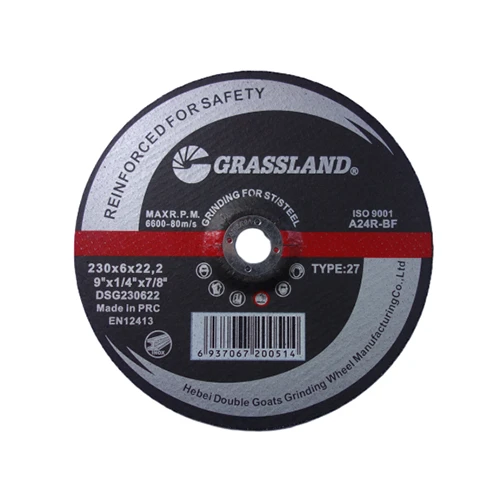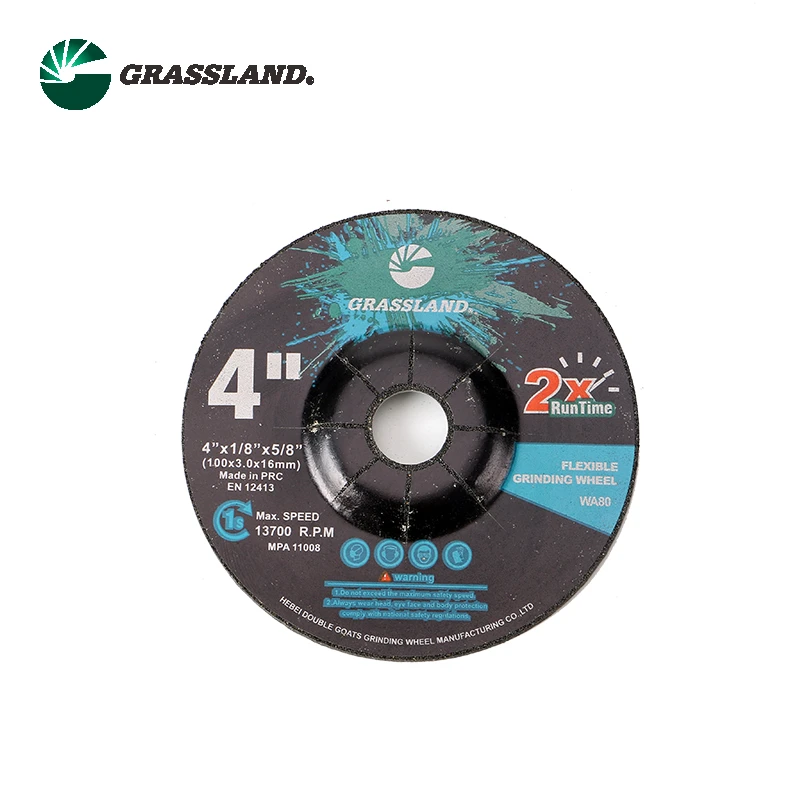
Why a Stainless Cutting Wheel Makes a Difference in Industrial Applications
Having spent over a decade working alongside welders, fabricators, and industrial maintenance crews, I can tell you: the choice of your cutting wheel isn’t just nitpicking. It’s often the difference between a clean job done quickly and a tedious, costly delay. Stainless cutting wheels stand out in this space for a few solid reasons—and yet, oddly enough, not every operator fully grasps what makes them tick.
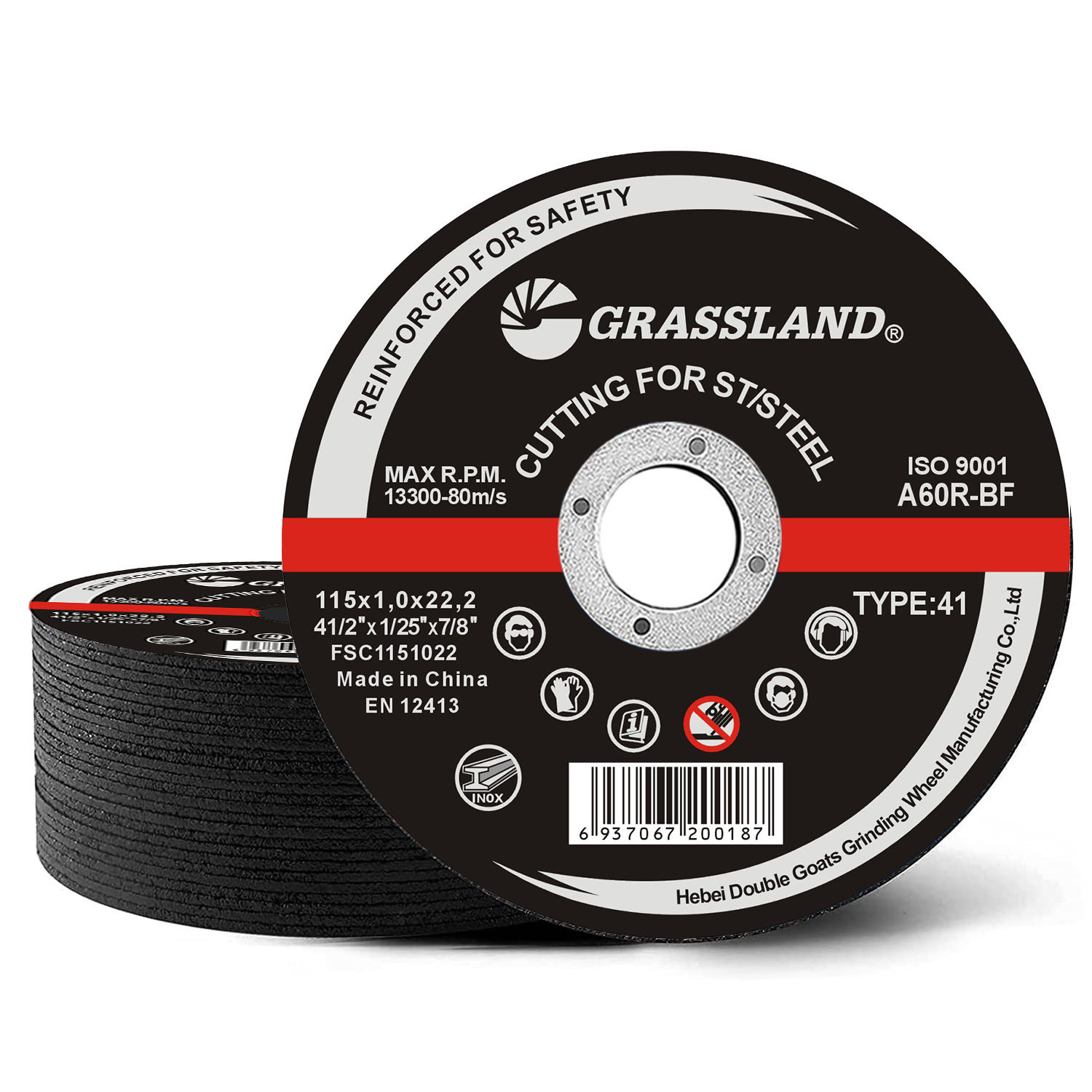
First off, stainless steel is a finicky material. Its alloy composition gives it strength and corrosion resistance, sure, but it also means faster heat buildup during cutting, which can warp or mar the cut edge. That’s where a high-quality stainless cutting wheel comes into play—it’s designed to handle these stresses with a mix of precision grit and durability.
I remember a client’s shop where they switched from generic wheels to purpose-built stainless options. The improvement? Night and day. Not only did the wheels last longer without glazing over, but the cut edges were cleaner—less post-cut grinding needed. This saved the crew hours every week, which translates into real savings. You’d think that kind of efficiency would be obvious upfront, but it took a firsthand look to convince them.
Key Product Specifications of Stainless Cutting Wheels
| Specification | Details |
|---|---|
| Wheel Diameter | 100mm to 230mm |
| Thickness | 1mm – 3mm (thin for precision cutting) |
| Material Composition | Aluminum oxide or zirconia alumina abrasive |
| Bonding Type | Resin bonded for heat resistance |
| Max Operating Speed | Up to 80 m/s |
| Typical Usage | Cutting stainless steel pipes, sheets, and plates |
One thing I always recommend is checking the compatibility of your wheel thickness with the tool and project requirements. Thinner wheels cut cleaner but may wear quicker or need more careful handling. Thick wheels offer longevity but sometimes at the expense of precision. You know, kind of the usual tradeoff.
Comparing Leading Stainless Cutting Wheel Vendors
| Brand | Durability | Cut Quality | Price Range | Special Features |
|---|---|---|---|---|
| CutoffPro | High | Excellent edge finish | $$$ | Heat-resistant resin bond |
| SteelSlice | Medium | Good, minor burrs | $$ | Quick-change hub design |
| MetalEdge | High | Very clean cuts | $$$$ | Extra-thin precision blades |
To be honest, I’ve found that no single brand owns the space outright. It depends on what the priority is—budget, cut quality, or wheel longevity. The trick is to balance all three for your specific jobs. And of course, stocking a few different options doesn’t hurt. Sometimes your operators get picky (a sign they know what works best).
Finally, I can’t overstate the value of testing a few wheels in real conditions before bulk purchasing. Lots of engineers say that what’s printed on specs sheets doesn’t always translate perfectly on the floor. And yeah, I agree. There’s a human factor too—how someone holds the tool, the feed rate, pressure—all this changes wear dramatically.
All things considered, investing in quality stainless cutting wheels will pay off. They reduce downtime, produce cleaner cuts (which means less rework), and often improve overall safety. It’s a little things like this that keep shops running smooth, day in and day out.
Reflection: In industrial settings, the right tool doesn’t just cut metal, it cuts frustration, too.
- Industry standards for abrasive discs, ASTM F1957-21.
- Manufacturer specs and user guides from major abrasive brands.
- Firsthand shop floor experience working with stainless steel materials and consumables.
Post time:Dec - 03 - 2025