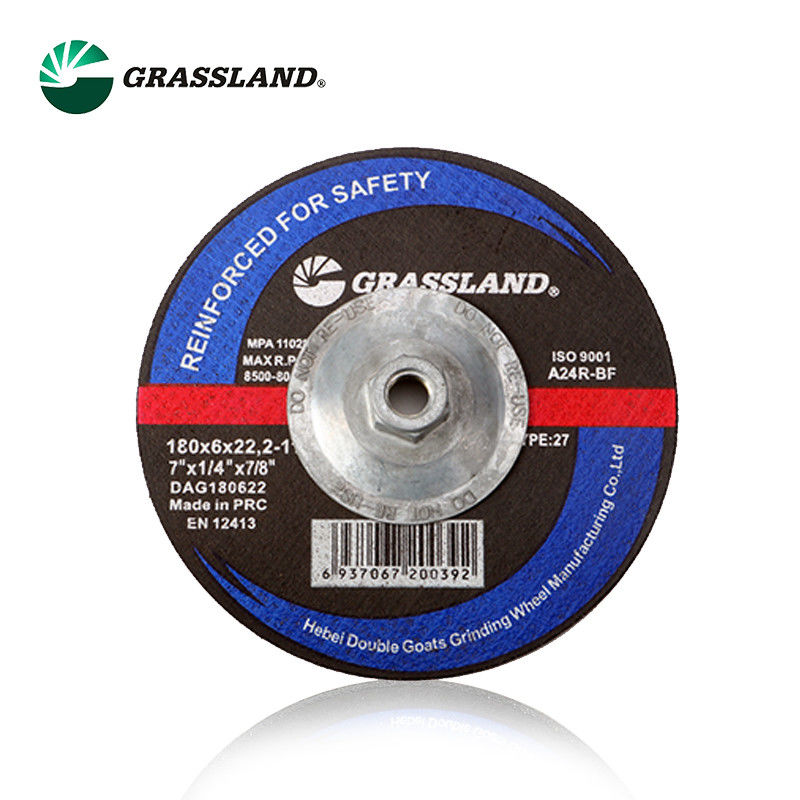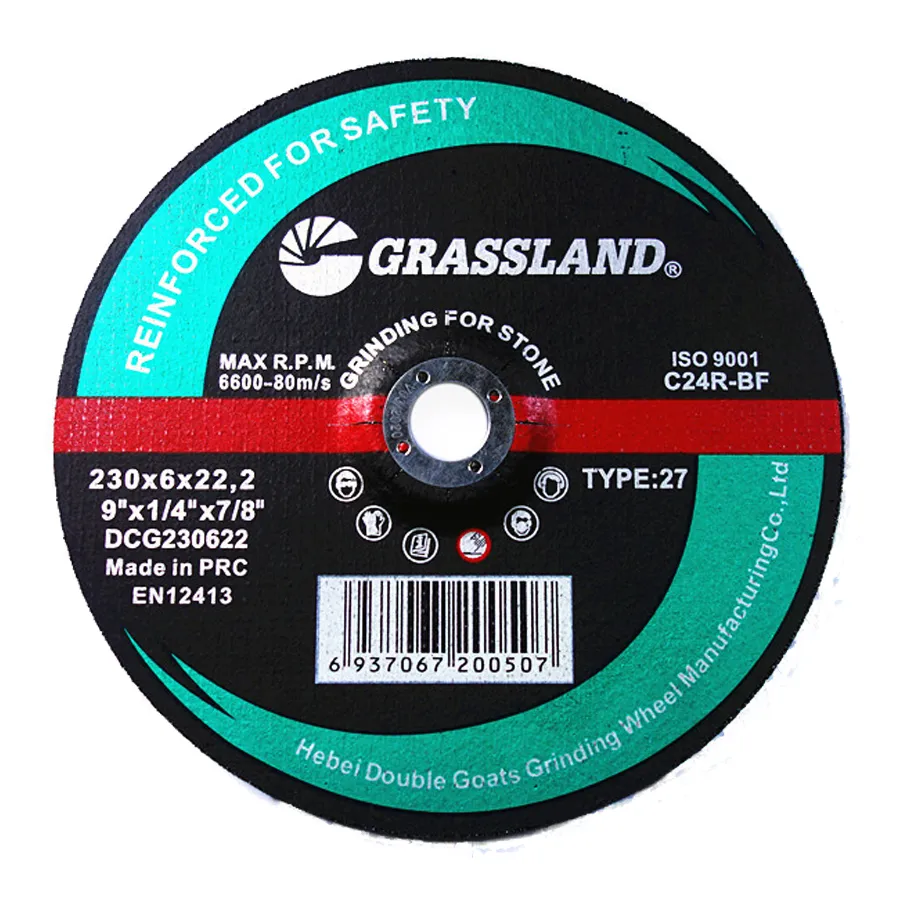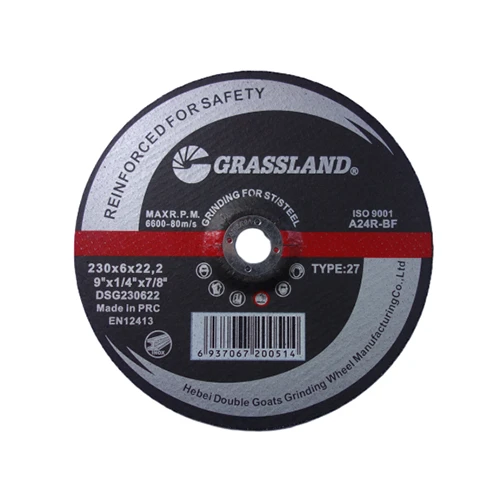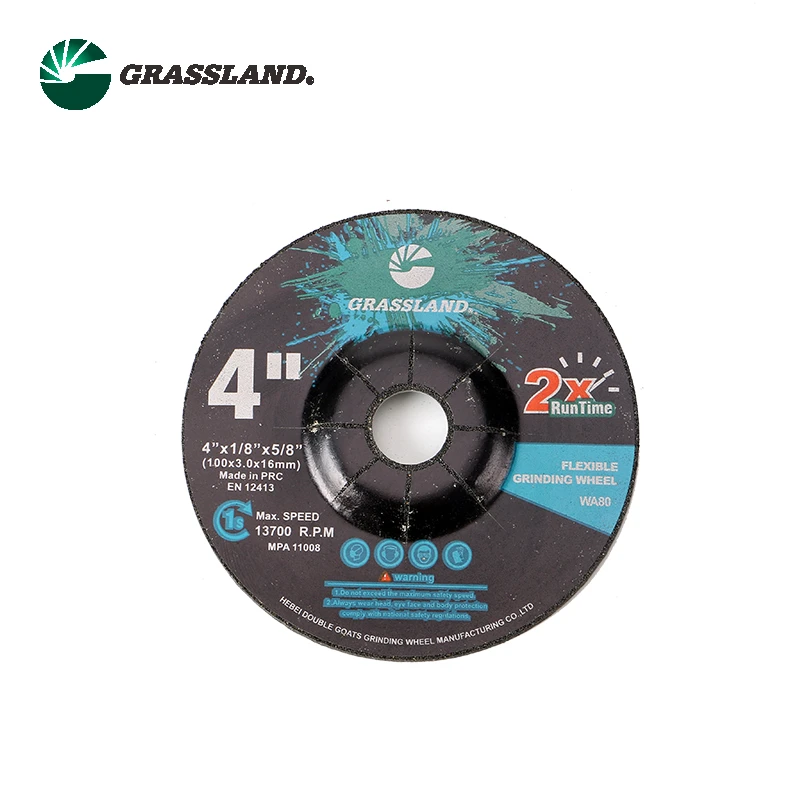
Grinder Cutting Wheel for Stainless Steel: What You Really Need to Know
Having spent quite a few years getting my hands dirty in the industrial equipment sector, I can tell you one thing for sure: not all grinder cutting wheels for stainless steel are created equal. Stainless steel is notoriously tough, and the cutting tools you pick can make or break your project’s outcome (and your sanity, frankly).
Let me start by saying that using the right cutting wheel isn’t just about speed—sure, you want to get the job done quickly, but precision and safety are often more important. Stainless steel, with its chromium content, creates a hard oxide layer on the surface that can easily wear down regular discs. That’s why specialized cutting wheels designed specifically for stainless steel are indispensable in industrial settings.
Why Stainless Steel Demands Specialized Cutting Wheels
From my experience and countless hours of onsite testing, stainless steel’s unique properties – it's corrosion resistance and relatively high tensile strength – means you need wheels with a combination of durability and sharpness. Many engineers I’ve worked with often underestimated this, trying out generic abrasive discs and ending up frustrated by frequent replacements and uneven cuts.
What you want is a grinding wheel that can maintain integrity over multiple cuts without excessive heat buildup; otherwise, you risk workpiece deformation or discoloration. Oddly enough, the bonding agent and grain type (often aluminum oxide or zirconia alumina) play critical roles in determining cutting performance.
| Specification | Typical Value |
|---|---|
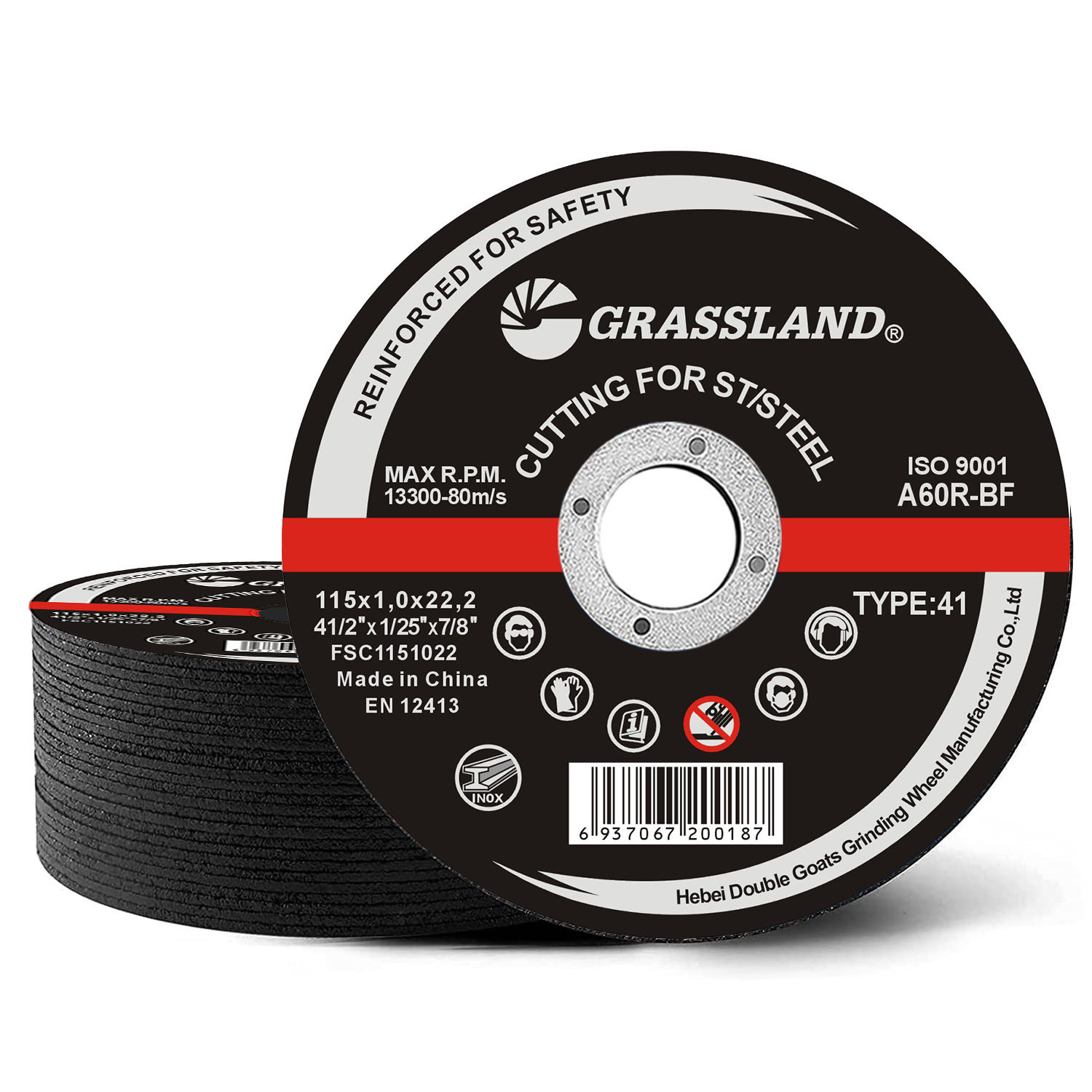
| Wheel Diameter | 4” to 7” (100mm - 180mm) |
| Thickness | 1mm to 3mm |
| Grain Type | Zirconia Alumina / Aluminum Oxide |
| Bonding Agent | Resin Bonded |
| Max RPM | ≤ 13,300 RPM |
Picking the Right Vendor: A Quick Comparison
Now, I won’t pretend the market is small. There are tons of brands selling 'stainless steel cutting wheels' - but trust me, the specs can vary wildly. Here’s a simple vendor comparison I’ve put together after testing a handful of popular products.
| Vendor | Durability | Cut Quality | Price per unit | Special Features |
|---|---|---|---|---|
| Vendor A | High | Clean, precise | $$$ | Heat-resistant resin, fast cut |
| Vendor B | Medium | Good, slight burrs | $$ | Affordable, wide availability |
| Vendor C | Very High | Near-perfect edges | $$$$ | Ultra-durable, low heat |
The Real-World: A Quick Anecdote
I recall a client who initially tried using a generic cutoff disc on their stainless steel railings project. Frequent wheel changes and uneven cuts slowed their job considerably. When they switched to a dedicated grinder cutting wheel for stainless steel, the improvement was night and day. Less smoke, cleaner edges, and fewer safety concerns from wheel shattering. They described it as “finally feeling like we’re working with a tool that understands the job.” That stuck with me.
What I’d add as a closing thought: if you’re cutting stainless steel regularly, investing in a quality wheel tailored to that metal pays off – not just in production output but overall peace of mind. The cheapest disc in the box isn’t always a bargain.
And, by the way, always remember to check your grinder’s maximum RPM rating and match it with the cutting wheel specs. Safety first – always.
Reflection: In the ever-evolving industrial equipment sector, the right consumables still matter immensely. It’s that simple. And when it comes to something as challenging as stainless steel, the right wheel is more than just a tool–it’s a partner.
- Industrial Abrasives Association guidelines, 2023
- Cutoff discs product catalog, 2024
- Personal field experience in metal fabrication, 2010-2023
Post time:Dec - 03 - 2025