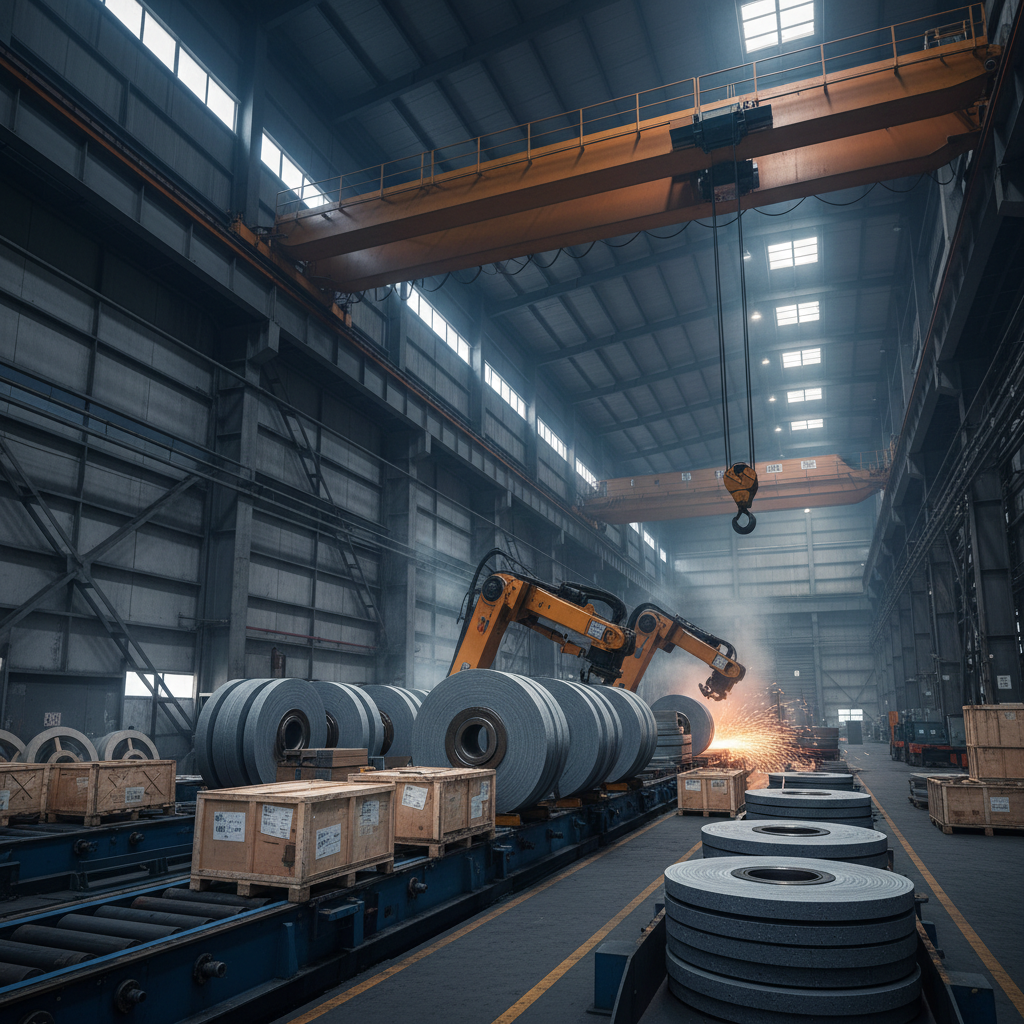
A professional metal cutting disc factory specializes in the engineering and mass production of abrasive wheels designed for high-precision slicing and grinding of metallic and mineral materials. These facilities integrate advanced resin-bonding technology and silicon carbide grains to ensure that industrial operators can achieve clean, fast, and safe cuts across various substrates, from stainless steel to reinforced concrete.
For procurement managers and industrial DIYers, selecting a disc from a reputable factory is critical because the structural integrity of the wheel directly impacts workplace safety and operational efficiency. Inconsistencies in bonding agents or abrasive grit distribution can lead to premature disc wear or, in extreme cases, disc rupture during high-RPM operations.
This comprehensive analysis explores the technical specifications of high-performance cutting discs, the manufacturing standards required for international compliance, and a detailed guide on selecting the right abrasive tool for specific material applications to maximize tool life and output quality.

1The Fundamentals of Abrasive Disc Manufacturing

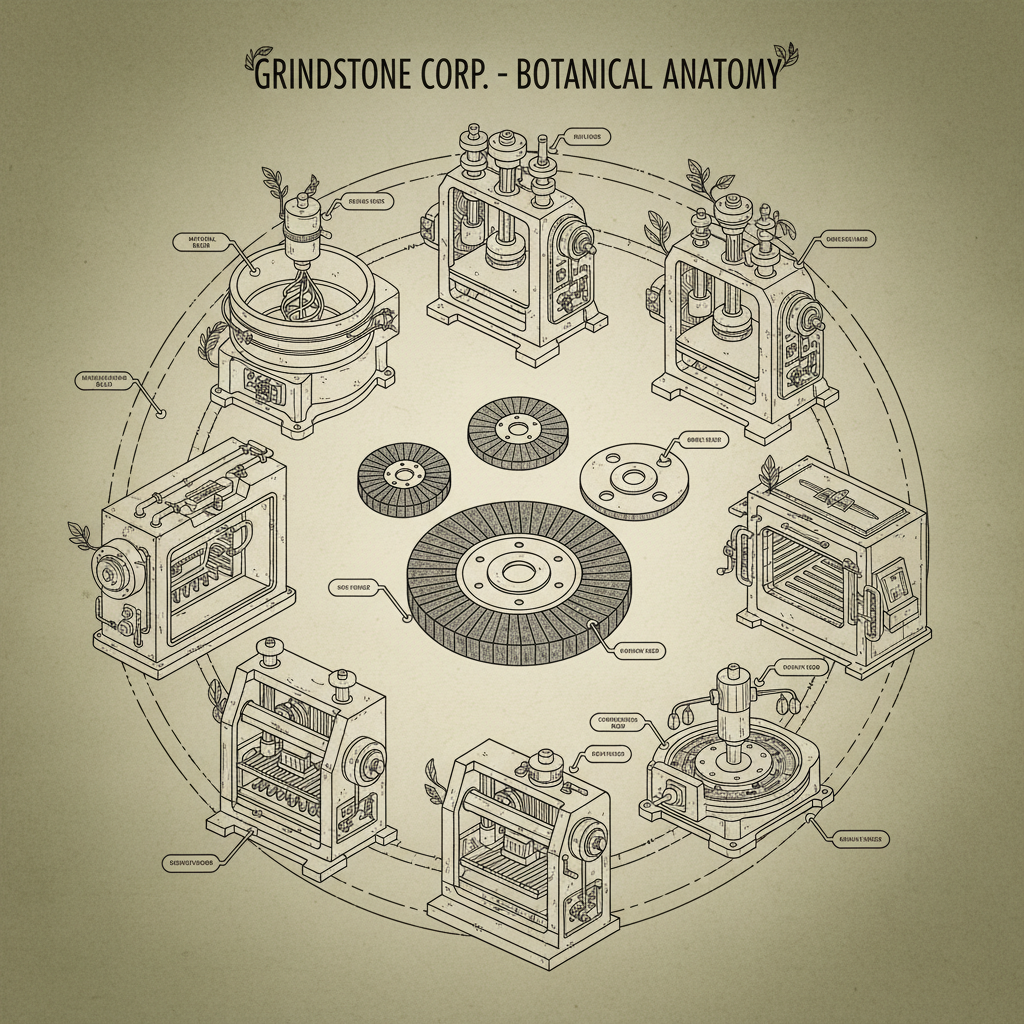
Manufacturing high-quality cutting discs requires a sophisticated blend of material science and precision mechanical engineering. A metal cutting disc factory must carefully control the mixing of abrasive grains with bonding agents, followed by a rigorous pressing and curing process. The goal is to create a uniform density across the disc, which prevents vibration and ensures a straight cut during operation.
Modern production lines often utilize computer-controlled electric heating tunnel furnaces to ensure consistent hardening. This thermal treatment is essential for stabilizing the internal structure of the disc, reducing the risk of deformation, and ensuring that the abrasive grains are held securely until they are worn down.
Furthermore, the integration of fiberglass reinforcing mesh provides the necessary tensile strength. This mesh acts as a safety skeleton, preventing the disc from shattering under heavy load or when encountering unexpected material hardness during the cutting process.
2Core Technical Specifications and Materials
The performance of a cutting disc is defined by its abrasive composition. Silicon Carbide (SiC) is typically employed for non-ferrous metals, stone, and concrete due to its extreme hardness and sharp cutting edges. In contrast, Aluminum Oxide is preferred for general steel and iron applications where toughness is more critical than sheer hardness.
Specific parameters such as the arbor size (e.g., 7/8 inch or 22.2mm) must be perfectly matched to the angle grinder or saw machine to avoid eccentricity. A disc with a thickness of 1.0mm is ideal for "ultra-thin" fast cutting, whereas a 3.2mm thickness is used for heavy-duty masonry or deep cutting where stability is paramount.
The bonding agent, usually a high-grade synthetic resin, is engineered to degrade at a controlled rate. This "self-sharpening" mechanism allows new, sharp abrasive grains to be exposed as the old ones dull, maintaining a consistent cutting speed throughout the life of the tool.
3Industrial Application Scenarios and Material Matching
Choosing the wrong disc for a material not only reduces efficiency but can be dangerous. For instance, using a masonry disc on stainless steel can cause excessive heat buildup and premature wheel failure. Proper matching involves analyzing the material's hardness and the required precision of the final cut.
In masonry and concrete work, the high-speed removal of material requires a disc that can handle abrasive dust without clogging. Flat-shaped discs are often used for straight cuts in bricks or tiles, while depressed center discs are better for grinding and surface preparation.
For metalworking, stainless steel (Inox) requires specialized discs that are "iron-free" to prevent contamination and rusting of the workpiece. These discs utilize specific resins that prevent chemical reactions between the abrasive and the alloy, ensuring a clean, professional finish.
4Performance Metrics and Efficiency Analysis
Evaluating the efficiency of a metal cutting disc factory involves looking at the "Cut-per-Disc" ratio and the rate of material removal. A high-performance disc maintains its diameter longer and requires fewer replacements, reducing downtime in a production environment.
Key metrics include the maximum working speed (e.g., 80 M/S) and the RPM limit (e.g., 13,500 RPM). These numbers define the operational envelope of the tool; exceeding them can lead to structural failure, while operating too far below them may cause the disc to "glaze" or lose its cutting edge.
metal cutting disc factory Performance Metrics
The data indicates that discs produced with automated traceability and controlled hardening processes show a significant increase in longevity and precision compared to generic industry averages. This is primarily due to the reduction of internal air voids and the precise distribution of SiC grains.
5Procurement Criteria for Industrial Suppliers
When sourcing from a factory, procurement teams should look beyond the unit price and evaluate the "Total Cost of Ownership." This includes considering the wear rate, the safety certifications, and the consistency of the batches delivered.
Certifications such as ISO9001 and MPA EN12413 are non-negotiable for high-volume industrial use. These standards ensure that every disc has undergone burst tests and balance tests, guaranteeing that the product will not fail under the specified load.
Additionally, the ability of a factory to provide quality traceability—from the raw abrasive batch to the finished product—is a sign of a mature manufacturing system. This allows for rapid root-cause analysis if a performance dip is detected in the field.
6Safety Standards and International Compliance
Safety is the most critical aspect of abrasive tool usage. International standards like EN 12413 specify the requirements for cutting-off wheels, including mandatory labeling of max speed and expiration dates, as resin bonds can degrade over time.
A compliant factory implements a multi-stage inspection process: visual inspection for cracks, balancing tests to prevent vibration, and sample burst tests where a disc is spun until failure to verify its safety margin.
Operators must also be trained in the correct application of pressure. Applying too much force can "pinch" the disc, leading to a kickback effect, while too little pressure can cause the disc to rub rather than cut, creating unnecessary heat and wear.
7Comparing Cutting Disc Technologies for Decision Making
Different materials require different abrasive technologies. While Resin Bonded discs are the industry standard for versatility, specialized applications may require different bonding agents or abrasive types to optimize the cut speed and finish.
The following table compares the most common disc types found in a professional metal cutting disc factory to help users select the correct tool based on their material and performance requirements.
| Disc Type | Primary Abrasive | Best Application | Main Strength |
|---|---|---|---|
| Metal Cutting Disc | Aluminum Oxide | Steel / Iron | High Toughness |
| Stone Cutting Disc | Silicon Carbide | Concrete / Granite | Extreme Hardness |
| Inox Disc | Zirconia/AlOx | Stainless Steel | Contamination-Free |
| Multi-Purpose Disc | Hybrid Blend | Mixed Materials | Versatility |
| Ultra-Thin Disc | Fine AlOx | Sheet Metal | Fast / Precision |
| Flap Disc | Zirconia Grain | Surface Finishing | Smoothing/Blending |
Ultimately, the decision should be based on the balance between the required cutting speed and the acceptable level of material waste. For high-volume production, investing in premium, certified discs from a specialized factory reduces long-term costs through increased tool life.
Frequently Asked Questions
Conclusion
Selecting the right tools from a specialized metal cutting disc factory is a balance of understanding material science, adhering to safety standards, and optimizing for operational efficiency. By matching the abrasive grit and bond type to the specific material and ensuring strict compliance with RPM limits, industrial users can significantly reduce costs and improve workplace safety.
For procurement teams seeking high-performance, certified abrasive solutions that meet international standards like EN 12413, reviewing detailed product specifications is the first step toward operational excellence. You can find more technical information and available product ranges at www.metalcuttingdisc.com.